This week’s edition of The Manga Review focuses primarily on San Diego Comic-Con. Before I get to the SDCC links, though, I wanted to talk about a New York Times article that appeared on July 23rd: “Comics That Read Top to Bottom Are Bringing in New Readers.” As you might guess from the headline, the article explores the growing popularity of Tapas and Webtoon, both of which are attracting substantial audiences, particularly among women under 25. The numbers are impressive; authors George Gene Gustines and Matt Stevens note that over 40 million women are active on the Webtoon platform, while a full two-thirds of Tapas’ users are women. I did a spit-take, however, when the authors boldly asserted that web comics were “tapping into an audience the industry had long overlooked: Gen Z and Millennial women.”
That statement ignores the fact many of these readers grew up with comics such as Sailor Moon and Fruits Basket as well as Dav Pilkey’s Captain Underpants and Dogman, Raina Telgemeier’s Smile, and Kazu Kibushi’s Amulet. Though DC Comics and Marvel are clearly important players in the comics market, Scholastic, VIZ, Kodansha, Yen Press, and Seven Seas serve a bigger readership than the Big Two, and have been doing so for over a decade. That point wasn’t lost on many of the people that Gustines and Stevens interviewed; creators and executives alike acknowledged the popularity of manga with American readers. The article’s authors, however, never acknowledge how much the old paradigm–of “Wednesday Warriors” buying floppies at the local comic ship–had changed before Tapas and Webtoon had a presence in North America. Anyone with vivid memories of visiting Borders or Barnes and Noble in the early 2000s could attest to the fact that girls were enthralled with manga, and viewed it as an appealing alternative to tights and capes.
OK… I’m hopping off my soapbox.
NEWS FROM SDCC 2022
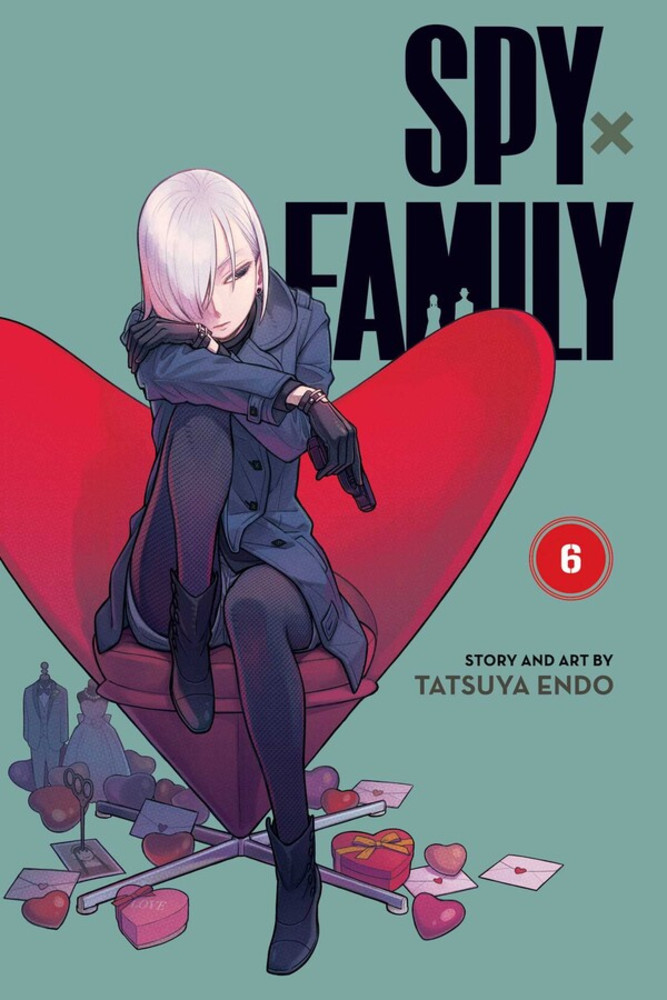
Junji Ito’s Lovesickness beat out Chainsaw Man, Kaiju No. 8, Robo Sapiens: Tales of the Future, Spy x Family, and Zom 100: Bucket List of the Dead for the title of Best U.S. Edition of International Material–Asia. I was surprised to see that this year’s field was so heavily focused on Shonen Jump titles; there’s nothing wrong with acknowledging popular series, but given how many other interesting projects were released in 2021, it seems odd that the nominating committee didn’t cast a wider net. [The Beat]
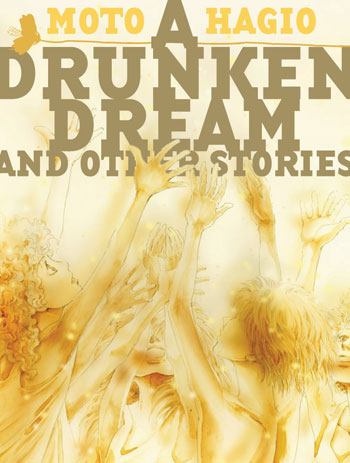
File this under About Damn Time: shojo manga pioneer Moto Hagio was finally inducted into the Eisner Hall of Fame, joining Osamu Tezuka (2002), Goseki Kojima (2004), Katsuhiro Otomo (2012), Hayao Miyazaki (2014), and Rumiko Takahashi (2018). [The Beat]
Also taking home an award from SDCC was illustrator Hidetaka Tenjin, who won the Inkpot Award for his work on such franchises as Macross, Gundham, and Space Battleship Yamato. [Anime News Network]
No SDCC would be complete without Deb Aoki’s Best and Worst Manga Panel. She was joined by Brigid Alverson (ICv2, School Library Journal, Smash Pages), Siddarth Gupta (Manga Mavericks), Laura Neuzeth (YouTube, TikTok), Ryley Moore (The Omnibus Collector), and Jillian Rudes (mangainlibraries.com). Looking over their master list, I was relieved to see I wasn’t the only person who thought Crazy Food Truck was kind of terrible. [Mangasplaining]
Square Enix recently announced two new manga acquisitions: My Clueless First Friend, a manga about a gloomy girl and the perky boy who befriends her, and Daemons of the Shadow Realm, Hiromu Arakawa’s latest fantasy series. Both series will debut in spring 2023. [Anime News Network]
Seven Seas just added twelve new manga and light novels to its 2023 schedule, among them Yumi Tamura’s Do Not Say Mystery and a new edition of Wataru Yoshizumi’s shojo classic Marmalade Boy. [Seven Seas]
REVIEWS
Are you reading Helen Chazan’s work? Her writing is terrific, and may be the best thing that’s happened to The Comics Journal in an age. Her latest review focuses on Yamada Murasaki’s Talk to My Back, a story about a middle-aged woman struggling with her role as housewife and mother. Chazan observers that Murasaki “confronts the reader with a woman’s life, a common woman’s inner world. Each chapter is a meditation on the sheer will it takes her housewife to survive under normalized abuse and oppressive demands, and the brief moments of beauty and humor that make survival possible.”
Also worth a look: Manga Bookshelf’s own Anna N. weighs in on Nina the Starry Bride, while the Anime UK News crew compile a list of their favorite CLAMP manga and anime.
- Aria the Masterpiece, Vol. 2 (HWR, Anime UK News)
- Chitose Is in the Ramune Bottle, Vol. 1 (Josh Piedra, The Outerhaven)
- The Devil Is a Part-Timer!, Vol. 18 (Krystallina, The OASG)
- Dr. STONE, Vols. 21-22 (King Baby Duck, Boston Bastard Brigade)
- Fairy Tail, Vol. 3 (SKJAM, SKJAM! Reviews)
- Fort of Apocalypse (Krystallina, Daiyamanga)
- A Galaxy Next Door, Vol. 2 (Josh Piedra, The Outerhaven)
- Hi, I’m a Witch and My Crush Wants Me to Make a Love Potion, Vol. 1 (Demelza, Anime UK News)
- I Belong to the Baddest Girl at School, Vol. 4 (Josh Piedra, The Outerhaven)
- I Can’t Believe I Slept With You!, Vol. 2 (Erica Friedman, Okazu)
- I Think Our Son is Gay, Vol. 3 (Sarah, Anime UK News)
- Kageki Shojo!!, Vol. 6 (Jaime, Yuri Stargirl)
- Let’s Go Karaoke! (Isabelle Ryan, SOLDRAD)
- The Liminal Zone (Danica Davidson, Otaku USA)
- My Dad’s the Queen of All VTubers? (Megan D. The Manga Test Drive)
- Our Colors (Rebecca Silverman, Anime News Network)
- Outbride: Beauty and the Beasts, Vol. 1 (Rebecca Silverman, Anime News Network)
- Penguin & House, Vol. 2 (Sarah, Anime UK News)
- Ragna Crimson, Vol. 5 (Grant Jones, Anime News Network)
- Run on Your New Legs, Vol. 1 (Kate, Reverse Thieves)
- Slasher Maidens, Vol. 1 (Harry, Honey’s Anime)
- Summer Time Rendering, Vol. 3 (Erica Friedman, Anime News Network)
- Yashahime: Princess Half Demon, Vol. 1 (Justin and Krystallina, The OASG)
- Yokaiden, Vol. 1 (SKJAM, SKJAM! Reviews)
- Yowamushi Pedal, Vol. 20 (Krystallina, The OASG)
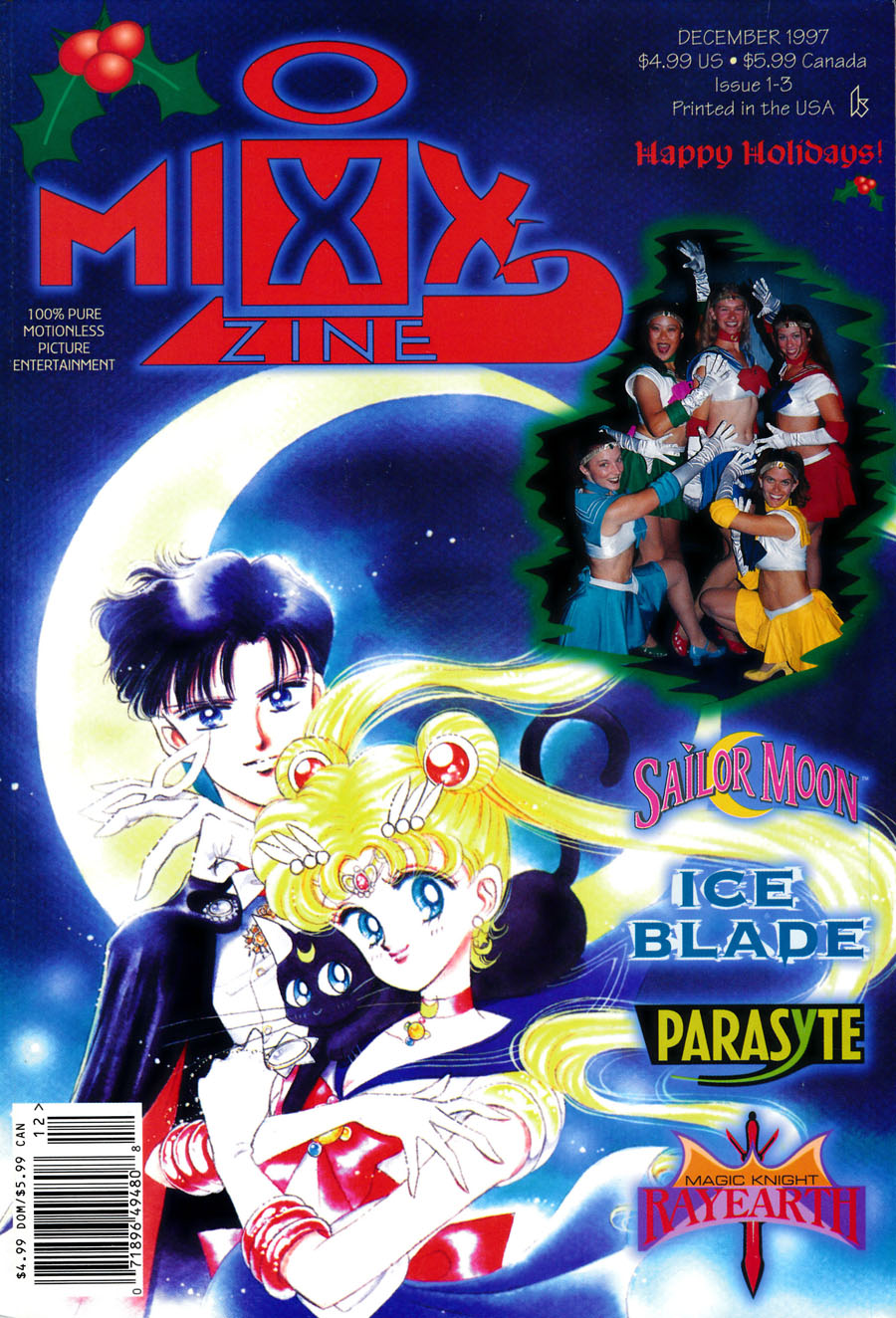 Everybody’s talking about Tokyopop this week, as the publisher that brought us Mixx, Sailor Moon, and Rising Stars of Manga
  April sales figures are in, and
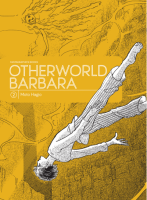
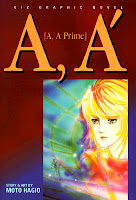
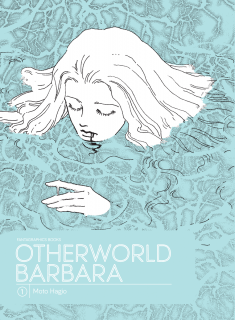
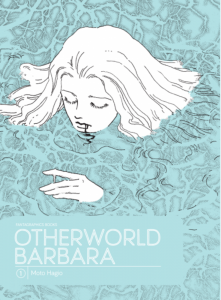 It’s 2052 and Tokio Watarai, a dream pilot, is coming home to Japan for the first time in three years. Although his ex-wife and son are in Japan, he’s actually returning for a job involving a girl who’s been sleeping for seven years since being found with her parents’ hearts in her stomach. Her name is Aoba, and when Tokio enters her dream it’s all about an island called Barbara in which kids can fly and cannibalism factors in to funeral rites. Soon, he learns that his son, Kiriya, actually invented Barbara. So how is Aoba able to dream about it?
  By the end of the first volume, so very many plot threads are in the air that I was not at all sure that Hagio-sensei would be able to make everything make sense in the end. To use just one example: If Barbara is just a dream—and, indeed, no such island actually exists—then how is it possible that the blood of its residents is used for anti-aging medicine? And yet we see evidence that such advances are already in the works. And because of all this plot stuff, there’s not a lot of time for building solid relationships. There is angst aplenty, especially courtesy of Kiriya, but the whole Marienbad/Tokio hookup, for example, is just extremely random. The strongest bond, though, is definitely the love Tokio feels for his son and his regret over having been a crappy father.
 BRIGID:
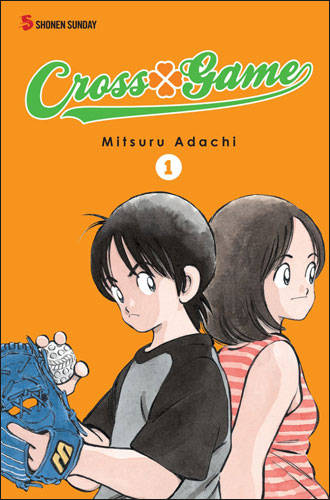
  DEB: I’m most excited about the trend where manga publishers are taking chances on titles and genres that were once considered the third rail/extra risky to license, like sports manga. Super excited about the Summer 2016 arrival of the first volumes of
  Another example of manga publishing biz in the US dipping their toes into riskier fare is the upcoming publication of three classics:
  KATE: I share Deb’s excitement about classic manga. It’s a risky undertaking for any publisher, especially when so many readers are young (under 20) and not particularly curious about the medium’s roots. It will be interesting to see if UDON can pitch Rose of Versailles to the Shojo Beat crowd; though the artwork is a little dated, the melodrama, costumes, and kick-butt female lead have obvious parallels with titles in VIZ, Kodansha, and Yen’s catalogs. Who knows? It could be a surprise hit.
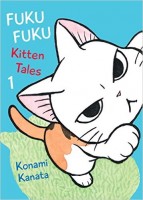 In the just-for-fun department,
  KATE: I’m consistently impressed by Seven Seas’ tenacity and business acumen, but not so impressed with the actual titles they license. Last year, however, Seven Seas published The Ancient Magus’ Bride and acquired Orange, neither of which fit the profile of a typical Seven Seas manga; if anything, both seemed like the kind of titles that CMX used to license. That gamble has paid off with Bride, which recently cracked the NY Times Manga Bestseller list. My prediction: Seven Seas will continue to make bold licensing choices in 2016, even as vampire-monster girls remain their core business.
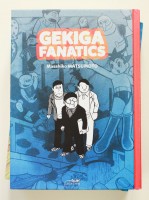 If any publishers are reading this, I have a very specific licensing request. There’s a small French publisher called
  MICHELLE: Thanks for joining us for the first BL Bookrack column of the new year. This time we’re doing something a bit different and devoting this month’s column to Moto Hagio’s