 Welcome to another Manhwa Monday!
It’s a slow week in the manhwa blogosphere, with only three reviews for me to pass along. First, at Good Comics for Kids, Lori Henderson reviews volume one of One Fine Day (Yen Press). At Manga Life, Charles Webb gives us a first-timer’s look at volume nine of Black God (Yen Press). Lastly, at TangognaT, Anna talks about the first four volumes of Goong (Yen Press).
With such a small bounty to share this week, it seems like a good time to check out the (nearly) equally short list of this year’s new manhwa series. Though we’ve seen quite a few new volumes of continuing series this year, new series have been scarce–just four by my count as of the end of June.
Yen Press is this year’s overachiever so far, with two (count ’em, two) new series since January began, One Fine Day and Laon. …
 Given the sheer number of nineteenth-century Brit-lit tropes that appear in The Name of the Flower — neglected gardens, orphans struck dumb by tragedy, brooding male guardians — one might reasonably conclude that Ken Saito was paying homage to Charlotte Brontë and Frances Hodgson Burnett with her story about a fragile young woman who falls in love with an older novelist. And while that manga would undoubtedly be awesome — think of the costumes! — The Name of the Flower is, in fact, far more nuanced and restrained than its surface details might suggest.
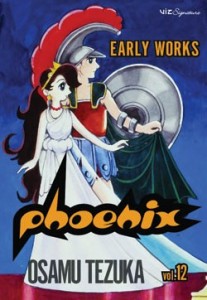 5. Phoenix: Early Years, Vol. 12
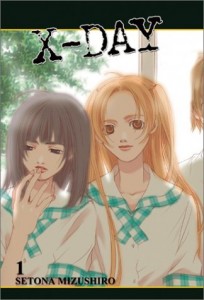 4. X-Day
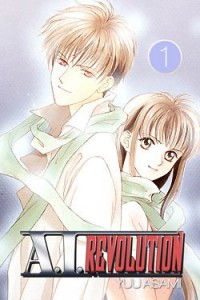 3. A.I. Revolution
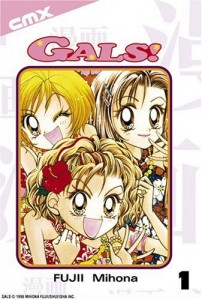 2. GALS!
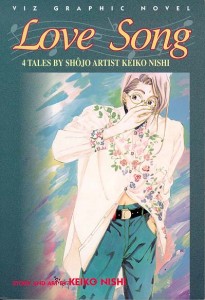 1. Love Song
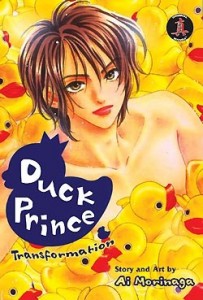 Duck Prince
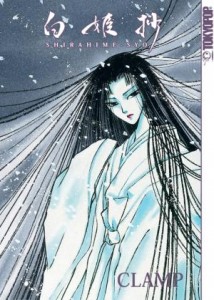 Shirahime-Syo: Snow Goddess Tales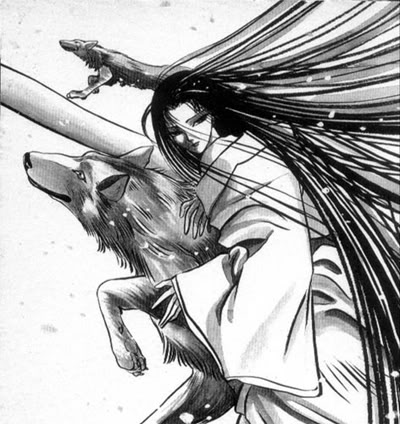
 5. PHOENIX, VOL. 12: EARLY WORKS
 4. X-DAY
 3. A.I. REVOLUTION
 2. GALS!
 1. LOVE SONG
 DUCK PRINCE (Ai Morinaga • CMP • 3 volumes, suspended)
 SHIRAHIME-SYO: SNOW GODDESS TALES (CLAMP • Tokyopop • 1 volume)


 Anthologies serve a variety of purposes. They provide established artists an outlet for experimenting with new genres and subjects; they introduce readers to seminal creators with a representative sample of work; and they offer a window into an early phase of a manga-ka’s development, as he or she made the transition from short, self-contained works to long-form dramas. Himeyuka & Rozione’s Story serves all three purposes, collecting four shojo stories by prolific and versatile writer Sumomo Yumeka, best known here in the US for The Day I Became A Butterfly and Same Cell Organism. (N.B. “Sumomo Yumeka” is a pen name, as is “Mizu Sahara,” the pseudonym under which she published Voices of a Distant Star and the ongoing seinen drama My Girl.)
 In Manga: Sixty Years of Japanese Comics, author Paul Gravett argues that female mangaka from Riyoko Ikeda to CLAMP have often used “the fluidity of gender boundaries and forbidden love” to “address issues of deep importance to their readers.” Taeko Watanabe is no exception to the rule, employing cross-dressing and shonen-ai elements to tell a story depicting the “pressures and pleasures of individuals living life in their own way and, for better or worse, not always as society expects.”


