 From the back cover:
Diana Reed has much to hide when she arrives at the Nicholsons’ 18th-century estate. Masquerading as a landscape architect specializing in “ancient” roses, she’s hired by the eccentric couple to restore the gardens, but her real interest lies in the manor’s more recent history.
Sinister scenarios ensue at the Nicholsons’ estate. Ghostly music echoes in the halls. The smell of roses haunts empty rooms. Diana must hurry if she is to solve her highly personal mystery before she becomes another of the garden’s well-kept secrets.
Review:
While I definitely enjoyed reading Vanish with the Rose, it was quite a slow read for me. At first, all we know about Diana Reed is that she’s pretending to be an expert on roses in order to gain access to property newly acquired by a pair of lottery winners, Emily and Charles Nicholson. Her true agenda is not mentioned for some time, but it eventually comes out after she befriends the Nicholsons’ housekeeper, Mary Jo, and all of a sudden things change quite a bit.
As it turns out, Diana is there investigating the disappearance of her brother, Brad, who had worked for the previous owner, an old woman notorious for her ornery disposition. The handling of this revelation is interesting in that several members of the cast, whom we’ve already met without suspicion, are suddenly revealed as potential suspects. Meanwhile, ghostly music disturbs Diana’s sleep and she experiences several visions from what seems to be someone else’s perspective. After the Nicholsons head off on vacation while landscaping work proceeds, Diana, Mary Jo, Walt (the head landscaper), and Andy (Emily’s son) remain at the centuries-old home where they look for leads on Brad and try to avoid Mary Jo’s abusive ex-husband, Larry.
So, essentially what we have here is a supernatural cozy mystery, with a dash of romance thrown in for good measure. As I said, I enjoyed reading the book, but the narrative would meander something awful. Things do come together tidily enough at the end, with some fun misleads and twists along the way, but I can’t help but feel some liberal editing would’ve produced a tighter story.
I have no complaints at all about the characters, though, since I liked them all quite a lot. Diana has a lot of baggage from her parents, and takes some time coming out of her shell, but her new friendships help her to achieve this. Walt is gruff and sensible, Mary Jo is “determinedly rational,” and Andy is one of those fellows who appears glib and irresponsible, but is actually dependable in a pinch. The interplay between them is amusing, and while Diana has chemistry with both the guys, I’m quite happy about how things ultimately turn out in this regard.
Even though the story drags in places, Vanish with the Rose is a solidly entertaining tale, and definitely one worth reading.
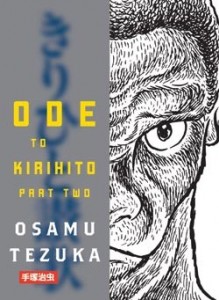 At a deeper level, however, Ode to Kirihito is an extended meditation on what distinguishes man from animal. Kirihito’s physical transformation forces him to the very margins of society; he terrifies and fascinates the people he encounters, as they alternately shun him and exploit him for his dog-like appearance. (In one of the manga’s most engrossing subplots, an eccentric millionaire kidnaps Kirihito for display in a private freak show.) The discrimination that Kirihito faces — coupled with Monmow’s dramatic symptoms, such as irrational aggression and raw meat cravings — lead him to question whether he is, in fact, still human. Throughout the story, he wrestles with a strong desire to abandon reason and morality for instinct; only his medical training — and the ethics thus inculcated — prevent him from embracing the beast within.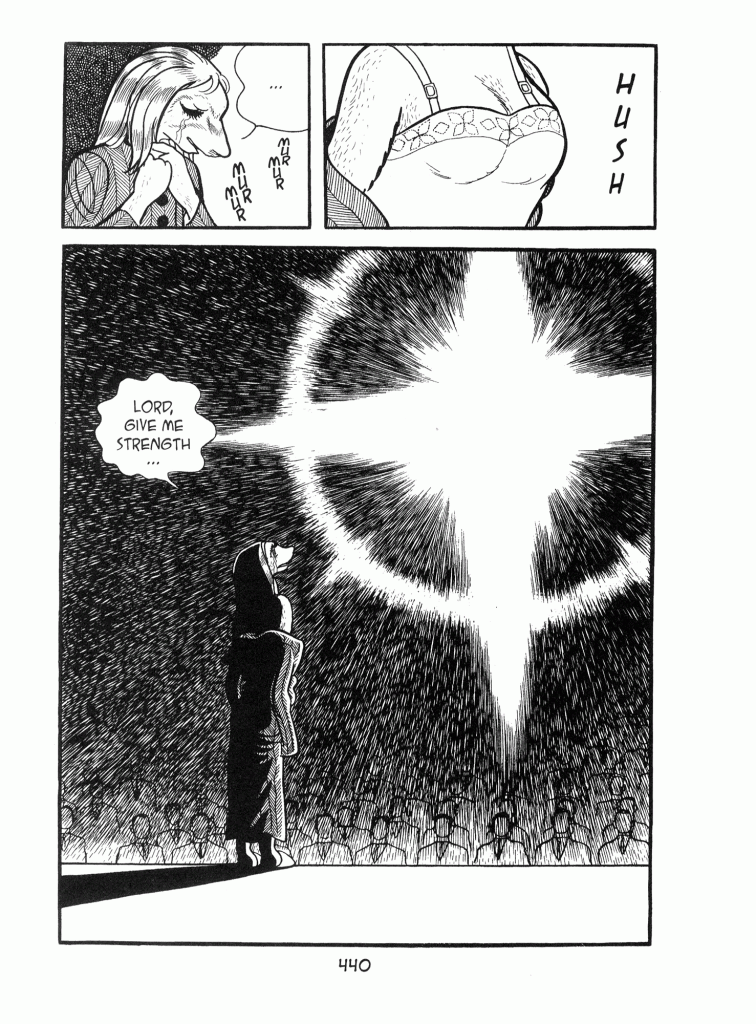
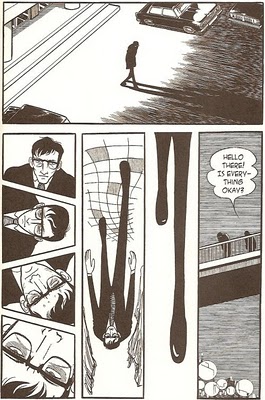
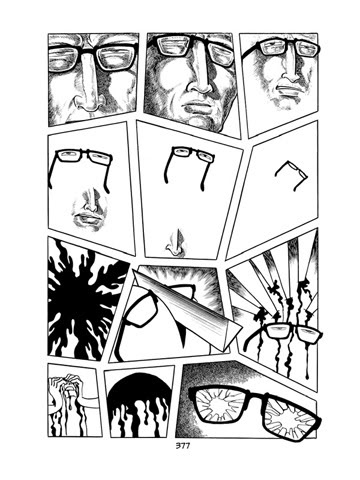
 “When he heard his cry for help, it wasn’t human” — so went the tagline for Ken Russell’s Altered States (1980), a bizarre fever-dream of Nietzchean philosophy, horror, and mystical hoo-ha in which a scientist’s experiments result in his spontaneous devolution. That same tagline would work equally well for Osamu Tezuka’s Ode to Kirihito (1970-71), a globe-trotting medical mystery about a doctor who takes a similar step down the evolutionary ladder from man to beast. In less capable hands, Kirihito would be pure, B-movie camp with delusions of grandeur — as Altered States is — but Tezuka synthesizes these disparate elements into a gripping story that explores meaty themes: the porous boundaries between man and animal, sanity and insanity, godliness and godlessness; the arrogance of scientists; and the corruption of the Japanese medical establishment.


