• Skip to primary navigation
  • Skip to main content
  • Skip to primary sidebar
  • Home
  • About Us
    • Privacy Policy
    • Comment Policy
    • Disclosures & Disclaimers
  • Resources
    • Links, Essays & Articles
    • Fandomology!
    • CLAMP Directory
    • BlogRoll
  • Features & Columns
    • 3 Things Thursday
    • Adventures in the Key of Shoujo
    • Bit & Blips (game reviews)
    • BL BOOKRACK
    • Bookshelf Briefs
    • Bringing the Drama
    • Comic Conversion
    • Fanservice Friday
    • Going Digital
    • It Came From the Sinosphere
    • License This!
    • Magazine no Mori
    • My Week in Manga
    • OFF THE SHELF
    • Not By Manga Alone
    • PICK OF THE WEEK
    • Subtitles & Sensibility
    • Weekly Shonen Jump Recaps
  • Manga Moveable Feast
    • MMF Full Archive
    • Yun Kouga
    • CLAMP
    • Shojo Beat
    • Osamu Tezuka
    • Sailor Moon
    • Fruits Basket
    • Takehiko Inoue
    • Wild Adapter
    • One Piece
    • After School Nightmare
    • Karakuri Odette
    • Paradise Kiss
    • The Color Trilogy
    • To Terra…
    • Sexy Voice & Robo
  • Browse by Author
    • Sean Gaffney
    • Anna Neatrour
    • Michelle Smith
    • Katherine Dacey
    • MJ
    • Brigid Alverson
    • Travis Anderson
    • Phillip Anthony
    • Derek Bown
    • Jaci Dahlvang
    • Angela Eastman
    • Erica Friedman
    • Sara K.
    • Megan Purdy
    • Emily Snodgrass
    • Nancy Thistlethwaite
    • Eva Volin
    • David Welsh
  • MB Blogs
    • A Case Suitable For Treatment
    • Experiments in Manga
    • MangaBlog
    • The Manga Critic
    • Manga Report
    • Soliloquy in Blue
    • Manga Curmudgeon (archive)

Manga Bookshelf

Discussion, Resources, Roundtables, & Reviews

vertical

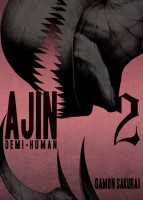
Ajin: Demi-Human, Vol. 2

February 20, 2015 by Ash Brown

Ajin: Demi-Human, Volume 2Creator: Gamon Sakurai
U.S. publisher: Vertical
ISBN: 9781939130853
Released: December 2014
Original release: 2013

I tend to enjoy darker-toned stories about immortals, so I wasn’t particularly surprised that I enjoyed the first volume of Ajin: Demi-Human. The manga series was conceived of by writer Tsuina Miura and artist Gamon Sakurai, but by the second volume it appears as though Sakurai has taken over the story of Ajin as well. (Although, it should be noted that Miura and Sakurai’s pilot chapter for Ajin, “The Shinya Nakamura Incident,” is also included in the series’ second volume.) Ajin: Demi-Human, Volume 2 was originally published in Japan in 2013 while the English-language edition of the manga was released by Vertical at the end of 2014. The first volume of the series established an intriguing premise—immortal beings, considered to be less than human, who are persecuted and subjected to cruel experiments—as well as an exceptionally dark atmosphere, and so I was particularly interested in seeing where Sakurai would take the story next.

Kei is on the run. Recently discovered to be an immortal demi-human—only the third to have been officially confirmed to exist in Japan—he is trying to avoid capture by the Demi-Human Control Commission and hoping to find allies in other immortals. When he is contacted by two rogue demi-humans, Sato (also known as “Hat”) and Tanaka, it seems as though Kei’s hopes have been answered, except for the small matter of the two men having taken his sister hostage. But with a little bit of effort and some unexpected theatrics, Sato is able to readily explain away the kidnapping and even manages to earn Kei’s trust in the process. Though Kei is unaware of it at the time, that misplaced trust will have severe repercussions for him. Sato and Tanaka are very interested in the young man. Not only is he a demi-human, just like the two of them Kei is a variant immortal capable of manifesting and controlling a black ghost. However, it is a power that he has yet to understand or to completely control.
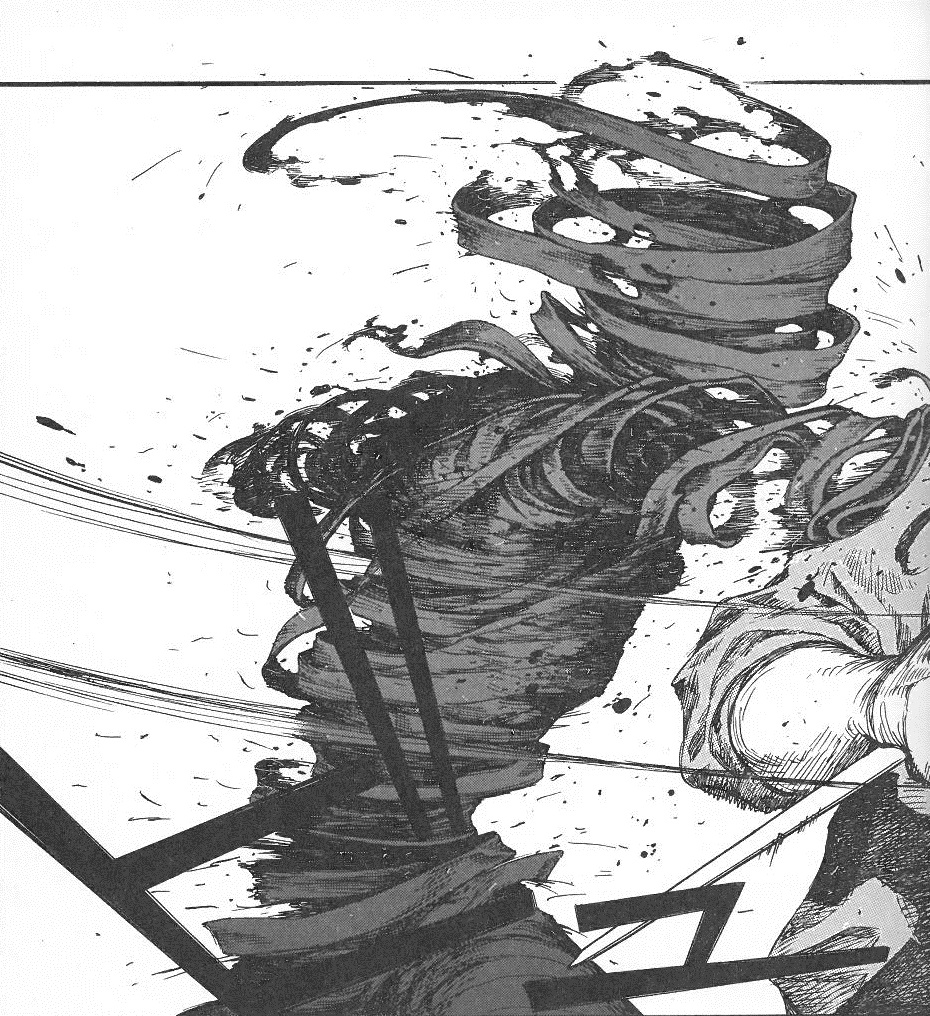
Ajin: Demi-Human, Volume 2, page 61Despite being a large focus of the first two volumes of Ajin and around whom much of the manga’s plot revolves, currently Kei is actually one of the least compelling characters in the series. The people and events surrounding Kei tend to be much more engaging. Sato in particular is a tremendous presence. It is easy to see why he instills such fear among those in the Demi-Human Control Commission—he cannot be controlled. Sato is a coldly calculating and ruthless strategist with extraordinary combat skills and the ability to manipulate both the people around him and the situations in which he finds himself. He is terrifyingly effective in the execution of his plans. At this point only some of those plans have been completely revealed, but it is obvious that Sato is willing to sacrifice anyone in order to accomplish them. In comparison, Kei seems to be incredibly weak-willed and naive, lacking a strong sense of self. Granted, almost anyone would when compared to Sato, but it’s also somewhat understandable since Kei’s entire worldview has been shattered. With his new-found immortality, he is still trying to understand who he is.

Ajin is a very dark and violent manga. The experiments carried out on the demi-humans are brutal and cruel. Generally, the most graphic moments are implied rather than seen, but that makes the torture no less disturbing. Demi-humans, especially those controlling black ghosts, are more than capable of fighting back, though. For example, Sato’s repeated attacks on research facilities associated with the Demi-Human Control Commission and his complete disregard for life are astonishing. Sakurai’s artwork is particularly effective during action sequences, of which there are plenty in the second volume of Ajin. The second volume also addresses some of the social issues surrounding demi-humans, in particular the fact that not everyone feels that demi-humans should be discriminated against just because they happen to be immortal. So far, Sakurai has been able to strike a good balance between the series’ intense action and horror and its exploration of deeper moral and ethical concerns. I’m certainly looking forward to seeing how the series continues to develop.
Filed Under: REVIEWS Tagged With: Ajin, Gamon Sakurai, manga, Tsuina Miura, vertical

Utsubora: The Story of a Novelist

January 30, 2015 by Ash Brown

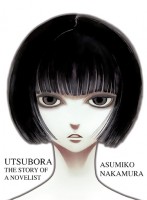
Utsubora: The Story of a NovelistCreator: Asumiko Nakamura
U.S. publisher: Vertical
ISBN: 9781935654766
Released: June 2013
Original release: 2010-2012

Although several of Asumiko Nakamura’s manga have been licensed for digital release, Utsubora: The Story of a Novelist is currently her only work that has been translated into English and made available in print. I truly hope it isn’t the last to be seen from her; although I was already familiar with Nakamura’s distinctive art style, Utsubora was my introduction to her manga and I loved it, and with each rereading love it even more. With the arrival of the Female Goth Mangaka Carnival, I was inspired to take another, deeper look at the manga. In Japan, Utsubora was a short, two-volume series published between 2010 and 2012. The English-language edition of the manga was released in 2014 by Vertical and collects the entire series in a single volume. Due to its mature themes and its erotic content, Utsubora is one of Vertical’s relatively few manga specifically intended for an audience of adults who are at least eighteen years of age.

Although Shun Mizorogi is still considered to be a successful and respected author, it has been quite some time since he has written anything of note. As a result, he has become withdrawn and is tormented by his lack of ability. Finally, his most recent work Utsubora shows great promise. A return to his roots as an author, Mizorogi has given his fans and critics what they have been waiting for. But when a young woman plummets from the top of a building to her death, the apparent suicide somehow connect to Mizorogi, the authorship of Utsubora begins to be called into question. Both Mizorogi’s close friend and fellow author Yatabe and his newly appointed editor Tsuji suspect something. Even Mizorogi’s niece Koyomi, who lives with and adores him, is able to recognize that her uncle has been behaving out of the ordinary. Utsubora and a young woman named Sakura Miki are the only remaining connections Mizorogi has to the death of Aki Fujino, and they are consuming him.

Utsubora is a dark and twisting tale. Nakamura’s distinctive artwork is exceptionally effective in adding to the manga’s moody, erotically charged, and slightly disconcerting atmosphere. The lines of her illustrations are very thin, creating at the same time a sense of sharpness and focus as well as a feeling of softness as they cut and curve across the page. Nakamura’s art in Utsubora is undeniably sensual and arresting. The eyes of her characters are particularly expressive and draw attention to themselves. The artwork of Utsubora, much like the manga’s story, can simultaneously be vaguely ominous and oddly beautiful. It’s really quite stunning and Nakamura is incredibly skilled. Through her artwork and through the body language of her characters, she is able to convey their uncertainties and their desires, their inner turmoil as well as their outward actions. Overall, Utsubora is an intense and even compelling work.

The plot of Utsubora is complex, the relationships and connections between the characters forming a tangled knot that is drawn tighter and tighter. The manga can be confusing and there is quite a bit of ambiguity that is never completely resolved. The only person who really understands everything that is going on is Sakura, and she is deliberately manipulating the situation, mixing together both truths and lies in order to influence those around her. She can’t control everything, though, and some matters in Utsubora are only tangentially related to what she is trying to accomplish. Although sometimes obscured by layers formed by the other characters’ personal struggles and pasts, the core of Utsubora is the despair surrounding Aki, Sakura, and Mizorogi. Granted, most of the characters are reaching their breaking points and are in danger of losing themselves completely; Aki’s death was simply the catalyst that triggered a dramatic sequence of events from which very few will emerge unscathed.

Filed Under: REVIEWS Tagged With: Asumiko Nakamura, manga, vertical

What Did You Eat Yesterday?, Vol. 5

January 11, 2015 by Ash Brown

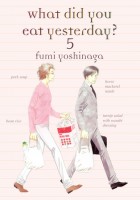
What Did You Eat Yesterday?, Volume 5Creator: Fumi Yoshinaga
U.S. publisher: Vertical
ISBN: 9781939130808
Released: November 2014
Original release: 2011

I have thoroughly been enjoying the English-language release of Fumi Yoshinaga’s manga series What Did You Eat Yesterday?. This probably shouldn’t be too much of a surprise since the series brings together so many of my loves and interests: manga, Fumi Yoshinaga, food, and queer life, just to name a few. What Did You Eat Yesterday?, Volume 5 was originally published in Japan in 2011 while the English translation of the volume was released by Vertical in 2014. Vertical made many fans of Yoshinaga, myself included, very happy when it licensed What Did You Eat Yesterday?, a somewhat niche title, but a series with the potential to appeal to a variety of audiences. Food and handsome gay men are common themes in many of Yoshinaga’s manga and are frequently even found within the same work, which is certainly the case with What Did You Eat Yesterday?. Though not my favorite Yoshinaga manga, it’s still a great series and one that I enjoy.

Food brings people together, sometimes in unanticipated ways. Shiro’s friendship with Kayoko, which started when they decided to split a watermelon that was on sale at the supermarket, has continued to deepen. Though they were once complete strangers, they have now become regular cooking buddies, sharing recipes and food. Her family likes Shiro as well, though at times he’s treated as something of a novelty simply because he’s gay. Kayoko’s husband even makes a point to introduce Shiro to a member of his tennis club, assuming they’ll get along well since Kohinata happens to be gay, too. They actually do, in an odd sort of fashion, and eventually Shiro, Kohinata, and Kenji and Wataru–their respective boyfriends–all end up sharing a meal together. In a roundabout sort of way, it’s thanks to that watermelon that they ever met. Food can help turn acquaintances into friends and can strengthen the existing bonds between family members as traditions are passed along from one person to the next.

One of my favorite chapters in What Did You Eat Yesterday?, Volume 5 was actually when Shiro visited his parents for the New Year holiday. For the most part, What Did You Eat Yesterday? is fairly episodic, although there is ongoing character development. However, Shiro returning home for the New Year celebration is a recurring event in the series which has already happened several times in the manga’s earlier volumes. Generally, there’s also some family drama involved with these visits. Shiro’s parents initially struggled when he came out to them, but it’s marvelously touching to see how much more accepting and even supportive they have become of their son’s homosexuality. There is a really wonderful scene with Shiro and his mother cooking together in the fifth volume of What Did You Eat Yesterday?. Sometimes the series’ focus on food feels completely separated from its story, but here it was a perfect combination, the cooking furthering the characters’ personal growth and connections.

While the food and recipes are prominent parts of What Did You Eat Yesterday?, not to mention some of the reasons that I enjoy the series, the characters and their relationships are just as important to the manga and are what really make it successful as a work. It makes perfect sense to me since I associate family with food, but family relations are a frequent focus in What Did You Eat Yesterday?, especially those between Shiro and his parents as well as those between Shiro and Kenji as they continue to make a life and home together. The fifth volume also reveals more about Kenji’s past and his own unfortunate family situation. What Did You Eat Yesterday? largely tends to follow Shiro and therefore not as much is known about Kenji, so I particularly appreciate when the story turns towards him for a time. Yoshinaga’s characters in What Did You Eat Yesterday?, are believable flawed and complex individuals with histories and subtle depth, making the series particularly gratifying.

Filed Under: REVIEWS Tagged With: fumi yoshinaga, manga, vertical, what did you eat yesterday?

Mobile Suit Gundam: The Origin, Vol. 7: Battle of Loum

December 5, 2014 by Ash Brown

Mobile Suit Gundam: The Origin, Volume 7: Battle of LoumCreator: Yoshikazu Yasuhiko
Original story: Yoshiyuki Tomino and Hajime Yatate

U.S. publisher: Vertical
ISBN: 9781939130679
Released: September 2014
Original release: 2011

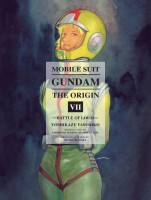
Battle of Loum is the seventh volume in Yoshikazu Yasuhiko’s manga series Mobile Suit Gundam: The Origin, a reimagining of the original 1979 anime series Mobile Suit Gundam which launched the massive Gundam franchise. The Origin provides an excellent entry point into the rather daunting Gundam universe for those who don’t know where to start with it. I’d even recommend the manga to readers who don’t have a particular interest in Gundam but who are looking for a great military science fiction series or space opera. Generally, I would consider myself a part of that latter group, though after reading The Origin I find that I am more curious about Gundam as a whole than I previously was. I have thoroughly been enjoying Vertical’s deluxe release of the The Origin which is based on the Japanese collectors’ edition. The seventh volume, originally published in Japan in 2011, was released in English in 2014 and includes additional commentary from Mamoru Nagano as well as the extra chapter “On the Eve” as bonus content.

After the Republic of Munzo declared itself the independent Principality of Zeon, political tensions continued to mount between it and the Earth Federation until an all-out war between the two groups ignited. Some of the other space colonies rally under Zeon’s flag, demanding their autonomy and freedom from the Federation’s rule. Others support the Federation and its efforts to keep humanity united. Neither side of the conflict is entirely in the wrong, but as the war continues so do the crimes against innocent civilians and colonists, many of which are manufactured by members of Zeon’s ruling House Zabi who would use the war for their own designs. There are warmongers to be found among the Federation’s ranks as well, though. But then Zeon does something unconscionable. Supposedly in an effort to end the war quickly and decisively, an entire space colony is crashed into the planet and the effects are devastating.

Battle of Loum recounts two of the most pivotal events of the war between the Federation and Zeon. The first chapter or so is devoted to the colony drop of Side 2 and the massacre of the colonists that precede its ultimate destruction. It is an appalling tragedy and the number of casualties is enormous, both of Side 2’s residents and the worldwide population of Earth. Yasuhiko’s stunning portrayal of the colony drop is extraordinarily effective. In addition to the showing astonishing damage inflicted, he explores the motivations behind it, the controversy and doubt surrounding the act, and how individuals respond and react to the plan and its execution. The colony drop is nothing short of an atrocity. It’s chilling to see the propaganda touting the glory of war contrasted with the very grim reality and horror of it all. The images of the colony breaking apart and smashing into Earth and the resulting devastation and loss of life are haunting.

As can be assumed by the title of the seventh volume, the Battle of Loum is the other major incident of the war upon which Yasuhiko turns his attention. Although the Federation has the advantage of numbers and resources, it is outmatched strategically and technologically as Zeon proves just how powerful and versatile the newly developed mobile suits can be. The Battle of Loum is a turning point in the war. Neither side comes out of it unscathed, but the Federation suffers a major defeat. The seventh volume of The Origin is very dramatic, with intense space battles and devious political machinations. There are those who honestly desire peace, but there are also those on both sides of the conflict who seek war. The inclusion of “On the Eve” brings the narrative full circle to the events that begin the series. The Origin is a magnificent piece of science fiction. It’s scope is epic, but Yasuhiko never forgets the very personal human drama that underlies it all.

Filed Under: REVIEWS Tagged With: Gundam, Hajime Yatate, manga, vertical, Yoshikazu Yasuhiko, Yoshiyuki Tomino

Ajin: Demi-Human, Vol. 1

November 12, 2014 by Ash Brown

Ajin: Demi-Human, Volume 1Author: Tsuina Miura
Illustrator: Gamon Sakurai

U.S. publisher: Vertical
ISBN: 9781939130846
Released: October 2014
Original release: 2013

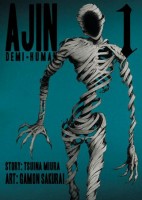
It was the cover art of Ajin: Demi-Human, Volume 1–a creepy image of disconcerting skeletal figure–that first sparked my interest in the series. When I learned that the manga was at least in part about immortals in addition to being fairly dark in tone, I knew that I wanted to read it. The exploration of immortality and its repercussions in fiction fascinates me. Series like Hiroaki Samura’s Blade of the Immortal and novels like Fumi Nakamura’s Enma the Immortal have actually been some of my favorite works of recent years. And so, I was very curious about Ajin. The first volume, written by Tsuina Miura and illustrated by Gamon Sakurai, was originally released n Japan in 2013. (Later volumes of the series are both written and illustrated by Sakurai.) The English-language edition of Ajin, Volume 1 was published by Vertical in 2014. The production values are particularly nice, with high-quality paper that really shows off Sakurai’s ink-heavy artwork.

Seventeen years ago, the first demi-human was discovered. Immortal, and perhaps something a little more, demi-humans are considered to be less than human–feared, despised, reviled, and subjected to horrific experiments in the name of science and for the advancement of humankind. Demi-humans seem to be rare, only forty-six have so far been identified, but that’s only because they appear to be normal humans, at least until they survive their first death. Most assumed Kei Nagai was an average high schooler, preoccupied with studying for his college entrance exams. But Kei’s hopes and dreams of becoming a successful doctor are shattered when he dies in a traffic accident, his body smashed into pieces. And then he comes back to life. Now he’s on the run, pursued by the general population, the police, the Demi-Human Control Commission, and even other demi-humans. His only ally is his friend Kai, who tries to help him escape, but that simply means that the two of them are in danger instead of Kei alone.

As in many other works about immortality, Ajin shows that living forever isn’t always something to be desired and can in fact bring a tremendous amount of pain and suffering. There’s the physical torment of death and injury in a body that revives again and again, but there’s also the mental and psychological damage to take into consideration as well. Kei has suddenly lost all of his rights as a person, he is being hunted as something not worthy of being human, his family and friends are filled with disgust towards him–of course this is going to have an impact on the young man. It would be exceedingly easy for him to lose his humanity or his sanity. Glimmers of those possibilities can be seen in the first volume of Ajin as Kei struggles to realign his worldview with his newfound reality. Granted, Ajin, Volume 1 largely focuses on the action surrounding Kei’s escape and explaining (not too subtly) the unusual abilities of the demi-humans. Not much character development has happened yet, but the potential is certainly there.

Ajin, Volume 1 is a good start to the series, though there is still room for improvement. In general, the artwork tends to be a little stronger than the writing at this point. The premise is interesting, and promising, but Sakurai’s illustrations are what really give Ajin its effectively dark atmosphere. Particularly chilling are the “black ghosts”–malignant extensions of the self capable of extreme violence which are able to be manifested and controlled by certain demi-humans. (That disconcerting figure from the cover? That’s a black ghost.) Humans are quite capable of shocking violence as well. Several examples of the gruesome experiments that have been conducted using demi-humans as test subjects are shown in Ajin, Volume 1. The methods are tortuous and the repeated deaths are cruel. So far, the only real difference between the two groups is that when bodies are mutilated or torn apart–which is not at all an uncommon occurrence in the first volume of Ajin–for better or for worse the demi-humans actually survive.

Filed Under: REVIEWS Tagged With: Ajin, Gamon Sakurai, manga, Tsuina Miura, vertical

Watch This Space!

October 6, 2014 by Katherine Dacey

If you’ve been a long-time MangaBlog reader, you may have noticed that posts have been a little sporadic lately. Brigid and I have teamed up to ensure that the blog is updated on a more regular basis. Over the coming weeks, we’ll be introducing a few new features. For those of you who read MangaBlog for Brigid’s impeccable news round-ups, fear not—those will continue to be our bread-and-butter. And for those of you who remember The Manga Hall of Shame with fondness, we’ll be flexing our reviewing muscles as well. Stay tuned!

On to the links…

Remember NETCOMICS? Back in 2006, NETCOMICS broke new ground by offering readers an inexpensive way to read manhwa and manga online. Print editions of its most popular series soon followed, though by 2009 NETCOMICS appeared to be a digital-only operation again. In 2013, NETCOMICS dipped its toes back into the print waters with a handful of BL titles. This month, the publisher will release Give to the Heart, a series about a handsome water god and his would-be human bride. (Hat tip to Lori Henderson.)

The folks at Vertical, Inc. address fan concerns about manga pricing with a refreshingly candid response.

Once again Attack on Titan dominates the New York Times’ Manga Bestseller list. You might be surprised to learn, however, that it’s the first volume of Titan that tops this week’s list, not the most recent—an impressive feat, considering that volume one was released in June 2012! Other titles making a strong showing include the latest installments of One Piece—now up to volume 72 in English—and Soul Eater.

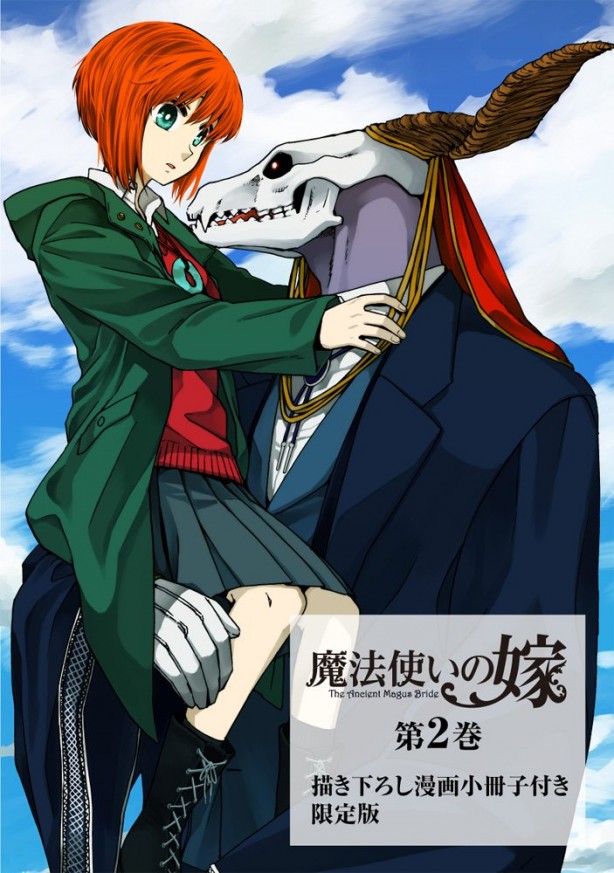
Volume 2 of The Ancient Magus' Bride, to be published by Seven Seas in 2015.

Volume 2 of The Ancient Magus’ Bride.

Seven Seas continues to unveil new licenses for 2015. Among the most promising are Nami Sano’s Haven’t You Heard? I’m Sakamoto, which documents the exploits of an impossibly cool teenager, and Kori Yamazaki’s The Ancient Magus’ Bride, which explores the relationship between a wizard and an orphan girl.

Erica Friedman posts her weekly round-up of yuri manga news.

Over at Heart of Manga, Laura makes an impassioned licensing plea for Ao Haru no Ride, a shojo series by Strobe Edge manga-ka Io Sakisaka. She also offers a brief run-down of all the series currently running in Bessatsu Friend magazine.

Headed to New York Comic Con this week? The New York Times revisits the first New York comics convention, which was held in 1964. Fun fact: Fantasy author George R.R. Martin—yes, that George R.R. Martin—attended.

Reviews: Shaenon Garrity jumps in the WABAC machine with a nostalgic look at Rumiko Takahashi’s short story anthologies Rumic Theater and One or Double. If you haven’t read them, her post may send you scurrying to eBay to scare up copies. Other reviews of note:

Allen Kesinger on vol. 1 of Doubt (No Flying No Tights)
Allen Kesinger on vol. 2 of Doubt (No Flying No Tights)
Marissa Lieberman on vol. 1 of Dragon Ball Full Color: Saiyan Arc (No Flying No Tights)
Sean Gaffney on vol. 1 of Durarara!! Yellow Scarves Arc (A Case Suitable for Treatment)
John Rose on vol. 34 of Fairy Tale (The Fandom Post)
Leroy Douresseaux on vol. 2 of Food Wars! (Comic Book Bin)
Kate O’Neil on vol. 3 of Gangsta (The Fandom Post)
Rebecca Silverman on vol. 1 of Honey Blood (Anime News Network)
Rebecca Silverman on The Man of Tango (Anime News Network)
Lori Henderson on vol. 1 of Moonlight Kreuz (Manga Xanadu)
Danica Davidson on vol. 1 of Noragami: Stray God for Hire (Otaku USA)
Jessica Chautin on Sakuran (No Flying No Tights)

Filed Under: MANGABLOG Tagged With: netcomics, Seven Seas, vertical

Attack on Titan: Before the Fall

October 3, 2014 by Ash Brown

Attack on Titan: Before the FallAuthor: Ryo Suzukaze
Illustrator: Thores Shibamoto

Translator: Ko Ransom
U.S. publisher: Vertical
ISBN: 9781939130860
Released: September 2014
Original release: 2011

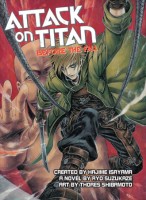
Hajime Isayama’s manga series Attack on Titan has become extraordinarily successful not only in Japan but worldwide as well. The series has inspired numerous manga spinoffs, anime, games, and more. Attack on Titan: Before the Fall is the first of three light novels written by Ryo Suzukaze and illustrated by Thores Shibamoto which serve as a prequel to Isayama’s original series. The second and third novels have been adapted as the manga series Attack on Titan: Before the Fall, illustrated by Satoshi Shiki, which is being released in English by Kodansha Comics. The first Before the Fall novel, however, was licensed and released by Vertical in 2014 with an English translation by Ko Ransom. Currently the novel, which was originally published in Japan in 2011, is chronologically the earliest story set in the Attack on Titan universe. I’m fascinated by the Attack on Titan phenomena and the large fanbase that it has developed, not to mention the series itself, so I was very interested in reading the Before the Fall prequel.

Angel Aaltonen may be young, but his ingenuity is impressive. A master craftsman, he and the others at the workshop he is a part of strive to design, create, and improve the weapons used in humanity’s fight for survival against the Titans. Except that Angel has never actually seen a Titan. Neither has most of the human population which seeks safety within a series of enormous walls. But while for a time they may be safe, they are also trapped by their own defenses. Only the members of the Survey Corps and Garrison forces have directly confronted the Titans, gigantic monstrosities that devour humans and bring destruction and terror. Even more dire is the fact no one knows how to stop or defeat the Titans. Angel and many others fear that one day the unthinkable will happen and the walls will fail. They are determined to discover the Titan’s weaknesses before that can happen, but the existing political and religious situation will make that prospect even more difficult than it already is to accomplish.

Most of the stories in Attack on Titan as a whole follow those characters who serve in the military–the people who are on the front lines directly fighting the Titans. Before the Fall, however, focuses on those who work behind the scenes to make those battles possible–the scientists, craftsmen, and engineers. (Granted, by the end of Before the Fall, Angel has become fairly hands-on himself.) It’s an interesting approach, giving a slight spin to an already familiar story, and one that I particularly liked and appreciated. Among other things, Before the Fall shows the development of some of the most iconic technology in Attack on Titan, the three-dimensional maneuvering gear. But as intriguing as the story is in Before the Fall, sadly the writing itself isn’t particularly engaging and the novel ends up being fairly slow going despite several intense action sequences. There were also a few frustratingly obvious oversights made by the characters; I found it difficult to believe that their logic would have been so flawed. Ultimately, I liked the premise of Before the Fall much more than its execution.

Although the writing might not be the best, where Before the Fall excels is in providing Attack on Titan with more thoroughly grounded worldbuilding, backstory, and lore. Suzukaze not only explores the development and creation of the equipment and weapons that will be used to fight the Titans, he also shows the beginning of the unrest between the general population, the military and government, and the religious cults and factions. There is enough of a basic introduction to the world that even readers who aren’t familiar with Attack on Titan should be able to easily follow Before the Fall, but the novel will appeal most to those who already know and enjoy the franchise. Before the Fall doesn’t tend to have the overwhelmingly bleak atmosphere of the original manga series, but it is still definitely a part of Attack on Titan, meaning that there are many casualties and several gruesome and horrifying turns of events. The air of dark mystery generally found in Attack on Titan remains in Before the Fall, as do the desperate punctuations of human hope and determination in the face of annihilation.

Filed Under: REVIEWS Tagged With: attack on titan, Light Novels, Novels, Ryo Suzukaze, Thores Shibamoto, vertical

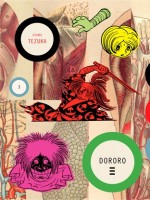
Dororo, Vol. 3

September 26, 2014 by Ash Brown

Dororo, Volume 3Creator: Osamu Tezuka
U.S. publisher: Vertical
ISBN: 9781934287187
Released: August 2008
Original run: 1968-1969
Awards: Eisner Award

Osamu Tezuka was an extraordinarily prolific and influential creator of manga and anime. So far, only a small fraction of his total output has been released in English. Out of those, one of my personal favorites is his short manga series Dororo. With yokai, an accursed swordsman, and the inclusion of historical elements, I can’t help but like Dororo. Although eventually releasing an omnibus containing the entire series, initially Vertical published Dororo in three separate volumes which earned an Eisner Award in 2009. Dororo, Volume 3, released in 2008, contains the portion of the series that was originally serialized in Japan between 1968 and 1969. It was also during that time period that Dororo went on hiatus. Tezuka abandoned the manga for a year, leaving it without an ending, before returning to it when the Dororo anime series began. The manga was then given a proper conclusion, albeit a much shorter one than was first envisioned. The finale admittedly ended up being a bit rushed, but I love Dororo anyway.

Chased by demons and in turn chasing them down, Hyakkimaru is slowly regaining his forty-eight missing body parts one at a time; each demon he defeats brings him closer to becoming whole. Often it’s not the terrifying supernatural beings that Hyakkimaru must really worry about, though. Humans–with all of their failings, greed, and lust for power–can be just as dangerous as any monster. Hyakkimaru’s father, who selfishly sacrificed his own son’s body in exchange for demonic aid, has become an oppressive warlord. Hyakkimaru isn’t the only one suffering because of his father’s ambitions. The country is being torn apart by war and it’s the farmers and commoners who are being forced to support and fight for leaders they didn’t choose. Dororo, Hyakkimaru’s young traveling companion, also has a family legacy left to deal with. The diminutive thief’s late father was a bandit who amassed a significant amount of wealth. The map to the location of his treasure was tattooed upon his child’s back and now Dororo is pursued by those who want the riches for their own corrupt purposes.

Dororo is one of Tezuka’s transitional works as he began to develop more mature, adult-oriented stories in contrast to his more lighthearted manga generally intended for younger audiences. Dororo addresses serious issues like war and discrimination, but it also incorporates charm, humor, and bittersweet joy. One particular bright spot to balance the darker elements of the series is the titular Dororo. The small thief has led a hard life and can empathize with others and their misfortunes, becoming an exuberant and enthusiastic champion for their causes, while somehow remaining optimistic and cheerful in the face of all the unfairness and tragedy. Hyakkimaru, on the other hand, has an even more dire past than Dororo and has grown weary of the injustices in the world. But the time Hyakkimaru has spent with Dororo as they travel across Japan has changed him. Dororo’s positivity has rubbed off on Hyakkimaru and he has come to care for the youngster immensely. Whether Hyakkimaru realizes it or not, he desperately needed someone like Dororo in his otherwise bleak life.

The relationship that develops between Hyakkimaru and Dororo is only one component of many that makes me appreciate what Tezuka is doing with the series, even if it did end up being truncated. I was initially drawn to Dororo because of Hyakkimaru’s horrifying origin story and his fight to regain what he lost, searching for somewhere to belong and wanting nothing more than to live in peace. His specific situation may be unique, but that desire to be accepted by others is nearly universal. I also liked the supernatural elements in Dororo and how Tezuka slowly shifts the focus of the series to issues more firmly based in reality. The demons and monsters never completely disappear from Dororo, but as the manga progresses the historical influences and more realistic aspects of the manga become increasingly prominent. Among other things, Tezuka’s artwork and storytelling in Dororo takes inspiration from traditional legends and tales, samurai films, and events from Japan’s Warring States period, but he also incorporates his own touches and imagination and pulls it all together in a way that only Tezuka can.

Filed Under: REVIEWS Tagged With: dororo, Eisner Award, manga, Osamu Tezuka, vertical

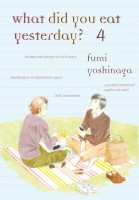
What Did You Eat Yesterday?, Vol. 4

September 19, 2014 by Ash Brown

What Did You Eat Yesterday?, Volume 4Creator: Fumi Yoshinaga
U.S. publisher: Vertical
ISBN: 9781939130792
Released: September 2014
Original release: 2010

With each new volume of Fumi Yoshinaga’s series What Did You Eat Yesterday? that is released in English, I seem to fall in love with the manga just a little more. What Did You Eat Yesterday? probably isn’t my favorite series by Yoshinaga, but I still enjoy the series immensely. Granted, What Did You Eat Yesterday? has a few things going for it that particularly appeal to me. First of all, I’m already a well-established fan of Yoshinaga’s work in general. I also happen to be a fan of food and food manga which What Did You Eat Yesterday? most definitely is. But perhaps most importantly, I appreciate the series’ realistic portrayal of a devoted gay couple and some of the issues that queer people face in contemporary Japan. Food and gay men are frequently found in Yoshinaga’s manga–often together for that matter–so it’s not a terribly surprising combination to see in What Did You Eat Yesterday?. I’m certainly not going to complain about it, though. The fourth volume of the What Did You Eat Yesterday? was published in Japan in 2010 before being released by Vertical in English in 2014.

Although he is a successful and respected lawyer, Shiro much prefers his time spent in the kitchen over his time spent at the office. Cooking has its challenges too though, like when Shiro’s boyfriend Kenji decides that they should have friends over for a dinner party rather than eating out. This solves the problem of Shiro’s constant worrying over being outed as gay while in public, but now he is left to fret over what to serve two men with very discerning palates. (Fortunately, Kenji is more than happy to eat whatever it is Shiro cooks up.) Every once in a while it’s actually Kenji who is set loose in the kitchen. Shiro is more particular when it comes to cooking and preparing meals so he’d much rather be the one in charge, but occasionally that’s just not possible. Kenji might not have the same confidence or natural flair that Shiro has for food, but he can still make a pretty good dish when he needs or wants to. From time to time even Shiro is faced with a technique that he hasn’t quite mastered yet. And so while cooking is often a way for Shiro to unwind, it can sometimes cause a bit of stress, too.

As always, food, it’s preparation, and the resulting recipes are all a major part of What Did You Eat Yesterday?. Some readers will find the minute details tedious, especially if they have no inclination or ability to actually try making any of the dishes, but those sections can easily be skimmed over or simply appreciated for Yoshinaga’s artwork. Her illustrations of food and cooking techniques are beautifully drawn and nearly photorealistic in many instances. Yoshinaga is able to convey a wide variety of textures which is especially important, and impressive, as she is working in black and white without the aid of color. But what particularly struck me about the cooking scenes in the fourth volume of What Did You Eat Yesterday? is how Yoshinaga skillfully captures the different moods pervading the kitchen through Shiro and Kenji’s body language and facial expressions: Shiro’s intense preoccupation when trying to put together the perfect meal, his gloom and frustration when something doesn’t turn out quite right, Kenji’s frenetic happiness when he gets a chance to take care of Shiro for a change, and so on.

Even though a fair amount of What Did You Eat Yesterday? is spent in the kitchen, Yoshinaga’s focus on the characters is a particularly important component of the manga. The series tends to be episodic from chapter to chapter, but growth and change can still be seen as Kenji and especially Shiro are further developed. The fourth volume of What Did You Eat Yesterday? shows Shiro struggling with his anxieties about still being partially in the closet, admiring and perhaps even envying how open, easygoing, and carefree Kenji is able to be about his sexuality. Kenji and their friends are exceptionally considerate and accommodating of Shiro’s fears, but those fears still understandably cause some tension in his relationships. Another interesting developement in this volume of the series is that both Shiro and Kenji at least temporarily become the confidants of their respective bosses who have a few family issues of their own to work out. While the food in What Did You Eat Yesterday? is appealing, it’s really these sorts of connections and moments between characters that make the series so engaging.

Filed Under: REVIEWS Tagged With: fumi yoshinaga, manga, vertical, what did you eat yesterday?

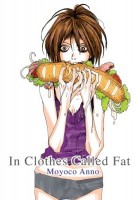
In Clothes Called Fat

August 1, 2014 by Ash Brown

In Clothes Called FatCreator: Moyoco Anno
U.S. publisher: Vertical
ISBN: 9781939130433
Released: July 2014
Original release: 2002

There is a select group of mangaka whose work I will buy without question or hesitation no matter what it is. Out of those creators, Moyoco Anno is one of my favorites. She works in multiple genres for multiple demographics and I have never failed to have been impressed by her manga. Anno’s work has been in print in English since 2003, first by Tokyopop and then followed by Viz Media and Del Rey Manga. Most recently, Vertical has been responsible for releasing more of Anno’s manga in English with superb editions of Sakuran, Insufficient Direction, and now In Clothes Called Fat. I was thrilled to learn that In Clothes Called Fat had been licensed. Collected in a single volume in Japan in 2002, the manga originally began serialization in 1997. Vertical published the English-language edition of In Clothes Called Fat in 2014, including a few pages of Anno’s color work which is always nice to see.

Noko Hanazawa is a young office worker under a fair amount of stress. She doesn’t get along very well with her coworkers and is frequently criticized by her superiors. There are, however, two things that bring uneasy comfort to Noko: Saito, her boyfriend of eight years, and food. Because Noko eats to alleviate her anxiety, she has also gained a significant amount of weight. Some of the other women in her office, especially Mayumi, bully her for being fat. Men either despise her or fetishize her because of how she looks. Noko eventually convinces herself that all of her unhappiness stems from being overweight and unattractive and that the only solution to her problems is to become skinny. While others urge her not to lose her fat, all for their own selfish reasons, Noko is determined to do anything she has to in order to drop pounds, exchanging one unhealthy relationship with food for another. Unfortunately, weight isn’t the only thing that Noko stands to lose in the process, something that she may only realize after the fact.

Obsession with appearance and the pursuit of happiness, identity, confidence, self-worth and self-esteem are all themes that frequently recur in Anno’s work. In some of her manga, such as Flowers & Bees, they are used for purposes of black comedy. While In Clothes Called Fat isn’t without humor–Vertical calls it a “dark comedy of manners,” which is very apt–Anno’s approach to the themes in the manga is more honest and bleak. It’s the brief moments of dark humor and slight absurdity that make the tragic tale bearable. In Clothes Called Fat is a tough read; there isn’t much happiness to be found in the story or its characters. However, the manga is an extraordinarily compelling and searing work. Noko and her struggles may be the focal point of In Clothes Called Fat, but she isn’t the only person in the manga who is forced to face some very harsh and hard truths about themselves and who they are as people. Some of them are able to eventually cope with reality while others will continue to try to live in denial.

As much as In Clothes Called Fat is about outward appearances, it’s even more about the characters’ internal turmoil and states of mind. Noko and the others use her weight as an excuse. She blames her unhappiness on her size and they torment her because of it, but that’s only an attempt to make themselves feel better and to assuage or avoid their own anxieties. The fixation on weight is merely a symptom of much more problematic underlying issues. Anno’s artwork in In Clothes called Fat emphasizes both the inner and outward conflicts of the characters. Backgrounds tend to be fairly minimal; the focus of the manga is very much on the people themselves: their facial expressions, their interactions with one another, and perhaps most importantly their body language. In Clothes Called Fat explores the extremes of ugliness and beauty, both physical and psychological, in appearance and in action. In Clothes Called Fat is a powerful work and easily one of the best manga–one of the best comics–that I’ve recently read. It can be uncomfortable, but it is also exceptional in its depth.

Filed Under: REVIEWS Tagged With: manga, Moyoco Anno, vertical

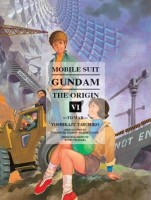
Mobile Suit Gundam: The Origin, Vol. 6: To War

July 25, 2014 by Ash Brown

Mobile Suit Gundam: The Origin, Volume 6: To WarCreator: Yoshikazu Yasuhiko
Original story: Yoshiyuki Tomino and Hajime Yatate

U.S. publisher: Vertical
ISBN: 9781939130204
Released: June 2014
Original release: 2010

While I don’t necessarily consider myself to be a fan of the massive Gundam franchise as a whole, I do think that it’s safe at this point to call myself a fan of Yoshikazu Yasuhiko’s manga series Mobile Suit Gundam: The Origin. This actually doesn’t surprise me too greatly as I already knew that I enjoyed other manga by Yasuhiko. The Origin is a retelling and expansion of the original 1979 anime series Mobile Suit Gundam which Yasuhiko also worked on. Part of The Origin was initially released in English by Viz Media, but the series is now being published by Vertical in a deluxe, hardcover format based on the Japanese collector’s edition of the manga. Mobile Suit Gundam: The Origin, Volume 6: To War was originally published in Japan in 2010 while the English translation was released in 2014. Due to licensing restrictions, the bonus content in this particular volume is fairly limited–only two color pieces by Yasuhiko, one of which is the basis for the cover art. Otherwise, To War easily meets the high standards of quality set by the previous volumes.

After the death of the anti-Federation leader Zeon Zum Deikun the political situation on Side 3 was thrown into turmoil as House Zabi and House Ral maneuvered for dominance. Caught up in the power struggle were Deikun’s two young children–Casval and Artesia–who ultimately were forced to live in exile, hiding who they really were. But now Casval has taken on another identity in order to seek his revenge against House Zabi, enrolling in Zeon Academy’s Space Force Officer Training School as Char. While at the academy he manages to befriend Garma, the youngest scion of House Zabi, the two of them becoming rivals in the classroom as well as out in the field. At the same time, tension continues to mount between Side 3 and the Earth Federation, the cries for independence growing louder and more violent. As the situation becomes more volatile all-out war between the two factions becomes increasingly more likely. House Zabi has already begun developing mobile suits for use in battle; the Federation is steadily falling behind technologically in the arms race which will determine the fate of humanity.

By this point in The Origin it has been well established just how incredibly capable Char is, both physically and mentally. He is extraordinarily calculating and a master manipulator, taking advantage of events as they develop and influencing the people around him, often without them realizing entirely what is happening. Char’s relationship with Garma is one of the main focuses of To War. Although it is already known that it will end very poorly for Garma, it’s interesting to see the complexities of their friendship–if that’s what it can really be called. There are moments in To War when Char seems to exhibit genuine kindness and affection towards Garma, but at the same time he never wavers from his ultimate goal and desire for revenge, aiming for the complete destruction of House Zabi. Perhaps what Char is really showing is arrogance and pity. Either way, the scenes are striking because there are no witnesses to Char’s actions; they serve as examples of the very few incidences in which Char’s behavior has not been carefully and completely crafted and calculated for a very specific purpose.

Though they are certainly an important part of The Origin, the developing relationship between Garma and Char and Char’s personal vendetta and war against House Zabi are actually small pieces of a much larger story. Yasuhiko’s multilayered approach to The Origin–showing how the private struggles of the individual characters dovetail with the more far-reaching events and the unstoppable progress of the war–is one of the things that makes the series so effective. In addition to the continued characterization, Yasuhiko also pays close attention to technological advances and weapons development in The Origin and what those mean for the impending war. To War also includes the first mobile suit battle between the Earth Federation and the Principality of Zeon, a critical turning point in its crusade for independence and domination. The gears of war will continue to turn and the personal and political machinations behind it will continue to advance in the next volume, Battle of Loum, as more is revealed about the characters and their pasts.

Filed Under: REVIEWS Tagged With: Gundam, Hajime Yatate, manga, vertical, Yoshikazu Yasuhiko, Yoshiyuki Tomino

What Did You Eat Yesterday?, Vol. 3

July 23, 2014 by Ash Brown

What Did You Eat Yesterday?, Volume 3Creator: Fumi Yoshinaga
U.S. publisher: Vertical
ISBN: 9781939130402
Released: July 2014
Original release: 2009

As a fan of Fumi Yoshinaga’s manga, food, and stories with a queer bent to them, I was extraordinarily happy when her series What Did You Eat Yesterday? was licensed for release in English. The third volume of What Did You Eat Yesterday? was originally published in Japan in 2009 while the English-language edition was released by Vertical in 2014. I have been thoroughly enjoying the series so far and its mix of gay slice-of-life and recipes, so I was very much looking forward to reading the third volume. Personally, I like the series best when Yoshinaga focuses on the characters, but I would be lying if I tried to say that I didn’t also like all of the food found in the manga, too. What Did You Eat Yesterday? is most effective when Yoshinaga is able to combine and balance those two major aspects of the series. The ideal balance isn’t always achieved, but even when it isn’t What Did You Eat Yesterday? always has intriguing characters, delicious food, and just the right touch of humor to accompany it all.

With his father recovering from an illness, Shiro finds himself spending more time with his family than he has in a long while. Though it’s better than when he first came out to them, his parents are still coming to terms with their son’s homosexuality and their relationship can sometimes be a little strained. Granted, some of that uncomfortableness has very little to do with the fact that Shiro is gay and more to do with the fact that the entire family is made up of people with strong personalities. While Shiro is out to his family and close friends, he’s still closeted at work which, along with his incredible self-consciousness, occasionally gets him into trouble. Things are a little easier for him at home in the kitchen where he can relax and focus on what he really loves: cooking gourmet meals on a tightly kept budget. His boyfriend Kenji, who is much more open about his own sexuality, is always an appreciative audience for Shiro’s meals. It’s a good thing, too. The two of them have been living together for a few years now and food usually helps to smooth over some of the bumps in their relationship.

Generally in What Did You Eat Yesterday? the kitchen is Shiro’s domain. Kenji will gladly help out when asked and given direction, acting as a sort of sous-chef, but for the most part it’s all Shiro. However, in the third volume Kenji gets to take the lead for a chapter while Shiro is off visiting his folks for the New Year. He makes instant ramen. (Granted, with a bunch of extra trimmings.) In a delightful twist, it’s treated in the manga as though he’s having an affair. Instant ramen actually happens to be one of my comfort foods, but I’ve only recently begun trying to dress it up a bit. In addition to the food and its preparation being sumptuously drawn, one of the great things about What Did You Eat Yesterday? (at least I think it’s a great thing) is that the recipes included in the stories are detailed enough that they can be followed and produce results. After only three volumes there are already plenty of recipes that I’m interested in attempting from the series. A variation on Kenji’s ramen has been added to that growing list.

Food is certainly an important part of What Did You Eat Yesterday?, but so are the characters and their relationships. Family is a particularly prominent theme in the third volume. Shiro is on fairly good terms with his parents, but very little is actually known about Kenji’s family at this point. It’s unlikely that the two of them will have their own kids which will have implications for them later in life, something that is made all the more clear as Shiro deals with his parents as they age. What Did You Eat Yesterday? has one of the most realistic portrayals of a devoted, long-term gay couple that I’ve encountered in a manga (or comics in general). Honestly, when it comes right down to it, Kenji and Shiro’s relationship isn’t all that dissimilar from the heterosexual couples in the series, though they do face some particular challenges unique to their situation. Like any pair, they have their disagreements and small spats, but they also care about each other a great deal. Shiro in particular isn’t always the most overtly demonstrative with his affection, but often it’s the little things that really make a relationship work.

Filed Under: REVIEWS Tagged With: fumi yoshinaga, manga, vertical, what did you eat yesterday?

What Did You Eat Yesterday?, Vol. 2

June 6, 2014 by Ash Brown

What Did You Eat Yesterday?, Volume 2Creator: Fumi Yoshinaga
U.S. publisher: Vertical
ISBN: 9781939130396
Released: May 2014
Original release: 2008

Fumi Yoshinaga’s series What Did You Eat Yesterday? is a manga which I have been hoping would be released in English for years. Happily, Vertical stepped up and recently began publishing the series. In addition to featuring a fairly realistic portrayal of a gay couple in contemporary Japan (two forty-something men who are living together), What Did You Eat Yesterday? also includes plenty of delicious food. I read and enjoyed the first volume a great deal and so was looking forward to reading the second as soon as I could get it into my hands. What Did You Eat Yesterday, Volume 2 was originally released in Japan in 2008 while Vertical’s English-language edition was published in 2014. The series is currently eight volumes long and is still being serialized, so I’m hoping and expecting to be able to enjoy the manga for some time yet. It makes me extraordinarily pleased to know that Vertical is releasing What Did You Eat Yesterday?. So far, the publisher has done a fine job with it.

Shiro Kakei and Kenji Yabuki have been living together for the last three years or so and have known each other for a little while longer than that. It’s an arrangement that works well for them. Shiro happily cooks the meals for the household while Kenji, unlike some of Shiro’s past flames, is more than willing to help out with the chores. Kenji also happens to be an appreciative audience for Shiro’s culinary creations. Shiro has a passion for food and derives great pleasure in preparing delicious meals as frugally as possible. Entire menus can be inspired by a single ingredient that just happens to be on sale at the time and he is very careful not to let anything go to waste. Granted, there seems to be only so many different ways for a person to use celery. But with a little help from his coworkers and friends, not to mention his natural creative talent in the kitchen, Shiro is usually able to figure something out. And generally Kenji doesn’t take too much convincing to happily eat whatever it is Shiro comes up with.

There are two major aspects to What Did You Eat Yesterday?: the characters and their lives, and the food itself. I feel the series does best when these two things are working in tangent to tell the stories, but quite frequently the meals and their preparation seem to be separate elements entirely. Shiro has the habit of narrating every step as he is cooking. This means that each chapter includes at least one recipe detailed enough that it could be replicated, but people who more interested in the manga’ stories will likely find it to be tedious. However, those sections can easily be skimmed by readers who don’t care for the cooking minutia without too much being lost from the narrative or plot of What Did You Eat Yesterday?. In general, Yoshinaga’s beautiful illustrations of the food and Shiro’s techniques are more than enough to follow along with what is happening in the kitchen. In some cases, the time spent and the complexities of the recipes are actually used make a point: the extra effort put into a meal imbues it with additional value and meaning for those preparing and eating it.

I do love the food in What Did You Eat Yesterday?, but I love the characters and the stories that Yoshinaga is telling even more. In this volume I was particularly delighted to learn how Shiro and Kenji first met and started living together. (One of my favorite moments is Shiro recognizing that Kenji’s not even his “type,” but that he is still incredibly lucky to have him.) I also appreciate how the two of them have important relationships outside of each other. Their friends, families, and coworkers all have their roles to play in the series. A major theme that becomes apparent in the second volume of What Did You Eat Yesterday? is communication. Usually it’s Kenji that needs to be verbally heard; Shiro tends to be more reserved, expressing himself more through his cooking than through words, but he knows when he needs it Kenji will be there to listen to him, too. I’m looking forward to learning more about the series’ characters and their relationships in the next volume of What Did You Eat Yesterday? immensely.

Filed Under: REVIEWS Tagged With: fumi yoshinaga, manga, vertical, what did you eat yesterday?

Mobile Suit Gundam: The Origin, Vol. 5: Char & Sayla

May 30, 2014 by Ash Brown

Mobile Suit Gundam: The Origin, Volume 5: Char & SaylaCreator: Yoshikazu Yasuhiko
Original story: Yoshiyuki Tomino and Hajime Yatate

U.S. publisher: Vertical
ISBN: 9781939130198
Released: March 2014
Original release: 2009

My knowledge of and exposure to the massive Gundam franchise has admittedly been limited, but so far Yoshikazu Yasuhiko’s manga series Mobile Suit Gundam: The Origin has easily been my favorite work to come out of it. The manga is a retelling of the original 1979 anime series, with which Yasuhiko was also involved, and will soon have its own anime adaptation as well. Part of The Origin was initially published in English by Viz Media, but now the series is being released by Vertical. Based on the Japanese collector’s edition, Vertical’s release of The Origin is of very high quality, making the manga one of the best-looking comics currently being published in English. Mobile Suit Gundam: The Origin, Volume 5: Char & Sayla was originally released in Japan in 2009 while Vertical’s edition was released in 2014. The bonus content collected in this particular volume of The Origin includes an essay by Yasuhiko explaining why he chose to delve so deeply into some of the characters’ backstories as well as an amusing short manga by Koji Kumeta, the creator of Sayonara, Zetsubou-Sensei.

Nine years before the Republic of Zeon began its war of independence from the Earth Federation, before the republic even existed, the charismatic anti-Federation leader of the Munzo space colony on Side 3, Chairman Zeon Zum Deikun, was assassinated. Said to have been coordinated by the Federation, Deikun’s assassination may have actually been the work of House Zabi, another family vying for control in Munzo. Deikun’s death ignites a vicious power struggle between House Zabi and House Ral, the allies of House Deikun and of the chairman’s young son and daughter Casval and Artesia. For their protection, and with great effort, the children are separated from their mother and smuggled off of Side 3. The chaos surrounding the death of their father and their escape leaves neither one of them untouched and they must grow up far too quickly, navigating hostile political machinations and surviving multiple attempts on their own lives.

I won’t lie–Char is one of my favorite characters in Gundam and so I was very happy to see Yasuhiko thoroughly address his past in Char & Sayla. The volume explores his formative years and how Casval comes to be Char, one of Zeon’s most formidable, and manipulative, commanders. Even as a child he is extraordinarily intelligent, perceptive, fearless, and cunning. The turmoil of his childhood, which forces him to fight for his own life and for the life of his younger sister, awakens his potential and hones his natural talents even further. Ultimately he is driven to seek revenge against House Zabi for the destruction of his family. He is willing to do anything that is required of him to attain this goal, readily using and sacrificing the lives of those around him to achieve his vendetta. The transformation of Casval into Char is a tragic and terrifying one. He and Artesia, who will become Sayla and eventually join the Federation’s forces, have no chance of ever having an innocent childhood.

While Char and Sayla’s story is a very personal one it is only a small part of the greater whole of The Origin. One of the things that Yasuhiko does best with this series is develop the characters as individuals while showing how the roles that they play affect the overall direction of the story. While Casval is fighting his own battles, the tension between Zeon and the Federation continues to mount, something that has an impact on everyone, even those who are only tangentially involved. House Zabi is gaining more and more control, but there is some dissension among its ranks. With these internal conflicts, its rise to power isn’t a smooth one. War is coming and it doesn’t seem to be avoidable–or at least it is already known by the readers that it couldn’t be, or wasn’t, stopped. Char & Sayla gives Yasuhiko the opportunity to explore the past of the characters, some of whom won’t survive the upcoming conflict, as well as the chance to examine the history and precursors of the war itself.

Filed Under: REVIEWS Tagged With: Gundam, Hajime Yatate, manga, vertical, Yoshikazu Yasuhiko, Yoshiyuki Tomino

What Did You Eat Yesterday?, Vol. 1

April 23, 2014 by Ash Brown

What Did You Eat Yesterday?, Volume 1Creator: Fumi Yoshinaga
U.S. publisher: Vertical
ISBN: 9781939130389
Released: March 2014
Original release: 2007

I have been a fan of Fumi Yoshinaga and her work for quite some time now. English-language readers have been fortunate in that so many of her manga have been translated. I and many others were very excited when Vertical announced the license of her series What Did You Eat Yesterday?, a series that I have been hoping would be picked up for years. The first volume was one of the manga releases that I was most looking forward to seeing in 2014. What Did You Eat Yesterday?, Volume 1 was originally published in Japan in 2007; I am thrilled that it is now available in English. There were several reasons why I was particularly interested in reading What Did You Eat Yesterday?. It’s by Yoshinaga, from whom I’ve come to expect great stories and complex characters. The series is also a food manga, a niche that I am known to enjoy. (Actually, food often plays an important role in Yoshinaga’s manga.) And I was especially interested in the incorporation of contemporary Japanese gay life in What Did You Eat Yesterday?–the two main characters are boyfriends in their forties who live together.

Shiro Kakei is a successful lawyer at a small firm, but his real passion is food. He’s a great cook, and an extremely frugal one, too. Kakei simply enjoys a good meal. The palate of his boyfriend Kenji Yabuki, a flamboyant hairstylist, isn’t nearly as refined as Shiro’s but he certainly appreciates his partner’s creativity in the kitchen. The two of them have been dating for three years, so their relationship is well established, but they still face some challenges. Although both of their families know that they are gay, Shiro prefers to be much more discreet about his homosexuality when dealing with his coworkers and strangers. Kenji, on the other hand, is happy to have a chance to brag about his boyfriend. And just because they’ve been together for so long doesn’t mean that they don’t have to deal with old flames and jealousy. But at least they can always depend on delicious cuisine to help smooth over the bumps in their relationship.

The food in What Did You Eat Yesterday?, both the description of the meals and the care that Yoshinaga has put into drawing them, can be mouth-watering. Even the most simple dishes are beautifully portrayed, in part because food is so important to Shiro and he puts time and effort into its preparation, but also because Yoshinaga shares that same passion. There is enough instruction in What Did You Eat Yesterday? that adventurous readers could easily duplicate the featured recipes. However, the food in What Did You Eat Yesterday? works best when it is directly tied into the manga’s plot and story. Occasionally that ideal balance is missing in the first volume. The meals, while lovely, can from time to time feel tangential, almost as if there are two different manga sharing the same series–one focusing on food and one focusing on people.

I do enjoy the food and the important role that it plays in What Did You Eat Yesterday?, but in the end I’m even more interested in the characters, their relationships, and their lives. Shiro and Kenji make an intriguing couple. Out of the two of them, Shiro is the least secure with who he is and is very concerned with keeping up appearances. He comes across as very brusque and some find him unlikeable as a result, but it’s a defense mechanism. Kenji seems to be much more comfortable with himself. The two of them aren’t frequently affectionate, at least not overtly so, but they do care about each other. It can be seen in the little things that they do–such as simply offering to carry a heavy bag–and in their more subtle interactions. Shiro often tries to smooth over arguments and hurt feelings the best way he can: through cooking. And that’s one of the things What Did You Eat Yesterday? does best–showing how people connect and communicate through food.

Filed Under: REVIEWS Tagged With: fumi yoshinaga, manga, vertical, what did you eat yesterday?

  • « Go to Previous Page
  • Page 1
  • Page 2
  • Page 3
  • Page 4
  • Interim pages omitted …
  • Page 7
  • Go to Next Page »
 | Log in
Copyright © 2010 Manga Bookshelf | Powered by WordPress & the Genesis Framework