• Skip to primary navigation
  • Skip to main content
  • Skip to primary sidebar
  • Home
  • About Us
    • Privacy Policy
    • Comment Policy
    • Disclosures & Disclaimers
  • Resources
    • Links, Essays & Articles
    • Fandomology!
    • CLAMP Directory
    • BlogRoll
  • Features & Columns
    • 3 Things Thursday
    • Adventures in the Key of Shoujo
    • Bit & Blips (game reviews)
    • BL BOOKRACK
    • Bookshelf Briefs
    • Bringing the Drama
    • Comic Conversion
    • Fanservice Friday
    • Going Digital
    • It Came From the Sinosphere
    • License This!
    • Magazine no Mori
    • My Week in Manga
    • OFF THE SHELF
    • Not By Manga Alone
    • PICK OF THE WEEK
    • Subtitles & Sensibility
    • Weekly Shonen Jump Recaps
  • Manga Moveable Feast
    • MMF Full Archive
    • Yun Kouga
    • CLAMP
    • Shojo Beat
    • Osamu Tezuka
    • Sailor Moon
    • Fruits Basket
    • Takehiko Inoue
    • Wild Adapter
    • One Piece
    • After School Nightmare
    • Karakuri Odette
    • Paradise Kiss
    • The Color Trilogy
    • To Terra…
    • Sexy Voice & Robo
  • Browse by Author
    • Sean Gaffney
    • Anna Neatrour
    • Michelle Smith
    • Katherine Dacey
    • MJ
    • Brigid Alverson
    • Travis Anderson
    • Phillip Anthony
    • Derek Bown
    • Jaci Dahlvang
    • Angela Eastman
    • Erica Friedman
    • Sara K.
    • Megan Purdy
    • Emily Snodgrass
    • Nancy Thistlethwaite
    • Eva Volin
    • David Welsh
  • MB Blogs
    • A Case Suitable For Treatment
    • Experiments in Manga
    • MangaBlog
    • The Manga Critic
    • Manga Report
    • Soliloquy in Blue
    • Manga Curmudgeon (archive)

Manga Bookshelf

Discussion, Resources, Roundtables, & Reviews

Classic Manga Critic

The Best and Worst Manga of 2015

January 6, 2017 by Katherine Dacey

After a two-year hiatus from blogging, I donned my critic’s cap again in 2015. I’ve enjoyed writing my quasi-weekly column, but composing a year-end list reminded me why I stepped off the reviewing treadmill in 2012: mediocre books! This year yielded a veritable bumper crop of so-so manga, titles that were competently executed but otherwise unmemorable thanks to an abundance of generic characters, cliché settings, and predictable plot twists; you’d be forgiven for feeling that you’d read many of 2015’s debuts before, even if the artists were new to the US market.

Lurking among the paint-by-number romances and boy-saves-world titles, however, were a few gems. I’ve done my best to highlight the titles that made me feel something, whether that feeling was love, hate, or a mixture of both. To that end, I’ve included my nominees for the worst manga of 2015 alongside the books that made me laugh and cry.
Yowamushi-Pedal-Volume-1Best New Series: Yowamushi Pedal
By Wataru Watanabe • Yen Press
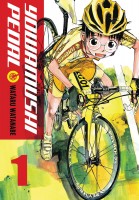
You know the rap on sports manga: American readers won’t buy it, and don’t like it. Yowamushi Pedal might just change that, however, thanks to a story that plays well across the nerd-jock divide. Onoda, the hero, is a self-professed otaku whose weekly bike rides into Akihabara have transformed him into a secret Lance Armstrong clone. Though Onoda wants to revive his school’s anime club, his amazing hill-climbing skills and stamina get noticed by more seasoned riders, all of whom convince Onoda to join the cycling team. The series’ races are nail-biting, page-turning affairs, but it’s the in-between stuff that makes Yowamushi Pedal work. Onoda doesn’t just discover a new skill; he discovers a community of people who share his passion for riding and respect his talent. In short, Yowamushi Pedal is a coming-of-age story in which a bike becomes the nerdy hero’s vehicle—pun intended—for self-actualization.
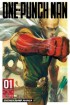
One-Punch ManBest New Shonen Series: One-Punch Man
By ONE and Yusuke Murata • VIZ Media
One-Punch Man is the ultimate have-your-cake-and-eat-it-too manga. On the surface, it’s an affectionate spoof of shonen clichés that pokes fun at goofy costumes, over-the-top training sessions, and speech-prone villains. On a deeper level, however, One-Punch Man is a great adventure series about an ordinary but strong-willed individual who sets out to rid his city of monsters, only to discover that there’s a much greater threat to mankind than the lobster-men and were-lions that roam the streets. The result is a sincere, gut-bustingly funny manga that reads like a Silver Age superhero comic, splats and all.
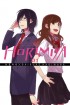
Horimiya_cover1Best New Romance Manga: Horimiya
By Hero and Daisuke Hagiwara • Yen Press
Horimiya is one of 2015’s most pleasant surprises, a teen rom-com that avoids cliché situations by focusing on the characters’ lives outside school. At first glance, its lead characters look like opposites: Kyouko is the class queen, while Izumi is a quiet loner. When they bump into each other off campus, however, they quickly realize they have more in common than their carefully constructed identities would suggest–a realization that leads to friendship and flirtation. In less imaginative hands, Kyouko and Izumi’s budding romance would be subjected to endless tests–school plays, beach trips, hot transfer students–but the authors resist the urge to trot out these over-used scenarios, relying instead on more ordinary settings for comedic (and dramatic) grist. It’s the perfect antidote to the wacky misunderstandings that drive the plots of Cactus’ Secret, Special A, and a dozen similar titles.
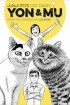
Cat_DiaryBest New Gag Manga: Junji Ito’s Cat Diary: Yon & Mu
By Junji Ito • Kodansha Comics
Draw a Venn diagram that shows the overlap between Junji Ito fans and cat lovers, and you’ve found the small but perfect audience for Junji Ito’s Cat Diary, a collection of anecdotes about Ito’s beloved pets Yon and Mu. Though the manga’s jokes explore familiar terrain, Ito’s exaggerated reaction shots are priceless, capturing the mixture of love and disgust that cats inspire in their owners. (Imagine Edvard Munch drawing a gag manga about cats, and you get the general idea.) Ito is refreshingly honest about the way animals change the dynamic between people, too; in some of the manga’s most memorable scenes, Ito and his fiancée compete fiercely for their cats’ affection, plying Yon and Mu with toys, treats, and cuddles. Though the prevailing tone is campy, Ito’s obvious affection for his cats helps prevents the Diary from becoming too arch.

ludwig_kansiBest Historic Title: Ludwig B.
By Osamu Tezuka • DMP, Inc.
Left unfinished at the time of Osamu Tezuka’s death, Ludwig B. is a fictionalized biography of Beethoven. Tezuka only completed two volumes, but oh, those two volumes! Tezuka draws evocative scenes of Beethoven at the keyboard, using striking visual metaphors to convey the sound of Beethoven’s music. Tezuka also does a good job of capturing the dynamic between Beethoven and his father, revealing the extent to which Johann’s drinking, gambling, and stage-parenting cast a long shadow over Beethoven’s adult life. Purists should note that Tezuka takes frequent liberties with the historical record, creating a mustache-twirling villain named Franz Kreuzstein to serve as a foil for the young, determined Beethoven. If you’re not offended by such creative license, however, Ludwig B. offers an interesting glimpse into Beethoven’s development as a composer, and Tezuka’s lifelong fascination with Beethoven.
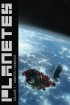
planetesBest Reprint Edition: Planetes
By Makoto Yukimura • Dark Horse
Listen up, manga publishers: if you’re going to do a new edition of a fan favorite, Dark Horse’s two-volume omnibus of Planetes is a swell example of how to do it right. The story has a crisp new translation, full-color pages, and a bigger trim size that gives Makoto Yukimura’s artwork room to stretch out. Better still, the new edition collects more chapters in each volume, allowing newcomers to read far enough into Planetes for Yukimura’s episodic character studies to gel into a more coherent story about space travel and social inequality; by the time newbies reach the end of volume one, they’ll be hooked, too.
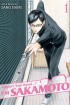
sakamotoBest Manga I Thought I’d Hate: Haven’t You Heard? I’m Sakamoto
By Nami Sano • Seven Seas
In theory, Haven’t You Heard? I’m Sakamoto is a one-note samba: the titular character is handsome, good at everything, and unfailingly logical in all situations. In practice, however, Haven’t You Heard? is the Goldberg Variations of gag manga, taking stock scenes and putting a bizarre twist on them. The secret? Sakamoto is just a little too perfect, behaving more like a well-programmed android than a flesh-and-blood person. His peculiar brand of sangfroid confounds enemies and admirers alike; no one can decide if he’s cool or crazy, or where his loyalties might lie, making it impossible to predict how he’ll respond to each new challenge.
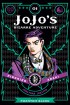
jojo_phantom_blood1Worst Manga I Thought I’d Love: JoJo’s Bizarre Adventure, Part 1: Phantom Blood
By Hirohito Araki • VIZ Media
At the risk of becoming the Armond White of manga critics, I’m nominating Hirohito Araki’s bone-crunching, chest-thumping saga for Most Exhausting New Series of 2015. That’s because Phantom Blood is a prime example of all-caps theater, the sort of manga in which every word balloon is filled with emphatic punctuation, and every plot twist seems like the brainchild of six teenage boys hopped up on Mountain Dew. In small doses, this more-is-more approach to storytelling can be amusing, but in longer installments, the cumulative effect of so much narrative excess is numb resignation; I didn’t feel entertained so much as punched in the face. (Reviewed at Manga Blog on 5/22/15.)
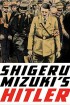
mizuki_hitlerMost Disappointing Manga: Shigeru Mizuki’s Hitler
By Shigeru Mizuki • Drawn & Quarterly
Shigeru Mizuki’s Hitler is one of the artist’s lesser works, uncomfortably see-sawing between character study and history lesson in its efforts to show us the man behind the Third Reich. Mizuki’s signature blend of cartoonish figures and photo-realistic backgrounds have been deployed to powerful effect in Non Non Ba and Onwards Towards Our Noble Deaths. Here, however, Shigeru’s hybrid style is a poor match with the subject; seeing Hitler reduced to a crude caricature makes it all too easy to view the book as a curiosity, rather than a serious meditation on evil. The virtual absence of the Holocaust is an even greater shortcoming; Shigeru Mizuki’s Hitler never grapples with the Fuhrer’s most disturbing legacy save for one blurry image of stacked corpses. Perhaps Mizuki felt the subject was too complex to explore in this biography, but it’s hard to imagine any dramatization of the Fuhrer’s life that fails to examine his virulent anti-Semitism.

* * * * *

So what are other folks saying about 2015’s best titles? My Manga Bookshelf colleagues just posted their Pick of the Year, with Ash Brown posting a separate, more detailed run-down of his favorite titles at Experiments in Manga. At the B&N Sci-Fi & Fantasy Blog, Brigid Alverson has posted separate lists for her favorite new and continuing series.

This article originally appeared at MangaBlog on December 30, 2015.
Filed Under: Classic Manga Critic, Manga, Manga Critic, Recommended Reading Tagged With: BEST MANGA, Dark Horse, DMP, Drawn & Quarterly, Osamu Tezuka, Seven Seas, VIZ, yen press

Short Takes: Deadman Wonderland and Livingstone

January 6, 2017 by Katherine Dacey

The November release of Jinsei Kataoka and Tomohiro Maekawa’s Livingstone provided me a nifty excuse to try Deadman Wonderland, an earlier series written and illustrated by Katoaka. Fans of Deadman Wonderland may know its complex licensing history here in the US: Tokyopop was its first publisher, releasing five volumes before going bankrupt in 2011. VIZ acquired the series in 2013, and is now just two volumes shy of the series’ grand finale, which arrives in February 2016.

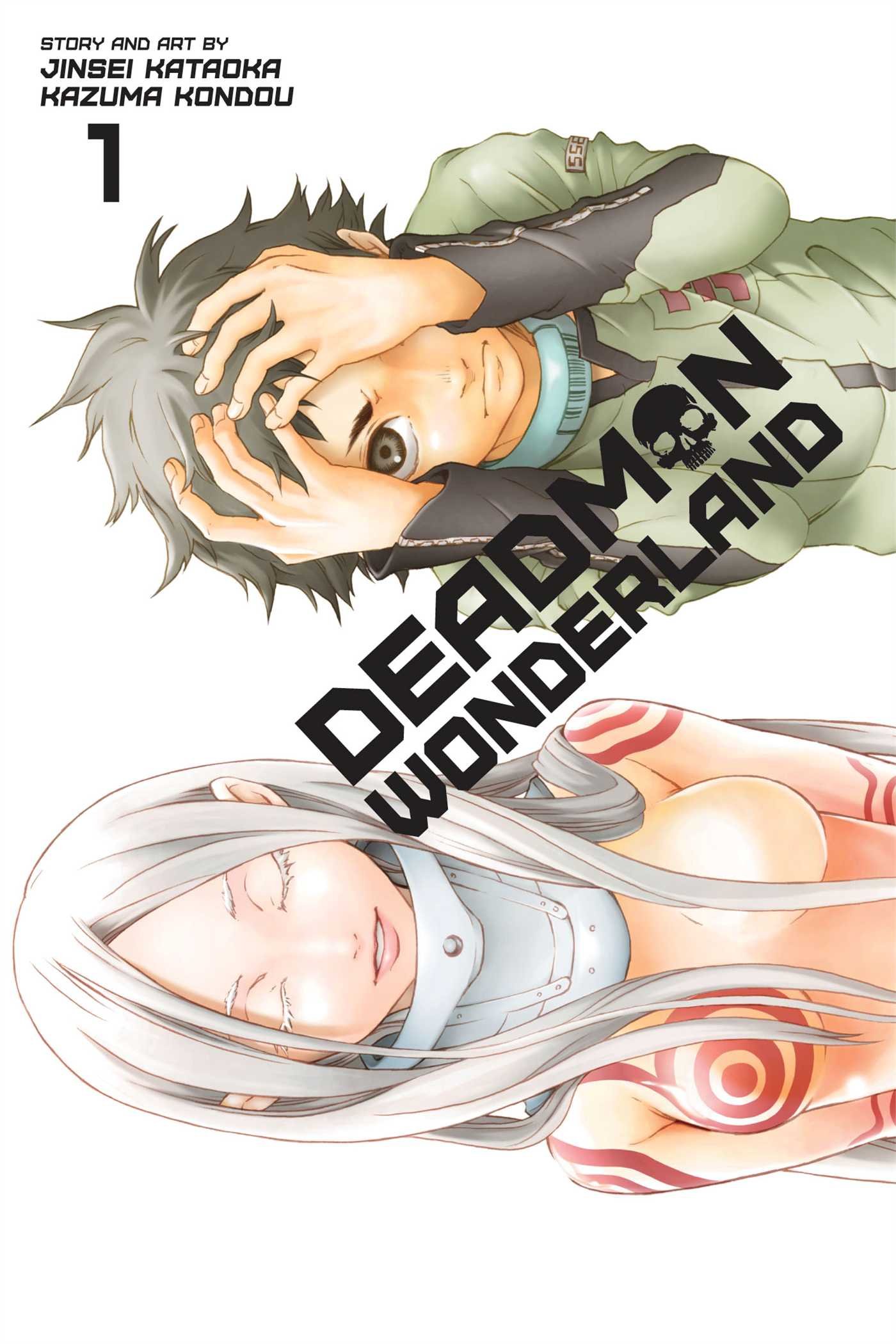
deadman_wonderland1Deadman Wonderland, Vol. 1
Story & Art by Jinsei Kataoka and Kazuma Kondou
Rated T+, for Older Teens
VIZ Media, $9.99

In the not-so-distant future, visitors flock to Deadman Wonderland, a prison-cum-theme park in Tokyo Bay where inmates fight to the death in front of paying crowds. Our guide to this Roman circus is newly minted prisoner Ganta Igarashi, an ordinary fourteen-year-old who’s been wrongfully convicted of murdering his classmates. Ganta’s fundamental decency is challenged at every turn; try as he might to cling to his humanity and clear his name, the prison’s arbitrary rules and roving gangs make it hard to be principled.

From my thumbnail description, you might conclude that Deadman Wonderland was cobbled together from parts of Judge Dredd, Rollerball, and Escape from New York–and you wouldn’t be wrong. What prevents Deadman Wonderland from reading like Rollerball 2: The Revenge is imaginative artwork. Jinsei Kataoka and Kazuma Kondou have created a Bizarro World Disneyland with rides, concessions, grinning animal mascots, and attractions like the Happy Dog Run, a lethal obstacle course featuring swinging blades and spike-filled pits. The characters who inhabit this landscape are a motley crew: though some telegraph their bad-guy status with tattoos and goofy haircuts, there are enough ordinary-looking prisoners that it’s impossible to judge who’s trustworthy. That uncertainty creates a strong undercurrent of tension in every scene, making Ganta’s routine activities–a conversation in the bathroom, a trip to the cafeteria–as fraught with peril as an actual contest.

The manga’s other great strength is pacing. Kataoka and Kondou resist the temptation to dole out too much information in the first volume; we’re never more than a clue or two ahead of Ganta, though perceptive readers may finish volume one with some notion of the prison’s true purpose. The authors’ expert timing also prevents us from dwelling on the story’s most shopworn elements, instead focusing our attention on how Ganta responds to new characters and new challenges.

All of which is to say: Deadman Wonderland is more fun than it has any right to be, considering the high body count and recycled plot points. Count me in for the next twelve volumes!

The verdict: Great art, smart pacing, and an appealing lead character make Deadman Wonderland a winner. (A note to parents, teachers, and librarians: this manga’s rating is justified.)

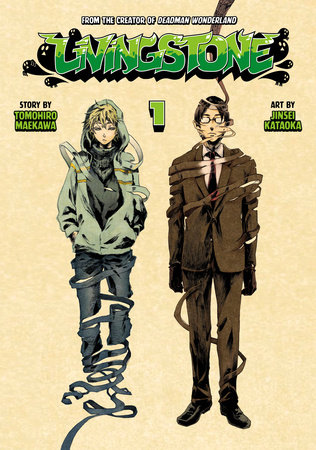
livingstoneLivingstone, Vol. 1
Story  by Tomohiro Maekawa, Art by Jinsei Kataoka
Rated 16+
Kodansha Comics, $10.99

Livingstone is a handsomely illustrated bore, the kind of manga in which the writer has dressed up a simple concept with a profusion of fussy details that don’t add depth or interest to the story. The title refers to human souls–or, more accurately, the rock-like form that human souls take after a person dies. Sakurai and Amano, the manga’s protagonists, work together to harvest livingstones, thus ensuring that a soul is properly passed from one person to the next. If a person dies before his appointed time, however, his soul curdles into a gooey blob of bad juju.

The manga has the rhythm of a cop show: in each chapter, Sakurai and Amano solve or prevent one unscheduled death, usually by negotiating with someone who’s planning to kill himself. Livingstone‘s intense fixation on suicide is off-putting; none of the would-be victims are particularly sympathetic, and Sakurai and Amano’s ministrations are so tone-deaf that it’s hard to know what message author Tomohiro Maekawa is hoping to impart to readers. Sakurai and Amano’s antagonistic bickering is supposed to inject a note of levity into the proceedings, I think, but the timing of the jokes and the staleness of the characterizations do little to offset the dour tone. By the end of volume one, I found myself feeling bummed out and irritated–never a good sign for a series that’s exploring a subject as serious as death.

The verdict: Nice art, lousy script; I liked this story better when it was called The Kurosagi Corpse Delivery Service.

These reviews originally appeared at MangaBlog on November 27, 2015.

Filed Under: Classic Manga Critic, Manga, Manga Critic, REVIEWS Tagged With: Horror/Supernatural, Jinsei Kataoka, Kazuma Kondou, kodansha, Sci-Fi, Tomohiro Maekawa, VIZ

A Brief History of Manga

January 6, 2017 by Katherine Dacey

A Brief History of Manga is an odd duck: it’s too short and impressionistic to be a reference work, but too focused on historically significant titles to appeal to a casual Attack on Titan fan. That’s a pity, because Helen McCarthy’s generously illustrated book provides an accessible introduction to manga, from its prehistory to the present.

A Brief History of Manga begins with Toba Sojo’s famous Choju-jinbutsue-giga, a twelfth century scroll depicting frogs, rabbits, and monkeys engaged in human activities, then jumps ahead to the nineteenth century, when European ex-pats helped popularize new cartooning styles via influential publications such as The Japan Punch (1862). The rest of the book explores the emergence of longer-form storytelling, from the newspaper-style comics of Rakuten Kitazawa (1876-1955) to the cyberpunk manga of Masamune Shirow (b. 1961). Sprinkled throughout the book are callouts highlighting specific artists’ contributions to the medium, as well as summaries of famous series, thumbnail histories of important magazines, and milestones in the globalization of manga.

For a reader familiar with Frederick Schodt’s venerable Manga! Manga! The World of Japanese Comics (1983), many of McCarthy’s insights are old news. Schodt covered the early history of Japanese print culture in considerably more detail, painstakingly connecting the dots between Sojo’s frolicking animals, the birth of the Japanese publishing industry, and the emergence of the post-war manga market, bringing his narrative up to the 1980s. The final section of McCarthy’s book is a useful coda to Manga! Manga!, however, offering insights into more recent trends and titles, some well known–Boys Over Flowers, Death Note, Hetalia: Axis Powers–others less so–51 Ways to Save Her, Field of Cole, XX.

A Brief History of Manga has a more fundamental problem, however: its layout. Although the book’s designer has taken great pains to group images thematically, and link each entry with a timeline, the visual presentation is sometimes misleading. The 1931 entry, for example, pairs images of “manga pup” Norakuro with robot cat Doraemon without acknowledging the forty-year gap that separates the two characters. (Norakuro’s first story appeared in Shonen Club in 1931, while Doraemon debuted in 1969.) A caption informs the reader that Doraemon creator Hiroshi Fujimoto was born in 1933, but the main text never explicitly establishes the influence of Suiho Tagawa’s series on Fujimoto’s; even a simple, declarative sentence stating that Fujimoto had grown up reading Norakuro would have made this entry more valuable by demonstrating the role of pre-war children’s magazines in popularizing certain character types and storylines.

The first mention of gekiga–“1959: Manga’s Punk Movement Takes Root”–is similarly confusing. Although the text introduces gekiga pioneers Takao Saito (b. 1936) and Yoshihiro Tatsumi (1935-2015), the featured images are drawn from Fukushima Masami (b. 1948) and Kai Takizawa’s ultra-violent Prince Shotoku, a fascinating oddity from the late 1970s. While these images are among the most striking in the entire volume, they are not representative of early gekiga; it’s as if someone saw the word “punk” in the manuscript and set out to find the most visually outlandish artwork to emphasize McCarthy’s word choice. Complicating matters further is that the text never mentions Fukushima or Takizawa, or explains how their work built on the legacy of Saito and Tatsumi–no small oversight, given the pronounced differences between Prince Shotuko and Baron Air (1955) and Black Blizzard (1956), Saito and Tatsumi’s debut works.

I’m less bothered by McCarthy’s omissions than earlier reviewers were*; though it’s easy to cavil about missing works, McCarthy has chosen a representative sample of titles and authors across a wide spectrum of genres, demographics, and time periods. A manga newbie would find enough here to pique her interest, and perhaps steer her towards more comprehensive treatments of manga’s history. Knowledgable readers may find the quasi-encyclopedic format and emphasis on familiar material more frustrating, though they may be pleasantly surprised to discover new names and series through a careful scrutiny of the timeline. I did.

The verdict: A Brief History of Manga would make a swell gift for a new reader looking for information about the P.N.E. (that’s the Pre-Naruto Era).

* It’s worth noting that I heartily agree with Prof. Kathryn Hemmann’s concerns about the dearth of female creators in A Brief History of Manga. As Hemmann persuasively argues, this omission effectively silences some of the medium’s most influential and interesting voices. Click here to read Hemmann’s thoughts on the subject.

A Brief History of Manga
By Helen McCarthy
Ilex Press, $12.95

This review originally appeared at MangaBlog on August 14, 2015.

Filed Under: Books, Classic Manga Critic, Manga Critic, REVIEWS Tagged With: Helen McCarthy, Manga History

Short Takes: Back to School Edition

January 6, 2017 by Katherine Dacey

My inbox is overflowing with emails touting back-to-school deals on everything from sneakers to school supplies–a sure sign that the fall semester is right around the corner, and a nice reminder that Seven Seas, VIZ, and Vertical all have new (well, new-ish) school-themed comedies arriving in stores this month. Today, I take a look at Haven’t You Heard? I’m Sakamoto, a comedy about the World’s Most Fascinating High School Student; My Hero Academia, a shonen adventure about a teen who’s studying to become a superhero; and My Neighbor Seki, a gag series about a slacker who elevates procrastination to an art form.

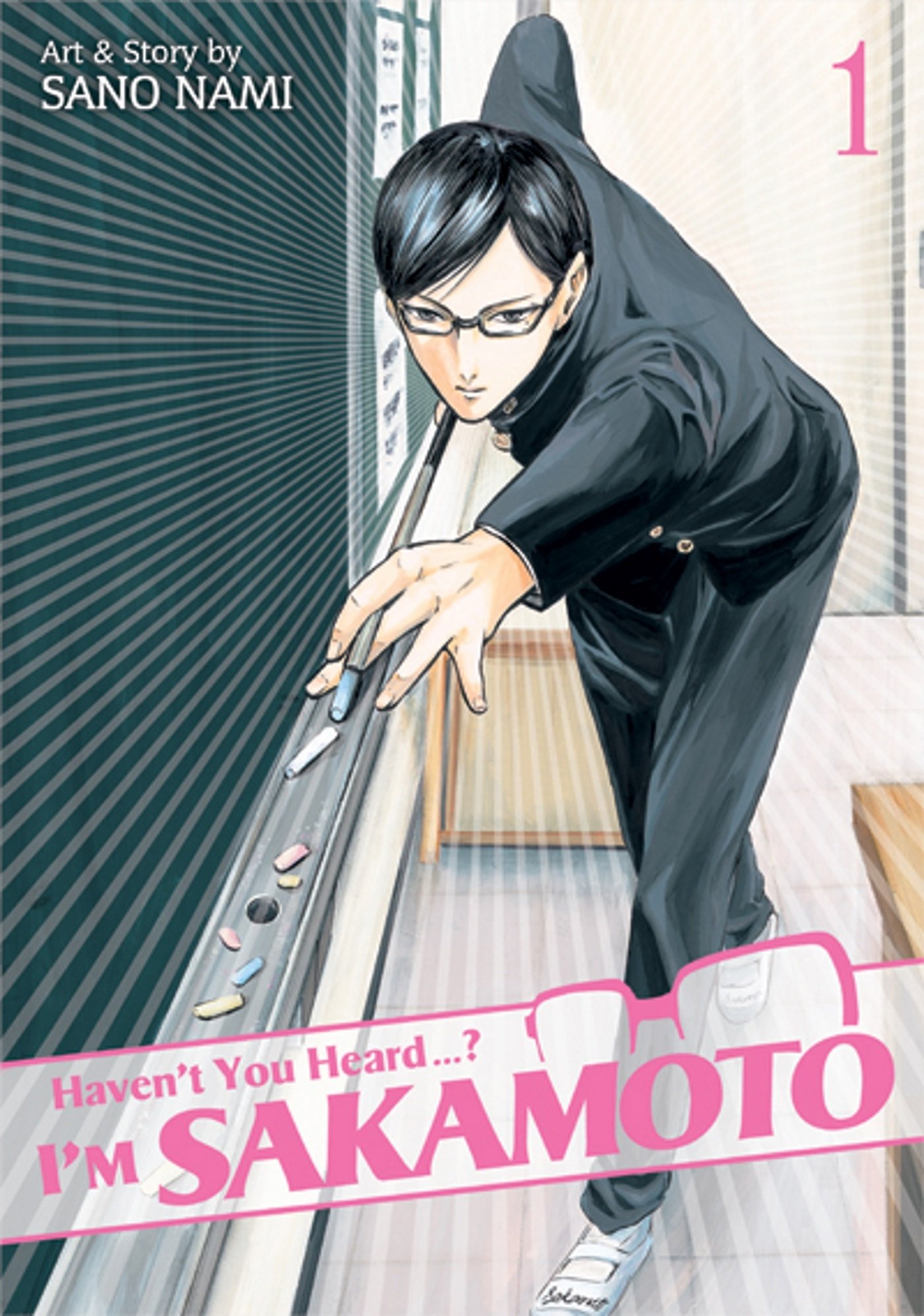
sakamotoHaven’t You Heard? I’m Sakamoto, Vol. 1
By Miki Sano
Rated Teen
Seven Seas, $12.99

Haven’t You Heard? I’m Sakamoto is “The Aristocrats” of manga, a basic joke that yields endless variations, each more baroque than the last. The premise is simple: transfer student Sakamoto is handsome, brilliant, and athletic, making him a natural target for bullies and lovelorn girls. Any time a challenging situation arises–a bee in a classroom, a classmate injured by a softball–Sakamoto effortlessly meets that challenge, in the process revealing a previously undisclosed talent.

In the hands of a less imaginative storyteller, Sakamoto might be a wish-fulfillment character for every teenager who’s ever been tongue-tied or harassed by other students. Nami Sano puts a distinct spin on the material, however, portraying Sakamoto as so calculating and unflappable that he’s genuinely creepy; Sakamoto never smiles, laughs, or shows any discernible human emotion, even when confronted with other people’s tears or anger. (The real joke seems to be that everyone admires Sakamoto anyway.) I’m not sure that I LMAO, but Sakamoto’s odd persona and equally odd talents are a welcome rebuke to the school council presidents and earnest strivers who populate most teen-oriented manga; I’d much rather spend time with him than a standard-issue shonen prince.

The verdict: You’ll either find Sakamoto’s antics inspired or too weird to be amusing.

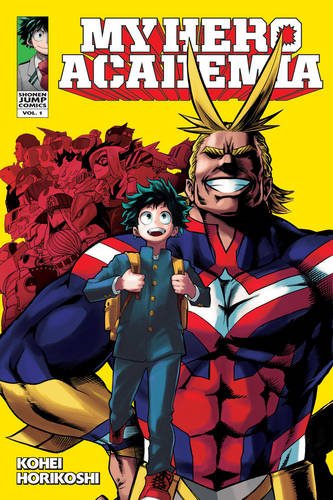
academiaMy Hero Academia, Vol. 1
By Kohei Horikoshi
Rated T, for teens
VIZ Media, $9.99

Meet Izuku Midoriya: he’s an ordinary teen living in a world where 80% of humanity possesses a super power. That doesn’t stop Izuku from aspiring to become a professional hero, however; since childhood, he’s dreamed about the day he might gain admission to prestigious U.A. High School, a training ground for future crime-fighters. A chance encounter with All Might, a celebrity superhero, gives Izuku a chance to prove his mettle and get the coaching he needs to pass the U.A. entrance exam.

Though the plot twists are unsurprising, and Izuku’s classmates familiar types (e.g. the Bully, the Spazzy Enthusiast), the breezy script propels My Hero Academia past its most hackneyed moments. The clean linework, playful superhero costumes, and artfully staged combat further enhance the series’ appeal; Kohei Horikoshi could give a master class on the reaction shot, especially when a supervillain is wrecking havoc on a downtown skyline. Most importantly, Horikoshi respects the sincerity of Izuku’s ambitions without letting the character’s earnest intensity cast a pall over the fun–in essence, it’s a Silver Age comic in modern shonen drag, with all the corny humor and fist-pumping action of Stan Lee and Steve Ditko’s best work on Spider-Man.

The verdict: My Hero Academia is as predictable as death and taxes, but a smart script and crisp artwork help distinguish it from other titles in the Shonen Jump catalog.

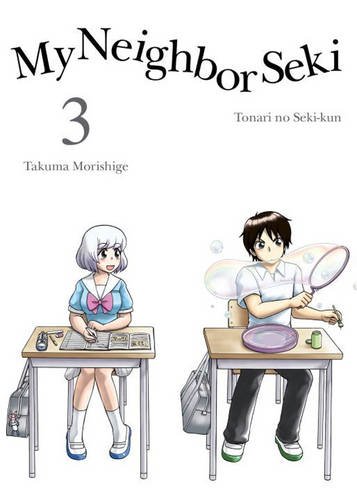
sekiMy Neighbor Seki, Vols. 1-3
By Takuma Morishige
Unrated
Vertical Comics, $10.95

Like Haven’t You Heard? I’m Sakamoto, My Neighbor Seki is a one-joke series: middle-school student Seki goofs off during class, much to the consternation of his seat mate Rumi. Seki isn’t just doodling in his notepad, however. He pets kittens, builds elaborate sculptures from shoji pieces, runs an intraschool mail service, and hosts a tea ceremony. To vary the rhythm of the joke-telling, artist Takuma Morishige occasionally transplants the action from the schoolroom to the playground, though the set-up remains the same; Seki does something outrageous and Rumi reacts, prompting the teacher to scold Rumi for not paying attention.

Given Seki‘s slender premise, it’s not surprising that each volume is a hit-and-miss affair. In volume one, for example, Seki knits a cactus plushie using a double-ended afghan hook. Rumi initially scoffs at his choice of tool; as she observes, “The hallmark of afghan knitting is its unique thickness and softness. It’s a texture best utilized when making sweaters,” not stuffed animals. When she sees the final results, however, she concedes that Seki has chosen the perfect technique and materials for his cactus, sending her into a rapturously funny meditation on yarn. Not all the gags are as successful: Seki’s penchant for staging elaborate scenes with action figures is moderately amusing at first, but grows more tiresome with each new and less imaginative iteration. Still, it’s impossible to deny the energy, creativity, and specificity with which Morishige brings Seki’s exploits to life, making this series more “win” than “fail.”

The verdict: My Neighbor Seki is best enjoyed in one or two chapter installments; when read in large bursts, some scenarios read like 4-koma strips stretched to epic and unfunny proportions.

These reviews originally appeared at MangaBlog on August 7, 2015.

Filed Under: Classic Manga Critic, Manga, Manga Critic, REVIEWS Tagged With: Comedy, My Hero Academia, Seven Seas, Shonen Jump, vertical, VIZ

Short Takes: Food Wars, Manga Dogs, and Yukarism

January 6, 2017 by Katherine Dacey

Did you receive an Amazon or RightStuf gift certificate this holiday? If so, this post is for you! Below, I’ve reviewed the first volumes of three series that debuted in 2014, offering a quick-and-dirty assessment of each. Already read Food Wars? Fear not—I’ve also tackled Manga Dogs, a comedy about a teen manga artist, and Yukarism, a time-traveling, gender-bendering manga from Chika Shiomi (Canon, Yurara).

thumb-10857-FDW_01_webFood Wars, Vol. 1
Story by Yuto Tsukada, Art by Shun Saeki
Rated T+, for Older Teens
VIZ Manga, $9.99

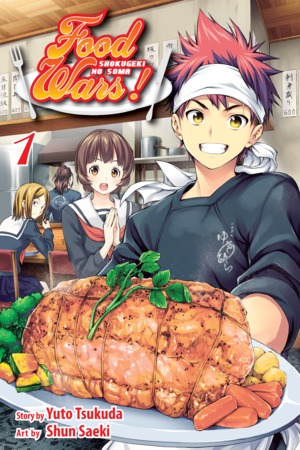
Food Wars begins with an only-in-manga scenario: Soma Yukihira’s dad shutters the family’s greasy spoon restaurant and lights out for America, leaving his son behind. With no place to go, Soma enrolls at Totsuki Culinary Academy, a hoity-toity cooking school that prides itself on its wealthy alumnae, rigorous curriculum, and high attrition rate. Soma’s working-class background is a major handicap in this environment, but his can-do attitude and culinary instincts allow him to triumph in difficult situations, whether he’s salvaging an over-salted pot roast or wowing an unscrupulous developer with a simple potato dish.

In theory, I ought to hate Food Wars for its cartoonish characters and abundant cheesecake, two qualities I generally despise in a manga. But here’s the thing: it’s fun. Soma repeatedly shows up bullies and snobs with his ability to transform everyday dishes into haute cuisine, proving that good food doesn’t need to be fancy. Though Soma’s foes are stock types—the Busty Bitch, the Rich Mean Boy, the Teacher With Impossibly High Standards—Shun Sakei’s crisp caricatures make them seem like fresh creations. I wish I could say the same for Sakei’s abundant fanservice, which quickly wears out its welcome with porny images of women enjoying Soma’s cooking. These pin-up moments are supposed to be funny, I guess, but the heavy emphasis on heaving cleavage and bare skin seems more like a concession to teenage male taste than an organic part of the story.

The verdict: I can’t decide if Food Wars is a guilty pleasure or a hate read, but I’ve just purchased volumes 2-4.

Manga Dogs 1Manga Dogs, Vol. 1
By Ema Toyama
Rated T, for Teens
Kodansha Comics, $10.99

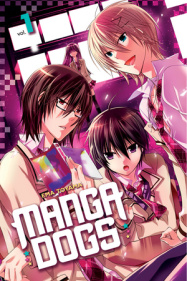
Manga Dogs has a terrific premise: a teenage artist decides to enroll in her school’s manga program, only to discover that her teacher is inept, and her classmates are pretty-boy otakus with no skill or work ethic. When Kanna’s classmates discover that she’s actually a published artist, Fumio, Fujio, and Shota glom onto her in hopes of breaking into the business—even though her debut series is on the verge of being cancelled.

With such a ripe set-up, it’s a pity that Manga Dogs is DOA. Part of the problem is that the script panders to the reader at every turn, whether it’s poking fun at reverse-harem tropes or saddling the characters with pun-tastic names inspired by famous manga creators. The author spends too much time patting the reader on the back for “getting” the jokes and not enough time writing genuinely funny scenarios or imbuing her characters with more than one personality trait each. The other issue is pacing: the story and artwork are both frenetic, with characters screaming, jumping, and flapping their arms on almost every page. By the end of the third chapter, I felt as if someone had beaten me up for my lunch money while asking me, “Do you think I’m funny? No? Now do you think I’m funny?”

The verdict: Just say no.

1421575906Yukarism, Vol. 1
By Chika Shiomi
Rated T, for Teen
VIZ Media, $9.99

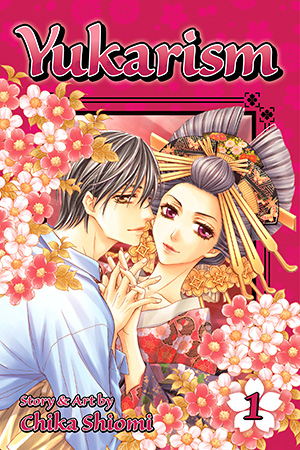
Yukarism combines the supernatural elements of Rasetsu with the historical drama of Sakuran, then adds a dash of gender-bending weirdness for good measure. The story revolves around Yukari, a best-selling author whose novels explore the history of Edo’s red-light district. Though fans attribute the abundant details in his writing to research, Yukari has an even better strategy for learning about the past: he visits it! When he returns to the 1800s, however, Yukari becomes Yumurasaki, a top-earning oiran (or courtesan) enmeshed in a web of political intrigue, lust, and violence.

Given the complexity of the plot, it’s not surprising that the first volume of Yukarism is a bumpy ride. The tone see-saws between broad physical comedy and brooding melodrama, making it difficult to know if Yukari’s plight is being played for laughs or sniffles. The script, on the other hand, is too pointed; manga-ka Chika Shiomi is so intent on telling us what Yukari is thinking and seeing that she forgets the old dictum about showing, not telling. The same kind of editorial interventions result in at least one character waxing profusely about how handsome and cool Yukari is, just in case we haven’t realized that he’s supposed to be handsome and cool. Now that the basic parameters of the story have been established, however, Shiomi can dispense with the heavy-handed dialogue and do what she does best: write sudsy supernatural romances with beautiful characters in beautiful costumes.

The verdict: Volume two should be a pure guilty pleasure.

These reviews originally appeared at MangaBlog on January 2, 2015.

Filed Under: Classic Manga Critic, Manga, Manga Critic, REVIEWS Tagged With: Cooking and Food, kodansha, shojo, Shonen, VIZ

How to Draw Shojo Manga

February 14, 2012 by Katherine Dacey

This slim how-to manual caters to the manga fan who wants to become an artist, but finds the technical aspects of comic creation daunting. “If you’ve ever flipped through a How to Draw Manga book in a bookstore, looked at the pages that explain character design and perspective and thought, ‘I have to learn all this hard stuff to be a manga artist?’ then you are exactly the person who we want to read this book,” the authors cheerfully assert.

The introduction is a little disingenuous, however, as the book assumes a level of artistic fluency on the part of the reader that isn’t reflected in that warmly inviting statement. No novice could use the passages on anatomy or perspective to learn either of these essential drafting skills; the authors don’t break down the process of sketching a body or a three-dimensional space into enough discrete steps for a newcomer to recreate the examples in the book. The same is true for their advice on tools; though the authors provide a detailed catalog of pens, nibs, erasers, templates, blades, and brushes favored by professional artists, the information about how to use these tools presumes that the reader has worked with similar implements.

What How to Draw Shojo Manga does well, however, is introduce novices to the concepts associated with creating sequential art. The authors review the basics, explaining the various types of camera angles and shots, and when they’re most effective; discussing the underlying philosophy behind character designs; and showing how an artist takes a script from words to storyboards to finished product. The book also includes an appendix with practical information about submitting work to contests — obviously less applicable to American readers — as well as strategies for handling criticism; in a thoughtful touch, the authors critique a short story (included in full in the book) so that readers can better appreciate the substance of the editorial comments. Whenever possible, the authors use examples from actual manga to underscore points about character design and layouts; sharp-eyed fans will recognize works from such Hakusensha magazines as Lala, Melody, and Hana to Yume.

The bottom line: How to Draw Shojo Manga won’t turn a greenhorn into Arina Tanemura, but it will help her identify areas of weakness (e.g. poor drafting skills) and provide her with the vocabulary to discuss — and learn more about — the creative process.

Editor’s note: This review was originally included in a Short Takes column from November 2010. When I reorganized my site in January 2012, I created a category for instruction manuals (How to Draw Manga) and decided that this review would be better suited as a stand-alone piece. Look for more how-to reviews in the coming months!

HOW TO DRAW SHOJO MANGA • WRITTEN BY THE EDITORIAL STAFF OF HANA TO YUME, BESSATSU HANE TO YUME, LALA, AND MELODY MAGAZINES • TOKYOPOP • 176 pp. • RATING: TEEN (13+)

Filed Under: Books, Classic Manga Critic, Manga Critic, REVIEWS Tagged With: How-To, shojo, Tokyopop

Basic Anatomy for the Manga Artist

July 26, 2011 by Katherine Dacey

Billed as “Everything You Need to Start Drawing Authentic Manga Figures,” Basic Anatomy for the Manga Artist helps artists apply what they learned in life drawing class to character design.

The book is divided into six sections. In the first, “Basic Head Elements,” author Christopher Hart shows readers how to draw eyes, ears, noses, and mouths, stressing the importance of correct placement and symmetry in rendering the face. The next three sections, “The Foundation of the Body,” “Topographical Anatomy,” and “Body Symmetry and Asymmetry,” focus on the skeleton and musculature, offering readers clear strategies for representing bones, tendons, and muscles in their figure drawings. The final two sections, “How Movement, Light, and Perspective Affect the Body” and “Putting It All Together,” build on insights from the earlier chapters, leading readers through the process of drawing dynamic poses and creating original character designs.

Though the book is filled with useful illustrations and helpful advice, Hart’s approach is inconsistent. In some chapters, he breaks down tasks into discrete steps, using simple shapes and guidelines to show readers how to draw a mouth in three-quarters view or render a well-toned leg. Other chapters assume more experience on the part of the reader; a novice would have a hard time re-creating some of Hart’s character designs, as even the preliminary sketches are very polished. (Hart also presumes familiarity with illustration software, instructing readers to add shading to their finished drawings without offering tips for doing so.)

The book’s other problem is in the way that it frames manga as a style, not a storytelling medium. “Basic Anatomy for Manga Artists contains instructions specifically designed for drawing idealized heads and bodies in the authentic Japanese style of manga,” Hart declares in the introduction. But what, exactly, is “the authentic Japanese style of manga”: Naruto? Fruits Basket? 20th Century Boys? Lone Wolf and Cub? Instead of defining manga as a style, it would have been more useful for Hart to show how manga artists use a common set of techniques to achieve different results; after all, Goseki Kojima used the same shortcuts for rendering faces and bodies as Hiromu Arakwa and CLAMP, a point that’s glossed over in the text.

Despite its conceptual flaws, Basic Anatomy for the Manga Artist is still a useful reference. Hart’s cutaway illustrations of the muscular and skeletal systems are particularly helpful for the artist who wants a better understanding of how the body moves. Hart also does a fine job of showing readers how to represent muscles, bones, and facial features using a few well-placed lines — an invaluable skill for any sequential artist, regardless of style.

Review copy provided by Watson-Guptill Publications.

BASIC ANATOMY FOR THE MANGA ARTIST: EVERYTHING YOU NEED TO START DRAWING AUTHENTIC MANGA CHARACTERS • BY CHRISTOPHER HART • WATSON-GUPTHILL PUBLICATIONS • 160 pp.

Filed Under: Books, Classic Manga Critic, Manga Critic, REVIEWS Tagged With: Christopher Hart, How-To, Watson-Gupthill

The Betrayal Knows My Name, Vol. 1

June 29, 2011 by Katherine Dacey

For years, Tokyopop specialized in a particular genre — call it “forbidden bromance,” for want of a better term — in which two handsome, impeccably groomed young men teetered on the brink of a relationship. That relationship usually faced a serious obstacle: one might be a demon and the other a human, for example, or one may have killed the other in a previous life. Most of the story was devoted to uncovering the reason that fate united them, providing the heroes ample time for impassioned conversations and meaningful looks.

At their best, titles like Tokyo Bablyon, Silver Diamond, and X-Kai were silly but engrossing, with plot twists as gloriously melodramatic as an episode of Passions; at their worst, they read like bad slash fic, with purple dialogue and an abundance of poorly explained plot details. Yen Press’ latest offering, The Betrayal Knows My Name, has all the requisite elements to be a gas — pretty-boy leads, past-life tragedy, perfectly moussed locks — but never quite rises to the level of a great guilty pleasure.

Not that volume one wants for activity; every chapter is packed with action sequences, murderous demons, dramatic confrontations, and shocking revelations. What Betrayal lacks is the kind of tightly constructed narrative that made the best bromances such a treat to read. The characters barely rise above type, while script flirts with incoherence at every turn, introducing new characters and subplots at such a furious pace that the central love story is often in danger of being overshadowed. Even the dialogue sags; when the characters aren’t explaining things to one another, they’re so wrapped up in their own thoughts that their monologues become tedious. (Sample: “We can’t survive on principles alone. And everyone would like to live without getting tainted at all. But that’s not how things are.”)

That’s a pity, because The Betrayal Knows My Name looks a lot like my favorite bromances. The character designs owe an obvious debt to CLAMP’s high Baroque period, when characters wore trench coats and dog collars and always had windswept hair. And Hotaru Odagiri certainly knows how to draw brooding men; her heroes, Yuki and Zess, spend a great deal of time staring into space while wearing soulful expressions. (They also know how to pop a pose for readers, allowing us to savor the sheer ridiculousness of their outfits, and the artful way in which they leave their shirts unbuttoned to the waist.)

Yet the prettiness of the character designs can’t camouflage the fact that Betrayal is straining too hard for effect; what should be a great, emo-porn pleasure is something of a chore to read, thanks to its relentless pace, clumsy dialogue, and chemistry-free leads. Readers who can’t get enough of the forbidden bromance genre may find Betrayal an adequate fix; others are encouraged to hold out for Tokyo Babylon‘s return this fall.

Review copy provided by Yen Press.

THE BETRAYAL KNOWS MY NAME, VOL. 1 • BY HOTARO ODAGIRI • YEN PRESS • 368 pp. • RATING: OLDER TEEN (16+)

Filed Under: Classic Manga Critic, Manga, Manga Critic, REVIEWS Tagged With: Betrayal Knows My Name, yen press

How to Pen & Ink: The Manga Start-Up Guide

March 25, 2011 by Katherine Dacey

Type the words “how to draw manga” into the Amazon.com search engine, and you’ll net over 575 results. These books run the gamut from Manga-for-Dummies manuals, designed to teach beginners the basics of figure drawing and paneling, to highly specialized texts focusing on a specific skill — say, applying screentone or drawing buxom warriors.

One of the biggest drawbacks to these manuals is the lack of examples culled from actual manga; for licensing reasons, many of these how-to books feature original art that may not be drawn by a professional working in the Japanese publishing industry. And while many of these books possess genuine educational value for the beginning artist, teaching from a copy — however good it might be — isn’t the same thing as learning from the original. That’s where DMP’s How to Pen & Ink: The Manga Start-Up Guide comes in: the book is liberally illustrated with sketches, pin-up art, and finished pages from the work of Oh!Great (Tenjo Tenge, Air Gear), Yasuhiro Nightow (Trigun), and Satoshi Shiki (Kami-Kaze), as well as a half-dozen other established artists.

The book is divided into two sections. In the first, billed as a “close-up of how a manga is born,” each of the three featured manga-ka takes readers step-by-step through the creation of a pen-and-ink drawing, offering insights into their own work process. In the second, readers practice drawing their own manga. This section, which comprises most of the book, contains a list of tools used by professional manga artists, a lengthy Q&A section aimed at novice creators, and a variety of exercises, the most useful of which focus on working with pens. Over a four-week period, readers learn how to draw lines of varying weight, length, and straightness; how to draw effective speedlines; and how to use crosshatching to define space and volume.

What distinguishes Pen & Ink from other how-to manuals is its approach: manga isn’t treated as a style but as a storytelling medium. Almost of the advice focuses on how to draw effective stories, whether readers are learning where to place word balloons or how to use speedlines and panel frames to direct the eye to a key element in the layout. Though some of the tips are too vague to be helpful, the book is chock-full of examples culled from the pages of Air Gear, Kami-Kaze, and Trigun, as well as Hikou x Shonen, Oudo no Kishi Moro, Sgt. Frog, Trigun, and Vampire Princess Yui — a diversity that nicely underscores the manga-as-medium message.

Anyone who’s taken a few life drawing courses should be able to complete most of the exercises, though they may wish to supplement Pen & Ink with a manual on character design. (Tips for drawing eyes, hands, and bodies are too scarce to be very helpful to novice cartoonists.) For readers just learning the basics — anatomy, perspective drawing — most of the information in the book is too advanced to be immediately beneficial; the ideal audience is someone who already owns a few pens and drawing tools but needs guidance on how to work more effectively with them.

Review copy provided by Digital Manga Publishing, Inc.

HOW TO PEN & INK: THE MANGA START-UP GUIDE • VARIOUS AUTHORS • DMP • 114 pp. • NO RATING (BEST SUITED FOR TEENS, AS THE SECTION ON OH!GREAT INCLUDES SOME NUDITY)

Filed Under: Books, Classic Manga Critic, Manga Critic, REVIEWS Tagged With: DMP, How-To, Oh!Great, Satoshi Shiki, Yasuhiro Nightow

Osamu Tezuka: A Bibliography for English Speakers

December 21, 2010 by Katherine Dacey

For the English-language reader interested in learning more about Osamu Tezuka, there’s a growing body of scholarship exploring his life and work. Frederik L. Schodt, who was a personal friend of Tezuka’s, has done more than just about anyone to introduce Tezuka’s manga to Western audiences, writing in an accessible style that eschews academic formality but is nonetheless rigorous and well-researched. Schodt reproduced a chapter from Tezuka’s Phoenix in Manga! Manga! The World of Japanese Comics (1983), paid tribute to Tezuka’s work with an essay in Dreamland Japan: Writings on Modern Manga (1996), and devoted an entire book to one of Tezuka’s best-known characters in The Astro Boy Essays: Osamu Tezuka, Mighty Atom, and the Manga/Anime Revolution (2007). Readers who find Schodt’s approach congenial should also investigate Helen McCarthy’s recent book The Art of Osamu Tezuka: God of Manga (2009); like Schodt, McCarthy is interested in bringing Tezuka’s work to a wider audience of comics fans and moviegoers, rather than subjecting Tezuka’s work to close readings.

Academics, too, have been exploring Tezuka’s work from a variety of perspectives, as numerous articles in The International Journal of Comic Art, The Journal of Popular Culture, and Mechademia attest. Natsu Onoda Power’s God of Comics: Osamu Tezuka and the Creation of Post World-War II Manga (2009) is among the most user-friendly of these recent scholarly tomes; she writes in a clear, unfussy style that provides readers insight into the historical, social, and economic conditions in which Tezuka lived and worked. Readers may also find Philip Brophy’s Tezuka: The Marvel of Manga (2007) a helpful bridge between mainstream and academic discourse about Tezuka. Though Marvel of Manga is as much a museum catalog as a scholarly work, Brophy’s contextual essays do a fine job of introducing the different stages of Tezuka’s career, as well as some of the themes that were central to Tezuka’s work.

A word about this bibliography: it isn’t comprehensive, nor is it intended to be. What I’ve done is compile a list of resources that a journalist, college student, or serious comic fan would find helpful in learning more about Tezuka’s life and work. The list is divided into three sections: the first focuses on articles and books about Tezuka, the second on websites, and the third on Tezuka’s manga in translation. Please feel free to suggest resources I have overlooked; this list is meant to be a living document, updated on a regular basis.

ARTICLES AND BOOKS ABOUT TEZUKA

Arnold, Andrew D. “Born Again.” Rev. of Phoenix, by Osamu Tezuka. Time 17 July 2004. Web. 21 December 2010.

Bird, Lawrence. “States of Emergency: Urban Space and the Robotic Body in the Metropolis Tales.” Mechademia 3 (2008): 127-48. Print.

Brophy, Philip, ed. Tezuka: The Marvel of Manga. Victoria: National Gallery of Victoria, 2007. Print.

Covert, Brian. “Manga, Racism & Tezuka.” Japan Times Weekly 18 April 1992: 1-4. Print.

Eiji, Otsuka. “Disarming Atom: Osamu Tezuka’s Manga at War and Peace.” Trans. Thomas LaMarre. Mechademia 3 (2008): 111-25. Print.

Gravett, Paul. “The Father Storyteller: The Life and Role of Osamu Tezuka, Originator of Story Manga.” Manga: Sixty Years of Japanese Comics. New York: HarperCollins, 2004. 34-47. Print.

Inuhiko,  Yomata. “Stigmata in Tezuka Osamu’s Works.” Trans. Hajime Nakatani. Mechademia 3 (2008): 97-109. Print.

Kuwahara, Yasue. “Japanese Culture and Popular Consciousness: Disney’s The Lion King vs. Tezuka’s Jungle Emperor.” Journal of Popular Culture 31.1 (1997): 37-48. Print.

LaMarre, Thomas. “Speciesism, Part II: Tezuka Osamu and the Multispecies Ideal.” Mechademia 5 (2010): 51-85. Print.

Kinsella, Sharon. Adult Manga: Culture and Power in Contemporary Japanese Society. Honolulu: University of Hawaii Press, 2000. Print.

Ma, Sheng-mei. “Three Views of the Rising Sun, Obliquely: Keiji Nakazawa’s A-bomb, Osamu Tezuka’s Adolf, and Yoshinori Kobayashi’s Apologia.” Mechademia 4 (2009): 183-96. Print.

MacWilliams, Mark Wheeler. “Japanese Comics and Religion: Osamu Tezuka’s Story of the Buddha.” Japan Pop! Inside the World of Japanese Popular Culture. Ed. Timothy J. Craig. New York: M.E. Sharpe, 2000. 109-37. Print.

McCarthy, Helen. The Art of Osamu Tezuka: God of Manga. Foreword by Katsuhiro Otomo. New York: Abrams, 2009. Print.

O’Luanaigh, Cian. “Osamu Tezuka: Father of Manga and Scourge of the Medical Establishment.” The Guardian 21 July 2010. Web. 21 December 2010.

Onoda, Natsu. “Drag Prince in Spotlight: Theatrical Cross-Dressing in Osamu Tezuka’s Early Shojo Manga.” International Journal of Comic Art 4.2 (2002): 124-38. Print.

——— . “Tezuka Osamu and the Star System.” International Journal of Comic Art 5.1 (2003): 161-94. Print.

Palmer, Ada. “‘You, God of Manga, Are Cruel!’: Karma and Suffering in the Universe of Osamu Tezuka.” Manga and Philosophy. Ed. Adam Barkman and Joseph Steiff. Chicago: Open Court, 2010. Print.

Patten, Fred. Watching Anime, Reading Manga: 25 Years of Essays and Reviews. Foreword by Carl Macek. Berkeley, CA: Stone Bridge Press, 2004. Print.

Power, Natsu Onoda. God of Comics: Osamu Tezuka and the Creation of Post-World War II Manga. Jackson, MS: University Press of Mississippi, 2009. Print.

Randall, Bill. “Achieving Godhood in Pen and Ink.” Rev. of Phoenix, by Osamu Tezuka. The Comics Journal 246 (2002): 109-13. Print.

——— . “Behold Japan’s God of Manga: An Introduction to the Work of Osamu Tezuka.” The Comics Journal 5 (2005): 46-57. Print.

Schilling, Mark. “Tezuka, Osamu.” The Encyclopedia of Japanese Pop Culture. Trumbull, CT: Weatherhill, 1997. 263-68. Print.

Schodt, Frederik L. The Astro Boy Essays: Osamu Tezuka, Mighty Atom, and the Manga/Anime Revolution. Berkeley, CA: Stone Bridge Press, 2007. Print.

——— . “A Tribute to the God of Comics.” Dreamland Japan: Writings on Modern Manga. Berkeley, CA: Stone Bridge Press, 1996. 233-74. Print.

Thorn, Matt. “Tezuka’s Modernism.” Introduction. Adolf: The Half-Aryan. By Osamu Tezuka. Trans. Oniki Yoji. San Francisco: Cadence Books, 1997. 7-11. Print.

WEB RESOURCES

Anthropology of Anime and Manga: Site includes a useful overview of Tezuka’s Phoenix saga, with links to English and Japanese resources.

Osamu Tezuka, Father of Manga: Site provides a biography, timeline, and a brief discussion of Tezuka’s influences.

Tezuka in English: Site maintained by American scholar Ada Palmer; provides a comprehensive list of Tezuka’s work in translation, as well as overview of Tezuka’s star system.

TezukaOsamu.net: Official website of Tezuka Productions, Inc. (Link is to English-language content.) Includes summaries of major works, as well as Japanese-language previews of manga such as The Three-Eyed One, Unico, IL, and New Treasure Island.

Wikipedia entry on Osamu Tezuka. See also the Wikipedia entries on Tezuka’s anime and manga, as well as the Wikipedia entry on Tezuka’s star system. The quality of the entries varies considerably; use in conjunction with other sources.

TEZUKA IN TRANSLATION

Adolf. San Francisco: Cadence Books, 1995-97. 5 volumes.
Apollo’s Song. 2nd ed. New York: Vertical, Inc., 2010. 2 volumes.
Astro Boy. Milwaukie, OR: Dark Horse, 2002-04. 23 volumes.
Ayako. New York: Vertical, Inc., 2010.
Black Jack. New York: Vertical, Inc., 2008-10. 12 volumes, ongoing.
The Book of Human Insects. New York: Vertical, Inc., 2011. [N.B. Announced at New York Comic-Con 2010. Also known as Human Metamorphosis.]
Buddha. New York: Vertical, Inc., 2006-07. 8 volumes.
Crime and Punishment. Tokyo: The Japan Times, Inc., 1990.
Dororo. New York: Vertical, Inc., 2008. 3 volumes.
Lost World. Milwaukie, OR: Dark Horse, 2003.
Metropolis. Milwaukie, OR: Dark Horse, 2003.
MW. 2nd ed. New York: Vertical, Inc., 2010. 2 volumes.
Nextworld. Milwaukie, OR: Dark Horse, 2003. 2 volumes.
Ode to Kirihito. 2nd ed. New York: Vertical, Inc., 2010. 2 volumes.
Phoenix. San Francisco: VIZ Media, LLC, 2004-08. 12 volumes.
Princess Knight. Tokyo: Kodansha International, 2001. 6 volumes.
Swallowing the Earth. Gardena, CA: Digital Manga Publishing, 2009.

Filed Under: Classic Manga Critic, Manga, Manga Critic Tagged With: Osamu Tezuka

An Introduction to Keiko Takemiya’s To Terra

May 23, 2010 by Katherine Dacey


Welcome to the May Manga Movable Feast! On the menu: Keiko Takemiya’s award-winning sci-fi epic To Terra. If you’ve never dined with us before, here’s how the MMF works: every month, the manga blogging community holds a week-long virtual book club in which we discuss a particular series or one-shot. Each day, the host shares links to new blog entries focusing on that work, while building an archive for the entire week’s discussion. At the end of the week, the group then selects a new host and a new “menu” for the following month.

Our “feast” has two goals. The first is to promote intelligent, in-depth analysis of manga we love (or, in some cases, hate). Previous contributions have run the gamut from straightforward reviews to an interview with Sexy Voice and Robo editor Eric Searleman, a guided tour through Kaoru Mori’s “Emmaverse,” and an essay contrasting Urushibara’s Mushishi with Lovecraft’s Cthulhu Mythos. The second goal is to foster a sense of community among avid manga readers. Everyone is invited to take part in the MMF, regardless of whether you’ve participated before. If you have your own blog, simply send me the link to your To Terra-themed post, whether it’s a brand new essay written expressly for the MMF or an older review that you’d like the share with the community, and I’ll include it in my daily round-up. If you don’t have a blog, send me your text and I’ll post your ideas here. (Click here for my email.) Discussion begins today and will run through the week until Sunday, May 30th.

Below, I’ve provided an overview of the series’ publication history, plot, and place in the manga canon. You can follow the discussion by checking the daily blog posts, clicking on the Manga Movable Feast tag, or visiting the MMF archive: http://mangacritic.com/?page_id=4766.

TO TERRA: THE PUBLICATION HISTORY

To Terra debuted in 1977 in Gekkan Manga Shonen. During its three-year run, To Terra nabbed two honors: the Shogakukan Manga Award and the Seiun Award, an annual prize for the best new science fiction published in Japan. (To Terra was the first manga to receive a Seiun Award; later winners would include Appleseed, Domu: A Child’s Dream, Urusei Yatsura, Cardcaptor Sakura, Planetes, and 20th Century Boys.)  The series was originally issued in tankubon format in 1980 by Asahi Sonorama, and reissued again in 2007 by Square Enix, around the same time Vertical, Inc. released the first English-language edition.

To Terra has enjoyed considerable popularity in Japan, thanks, in part, to several adaptations: a 1979 NHK radio drama; a 1980 movie, produced by Toei Animation; and a 2007 animated television series, produced by Aniplex.

TO TERRA: THE STORY

toterra2To Terra unfolds in a distant future characterized by environmental devastation. To salvage their dying planet, humans have evacuated Terra (Earth) and, with the aid of a supercomputer named Mother, formed a new government to restore Terra and its people to health. The most striking feature of this era of Superior Domination (S.D.) is the segregation of children from adults. Born in laboratories, raised by foster parents on Ataraxia, a planet far from Terra, children are groomed from infancy to become model citizens. At the age of 14, Mother subjects each child to a grueling battery of psychological tests euphemistically called Maturity Checks. Those who pass are sorted by intelligence, then dispatched to various corners of the galaxy for further training; those who fail are removed from society.
The real purpose of these checks is to weed out an unwanted by-product of S.D.-era genetic engineering: the Mu, a race of telepathic mutants. After decades of persecution, the Mu fled Terra, seeking refuge beneath the surface of Ataraxia. Under the leadership of Soldier Blue, they escaped detection by humans. But Soldier Blue is frail and dying (though he has chosen to project a youthful, sparkly-eyed appearance), and seeks a successor in Jomy Marcus Shin, a 14-year-old who possesses both the telepathic ability of a Mu and the hardier constitution of a human. As the series unfolds, we watch Jomy develop into a formidable leader, capable of inspiring passion, loyalty, and sacrifice among the Mu as they struggle to return to their homeworld. Running in counterpoint to Jomy’s story is that of Keith Anyan, an elite solider-in-training and future Terran leader. Keith enjoys a privileged position in human society. Yet he is plagued by doubt: why doesn’t he remember his childhood? Or his foster parents? And why does Mother refuse to eradicate the Mu when the state has deemed them a threat to mankind?

What makes this unabashedly Romantic mash-up of Star Trek, Star Wars, and 2001 both entertaining and moving is the richness of Keiko Takemiya’s universe. On the surface, To Terra is a beautifully illustrated soap opera, the kind of manga in which the heroes have terrific hair, wear smart jumpsuits, and keep psychic squirrels as pets. But To Terra can also be read a cautionary tale about mankind’s poor custodianship of the Earth; a scathing critique of eugenics and social engineering; a meditation on the relationship between memory and identity; and, most significantly, a critique of adult hypocrisy. It’s this multivalent quality that elevates To Terra from a mere allegory to an epic space opera as engaging, beautiful, and thought-provoking as Tezuka’s best work. (This review originally appeared at PopCultureShock on July 16, 2007.)

TO TERRA: ITS PLACE IN THE CANON

As anyone with a passing familiarity with the Magnificent 49ers knows, the 1970s were a watershed in the development of shojo manga. Not that shojo manga was an invention of the 1970s, of course; shojo manga traces its roots back to the 1910s, when girls’ magazines began running short, one-page gag strips, and underwent several major stages of development before evolving into the medium we know today. Until the mid-1960s, however, shojo manga was written by men for pre-teen girls; the stories were sweet, sentimental, and chaste, often revolving around family, class, and identity in the manner of a Frances Hodgson Burnett story. In an interview with manga scholar Matt Thorn, Keiko Takemiya’s former roommate Moto Hagio remembers the manga from this period:

In the girls’ comics, you would have stories in which the woman you thought was the mother turns not to be the mother, and the real mother is actually somewhere else. There was a variety of settings. For example, the poor child in the story turns out to actually come from a rich family, or the child of a rich family turns to have been adopted from a poor family. And one of the standard device was amnesia… It appeared so often, it makes me think that what with the war and the harsh social conditions, people had an unconscious desire to forget everything. So the heroine goes off in search of her real mother, but along the way she develops amnesia, and ends up being taken care of by a string of kind strangers.

Another popular motif was ballet. There was quite a boom in girls’ comics about ballet for a while. For example, the heroine would be a girl from a poor family who’s really good at ballet, but she loses the lead to an untalented girl from a rich family. In the standard story, there would be a mean girl and a kind-hearted heroine, and there would be a very clear-cut struggle between good and evil.

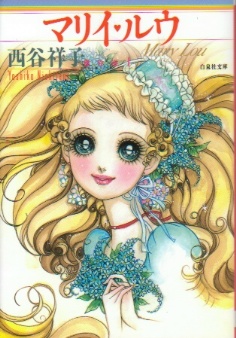
maryloubunkoIn the mid-1960s, pioneering female artist Yoshiko Nishitani began writing stories aimed at a slightly older audience. Nishitani’s Mary Lou, which made its debut in Weekly Margaret in 1965, was one of the very first shojo manga to document the romantic longings of a teenage girl. (As Thorn notes in “The Multi-Faceted World of Shoujo Manga,” the heroines of early shojo stories were too young for crushes and dates, so romance was the provenance of older, secondary characters.) Though tame by contemporary standards, Mary Lou’s emphasis on the heroine’s emotional life and relationships proved highly influential, paving the way for other artists to write stories that focused on the everyday concerns of teenagers, rather than the melodramatic travails of poor little rich girls.

Nishitani was a pioneer in another sense as well: she inspired dozens of women to enter what had been an overwhelmingly male profession. Those artists who followed Nishitani into the field in the 1970s — women like Takemiya, Hagio, and Ryoko “Rose of Versailles” Ikeda — built on her legacy, helping complete the transformation of shojo manga from staid stories about good girls to a multi-faceted storytelling medium capable of dramatizing the characters’ inner thoughts as forcefully as their physical actions. The 49ers embraced genres such as science fiction and fantasy, and developed new ones as well: the entire boys’ love industry owes a debt to Hagio and Takemiya for ground-breaking stories such as “The Heart of Thomas” and The Song of the Wind in the Trees. Whatever the subject matter, however, the 49ers used the comics medium to explore fundamental questions about identity — what constitutes family? what does it mean to be female? what distinguishes the child from the adult? — and love in all its manifestations, from maternal to carnal.

To Terra, which addresses many of the themes found in Takemiya’s other works, is significant precisely because it isn’t shojo; Takemiya was one of the first female artists to write for a boys’ magazine, bringing a distinctly shojo sensibility to her portrayal of Keith and Jomy’s emotional lives. The popular success of To Terra created opportunities for other manga-ka to cross over as well, a trend important enough for Frederick Schodt to make note of it in Manga! Manga! The World of Japanese Comics (1983). Contemporary artists such Rumiko Takahashi, CLAMP, Yellow Tanabe, and Hiromu Arakawa owe a debt to Takemiya, as she helped demonstrate what seems patently obvious to us now: that women are just as capable of writing for male audiences as men are. Oh, and we can draw a pretty bitchin’ space ship if the story calls for one.

FOR FURTHER READING

Aoki, Deb. “Interview: Keiko Takemiya, Creator of To Terra and Andromeda Stories.” About.com: Manga. January 22, 2008. (Accessed 5/23/10.)

Thorn, Matt. “The Moto Hagio Interview.” The Comics Journal 269 (July/August 2005). (Accessed 5/23/10.)

Thorn, Matt. “The Multi-Facted Universe of Shoujo Manga.” Conference paper. 2008. (Accessed 5/23/10.)

Filed Under: Classic Manga Critic, Manga, Manga Critic, REVIEWS Tagged With: Classic, Keiko Takemiya, Magnificent 49ers, Sci-Fi, Shonen, vertical

 | Log in
Copyright © 2010 Manga Bookshelf | Powered by WordPress & the Genesis Framework