• Skip to primary navigation
  • Skip to main content
  • Skip to primary sidebar
  • Home
  • About Us
    • Privacy Policy
    • Comment Policy
    • Disclosures & Disclaimers
  • Resources
    • Links, Essays & Articles
    • Fandomology!
    • CLAMP Directory
    • BlogRoll
  • Features & Columns
    • 3 Things Thursday
    • Adventures in the Key of Shoujo
    • Bit & Blips (game reviews)
    • BL BOOKRACK
    • Bookshelf Briefs
    • Bringing the Drama
    • Comic Conversion
    • Fanservice Friday
    • Going Digital
    • It Came From the Sinosphere
    • License This!
    • Magazine no Mori
    • My Week in Manga
    • OFF THE SHELF
    • Not By Manga Alone
    • PICK OF THE WEEK
    • Subtitles & Sensibility
    • Weekly Shonen Jump Recaps
  • Manga Moveable Feast
    • MMF Full Archive
    • Yun Kouga
    • CLAMP
    • Shojo Beat
    • Osamu Tezuka
    • Sailor Moon
    • Fruits Basket
    • Takehiko Inoue
    • Wild Adapter
    • One Piece
    • After School Nightmare
    • Karakuri Odette
    • Paradise Kiss
    • The Color Trilogy
    • To Terra…
    • Sexy Voice & Robo
  • Browse by Author
    • Sean Gaffney
    • Anna Neatrour
    • Michelle Smith
    • Katherine Dacey
    • MJ
    • Brigid Alverson
    • Travis Anderson
    • Phillip Anthony
    • Derek Bown
    • Jaci Dahlvang
    • Angela Eastman
    • Erica Friedman
    • Sara K.
    • Megan Purdy
    • Emily Snodgrass
    • Nancy Thistlethwaite
    • Eva Volin
    • David Welsh
  • MB Blogs
    • A Case Suitable For Treatment
    • Experiments in Manga
    • MangaBlog
    • The Manga Critic
    • Manga Report
    • Soliloquy in Blue
    • Manga Curmudgeon (archive)

Manga Bookshelf

Discussion, Resources, Roundtables, & Reviews

manga

My Week in Manga: April 20-April 26, 2015

April 27, 2015 by Ash Brown

My News and Reviews

Last week at Experiments in Manga I posted a review of Kaori Ekuni’s quiet yet devastating novel God’s Boat. Ekuni’s debut novel Twinkle Twinkle is one of my favorites, so I made it a point to read more of her work. The underlying premise of God’s Boat—a young woman and her daughter living their lives together while the child’s father has gone missing—is somewhat similar to Hiromi Kawakami’s novel Manazuru which a I read relatively recently, but the two books are very different. I find Ekuni’s work to be very effective, so I wish that more was available in translation. Last week I also posted my second Adapatation Adventures feature, this time taking a closer look at The Twelve Kingdoms and comparing the anime adaptation with the original novels. Both version of The Twelve Kingdoms are excellent. I’m really hoping that one day the novels might be licensed again.

As for other interesting reading that I discovered last week, Brigid Alverson wrote A Brief History of Ultraman in honor of Viz licensing one of the more recent Ultraman manga. Jonathan Clements posted an article about the Japanese manga industry, particularly in regards to digital publishing. Alicia at Things We Lost at Dusk translated an excerpt of an interview with Hanamura Eiko, Chiba Tetsuya, and Takemiya Keiko about drawing girls in early shoujo manga. Other interesting things of note, the 2015 Eisner Award Nominations have been announced. As always, there are some great comics on the list. Though, as usual, manga has for the most part been relegated into the Best U.S. Edition of International Material—Asia category: All You Need Is Kill, In Clothes Called Fat, Master Keaton, One-Punch Man, Showa: A History of Japan, and Wolf Children: Ame & Yuki. The major exception this year is Massive: Gay Erotic Manga and the Men Who Make It which is up for Best Anthology. Viz’s Hello Kitty, Hello 40: A Celebration in 40 Stories was also nominated in the Best Publication for Early Readers category. And speaking of Viz, the publisher is currently running a survey about social media and websites.

Quick Takes

Let's Dance a Waltz, Volume 1Let’s Dance a Waltz, Volume 1 by Natsumi Ando. I’ve previously read two other series in which Ando was involved: Kitchen Princess and Arisa. Her manga tend to incorporate a fair number of well-worn shoujo tropes and melodrama, which is true of Let’s Dance a Waltz as well. But, the manga are put together in such a way that makes for an enjoyable read even if the series aren’t particularly ground breaking. Let’s Dance a Waltz is cute, and I liked the series’ focus on ballroom dancing, which isn’t often seen in manga in English. However, one thing that really annoyed and bothered me was how Ando handled Himé’s weight at the end of the volume. After two weeks of intense dancing, she loses over forty pounds, becoming stereotypically slim and pretty. She was already cute before that though. Sadly, I suppose it was too much to ask that her and the series’ expressed admiration of the other dancers was an appreciation of their elegance and confidence rather than their slim figures. But at least Himé seems to be interested in dancing for dancing’s sake rather than as a weight loss program.

Lies & KissesLies & Kisses Masara Minase. A few of Minase’s boys’ love manga have been translated into English, but so far Lise & Kisses is the only one that I’ve actually read. Tatsuya has been searching for his long-lost half-brother Haruka and unwittingly sleeps with him after bringing an attractive stranger home from the bar one evening. Haru does switch from being the adoring younger brother to the sex-craving lover surprisingly easily and quickly, so the manga loses its believability very early on. But ignoring that, the aptly named Lies & Kisses actually handles the characters’ emotional turmoil and baggage surprisingly well. The reasons for Haru and Tatsuya’s repeated miscommunication makes sense and their conflicting feelings as their relationship evolves are understandable. When it is revealed that they may or may not actually be related by blood, even more emotional drama ensues. Most of the decisions made by the two men to lie and to hide things from each other, while misguided, are generally done so with good intentions and with concern for the other’s well-being.

UQ Holder, Volume 4UQ Holder!, Volume 4 by Ken Akamatsu. I continue to be somewhat frustrated by UQ Holder! and the hero’s ambiguous and seemingly directionless ambitions, but I have liked the last couple of volumes more than the first two. Tōta’s goal is still extraordinarily vague and uncomplicated—as far as I can tell, at this point it basically amounts to just wanting to be awesome—but at least the fight scenes tend to be fairly entertaining. The part of UQ Holder! that currently interests me the most is the wide variety of immortals in the series. This particular volume reveals yet another character with a special skill that, with careful use, more or less renders her immortal. Functionally, she is able to create a “save point” which, although it does have its limitations, is an admittedly cool ability. The fourth volume also ties UQ Holder! in a little closer to the tangentially related series Negima! by introducing one of its major characters, Fate Averruncus, as a primary antagonist. Hopefully this means the story of UQ Holder! will become more engaging now that it seems that the manga might be developing an actual plot.
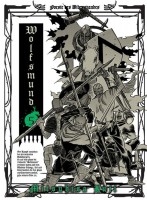
Wolfsmund, Volume 5Wolfsmund, Volumes 5-6 by Mitsuhisa Kuji. If I recall correctly, Wolfsmund was initially expected to end with the sixth volume, but it looks like there will be at least seven volumes if not more. Wolfsmund is an extraordinarily brutal manga and its violence is not at all romanticized. The fighting and torture is savage and cruel, making the series an uncomfortable read at times. In these two volumes of Wolfsmund, the Swiss rebellion continues its attack on the “Wolf’s Maw” of Sankt Gotthard Pass. Austrian reinforcements are expected, so their time is limited. They must overtake the barrier station and its bailiff as quickly as possible. Desperate measures are needed in order to accomplish that. The rebels literally throw their lives and bodies at the fortress, becoming willing participants in what amounts to a suicide mission. Even after breaching the outer defenses, they still have to contend with the traps found inside the barrier station itself and the clever design of a fortress built to withstand invasion from the outside. The deaths are gruesome and extremely unpleasant, but ultimately the rebels are able to overcome simply because they have a great number of people who are willing to die for their cause.

Filed Under: FEATURES, My Week in Manga Tagged With: Ken Akamatsu, Let's Dance a Waltz, manga, Masara Minase, Mitsuhisa Kuji, Natsumi Ando, UQ Holder, Wolfsmund

My Week in Manga: April 13-April 19, 2015

April 20, 2015 by Ash Brown

My News and Reviews

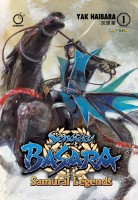
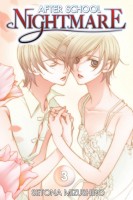
Two more in-depth manga reviews were posted at Experiments in Manga last week, and once again they were both for manga. Though, unlike the week before which featured newer manga, last week’s reviews focused on a couple of older titles, one of which is actually out of print. That would be After School Nightmare, Volume 3 by Setona Mizushiro. This is the last volume in the series that I had previously read before embarking on my monthly horror manga review project, so I’m particularly curious to see where the manga goes from here. But, since next month’s horror manga review will be Mushishi, Volume 3, I’ll have to wait until June to find out. The other review posted last week was for Yak Haibara’s Sengoku Basara: Samurai Legends, Omnibus 1. Technically, it’s an adaptation of the Sengoku Basara 2 video game, but no familiarity with the games are needed and it stands alone as its own work. In addition to the incredibly over-the-top and badass characters and fight sequences, there’s actually some legitimate history mixed in as well. I find the series highly entertaining.

There wasn’t a lot in the way of manga news and announcements that I saw last week. (Granted, I was pretty busy paying attention to more pressing matters). If I missed something noteworthy, please do let me know! I would, however, like to mention Vertical’s ask.fm account, which continues provide a bit of fun in addition to excellent insight into the North American manga industry. I was particularly interested in the answer to a question about the impact of libraries on book sales since I happen to be a librarian. Also, Seven Seas has an ask.fm account, too, which I tend to forget about for some reason. Elsewhere online, Organization Anti-Social Geniuses has an interesting article about a used bookstore owner who nabbed more than 400 volumes of manga without even really knowing a thing about manga. Finally, two of Deb Aoki’s manga articles for Publishers Weekly were recently released from behind a paywall: Manga Publishing Update, Spring 2015 and Manga Publishers Try Games, Erotica to Grow Market.

Quick Takes

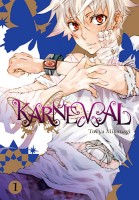
Karneval, Omnibus 1Karneval, Omnibus 1 (equivalent to Volumes 1-2) by Touya Mikanagi. Gareki is a fairly successful thief, but when a burglary doesn’t exactly go according to plan, he becomes the accidental protector of a strange young man called Nai and the both of them suddenly find themselves drawing the attention of Circus, a powerful association charged with dealing with criminals and situations regular law enforcement can’t handle. When Karneval was licensed, a resounding cry went up from its fans. I can definitely understand the appeal of the series. It has action and adventure, some sweetness as well as darkness, heroes with tragic backstories, mysteries and secret (and not-so-secret) organizations, quirky and attractive characters and designs (mostly men, but a few women as well), and so on. But although I thoroughly enjoyed parts of the first omnibus of Karneval, it didn’t quite grab my attention as much as I was hoping, or expecting, it would. I think this may be because the worldbuilding doesn’t feel as cohesive as I would like it to be. Mikanagi is smashing together some interesting and engaging elements and ideas, but they’re not quite meshing yet. However, I suspect the connections will become clearer as the series progresses.

Manga Dogs, Volume 3Manga Dogs, Volume 3 by Ema Toyama. The third volume of Manga Dogs is also its last. It’s an amusing gag manga, but I think three volumes is just about right for the series. If it was stretched out for too much longer, it would likely become tiresome. Manga Dogs requires a high-tolerance for shallow characters, foolish comedy, and general absurdity. Although there is something of an overarching storyline, Manga Dogs tends to be fairly episodic, relying on the jokes to carry the manga more so than the characters or plot. As for the plot, at this point in the series Tezuka’s manga Teach Me Buddha is unsurprisingly in danger of cancellation as is the school’s manga program. Tezuka and the three air-headed male students who have attached themselves to her must work together in order to stop that from happening. Anyone who has read the first two volumes of Manga Dogs probably already has a pretty good idea of how well that works. I find Manga Dogs to be funniest when the humor directly ties into the manga industry or the mangaka’s creative processes. Although it’s taken quite seriously by Tezuka and the others, I’d actually be interested in reading Teach Me Buddha as a parody of shoujo manga; it has the potential to be funnier than Manga Dogs manages to be.

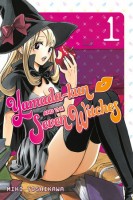
Yamada-kun and the Seven Witches, Volume 1Yamada-kun and the Seven Witches, Volume 1 by Miki Yoshikawa. I first learned about Yamada-kun and the Seven Witches when it was added to Crunchyroll Manga. I heard very good things about it at the time, and it sounded like something that I would enjoy, so I was very pleased when Kodansha Comics picked it up for print release. I’ll admit, I tend to enjoy body-swap manga, especially when there is some gender-swapping involved. (Which, now that I think about it, is probably more often the case than not.) Yamada-kun and the Seven Witches is one of the most entertaining examples of that particular subgenre that I’ve read recently. At this point, the series is definitely being played as a comedy. The trigger for the body-swapping is kissing, and there certainly is plenty of that in the first volume. Girls kissing guys. Guys kissing other guys. (Perhaps later on in the series, there will even be girls kissing other girls.) There are kisses for everyone! Not unexpectedly, there is also a bit of fanservice. However, for the most part it doesn’t tend to be overly sexualized and generally makes sense within context of the manga. Yoshikawa used to be an assistant to Fairy Tail‘s Hiro Mashima; some of that influence can easily be seen in the artwork of Yamada-kun and the Seven Witches.

Filed Under: FEATURES, My Week in Manga Tagged With: Ema Toyama, Karneval, manga, Manga Dogs, Miki Yoshikawa, Touya Mikanagi, Yamada-kun and the Seven Witches

Sengoku Basara: Samurai Legends, Vol. 1

April 17, 2015 by Ash Brown

Sengoku Basara: Samurai Legends, Omnibus 1Creator: Yak Haibara
U.S. publisher: Udon Entertainment
ISBN: 9781926778334
Released: April 2012
Original release: 2007-2008

Sengoku Basara, an outrageous reimagining of the people and events of Japan’s Warring States period, is a franchise that started out as a series of video games but expanded to include manga, anime, and radio shows among other media. Although I have been aware of Sengoku Basara for quite some time, I’ve somewhat surprisingly never actually played any of the games. Instead, my first direct experience with the franchise was through Yak Haibara’s manga series known in English as Sengoku Basara: Samurai Legends, an adaptation of the second game, Sengoku Basara 2 (which is also the Japanese title of the manga). The first volume of Udon Entertainment’s Samurai Legends was released in 2012. It’s actually an omnibus collecting the first two volumes of the Japanese edition, published in 2007 and 2008 respectively. Normally, I tend to shy away from video game adaptations, often finding them to be less than satisfying, but I liked Haibara’s artwork and so made an exception for Samurai Legends. I’m glad that I did, because the manga is a tremendous amount of fun.

June 2, 1582. Akechi Mitsuhide leads a rebellion against Oda Nobunaga, setting fire to Honnou Temple and burning those inside alive. With Nobunaga dead, Japan’s temporary peace is disrupted as warlords once again battle to gain control over the country. The power vacuum is quickly filled by Hideyoshi Toyotomi with the aid of his impressively skilled strategist Hanbei Takenaka. Currently, they’re in the best position to seize complete control, but they aren’t the only ones taking advantage of the recent upheaval. In the east, the young and brash Masamune Date is itching to make his move, his chance encounter with Shingen Takeda’s protegé Yukimura Sanada spurring him on. Meanwhile, further to the west, Takeda is locked at an impasse with the “God of War” Kenshin Uesugi. While the balance of power is shifting swiftly and dramatically, the appearance of the vagabond Keiji Maeda on the field of war only seems to hasten events.

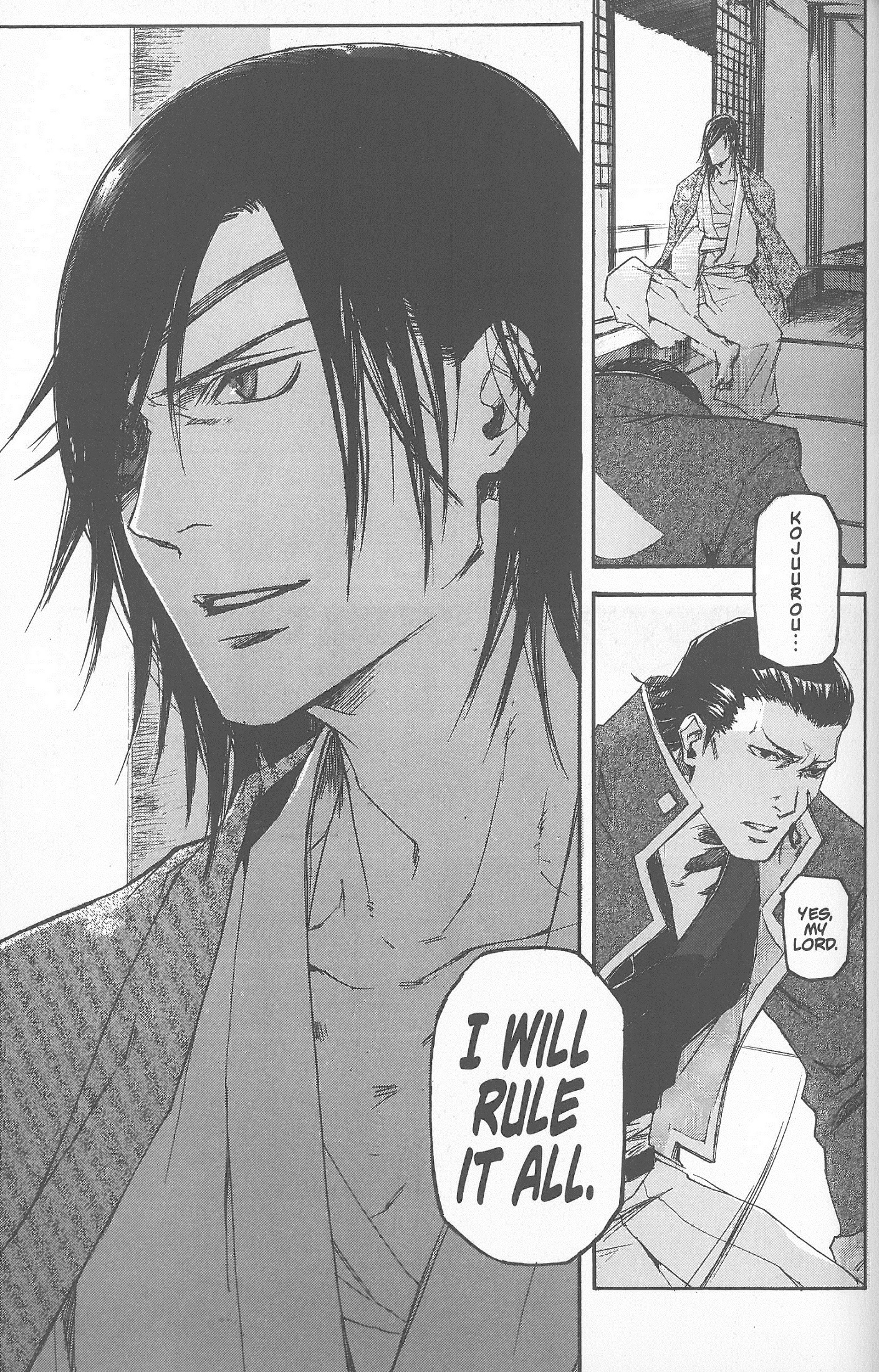
Sengoku Basara: Samurai Kings, Volume 1, page 87The Sengoku or Warring States period was an extremely tumultuous time in Japan, lasting from the fifteenth to seventeenth centuries. Conflict was nearly constant as alliances between military factions were repeatedly forged and broken, making for an exciting setting for a franchise like Sengoku Basara. While fairly loose with its interpretation of historical figures and events, one thing is for certain: the action and fighting in Samurai Legends is almost nonstop. It’s also ridiculously over-the-top and over-powered. Characters are incredibly strong and resilient. They each have their own style of fighting and distinctive weaponry that, frankly, are often absurd. I mean, Date fights with three swords in each hand and Takeda’s battle-axe is as big as a horse. And that’s only two examples. Samurai Legends includes anachronisms and is hardly realistic, but the manga’s badassery is bombastic, dynamic, and highly engaging as a result.

Surprisingly enough, there actually is some legitimate history mixed into the raucousness that is Samurai Legends, but the manga was never intended to be a primer or to be taken too seriously. Though I will admit, I do find it much easier to remember who was who historically having been exposed to their highly-fictionalized counterparts. The manga has a very large cast of important and memorable players. Though Date is arguably the lead in the series, every faction involved in the conflict has at least one moment in the series in which it takes precedence. Samurai Legends isn’t particularly subtle or nuanced with its story or characterizations—more often than not it’s just one spectacular fight scene after another—but the manga’s humor and intense drama, exciting action, and sheer audacity have their own charm and appeal. Honestly, I never expected that I would like series as much as I do, but I get a huge kick out of Samurai Legends and find it to to be extraordinarily entertaining.

Filed Under: REVIEWS Tagged With: manga, Sengoku Basara, Udon Entertainment, Yak Haibara

After School Nightmare, Vol. 3

April 15, 2015 by Ash Brown

After School Nightmare, Volume 3Creator: Setona Mizushiro
U.S. publisher: Go! Comi
ISBN: 9781933617244
Released: April 2007
Original release: 2005

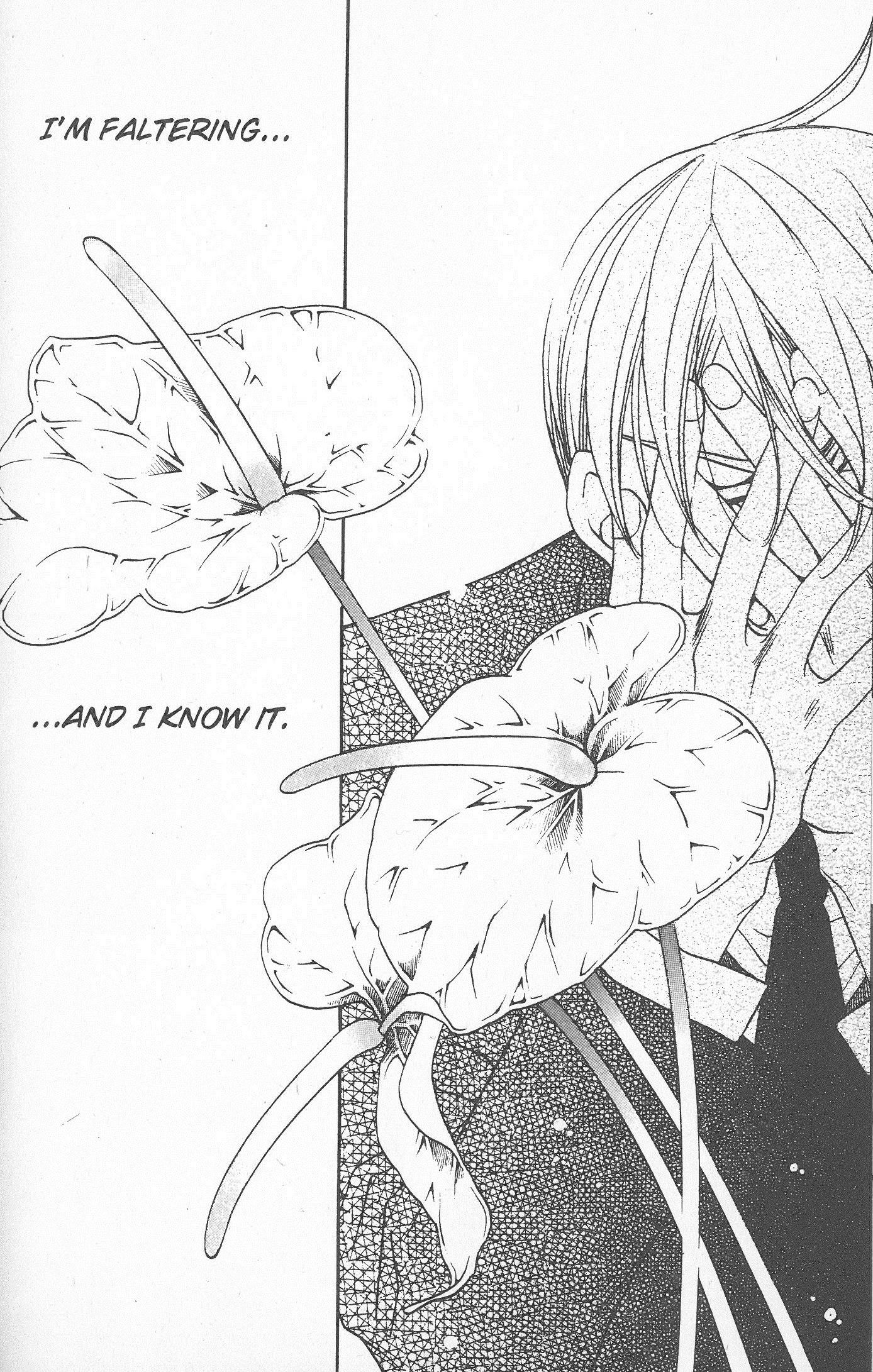
After School Nightmare is a ten-volume manga series created by Setona Mizushiro which has prominent psychological elements and an unsettling atmosphere. The series is currently out-of-print in English, but fortunately most of the volumes are still relatively easy to find. I initially read the first few volumes of After School Nightmare after borrowing them from my local library and made a point to collect the entire series based on the impression left on me by the early part of the manga alone. However, I never actually read any further than the third volume, in part because I found the series to be so effectively disconcerting (which I don’t necessarily consider to be a bad thing, especially for what could be considered a horror manga) and because some of the themes in the series are pretty hard-hitting and true-to-life, even if they are explored in a fantastic way. After School Nightmare, Volume 3 was originally published in Japan in 2005. The sadly now defunct Go! Comi released the English-language edition of the volume in 2007.

Every Thursday, Mashiro and a small group of other students attend a special class after school required for their graduation. In it they enter one another’s dreams, taking on forms representative of their true selves and forced to face the darkness that resides in their hearts. Many of these forms are so unlike the students’ appearances in their waking lives that it’s often impossible to know for certain who is who. At least that was true before Itsuki Shinonome joined the class. The youngest student at the school and a genius with an incredible intellect, he is prepared to leverage that privileged information in any way that he can in order to leave high school behind as quickly as possible. Knowing that Mashiro is desperate to uncover the identity of the student who takes on the form of the Black Knight in the dreams, Itsuki makes him a deal. In return for Mashiro helping and protecting him, as well as closely following his orders, Itsuki will reveal the name of the student who is the Black Knight, but only after he is able to complete the class.

After School Nightmare, Volume 3, page 130Over the last few volumes of After School Nightmare Mashiro has become increasingly obsessed with the identity of the Black Knight, and with good reason. He was assaulted by the Black Knight within the dreams and suspects that the knight may be the same person as Sou, another student who has been very forceful about his feelings for Mashiro. Mashiro wants to confirm whether or not his suspicion is correct, but he hasn’t really completely thought through what he will do with that information once he knows the truth or fully considered exactly how having that knowledge will change him. Already Mashiro finds himself thinking more and more about Sou—the thin line between hate and love becoming blurred to an even greater extent—and this has had major impacts on Mashiro’s other relationships, particularly on the one with his girlfriend Kureha. Something that Mizushiro has done especially well in After School Nightmare is capture the complexities and turmoil of interpersonal relationships and how they affect one another.

Through the genre of dark, psychological fantasy, After School Nightmare touches upon issues related to identity, gender, and sexuality. Although all three can be closely intertwined, gender specifically is frequently at the forefront of Mashiro’s mind since his body has both male and female characteristics. He is so concerned about being seen as a man by others that he immediately rejects anything feminine about himself, blaming that side of him for all of his weaknesses instead of taking full responsibility for his actions and feelings. But as Itsuki points out, girls have to deal with plenty of challenges and unfair situations every day of their lives; simply existing within society requires and demands incredible strength from them. Mashiro’s attitude towards gender roles in the first two volumes of After School Nightmare was very traditional, so I’m glad to see his rigid assumptions and beliefs being shaken up a bit. Of course, this will force him to completely reevaluate who he is as a person, which will be a difficult and perhaps even traumatic process, especially as he was already struggling with establishing and accepting his own identity.

Filed Under: REVIEWS Tagged With: after school nightmare, Go! Comi, manga, Setona Mizushiro

My Week in Manga: April 6-April 12, 2015

April 13, 2015 by Ash Brown

My News and Reviews

I posted two reviews last week at Experiments in Manga that featured some of Kodansha Comics’ newest series: Masayuki Ishikawa’s Maria the Virgin Witch, Volume 1, released back in February, and Naoshi Arakawa’s Your Lie in April, Volume 1, which will be released later this month. The main reason I picked up Maria the Virgin Witch was because Ishikawa was the creator of Moyasimon. I really wasn’t expecting to like it as much as I did, but now I’m very interested in reading the rest of the series. Your Lie in April caught my attention because it’s a music manga. It has the potential to become rather melodramatic, but I did enjoy the first volume and plan on reading more.

Last week also saw the release of Gamon Sakurai’s Ajin: Demi-Human, Volume 4 from Vertical. I’m actually quoted on the back cover, a blurb taken from my review of the first volume. This is all very exciting, although my legacy will now probably be that of an ignorant reviewer who spouts nonsense about production values and the quality of paper. Although I thought it looked nice, it turns out Ajin is actually printed on one of the cheaper, thinner stocks used by Vertical. Anyway. Lesson learned! I also discovered that a much more flattering quote of mine from a quick take last year was used for the final volume of Tetsuya Tsutsui’s Prophecy, except that it was credited to Manga Bookshelf. So it goes!

Elsewhere online, Lori of Manga Xanadu has recently been putting together some interesting lists of manga. A few weeks ago she featured sewing and fashion manga and last week focused on manga which include books with great power. Organization of Anti-Social Geniuses posted the transcription of the panel with Abigail Blackman on manga editing, lettering, and Japanese nuance. from the Castle Point Anime Con. Geeks OUT! has an exclusive interview with Jiraiya (one of the creators featured in the Massive gay manga anthology) from his recent North American tour. And Zero Comprehension has a brief guide to the official releases of the Golgo 13 manga in English.

In licensing-ish news, Digital Manga has launched another Tezuka Kickstarter for Clockwork Apple and is making plans for its next yaoi Kickstarter. Unrelated, there’s also a Kickstarter project for an original-English boys’ love anthology that looks quite good—Boy, I Love You. Viz Media has licensed the Yo-Kai Watch manga series for its Perfect Square imprint. I don’t often mention anime licenses, but I was very excited to learn that Discotek Media will be releasing Library Wars and Dororo. Finally, Sparkler Monthly has added the reboot of Jennifer Doyle’s excellent webcomic Knights-Errant. (Also, the most recent Sparkler Podcast talks about josei manga and the differences between the Japanese manga industry and the North American comics industry, among other topics.)

Quick Takes

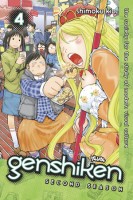
Genshiken: Second Season, Volume 4Genshiken: Second Season, Volumes 4-6 by Shimoku Kio. For some reason, I don’t find the second season of Genshiken to be as engaging as the original manga series. I haven’t quite been able to identify why yet, though I suspect it may be because most of the newer characters haven’t seen much development in the recent volumes and the characters from the first “season” feel like they’re invading the new series. I think Genshiken works best for me with an ensemble cast. While there are still plenty of characters in the manga as well as regular plot tangents, lately the story has primarily focused on just a few. Admittedly, the two characters who are getting the most attention, namely Madarame and Hato, happen to be my favorites in the series. Hato in particular is marvelous. He’s going through some significant personal turmoil over his cross-dressing and love of boys’ love, which has a tremendous impact on the rest of the story and characters. And apparently just about everyone is in love with Madarame. But as interesting as the increasingly convoluted relationships in the series are, at this point what I really want is to know more about the other club members.

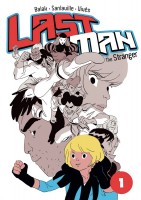
Last Man, Volume 1: The StrangerLast Man, Volume 1: The Stranger by Bastien Vivès, Michael Sanlaville, and Balak. Despite France being one of the world powerhouses of comics creation, relatively few French comics have been translated into English, especially when compared to the number of manga available. Last Man, which is in part inspired and heavily influenced by shōnen battle manga, has been very well received in France. And now, thanks to First Second, it’s available in English. (I believe Last Man may actually the first comic in translation that has been released by First Second.) Adrian is a young boy who has been training hard for his first fighting tournament, but when his teammate gets sick, it looks like he won’t be able to compete. Enter Richard, the titular stranger and a physically imposing man, who also needs a partner in order to compete. They make a peculiar pair: Adrian hasn’t quite mastered the magic and special techniques of his martial style, and Richard relies completely on his fists and strength. He also doesn’t appear to actually know the rules of the tournament, which poses a bit of a problem. So far, Last Man is delightfully engaging; I’m really looking forward to reading more of the series.

Missing RoadMissing Road by Shushushu Sakurai. Before quietly disappearing, DramaQueen released two final manga by Sakurai, Junk! and Missing Road. What particularly caught my attention about these two manga was the fact that they were science fiction—a genre that I’ve rarely seen in translated boys’ love manga. Missing Road specifically was described as “an epic sci-fi adventure of love, loss, and redemption.” Sadly, although some of Sakurai’s ideas certainly had great potential and I did like the setting, Missing Road doesn’t quite live up to that promise. The manga would have been more successful from a narrative standpoint if Sakurai could have expanded the story over the course of multiple volumes. As it is, she tries to cover too much ground in a single installment and many of the manga’s elements feel underdeveloped or truncated as a result. There are important close and intimate relationships, but Missing Road isn’t really a love story and is instead more about brutal war and revenge. Most of the sex is of a violent nature and rape occurs on several different occasions. The English-language edition was actually censored (with permission from Sakurai) for fear of United States child pornography laws.

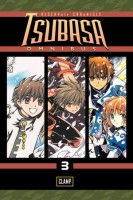
Tsubasa: Reservoir Chronicle, Omnibus 3Tsubasa: Reservoir Chronicle, Omnibus 3 by CLAMP. With this omnibus, I have entered into territory that I previously didn’t have the opportunity to read before Tsubasa originally went out-of-print in English. At this point, I’m still enjoying the series. It’s not always the most emotionally compelling manga (although admittedly it can sometimes be heart-wrenching), but Tsubasa is definitely a solid adventure tale. The manga’s premise allows CLAMP to very creative and develop world after world, each one different from the ones preceding and following it and each with its own challenges and dangers to be faced. Nods to other CLAMP manga and characters are still prevalent, and I assume this will likely be true for the entire series. This particular omnibus prominently features RG Veda, which I haven’t actually read, so I probably don’t appreciate the references as much as someone who has. It looks like the alternate version of Seishirō from Tokyo Babylon and X will be an important antagonist in Tsubasa as well. The series Tsubasa most directly crosses over with is xxxHolic. This connection actually works very well for Tsubasa, but I find it somewhat distracting when reading xxxHolic.

Filed Under: FEATURES, My Week in Manga Tagged With: Balak, Bastien Vivès, clamp, comics, Genshiken, Last Man, manga, Michael Sanlaville, Shimoku Kio, Shushushu Sakurai, tsubasa

Your Lie in April, Vol. 1

April 10, 2015 by Ash Brown

YourLieApril1Creator: Naoshi Arakawa
U.S. publisher: Kodansha
ISBN: 9781632361714
Released: April 2015
Original release: 2011
Awards: Kodansha Manga Award

Your Lie in April is the first and so far only manga series by Naoshi Arakawa to have been released in English. Arakawa is still fairly early on in his career—Your Lie in April was only his third major work—but the series earned him a Kodansha Manga Award in 2013 for Best Shōnen Manga. The first volume of the eleven-book series was originally published in Japan in 2011. In English, the manga was released by Kodansha Comics in 2015. The entirety of Your Lie in April was adapted into an anime series between 2014 and 2015, which is how I first learned about the manga. My interest in the series primarily stems from the prominent role that music has to play in the manga. Music is something that is incredibly important to me and continues to be a major part of my life. Probably unsurprisingly, I tend to enjoy music manga. And so, I was particularly happy to receive an early copy of Your Lie in April from Kodansha for review.

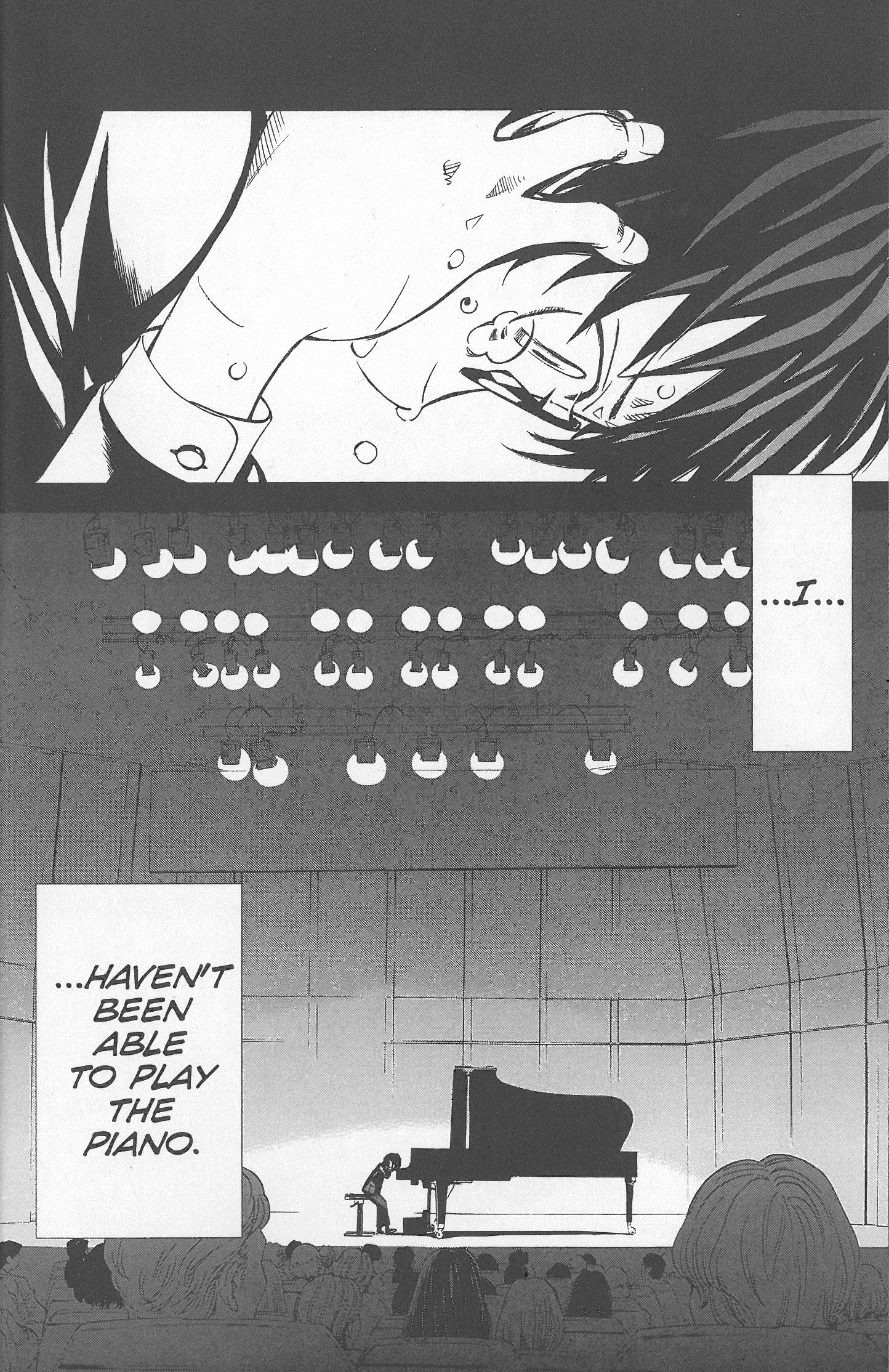
Kosei Arima was a child prodigy, admired for his skill and success as a pianist, winning competition after competition. But ever since his mother died and he had a breakdown in the middle of a performance on stage when he was eleven, he hasn’t been able to play the piano. Not for others and not even for himself. Piano was such an integral part of Kosei’s life that he seems to be somewhat lost without it and he hasn’t been able to completely let music go. Several years have passed since then, leaving Kosei a rather withdrawn and gloomy young man. But then he meets Kaori Miyazono, an extremely passionate violinist who attends the same middle school that he does. Kaori plays the way that she wants to play, disregarding traditional interpretations and technique to make the music her own. Though he is still reluctant and hesitant, watching Kaori’s enthusiastic, free-spirited performances has reignited something within Kosei and she and his friends are determined to see him play once again.

Your Lie in April, Volume 1, page 6A particular challenge faced by music manga like Your Lie in April is expressing sound in a visual medium. It takes more than simply throwing notes on the page to effectively convey the feeling of music in a comic. For the most part, Arakawa handles this aspect of the series quite well. The music itself isn’t heard, but the expressions and reactions of the listeners and musicians, the impact created by the music, can readily be seen. Perhaps the best example of this in Your Lie in April, Volume 1 is Kaori’s performance during a violin competition. The violinists before her are poised and fairly reserved in their playing, but Kaori uses her entire body to emote and express the music. This and the stunned faces of the audience members make it very clear that her invigorated style is drastically different and unexpected. But while music is obviously an important part of Your Lie in April, the real focus of both the artwork and the storytelling is on people’s experiences of that music.

Kosei’s relationship with music, and specifically with playing the piano, is a complicated one. He is struggling with intense psychological distress and it is revealed very early on in Your Lie in April that his mother physically, and very likely emotionally, abused him as well, trying to force her own dreams onto her son. Whether he is aware of it or not, Kosei’s feelings towards music and the piano are very much tied up with his feelings towards his mother. Underneath a relatively calm exterior is a turmoil of conflicting emotions that includes both love and hatred and even some fear. Deep down, Koesi does still seem to have the desire to continue playing the piano, though he denies it to himself and to others. It’s something that he will have to face head-on eventually, but Kaori’s influence threatens to make it something that he will have to deal with sooner rather than later, perhaps even before he’s really ready. I am very curious to see how Your Lie in April continues to develop and the steps Kosei may take to overcome his trauma.

Thank you to Kodansha for providing a copy of Your Lie in April, Volume 1 for review.

Filed Under: REVIEWS Tagged With: kodansha, Kodansha Comics, Kodansha Manga Award, manga, Naoshi Arakawa, Your Lie in April

Maria the Virgin Witch, Vol. 1

April 8, 2015 by Ash Brown

Maria the Virgin Witch, Volume 1Creator: Masayuki Ishikawa
U.S. publisher: Kodansha
ISBN: 9781632360809
Released: February 2015
Original release: 2010

I’ll admit, when I first heard about the manga series Maria the Virgin Witch, I was more than a little skeptical. I’m not particularly interested in witches, which seem to be nearly as common as vampires in translated manga these days, and the emphasis placed on the heroine’s virginity seemed like it could be a little suspect. But then I realized that Maria the Virgin Witch was by Masayuki Ishikawa, the creator of Moyasimon, a quirky manga about microbes and fermentation that I enjoyed immensely. (Sadly, only two volumes of Moyasimon were ever released in English.) If for no other reason, I wanted to give Maria the Virgin Witch a chance because of my love for Moyasimon. I’m very glad that I did; the first volume turned out to be a very promising and intriguing start to the short series. Maria the Virgin Witch, Volume 1 was initially published in Japan in 2010 while the English-language edition was released by Kodansha Comics in 2015.

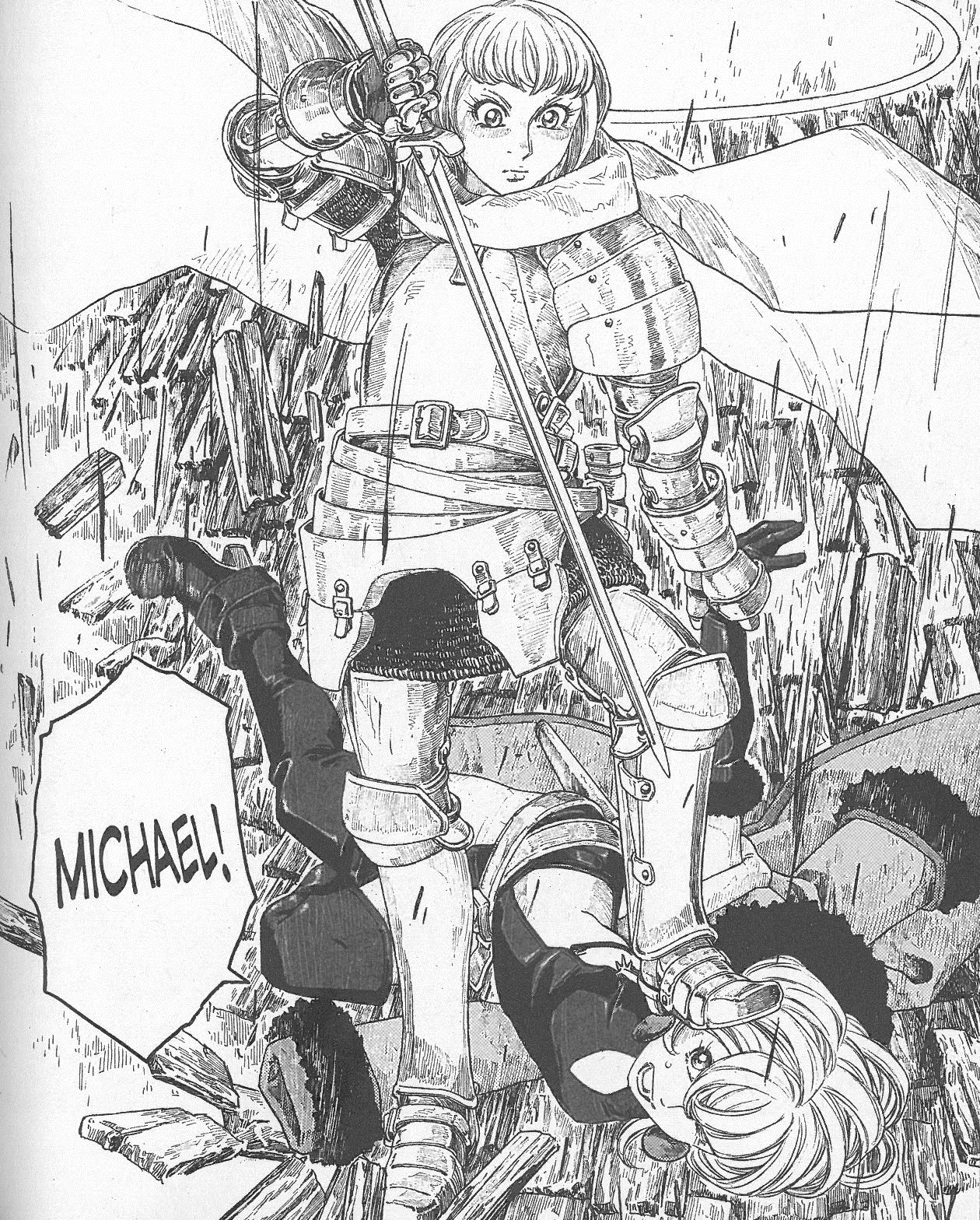
During the first half of the fifteenth century, England and France were still locked in the Hundred Years War, many of the battles being waged on French soil. Maria is a powerful but young witch living in France. She abhors the killing and senseless violence and so does what she can to disrupt the conflict and protect the villages and people who live near her woods. She has discovered one particularly effective method: by sending an owl familiar in the form of a succubus among the leaders of the armies on the eve of major battles, they often lose their will to fight or their interest in the impending confrontation. However, sometimes more direct action is required and Maria will summon great beasts to wreak havoc and chaos on the battlefield. But causing such a spectacle carries with it the danger of drawing the attention of Heaven and the risk of incurring the wrath of the Archangel Michael. There is a proper order to the world, and Maria poses a threat to it.

Maria the Virgin Witch, Volume 1, page 118 Maria’s outlook on life (as well as her and her familiars’ character designs) does tend to be more contemporary than the rest of the manga’s setting, but I really like her as a character. She has strong convictions, and she is prepared to act on them, doing what she can to right the injustices she sees in the world. Michael and others criticize her for her interference and audacity; Maria is very forthright with her feelings and opinions. She is young, and perhaps a little naive, but I admire her earnestness. Despite her anger and frustration, she has yet to become embittered by the world.  Maria honestly and wholeheartedly cares about people, especially those who are powerless or taken advantage of. Though some of her methods might not be considered to be particularly respectable by most, she and the people she protects believe her to be a force for good. Even so, Maria is considered to be a heretic by the Catholic Church, an institution for which she quite obviously holds no love.

Although Maria the Virgin Witch explores some fairly serious subjects—religion, morality, power dynamics, sexuality—the manga also includes a good deal of humor. Much of the comedy has to do with sex in one way or another, but some of it simply relies of the quirkiness of the characters. Maria, for example, is old enough to be curious about sex, but is still completely embarrassed at even the mere thought of seeing a man naked. As a result Priapus, the incubus she creates, is rather indistinct where it counts and is generally just put in charge of cooking and running errands. The first volume of Maria the Virgin Witch can be a bit crass at times (personally, I could have done without the repeated “cry for me like a little whore”-type comments), but overall the manga is a surprisingly layered work. The more I think about it, the more it grows on me, and the more I want to read the rest of the series. So far, Maria the Virgin Witch is a very interesting mix of historical fiction and fantasy that can be both entertaining and sobering.

Filed Under: REVIEWS Tagged With: kodansha, Kodansha Comics, manga, Maria the Virgin Witch, Masayuki Ishikawa

My Week in Manga: March 30-April 5, 2015

April 6, 2015 by Ash Brown

My News and Reviews

An interesting variety of things was posted last week at Experiments in Manga. First of all, I had the privilege and opportunity to announce one of Sparkler Monthly‘s most recent additions, Kôsen’s Lêttera, a three-volume comic that was originally published in Spain. The winner of the Yukarism giveaway was announced last week as well. The post also includes a list of manga that feature reincarnation. As for reviews, I took a look at Akira Arai’s debut novel A Caring Man which shared the inaugural Golden Elephant Award grand prize with Fumi Nakamura’s Enma the Immortal. Whereas Enma the Immortal is historical fiction with fantastical elements, A Caring Man is a contemporary crime thriller that by and large is very believable. Finally, over the weekend I posted March’s Bookshelf Overload, which features a slightly less absurd amount of manga than most months.

Elsewhere online, Organization Anti-Social Geniuses has been posting some great manga-related content, including recording of a panel with manga editor and letterer Abigail Blackman from the Castle Point Anime Convention and a quick interview with editor Brendan Wright about Dark Horse’s upcoming release of Makoto Yukimura’s Planetes. (I’m very excited for this license rescue! I already own Tokyopop’s edition of the series, but Dark Horse’s sounds like it will be great, so I’ll most likely be double-dipping.) And speaking of Dark Horse, the final volume of Hiroaki Samura’s Blade of the Immortal was released last week. Robot 6 has an interview with Philip Simon reflecting on the manga’s end. Chic Pixel has a guide on how to import manga cheaply from Amazon Japan. Throughout March, the Comic Book Legal Defense Fund posted a series of articles, Women Who Changed Free Expression, the last of which focused on the influential 24 Nengumi, or the Year 24 Group, as the female progenitors of shoujo manga.

Anime Boston took place over the weekend. Both Yen Press and Kodansha Comics had some pretty exciting announcements to make. Yen Press has licensed thirteen new manga, some of which will be digital-only releases. The two print releases that particularly caught my attention were the omnibus edition of Yowamushi Pedal, particularly surprising since it’s a sports manga that’s nearly forty volumes lone and still ongoing in Japan, and the yonkoma Monthly Girls’ Nozaki-kun which, if it’s anywhere near as good as the anime adaptation, should be fantastic. As for Kodansha’s announcements, Attack on Titan, Volume 16 will have a special edition. New licenses include Ninja Slayer Kills, two video game-related manga—Persona Q and Devil Survivor—and Junji Ito’s Cat Diary, which is the one I’m personally most excited for. Also revealed was the status of Vinland Saga, which had temporarily been suspended. Basically, only two more volumes are guaranteed to be released unless sales for the series improve. Vinland Saga is magnificent; if you haven’t already given it a try, this would be the time to do it!

Quick Takes

Barakamon, Volume 2Barakamon, Volumes 2-3 by Satsuki Yoshino. While I largely enjoyed the first volume of Barakamon, I wasn’t particularly blown away by it. Still, I was interested in reading more of the series. I’m glad that I did, because it’s really starting to grow on me. Barakamon does have a little bit of a story to it—the once successful and respected calligrapher Seishuu has moved to a remote island to regain his composure and maybe find some inspiration—but mostly the series is about its characters and their interactions with one another. Even though he’s still a city-boy at heart, Seishuu has started to settle in on the island and isn’t nearly as out-of-place as he once was. The humor seems to now be a little less about the differences between country folk and people from more urban areas (although there still is plenty of that, especially when a couple of Seishuu’s friends and admirers from Tokyo show up) and more about the characters’ individuality and quirkiness. I am glad to see Seishuu relax somewhat and lose a bit of his arrogance from the first volume. In general he’s becoming a much more likeable character, which is probably part of the point of the series.

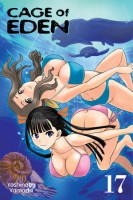
Cage of Eden, Volume 17Cage of Eden, Volume 17 by Yoshinobu Yamada. Finally! The monsters have returned! Well, technically it’s only one monster (not counting the absolutely terrible people), but it’s a pretty big deal. The dinosaurs and creatures are some of the only things I actually like about Cage of Eden; they’ve been largely missing from the last few volumes, so I was glad to see them back in such a dramatic way. Most of the seventeenth volume is devoted to an intense, and most likely deadly, battle against a man-made, genetic monstrosity. Probably best described as a chimera, the creature is formidable and extremely dangerous. The students make some extraordinarily bad decisions when it comes to confronting the beast, which really makes me wonder how they’ve managed to survive for so long. (Granted, the body count in Cage of Eden is pretty high.) The fight hasn’t concluded by the end of the volume, though I suspect it won’t last too much longer. One of the good things about Cage of Eden suddenly focusing on action is there is less opportunity for the more obnoxious fanservice to interrupt the story. Some of the girls even get to put up a decent fight. (At least at first.)

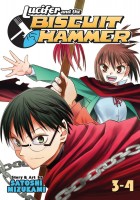
Lucifer and the Biscuit Hammer, Omnibus 2Lucifer and the Biscuit Hammer, Omnibus 2 (equivalent to Volumes 3-4) by Satoshi Mizukami. I wasn’t really sure what to expect from Lucifer and the Biscuit Hammer and reading the first omnibus didn’t help much with that, but I thoroughly enjoyed it. Sadly, I wasn’t nearly as taken with the second omnibus. I still enjoyed it, and I still plan on reading more of the series, but Lucifer and the Biscuit Hammer seems to have lost a little of its spark for me. Maybe I’ve just gotten used to its strangeness, but at the same time that’s also what I enjoy most about the series. Lucifer and the Biscuit Hammer is just so marvelously weird. At times the manga can be surprisingly dark, too, which I also appreciate. In the second omnibus, a slew of new characters are introduced as the identities of the rest of the Beast Knights are uncovered, although some of them are discovered to already be dead. All of them are rather eccentric with pasts that have some significant pain or sadness to them. The mage who plans on destroying the planet makes several appearances as well, and to some extent his motivations are explained, too. Much like the rest of the series, he’s not quite what one might expect.

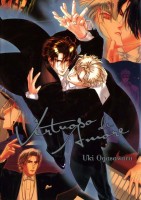
Virtuoso di AmoreVirtuoso di Amore by Uki Ogasawara. I was primarily drawn to Virtuoso di Amore for two reasons, the role that music plays in the boys’ love manga and the fact that it was created by Ogasawara. I enjoyed parts of her short and very smutty series Black Sun, currently the only other manga of hers available in English. (Techincally, Chronicle of the Divine Sword was at one point licensed, but I don’t think it was ever actually published.) Virtuoso di Amore follows Kenzo Shinozuka, a failed classical pianist (mostly due to his volatile temper), who has been hired by an aristocrat to live in his manor and play for him every night. His patron is Lorenzo Carlucci who, it turns out, used to attend the same music school as Kenzo. Lorenzo is determined to help Kenzo remake is name as a musician. I really liked the basic premise of Virtuoso di Amore as well as its dark ambiance and fervent drama, but Ogasawara’s storytelling is unfortunately disjointed and occasionally difficult to follow. For example, Lorenzo and Kenzo fall in love, or at least in lust, very suddenly, which makes me think their relationship at school must have been much more involved than is implied elsewhere in the manga.

Filed Under: FEATURES, My Week in Manga Tagged With: Barakamon, Cage of Eden, Lucifer and the Biscuit Hammer, manga, Satoshi Mizukami, Satsuki Yoshino, Uki Ogasawara, Yoshinobu Yamada

Manga Giveaway: Yukarism Giveaway Winner

April 1, 2015 by Ash Brown

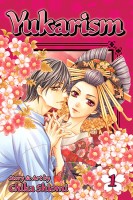
Yukarism, Volume 1And the winner of the Yukarism manga giveaway is… Haley!

As the winner, Haley will be receiving the first volume of Chika Shiomi’s manga series Yukarism as published by Viz Media’s Shojo Beat. Because Yukarism has a plot that prominently features reincarnation, I was curious to know what other reincarnation stories people have enjoyed and so asked participants in the giveaway to tell me. Check out the giveaway comments for everyone’s responses, and check out below for a list of reincarnation manga!

Some of the manga licensed in English featuring reincarnation:
07-Ghost by Yuki Amemiya
9th Sleep by Makoto Tateno
Angel Sanctuary by Kaori Yuki
Apollo’s Song by Osamu Tezuka
Aquarion Evol written by Shoji Kawamori, illustrated by Aogiri
The Betrayal Knows My Name by Odagiri Hotaru
A Bloody Kiss Tonight by Makoto Tateno
Bride of Deimos written by Etsuko Ikeda, illustrated by Yuho Ashibe
Ceres: Celestial Legend by Yuu Watase
Enchanter by Izumi Kawachi
Gate 7 by CLAMP
Genju no Seiza by Matsuri Akino
Himeyuka & Rozione’s Story by Sumomo Yumeka
Immortal Rain by Kaori Ozaki
InuYasha by Rumiko Takahashi
Kamunagara: Rebirth Of The Demonslayer by Hajime Yamamura
Kannazuki No Miko: Destiny of Shrine Maiden by Kaishaku
Mouryou Kiden: Legend of the Nymph by Tamayo Akiyama
Night of the Beasts by Chika Shiomi
NG Life by Mizuho Kusanagi
Ninth Life Love by Lalako Kojima
Oyayubihime Infinity by Toru Fujieda
Phantom Thief Jeanne by Arina Tanemura
Phoenix by Osamu Tezuka
Please Save My Earth by Saki Hiwatari
Pieces of a Spiral by Kaimu Tachibana
Sailor Moon by Naoko Takeuchi
Seimaden by You Higuri
Sengoku Nights written by Kei Kusunoki, illustrated by Kaoru Ohashi
Sherlock Bones written by Yuma Ando, illustrated by Yuki Sato.
Tower of the Future by Saki Hiwatari
Tale of a White Knight by Tooko Miyagi
Tuxedo Gin by Tokihiko Matsuura
Yukarism by Chika Shiomi
Vampire Game by Judal

I know for a fact that the above list is incomplete and that there are more reincarnation manga out there, but it’s probably a decent place to start for anyone looking for a reincarnation story to read. Thank you to everyone who shared your favorites with me; I hope you’ll join in for the next giveaway, too!

Filed Under: UNSHELVED Tagged With: Chika Shiomi, manga, Yukarism

My Week in Manga: March 23-March 29, 2015

March 30, 2015 by Ash Brown

My News and Reviews

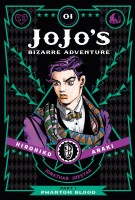
Well, it wasn’t really intentional, but last week at Experiments in Manga was apparently Viz Media week. Both of the in-depth manga reviews posted as well as the most recent manga giveaway feature Viz Media titles. The winner of this month’s giveaway will be announced on Wednesday, so there is still time to enter for a chance to receive Chika Shiomi’s Yukarism, Volume 1. The first review posted last week was of JoJo’s Bizarre Adventure, Part 1: Phantom Blood, Volume 1, the very beginning of Hirohiko Araki’s long-running, outlandish, supernatural epic. It can be pretty brutal and the manga certainly won’t be to everyone’s taste, but I’m very happy to finally see it being released in English. Over the weekend I posted my review of Aya Kanno’s Requiem of the Rose King, Volume 1, a moody historical fantasy inspired by William Shakespeare’s Henry VI and Richard III. The debut of this series was one of the manga I was most looking forward to this year. I’m very happy to say that I loved it.

And speaking of Aya Kanno, it was recently announced that she will be one of the featured guests at this year’s Toronto Comic Arts Festival! (TCAF is currently the only large comics event that I attend.) Gengoroh Tagame, who was a featured guest in 2013, will be returning to TCAF this year as well. Ken Niimura (whose collection of short manga Henshin I thoroughly enjoyed and reviewed back in February) will also be an exhibitor. And since I mentioned Niimura, I would also like to point out Organization Anti-Social Geniuses’ interview with him from last week. Completely unrelated to TCAF, Seven Seas made a new license announcement—the first volume of Arata Yamaji’s manga series A Certain Scientific Accelerator is currently scheduled for release in October.

Quick Takes

The Man of TangoThe Man of Tango by Tetuzoh Okadaya. Originally licensed but never actually published by Aurora’s Deux Press, I was very happy when Sublime Manga picked up Okadaya’s boys’ love manga The Man of Tango. The English-language edition of The Man of Tango includes the story’s debut one-shot as well as previously unpublished material, making it the most complete version of the manga currently available. Though technically a boys’ love manga, with its burly character designs and emphasis on physicality, the tone of The Man of Tango is fairly masculine and the volume feels more like a gay manga. (Interestingly enough, Okadaya apparently didn’t even know what BL was before being invited to create the story.) As can be safely assumed from the title alone, tango plays a very prominent role in The Man of Tango. Dance is portrayed as a means of passionate expression and communication. Angie is a skilled dancer who teaches Argentine tango in Japan. Although he has been in many relationships, it isn’t until he meets Hiro, who exhibits a natural talent for tango, that he has completely fallen for someone.

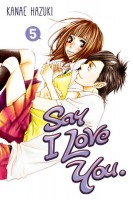
Say I Love You, Volume 5Say I Love You, Volumes 5-6 by Kanae Hazuki. I become more and more impressed with Say I Love You the more I read of the series. Hazuki has captured the turmoil and insecurities of adolescence incredibly well. Sometimes the characters do seem a little wise or mature for their age, but generally the series remains well within the realm of believability. At the very least, the constantly shifting and messy interpersonal relationships of the series feel very realistic. Say I Love You excels at character growth and development. The recent introduction of new characters have complicated matters greatly for Mei and Yamato. Kai has started to develop feelings for Mei and he tends to be honest to a fault, which results in a significant amount of drama and strife as Yamato struggles with how to deal with his jealously. Another source of discord is Megumi. Her advances were rejected by Yamato and so she is doing everything that she can to disrupt Mei’s friendships and make her miserable. Mei, who is still learning to have confidence in herself and in her relationships with other people, is particularly susceptible to this sort of attack.

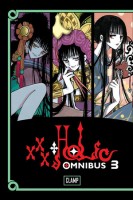
xxxHolic, Omnibus 3xxxHolic, Omnibuses 3-4 (equivalent to Volumes 7-12) by CLAMP. I only read the first few volumes of xxxHolic when it was initially being published in English by Del Rey Manga, so the material included in these omnibuses is completely new to me. While Watanuki still tends to be extreme in his reactions—quickly moving between utter joy and absolute despair—for the most part the tone of xxxHolic has started to even out and the balance between the series’ humor and the horror is better. There continue to be comedic elements, but the manga’s more serious nature has come to the forefront. Though frequently it’s deliberately cryptic, at times the manga can actually be fairly thought-provoking. xxxHolic has turned out to be far less episodic than I thought it was going to be. Some of the chapters don’t have a dramatic or direct impact on the story, but an overarching plot has developed. The series also ties in with Tsubasa: Reservoir Chronicle, but the connection between the two manga occasionally seems a little forced. I find that I enjoy xxxHolic more when it’s completely free to be its own work.

Filed Under: FEATURES, My Week in Manga Tagged With: clamp, Kanae Hazuki, manga, Say I Love You, Tetuzoh Okadaya, xxxholic

Requiem of the Rose King, Volume 1

March 29, 2015 by Ash Brown

Requiem of the Rose King, Volume 1Creator: Aya Kanno
U.S. publisher: Viz Media
ISBN: 9781421567785
Released: March 2015
Original release: 2014

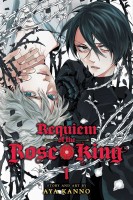
The English-language release of Aya Kanno’s Requiem of the Rose King was one of the manga that I was most looking forward to in 2015. Several of Kanno’s series have previously been translated into English—Soul Rescue, Blank Slate, and Otomen—all of which are quite different from one another, and Requiem of the Rose King is different still. I tend to enjoy Kanno’s work, but I was particularly interested in Requiem of the Rose King because the series is based on William Shakespeare’s Henry VI and Richard III, the first tetralogy of a series of plays that dramatize the Wars of the Roses, a dynastic conflict over the English crown in the fifteenth-century. I adore Shakespeare (I actually used to perform monologues competitively as part of my high school’s speech and drama team back in the day) and so was excited to learn about Kanno’s adaptation and thrilled when Viz Media licensed it. Requiem of the Rose King, Volume 1 was first released in Japan in 2014 while Viz’s English-language edition was published in 2015.

Young Richard is the third son of the Duke of York, a man who many believe to be the rightful successor to England’s throne. The current king, Henry VI, inherited rulership from his father as a child, but the Lancasters are accused of usurping the crown when their house executed King Richard II for treason. Richard desires nothing more than to see his father crowned king and as his son to prove himself worthy of his noble lineage. But Richard’s fate is a troubled one. His body, not fully male, is considered to be deformed and weak, a sign of demonic influence. He is plagued by nightmares, visions, and seemingly prophetic dreams. Richard is adored by his father and loved by his older brothers, but his mother despises him, believing his cursed existence to be a harbinger of evil and death and ashamed of her role in bringing him into the world. Whether or not it is because of Richard’s presence, that world is about to descend into chaos and civil war as the Yorks and the Lancasters vie for the crown.

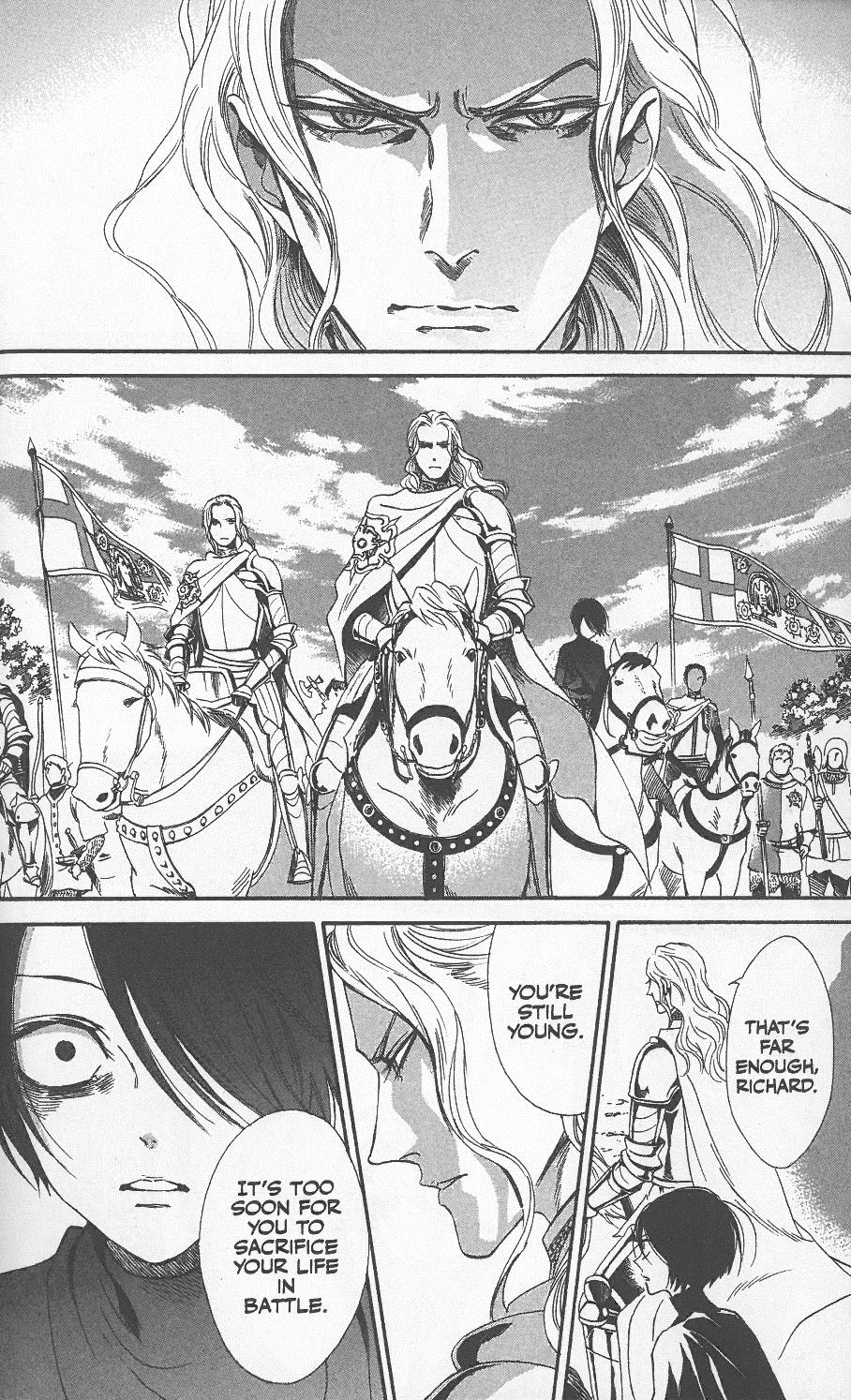
Requiem of the Rose King, Volume 1, page 58Requiem of the Rose King is not a strict adaptation of Shakespeare’s plays. Instead, Kanno uses them as a source of inspiration, remixing, as she describes it, the characters, dialogue, and settings of Shakespeare’s originals to create a distinct work of her own. The manga’s English translation is excellent. With their refined formality and elegance, the patterns of speech, dialogues, and monologues are reminiscent of Shakespeare without necessarily quoting directly from his plays. A reader does not at all need to be familiar with Henry VI or Richard III to enjoy Requiem of the Rose King. One of the most striking differences between Requiem of the Rose King and Shakespeare’s dramas is the portrayal of Richard. At this point in the series, Kanno’s Richard is a much more sympathetic character than Shakespeare’s ever was. However, there is still a tense and ominous atmosphere that surrounds him in Requiem of the Rose King. It is very clear that the first volume of the manga is a prelude to even grater tragedies to come.

There is always a danger of disappointment when anticipating a manga to such a great extent, but I can honestly say that I loved the first volume of Requiem of the Rose King. It’s theatric and dramatic, with appealing artwork and interesting interpretations of historical figures. Because Requiem of the Rose King is based on plays that were already dramatizations of actual persons and events, the series isn’t rigorous in its historical accuracy. However, I find Kanno’s version to be both fascinating and immensely engaging. The manga is a bit fragmented in its storytelling, quickly moving from one scene to the next and to from time to time overlapping dreams and reality, but I feel this effectively reinforces the turmoil of the era as well as the unrest experienced by the individual characters. Requiem of the Rose King is a beautifully dark and compelling historical fantasy. I’m very much looking forward to reading the second volume and seeing how the rivalry between the Lancasters and the Yorks continues to play out.

Filed Under: REVIEWS Tagged With: Aya Kanno, manga, requiem of the rose king, viz media

JoJo’s Bizarre Adventure, Part 1: Phantom Blood, Vol. 1

March 27, 2015 by Ash Brown

JoJo's Bizarre Adventure, Part 1: Phantom Blood, Volume 1Creator: Hirohiko Araki
U.S. publisher: Viz Media
ISBN: 9781421578798
Released: February 2015
Original release: 1987-1988

Hirohiko Araki’s multi-generational epic JoJo’s Bizarre Adventure is one of the longest-running manga series in Japan. Araki began the series in 1986 and the manga is still ongoing at well over a hundred volumes. Between 2005 and 2010, Viz Media published the sixteen volumes of the third story arc, Stardust Crusaders, arguably on of the most popular, or at least well-known, parts of the series. In 2012, NBM Publishing released Rohan at the Louvre, a largely standalone manga related to Diamond Is Unbreakable, the fourth arc of JoJo’s Bizarre Adventure. Finally, in 2015, the first part of the epic, Phantom Blood was released in print in English by Viz in a beautiful, deluxe hardcover edition. Phantom Blood was originally published in Japan in five volumes between 1987 and 1988, but was reissued in three volumes in 2002. That release is the basis for Viz’s English-language edition. JoJo’s Bizarre Adventure, Part 1: Phantom Blood, Volume 1 includes the entirety of the first volume and the majority of the second volume of the original Japanese release.

Jonathan Joestar, known as JoJo, is the son of a wealthy 19th-century English nobleman. He lost his mother while still an infant when the entire family was involved in a tragic carriage accident. JoJo survived, but his mother and the driver died and his father was severely injured. Years later, a young man named Dio Brando is sent to live with the Joestars. His father, who recently passed away, was the first person upon the scene of the carriage accident. Lord Joestar believes himself to be in Brando’s debt, under the mistaken impression that he saved his life, and so welcomes Dio with open arms. But Dio isn’t the upright character he often portrays himself to be. His intention is to destroy the Joestar family and take its wealth for his own using anyone and any means necessary, including a mysterious stone mask that grants vampiric powers. JoJo is the only person to suspect Dio isn’t all that he seems, and Dio is determined to make his life miserable. The two of them are raised as brothers, but despite JoJo’s initial attempts at friendship, there is no love lost between them.

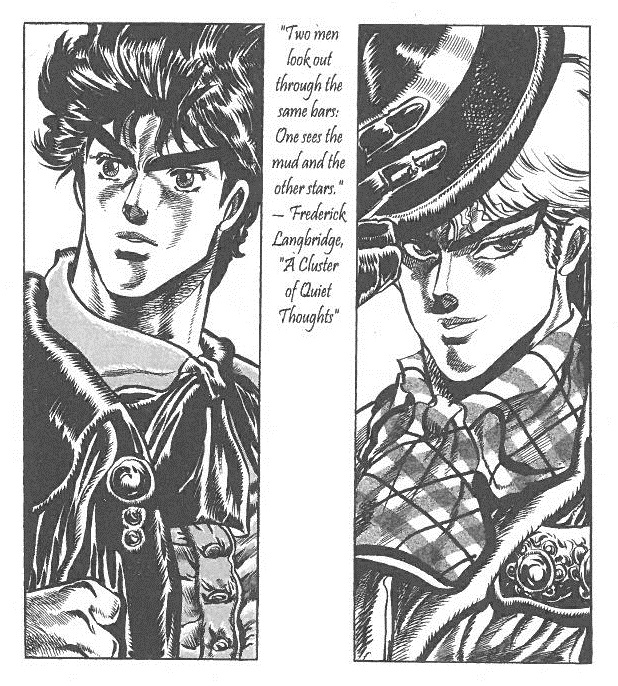
Phantom Blood, Volume 1, page 80JoJo’s Bizarre Adventure is a very aptly named series. Phantom Blood is strange and outlandish, proceeding at a breakneck pace with a tremendous amount of drama and flying fists. It’s not subtle by any means, but the series’ uninhibited, over-the-top nature is part of Araki’s style. Heightened action and drama often take precedence over logical consistencies or realism in the manga’s artwork and story. Devastating injuries that would maim or kill most people are easily disregarded or overcome by the series’ heroes and villains, although the pain and suffering they incur certainly leave an impression. JoJo and Dio fight it out on several different occasions in the first volume of Phantom Blood, each battle becoming increasingly more violent and destructive, and they are pretty bloody to being with. And that’s not even taking into account the psychological damage that also results. JoJo’s Bizarre Adventure can be brutal.

Dio is one of the most fabulous antagonists that I’ve come across in manga. Extraordinarily charismatic and completely without scruples, he makes an extremely dangerous opponent. But Dio does have flaws, and he is a much more interesting character because of them. While he is often unable to control his intense anger and arrogance, even at a young age he is able to hold people under his thrall. JoJo on the other hand, especially in comparison to Dio, is astoundingly honest, naive, and kindhearted, a gentleman through and through in both mind and deed. He uses his strength of character and impressive physical fortitude to protect his family and other people he cares about. JoJo’s repeated confrontations with Dio force hem to become even stronger as the series progresses. He grows into a formidable opponent in his own right with a firm sense of and desire for justice. The stark contrast between the two young men and the extreme dynamics of their relationship are a large part of what makes Phantom Blood such an engaging manga.

Filed Under: REVIEWS Tagged With: Hirohiko Araki, JoJo's Bizarre Adventure, manga, Shonen Jump, viz media

Manga Giveaway: Yukarism Giveaway

March 25, 2015 by Ash Brown

While February seemed to last forever, March felt like it sped by pretty quickly—it’s already time for the next manga giveaway at Experiments in Manga! (Part of the reason it seems to have arrived so soon is that this is one of the earliest days possible for a giveaway to start in any given month.) February’s giveaway focused on immortals, characters whose bodies don’t die, which got me to thinking about a slightly different version of immortality, reincarnation. And so for this month’s giveaway, you’ll all have a chance to win Chika Shiomi’s Yukarism, Volume 1, published in English by Viz Media. As always, the giveaway is open worldwide!

Yukarism, Volume 1

Whether or not you believe in reincarnation, it makes for some very interesting storytelling. In a way, it’s a sort of immortality—a person’s soul or very self is born and reborn over and over again. Generally, that person does not initially realize they are a reincarnation, but as they become aware of their past lives and memories their current lives and relationships are significantly impacted. Saki Hiwatari’s Please Save My Earth, Kaori Yuki’s Angel Sanctuary, and Chika Shiomi’s Yukarism are a few of the manga series exploring some of the implications of reincarnation that immediately come to my mind. (Interestingly enough, they all happen to be shoujo manga, too!)

So, you may be wondering, how can you win a copy of Yukarism, Volume 1?

1) In the comments below, tell me a little about your favorite manga dealing with reincarnation. (If you haven’t read a reincarnation story, simply mention that.)
2) If you’re on Twitter, you can earn a bonus entry by tweeting, or retweeting, about the contest. Make sure to include a link to this post and @PhoenixTerran (that’s me).

And there you go! With one week to submit comments, each person participating in the giveaway can earn up to two entries. If needed or preferred, comments can also be emailed directly to phoenixterran(at)gmail(dot)com and I will then post them here in your name. The winner of the giveaway will be randomly selected and announced on April 1, 2015.

VERY IMPORTANT: Include some way that I can contact you. This can be an e-mail address in the comment form, a link to your website, Twitter username, or whatever. If I can’t figure out how to get a hold of you and you win, I’ll just draw another name.

Contest winner announced–Manga Giveaway: Yukarism Giveaway Winner

Filed Under: FEATURES Tagged With: Chika Shiomi, manga, Yukarism

My Week in Manga: March 16-March 22, 2015

March 23, 2015 by Ash Brown

My News and Reviews

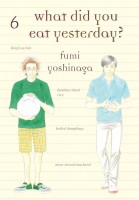
Two more reviews were posted at Experiments in Manga last week. Only one was of a manga, but the other book does include illustrations! I’m a little behind in reviewing the series, but I finally wrote up my impressions of Fumi Yoshinaga’s What Did You Eat Yesterday?, Volume 6. (Just in time for the seventh volume to be released later this week!) There’s some really nice character development for Shiro and, as always, delicious-looking food. The second review posted last week was for Haikasoru’s anthology of short fiction Phantasm Japan: Fantasies Light and Dark from and about Japan which collects twenty-one horror-tinged stories. It has a great range of contributions and authors and is an excellent followup to the The Future Is Japanese anthology.

I’ve been busy at work and the taiko performance season is ramping up, so I’ve not had much time to pay attention to the manga news over the last week or so. (Let me know if I missed something good!) However, I did see that Manga Brog posted a translation of interviews of Inio Asano and Daisuke Igarashi from the magazine Manga Erotics F in 2012. And speaking of Asano, Vertical Comics apparently made a license announcement a couple of weekends ago—an omnibus edition of Asano’s A Girl on the Shore. Asano’s Nijigahara Holograph left a huge impression on me last year, so I’m really looking forward to reading more of his work in English.

Quick Takes

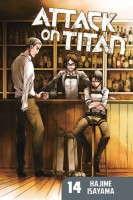
Attack on Titan, Volume 14Attack on Titan, Volume 14 by Hajime Isayama. The cover of the fourteenth volume of Attack on Titan has a Western flair to it (“Western” as in the genre) and, surprisingly enough, so do the contents. I found the introduction of the trappings of the American Old West to be a little bizarre in a setting that has largely been European-influenced, but it is what it is. I never expected there to be a guns-blazing saloon shootout in Attack on Titan, but it is an admittedly exciting scene even if it does feel a little out-of-place. Also somewhat surprising, not a single Titan makes an appearance in the volume except for flashbacks. The series’ focus has shifted from the fight against the Titans to the conflict inside of the walls as humans are pitted against each other. The Survey Corps is in the process of trying to reveal some major conspiracies to the general public, schemes that the Military Police and government would rather not come to light, so things get pretty violent. All in all, even considering the odd Western elements, it’s an excellent volume of Attack on Titan with some great action sequences, character development, and plot progression.

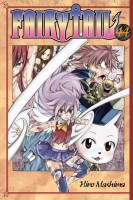
Fairy Tail, Volume 44Fairy Tail, Volumes 44-46 by Hiro Mashima. The Tartaros arc of Fairy Tail continues with these three volumes of the series. Fairy Tail is facing off with a guild of demons which is attempting to eliminate all magic except for its own curses. For the most part, it’s battle after battle without too much story development. Major sacrifices are made by Fairy Tail (sadly, some of them lose their significance and impact when Mashima doesn’t completely follow through with them), and a new antagonist is introduced, the extremely powerful King of the Underworld, Mard Geer. Reading Mashima’s afterwords at the end of each volume, it seems as though he has tried to carefully plan out the important events and battles of Fairy Tail. Even so, it feels as though the series meanders getting from one major plot point to the next, almost as if Mashima is making the story up as he goes instead of having a definite endpoint in mind. However, the fights can be exciting and the characters continue to evolve, or at least power up. I was pleased to see the forty-sixth volume turn the manga’s focus back onto Gray, though, bringing his most recent story arc to a satisfying conclusion.

Sankarea: Undying Love, Volume 10Sankarea: Undying Love, Volume 10 by Mitsuru Hattori. There have been parts of Sankarea that I’ve really enjoyed, and parts of the series that I really have not, but overall the tenth volume frustrates me more than anything else. Mostly it’s because of the narrative structure and the fact that several important backstories are crammed into the volume. I almost wonder if Hattori realized that he was running out of time to bring the series to a proper conclusion. (There is only one more volume after this one.) It is good to finally find out more about Chihiro’s grandfather and all of his research into bringing the living back to life. And there are some great horror elements to that particular story, as well. I just really wish the revelation hadn’t taken the form of a huge infodump given by a conveniently revived zombie. However, I did like the different art styles that Hattori used to distinguish Chihiro’s memories of his mother and the story about Chihiro’s grandfather from the rest of the manga. And I am curious to see how Sankarea will end. It’s been a strange if somewhat uneven series about zombies and love, part horror manga and part romantic comedy.

Filed Under: FEATURES, My Week in Manga Tagged With: attack on titan, Fairy Tail, Hajime Isayama, Hiro Mashima, manga, Mitsuru Hattori, Sankarea

What Did You Eat Yesterday?, Vol. 6

March 18, 2015 by Ash Brown

What Did You Eat Yesterday?, Volume 6Creator: Fumi Yoshinaga
U.S. publisher: Vertical
ISBN: 9781939130815
Released: January 2015
Original release: 2012

Fumi Yoshinaga’s series What Did You Eat Yesterday? is a manga that I’m very glad is being released in English. Part slice-of-life manga focusing on contemporary gay relationships, work relationships, and friendships, and part food manga, the series holds a tremendous amount of appeal for me. Plus, it’s created by Yoshinaga whose manga as a whole I tend to enjoy. I particularly appreciate the subtle and nuanced depth that many of her characters exhibit, which is certainly true of the characters found in What Did You Eat Yesterday?. The sixth volume of the series was originally released in Japan in 2012 while the English-language edition was published in 2015 by Vertical. Although this particular volume does have some translation issues—some awkward phrasing as well as questionable word choices (such as “pepper balls” instead of “peppercorns”)—generally Vertical’s release of the series has been great.

Although Shiro will soon be turning forty-seven, he still has room to grow and has only recently started to really become comfortable with his sexuality. He and his boyfriend Kenji have been living together for years but its a relationship that he has largely kept private. Shiro’s parents know he’s gay, as do a select handful of close friends, but he hasn’t mentioned it to his colleagues and he’s terrified of being found out by straight strangers. Kenji, on the other hand, is able to be much more relaxed and open about who he is. Happily, Shiro and Kenji have developed a good friendship with another gay couple, Kohinata and Wataru, which has allowed Shiro to become a little less anxiety-ridden in public. He continues to worry about appearances, and he’s still fairly reserved when it comes to outwardly demonstrating his affection, but it has become easier for Shiro to enjoy time spent with Kenji outside of the house, whether it be a major grocery shopping trip or a bento lunch picnic in the park.

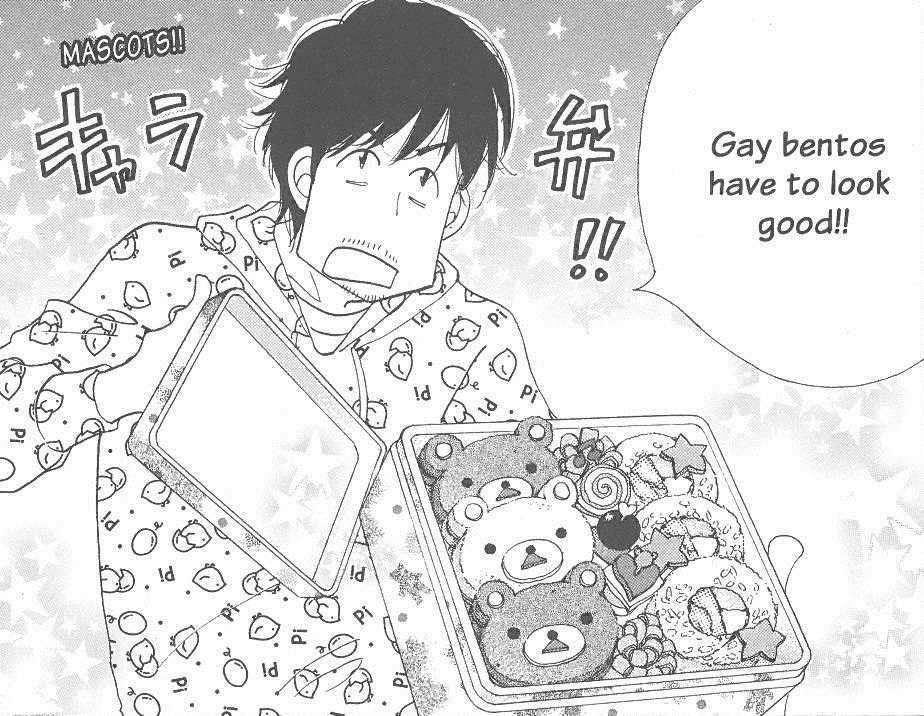
What Did You Eat Yesterday?, Volume 6, page 48Although I am a huge fan of food manga in general, and meals and their preparation are certainly a major component of What Did You Eat Yesterday?, what I find most appealing about the series is its characters and their lives. But the manga works best for me when the food and recipes tie directly into the plot and character development instead of being a more tangential element. Some volumes of What Did You Eat Yesterday? bring the characters and food together better than others, but overall the sixth is fairly successful in doing that. High-quality ingredients are given as gifts of thanks, meals are prepared as a way to offer comfort and support, recipes are modified when finances are tight, the qualities of a proper bento are debated, and more. Food is obviously important to the characters in the volume.

What Did You Eat Yesterday? tends to be fairly episodic, each chapter exploring a small part of Shiro and Kenji’s lives and featuring a recipe detailed enough that an adventurous reader or experienced cook could actually attempt to make the dish. However, recurring characters and continuing story threads do help to tie the series together as a cohesive whole. There may not be a grand, overarching plot to What Did You Eat Yesterday?, but there is still character and story development to be found. Each reappearance of an established character adds more depth to them as a person and reveals more about the complexities of their relationships with other people. Each volume of What Did You Eat Yesterday? explores more about Shiro and Kenji as well as about their families, friends, and coworkers. And with the sixth volume specifically, I’m especially happy to see Shiro becoming gradually more confident and accepting of himself.

Filed Under: REVIEWS Tagged With: fumi yoshinaga, manga, vertical, what did you eat yesterday?

  • « Go to Previous Page
  • Page 1
  • Interim pages omitted …
  • Page 17
  • Page 18
  • Page 19
  • Page 20
  • Page 21
  • Interim pages omitted …
  • Page 60
  • Go to Next Page »
 | Log in
Copyright © 2010 Manga Bookshelf | Powered by WordPress & the Genesis Framework