• Skip to primary navigation
  • Skip to main content
  • Skip to primary sidebar
  • Home
  • About Us
    • Privacy Policy
    • Comment Policy
    • Disclosures & Disclaimers
  • Resources
    • Links, Essays & Articles
    • Fandomology!
    • CLAMP Directory
    • BlogRoll
  • Features & Columns
    • 3 Things Thursday
    • Adventures in the Key of Shoujo
    • Bit & Blips (game reviews)
    • BL BOOKRACK
    • Bookshelf Briefs
    • Bringing the Drama
    • Comic Conversion
    • Fanservice Friday
    • Going Digital
    • It Came From the Sinosphere
    • License This!
    • Magazine no Mori
    • My Week in Manga
    • OFF THE SHELF
    • Not By Manga Alone
    • PICK OF THE WEEK
    • Subtitles & Sensibility
    • Weekly Shonen Jump Recaps
  • Manga Moveable Feast
    • MMF Full Archive
    • Yun Kouga
    • CLAMP
    • Shojo Beat
    • Osamu Tezuka
    • Sailor Moon
    • Fruits Basket
    • Takehiko Inoue
    • Wild Adapter
    • One Piece
    • After School Nightmare
    • Karakuri Odette
    • Paradise Kiss
    • The Color Trilogy
    • To Terra…
    • Sexy Voice & Robo
  • Browse by Author
    • Sean Gaffney
    • Anna Neatrour
    • Michelle Smith
    • Katherine Dacey
    • MJ
    • Brigid Alverson
    • Travis Anderson
    • Phillip Anthony
    • Derek Bown
    • Jaci Dahlvang
    • Angela Eastman
    • Erica Friedman
    • Sara K.
    • Megan Purdy
    • Emily Snodgrass
    • Nancy Thistlethwaite
    • Eva Volin
    • David Welsh
  • MB Blogs
    • A Case Suitable For Treatment
    • Experiments in Manga
    • MangaBlog
    • The Manga Critic
    • Manga Report
    • Soliloquy in Blue
    • Manga Curmudgeon (archive)

Manga Bookshelf

Discussion, Resources, Roundtables, & Reviews

Kodansha Comics

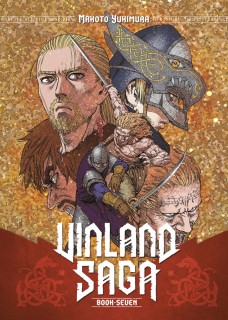
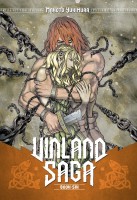
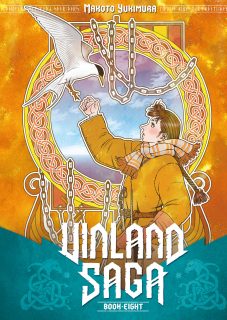
Vinland Saga, Vol. 8

January 21, 2017 by Ash Brown

Vinland Saga, Omnibus 8Creator: Makoto Yukimura
Translator: Stephen Paul
U.S. publisher: Kodansha
ISBN: 9781682335406
Released: December 2016
Original release: 2014-2015
Awards: Japan Media Arts Award, Kodansha Manga Award

For a time it seemed as though the fate of the English-language edition of Makoto Yukimura’s epic award-winning manga series Vinland Saga was in question. Happily though, Kodansha Comics has been able to continue releasing the series. While the seventh omnibus reached a satisfying conclusion to one of the series’ major story arcs, it was still obvious that Yukimura had more to tell. I honestly believe that Vinland Saga is one of the strongest manga currently being released in English. It is also a personal favorite of mine, so I was thrilled when the eighth hardcover omnibus was finally released in 2016, collecting the fifteenth and sixteenth volumes of the original Japanese edition published between 2014 and 2015. Unlike the past few omnibuses of Vinland Saga, there is no additional content directly relating to the series (I was sad not to see the continuation of the “Ask Yukimura” section), but it does include an extensive preview of Kazuhiro Fujita’s The Ghost and the Lady, another historically-inspired manga available from Kodansha.

Finally free from his life of slavery but still bound by the violence of his past, Thorfinn travels back to Iceland in order to briefly reunite with his family before setting into motion his plans for the future. Accompanied by Einar, Leif, and “Bug-Eyes,” Thorfinn intends to colonize Vinland in an attempt to create a peaceful settlement far removed from the wars and violence seemingly inherent to the Norse way of life. But before that they must first secure the resources and supplies needed for the venture and support from others will be hard to come by–Thorfinn has very little to offer a potential investor except for ideals and his own life. Initially it seemed that they could secure the aid of Halfdan, a wealthy landowner who was already planning to become a relative of Leif’s by marrying his son to the widow of Lief’s brother, but then the wedding doesn’t go quite as planned. Thorfinn and the others may very well have gained themselves a few new enemies when they flee Iceland with Gudrid, the runaway bride.
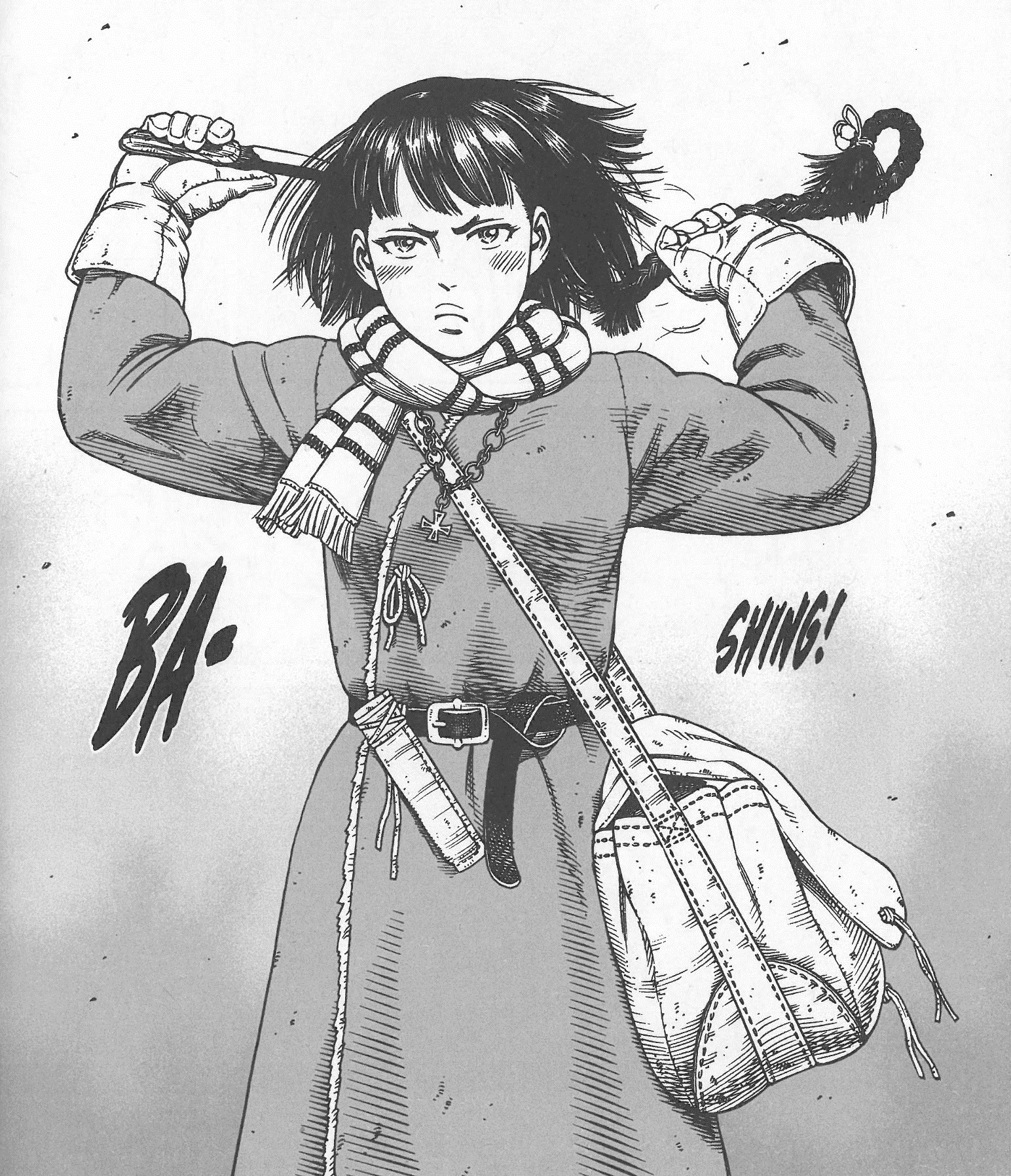
Vinland Saga, Omnibus 8, page 50From the beginning, many of the women in Vinland Saga have been strong, memorable characters (Thorfinn’s sister and mother in particular are marvelous), but for the most part the focus of the series has been on the stories of the men. However, with the eighth omnibus there is a notable change in the manga with he introduction of Gudrid who becomes one of the main characters of Vinland Saga. In fact, a great deal of the plot currently directly revolves around her. I absolutely adore Gudrid. Like Thorfinn, she is struggling against the constraints of what is considered acceptable by the culture and traditions of their society. She has absolutely no interest in marriage or in behaving like a “proper” woman; her heart has always been set on exploring the world around her and expanding her horizons. Gudrid repeatedly proves that her worth is equal to or even greater than that of a man. Eventually, her persistence and brashness pays off although the circumstances surrounding her becoming a sailor are admittedly less than ideal.

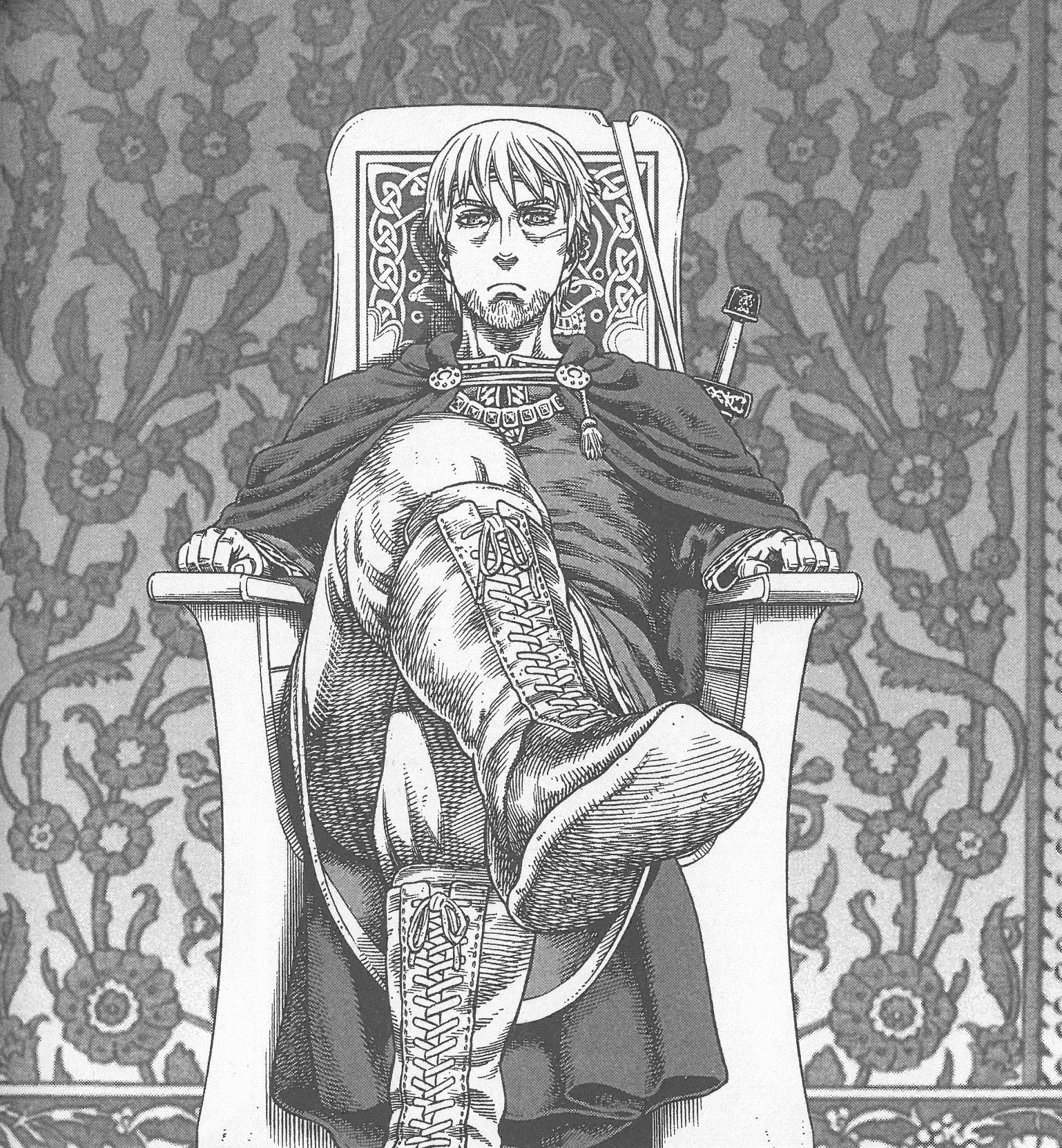
Gudrid isn’t the only great female character to be introduced in the eighth Vinland Saga omnibus. Among others, there is also Astrid, Halfdan’s wife, and Hild, a young woman who proves once more that Thorfinn can never truly escape his past misdeeds. While many of the previous omnibuses have been battle-oriented, the eight omnibus tends to pay more attention to the characters themselves and their relationships. However, there are still a few excellent action sequences and Yukimura’s artwork continues to be dynamic and dramatic even when physical violence is not as prominent. For example, Halfdan exudes an aura of intensity and power–the way he is drawn and visually framed is frequently reminiscent of the way King Canute was portrayed, emphasizing his status and influence. This, of course, makes it even more satisfying when Astrid calmly, quietly, and fearlessly puts her husband in his place. (I really hope to see more of Astrid in the future.) Vinland Saga remains an incredibly well-done manga. With a growing cast of fantastic, complex characters, an engrossing story exploring themes of freedom and violence, and excellent artwork, I can’t wait to read more.
Filed Under: REVIEWS Tagged With: Japan Media Arts Award, kodansha, Kodansha Comics, Kodansha Manga Award, Makoto Yukimura, manga, Vinland Saga

Welcome to the Ballroom, Vol. 1

October 27, 2016 by Anna N

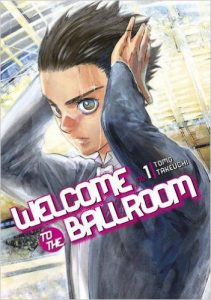
Welcome to the Ballroom Volume 1 by Tomo Takeuchi

The ballet manga Swan is one of my all-time favorites, and dance manga doesn’t get translated into english very often so I was very interested in checking out Welcome to the Ballroom, which has a shonen take on learning how to dance.

Like many shonen protagonists, Tatara Fujita is aimless and without purpose. When he’s saved from being bullied by Kaname Sengoku, Tatara is dragged along to a ballroom dance studio where he is part of a new student round-up campaign. Kaname yells at him, “Through dance, you can absolutely achieve your adolescent fantasies of touching someone’s body!” Conveniently Tatara discovers that Shizuku, a girl at his school has been taking dance classes at the same studio. Tatara is too self-conscious and poor to sign up for lessons, but later on at home he watches a dvd of ballroom dance performances and decides that he’s finally found something that he can care about.

When Tatara shows up at the studio again and announces to Kaname that he’s going to turn pro and wants to learn how to dance, he’s set up for some serious hazing. Kaname instructs his new student in the box step and tells him to practice until he is given permission to stop. Tatara practices all through the night and into the next morning. It turns out that while he isn’t great at following directions, if he sees a dance performed he can successfully mimic some advanced movements.

I enjoyed the art in this book, while the dancing doesn’t reach level of the ballet in Swan, the dance scenes are suitably dynamic. I was impressed at how Takeuchi handled the varying looks and somewhat split personality of Shizuku’s partner Hanaoka, who shifts from being a polished and commanding presence on the dance floor to a scruffy student with a cold. The contrast between the dancers in daily life and their costumes and bearing during competition showcases how ballroom dancing is an entirely new world.

ballroom1

By the end of the volume, Tatara has found his purpose, started to practice with great devotion, and continued despite all of Kaname’s attempts to discourage him. It is possible to see the possibility that he might make it as a dancer, and I’m thoroughly enjoying seeing some of the shonen staple sports manga plot elements being applied to ballroom dance.

Filed Under: REVIEWS Tagged With: Kodansha Comics, Shonen, welcome to the ballroom

Complex Age, Vol. 1

June 10, 2016 by Ash Brown

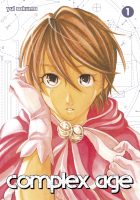
Complex Age, Volume 1Creator: Yui Sakuma
U.S. publisher: Kodansha Comics
ISBN: 9781632362483
Released: June 2016
Original release: 2014
Awards: Tetsuya Chiba Award

I almost passed over the English-language debut of Yui Sakuma’s Complex Age, but I’m very glad that I took the opportunity I had to read it. Complex Age, Volume 1 was first released in Japan in 2014 while the English-language edition of the volume was released in 2016 by Kodansha Comics. I believe that Complex Age is currently the first and only professional work by Sakuma to have been released. The manga began in 2013 as a one-shot which won the Tetsuya Chiba Award. (That one-shot is also included in the first volume of Complex Age.) Then, in 2014, Complex Age was relaunched as a series. While the original one-shot and the longer series don’t appear to be directly related when it comes to characters and plot, they do share a similar basic premise—an adult woman who is growing older and coming to terms with what that means for her hobbies and interests. I actually didn’t know that was what Complex Age was really about before reading the first volume. I thought it was simply about cosplay and since cosplay—the passion of the series’ main character—isn’t a particular interest of mine, I wasn’t anticipating that the manga would be story that I would end up so closely identifying with.

Nagisa Kataura is twenty-six years old, lives with her parents, and works as a temp worker for a tutoring agency, but in her spare time she is an accomplished and admired cosplayer. Her favorite character to cosplay is Ururu from the anime Magical Riding Hood Ururu who represents everything she wants to be as a person. Nagisa pours herself into her creations and is known for her attention to detail and high-quality work. She does all that she can to achieve perfection and to completely embody a character. However, despite cosplay being such a huge part of her life, she keeps her hobby a secret from her family and coworkers. Now that she’s an adult it’s become even more difficult for Nagisa to share her passion with people who aren’t already accepting of cosplay; it’s considered by many to be a frivolous hobby more suited for much younger fans. As she ages, Nagisa becomes more and more self-conscious about her cosplaying and the criticism that she receives becomes harder and harder for her to take. And yet Nagisa still loves what she does and cosplay is a very important part of who she is.

Complex Age, Volume 1, page 32At first, I wasn’t sure that I really liked Nagisa. The opening chapter begins with her preparing for an event at which she will be cosplaying Ururu, putting an incredible amount of effort into making sure that everything is just right. But while she is at the event she is exceptionally rude and judgemental of the other people there, her behavior culminating in an outburst in which she harshly and publicly criticizes another cosplayer for not respecting the hobby and for not taking it seriously enough. However, as Complex Age progresses, Nagisa becomes a much more sympathetic, or at least understandable, character. The reason she is so sensitive is that her confidence, self-worth, and personal identity are almost irrevocably intertwined with her cosplaying. And so what Nagisa perceives as an insult to the hobby becomes an insult to her personally; when someone else is more talented or more physically suited to portray her favorite characters, she can only see her own faults and limitations being emphasized in comparison. She’s genuinely afraid that she is getting too old for cosplay and that voluntarily giving it up or being rejected by others because of her looks or age would result in her losing a large part of herself.

Before reading Complex Age I didn’t know much at all about the behind-the-scenes work that goes into cosplay, but the manga generally  incorporates those sorts of interesting details quite nicely into the story. I’m still not particularly interested in or personally invested in cosplay myself, but Complex Age still resonated with me a great deal. Like Nagisa, I’m an adult interested in media and hobbies that many people look down upon or generally associate with a younger age group (in my case, manga and comics among other things). I also know quite well and understand the dangers of allowing a passion to define one’s self or to impact one’s self-esteem. I have dealt with and, if I’m completely honest, continue to deal with many of the same uncertainties, insecurities, and struggles that Nagisa faces in Complex Age. While so far I do like the series, I think that the Complex Age one-shot about Sawako, a thirty-four-year-old woman letting go of her passion for dressing in Gothic Lolita fashion, made an even greater impression on me. (Also, Sawako’s husband is pretty great.) I’m very curious to see if Sakuma will take Nagisa’s story in a similar direction or if ultimately the Complex Age series will be a little less bittersweet than its predecessor.

Thank you to Kodansha Comics for providing a copy of Complex Age, Volume 1 for review.

Filed Under: REVIEWS Tagged With: Complex Age, kodansha, Kodansha Comics, manga, Tetsuya Chiba Award, Yui Sakuma

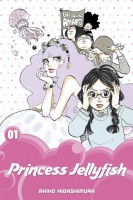
Princess Jellyfish, Vol. 1

April 8, 2016 by Ash Brown

Princess Jellyfish, Omnibus 1Creator: Akiko Higashimura
U.S. publisher: Kodansha
ISBN: 9781632362285
Released: March 2016
Original release: 2009
Awards: Kodansha Manga Award

Akiko Higashimura’s Kodansha Manga Award-winning Princess Jellyfish wasn’t a manga series that I expected would be licensed for an English-language release. Anecdotally, josei manga hasn’t historically done particularly well in the North American market. And on top of that, Princess Jellyfish is a longer series, currently ongoing at more than fifteen volumes, which can also make licensing prohibitive. When Kodansha Comics announced that it would be publishing Princess Jellyfish in print in English, fulfilling the hopes of many fans, I was thrilled. My knowledge of Princess Jellyfish stems from the 2010 anime adaptation directed by Takahiro Omori which I thoroughly enjoyed. However, as the anime only adapted a small portion of the series, it left me wanting more, so I am very excited to see the original Princess Jellyfish manga available in translation. Kodansha’s release of the series is an omnibus edition with a larger trim size and color pages included. The first omnibus, published in 2016, collects the first two volumes of the series as released in Japan in 2009.

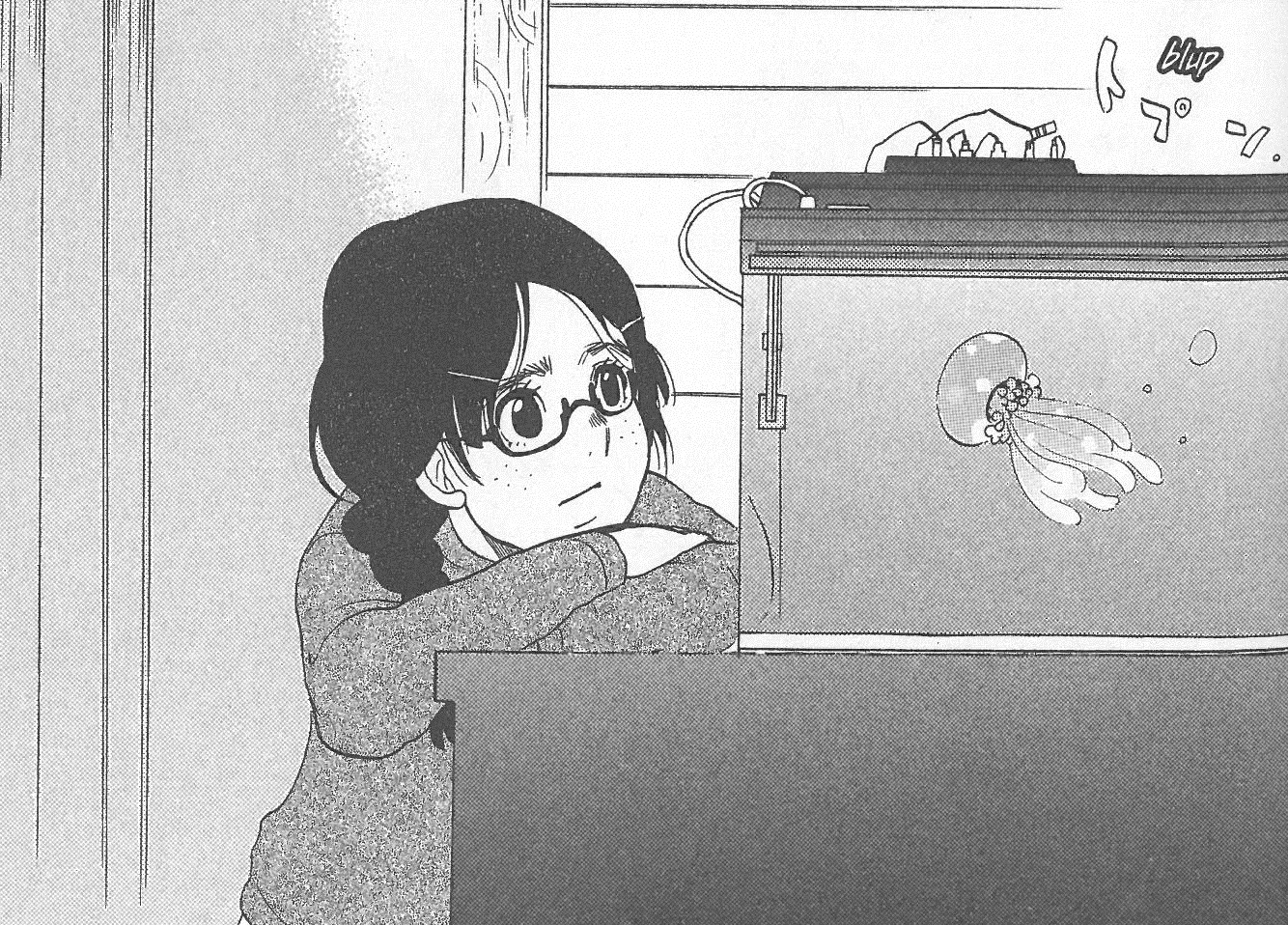
Tsukimi is the youngest resident of Amamizukan in Tokyo, a communal apartment building catering to a particular type of woman who is completely and utterly devoted to her specific interests despite societal expectations—the fujoshi. Chieko, the manager of Amamizukan, collects traditional Japanese dolls and kimono. Mayaya is obsessed with Romance of the Three Kingdoms. Jiji has an intense appreciation for older, distinguished gentleman. Banba is fixated on trains. Mejiro is a reclusive boys’ love mangaka. And as for Tsukimi, ever since her mother took her to an aquarium as a child, she has adored jellyfish. Tsukimi’s love of jellyfish is one of her remaining ties to her mother who died of illness many years ago. It’s also that passion that leads to her chance encounter with Kuranosuke, the illegitimate son of a prominent politician who she initially assumes is a stylish and fashionable young woman due to the way he was dressed at the time. Their meeting will not only have a great impact on Tsukimi, but on everyone living at Amamizukan.

Princess Jellyfish, Omnibus 1, page 227Like the residents of Amamizukan, Kuranosuke goes against society’s set roles and expectations, but in his case he’s doing it deliberately rather than it being an unintentional side effect of an obsession. Princess Jellyfish plays with the notions of outward appearance and self-expression in some really interesting and satisfying ways. I’m generally skeptical of stories that put an emphasis on beauty and looks or that make use of dramatic makeovers (for various reasons, Tsukimi and the rest of the Amamizukan fujoshi become targets of Kuranosuke’s enthusiasm for fashion and makeup), but Princess Jellyfish is a series that recognizes that a person’s appearance is only one part of an extremely complicated whole and that attractiveness is much more than skin deep. It also recognizes that there is tremendous power in someone being able to influence other people’s perceptions of who they are and that first impressions are often rightly or wrongly based on what can be visibly seen. Kuranosuke understands this and uses that knowledge to his advantage, as does the series antagonist Inari—a woman paving the way to the demolition of Amamizukan to make way for new urban development. Through blackmail and her own sex appeal, she leverages the importance placed on appearances and society’s inherent sexist prejudices for her own benefit, often finding the circumstances to be distasteful but the feeling of being in control of them intoxicating.

While it is the impetus for much of the story’s forward movement in the first omnibus, the threat of losing Amamizukan is only one of many intertwined plot threads in Princess Jellyfish. Tsukimi’s maturation as she continues to deal with the pain of her mother’s death and begins to fall in love for the first time is very important to the series as is Kuranosuke’s complicated family history and relationships. Although Kuranosuke is heterosexual, considering his custom of dressing as a woman his presence in the manga brings additional elements of queerness and gender fluidity to the series which I especially enjoy. (Also worth mentioning: the Princess Jellyfish translation notes are very thorough and valuable in explaining some of the nuances of Japanese word usage and terminology in regards to various gender and queer identities, which can be quite different from their Western counterparts.) Princess Jellyfish incorporates a fair amount of comedy which is one of the reasons the manga has such charm. But while Kuronosuke’s fashion choices and gender performance can result in humorous situations, the series treats him as a person and not as a joke, which I greatly appreciate. In fact, Princess Jellyfish has an entire cast full of wonderful characters which is perhaps the series’ greatest strength.

Filed Under: REVIEWS Tagged With: Akiko Higashimura, kodansha, Kodansha Comics, Kodansha Manga Award, manga, Princess Jellyfish

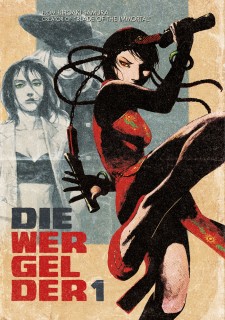
Die Wergelder, Omnibus 1

January 29, 2016 by Ash Brown

Die Wergelder, Omnibus 1Creator: Hiroaki Samura
U.S. publisher: Kodansha
ISBN: 9781632361950
Released: December 2015
Original release: 2013-2015

I was very excited when Kodansha Comics announced that it would be releasing Die Wergelder in English. At the time, I actually didn’t know much about the manga series beyond the fact that it was created by Hiroaki Samura, but that was more than enough to capture my attention—Samura’s long-running, award-winning series Blade of the Immortal was one of the first manga that I ever read and it remains a personal favorite. I’ve also throughly enjoyed Samura’s two short manga collections that have been translated, Ohikkoshi and Emerald and Other Stories. As Blade of the Immortal was drawing to a close in Japan, Die Wergelder was just beginning, the first volume being published in 2013. The second volume was released two years later in Japan in 2015. The first installment of Kodansha’s English-language edition of Die Wergelder, also published in 2015, collects both of those volumes.

Shinobu has made a mistake that may very well cost her life. After attempting to run way with a low-ranking yakuza member, along with a rather large sum of his syndicate’s money, the two of them are caught and Ro’s boss isn’t particularly happy with them. Normally Shinbou would likely have been killed without a second thought, but her background happens to make her uniquely qualified for a job that Ro’s boss needs done. She’s more or less forced into accepting and so suddenly finds herself embroiled in the schemes and rivalries of multiple groups. The world of organized crime is fraught with danger and made even more so with the appearance of Träne, an assassin hellbent on revenge against those who have done her tremendous wrong. And then there’s Jie Mao, an opposing bodyguard whose deadly combat skills make her a formidable foe. Shinobu does have the guts and brash attituded needed to survive, but that’s also a large part of why she’s in such trouble to being with.

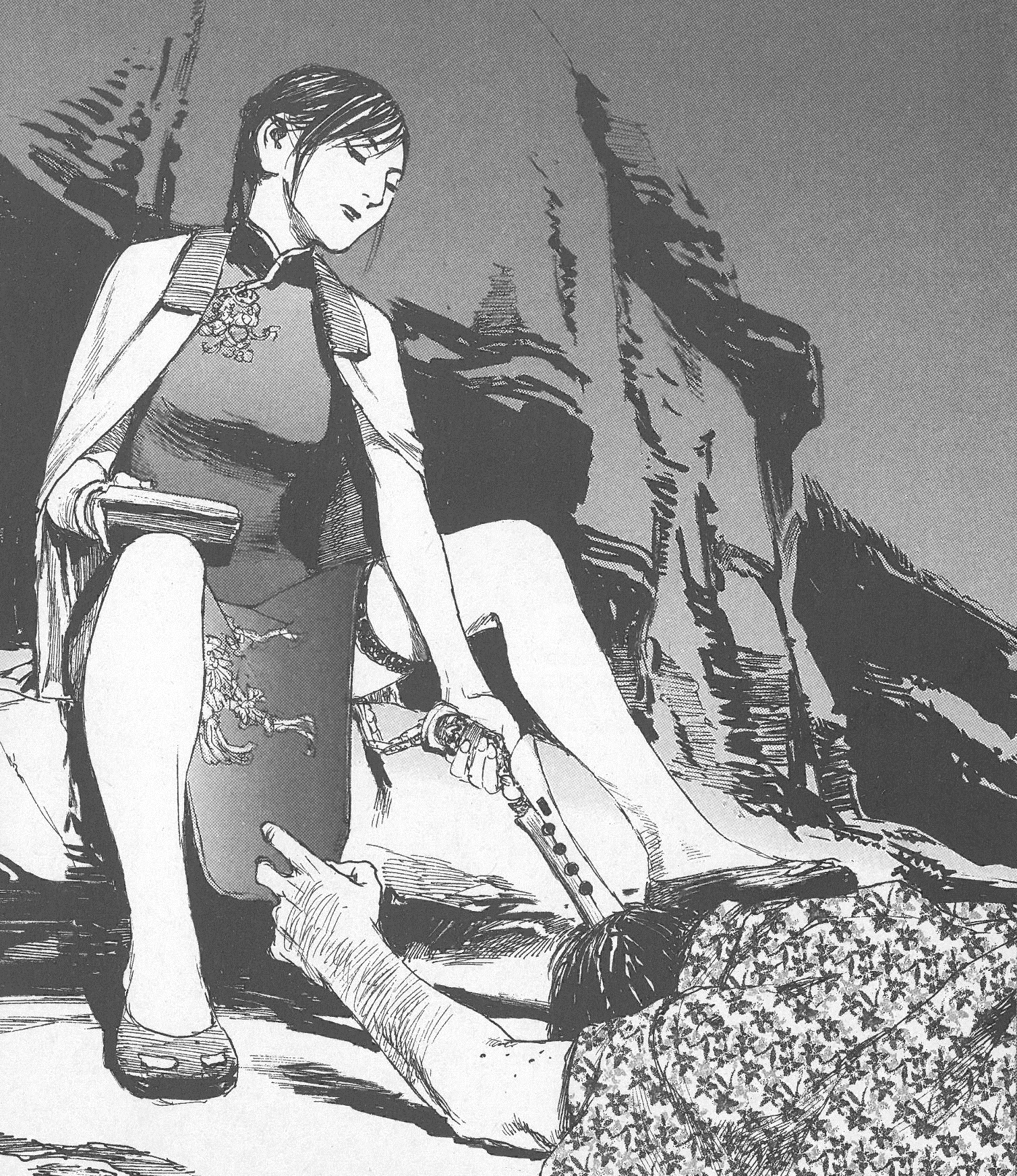
Die Wergelder, Omnibus 1, page 64Die Wergelder is heavily inspired by or at least influenced by 1970s Japanese pink films—theatrical releases steeped with eroticism, nudity, and sex. More specifically, Samura is taking cues from Toei’s Pinky Violence series of films. (Träne’s dark long coat, wide-brimmed hat, and tale of vengeance would appear to be a direct reference to the Female Convict Scorpion films in particular.) Likewise, Die Wergelder contains fairly extreme content, including gratuitous sex and explicit violence. Women and men, although to a somewhat lesser extent, are brutalized and degraded both sexually and physically throughout the story. Die Wergleder is true to its lurid and exploitative roots and the series seems to be self-aware of that. With an additional heavy dose of sadism, it’s certainly not a manga to be lightly recommended to just anyone, though what it does it does well.

By far the most interesting and compelling characters in Die Wergelder are the women. They are easily the most sexualized and objectified as well, but they’re also powerful and terrifying forces to be reckoned with. In comparison, the men of Die Wergelder aren’t particularly memorable, even when they are impressively powerful their own right. Träne and Jie Mao are stunning to watch as they fight. As I’ve come to expect, Samura’s action sequences are dramatic and dynamic. The martial skills shown may frequently be unbelievable, but they are devastatingly effective. With all its brutality and torture, Die Wergelder can be exceptionally violent and gruesome even while being beautifully drawn. It’s a deliberately uncomfortable series, Samura pushing the boundaries of acceptability. Rape, murder, abuse, and unethical medical experimentation are all regular occurrences, and that’s just scraping the surface of the despicable, thrilling, disturbing, titillating, and vicious world that Samura explores in Die Wergelder.

Filed Under: REVIEWS Tagged With: Die Wergelder, Hiroaki Samura, kodansha, Kodansha Comics, manga

Vinland Saga, Omnibus 7

January 13, 2016 by Ash Brown

Vinland Saga, Omnibus 7Creator: Makoto Yukimura
U.S. publisher: Kodansha
ISBN: 9781612628035
Released: September 2015
Original release: 2013-2014
Awards: Japan Media Arts Award, Kodansha Manga Award

I honestly believe Makoto Yukimura’s Vinland Saga to be one of the best manga series currently being released in English. An epic tale of revenge, idealism, and the tremendous cost of violence, Vinland Saga is an incredibly engaging work with impressively compelling characters. In addition to being a personal favorite of mine, over the course of its publication the series has also won a Japan Media Arts Award and a Kodansha Manga Award among other honors. Kodansha Comics has been releasing Vinland Saga in English as a series of hardcover omnibuses. The seventh omnibus, released in late 2015, collects the thirteenth and fourteenth volumes of the manga originally published in Japan in 2013 and 2014 respectively. The seventh omnibus of Vinland Saga also includes two exclusives: the continuation of “Ask Yukimura,” where Yukimura responds to questions about the series, and a four-panel tribute comic by Faith Erin Hicks, another creator whose work I greatly admire.

After years of hard labor, Thorfinn’s freedom was near at hand until he and his fellow slave Einar became involved in an escape attempt. They helped Arnheid, Ketil’s favorite slave and mistress, aid her enslaved husband as he tried to run away from another farm. The attempt failed, resulting in multiple deaths. Now the three of them—Thorfinn, Einar, and Arnheid—must face the terrible consequences of their actions. Meanwhile, Ketil and his sons are returning from Jelling with King Canute and his finest warriors following close behind. In addition to dealing with his slaves, Ketil must also prepare for Canute’s inevitable attack before the farm falls into chaos. Canute plans on taking Ketil’s farm and wealth for his own in order to expand his kingdom, determined to create a paradise on earth for all who suffer from war and violence. Although he would prefer a peaceful resolution, Canute is more than prepared to stake his claim through questionable political maneuvering and force.

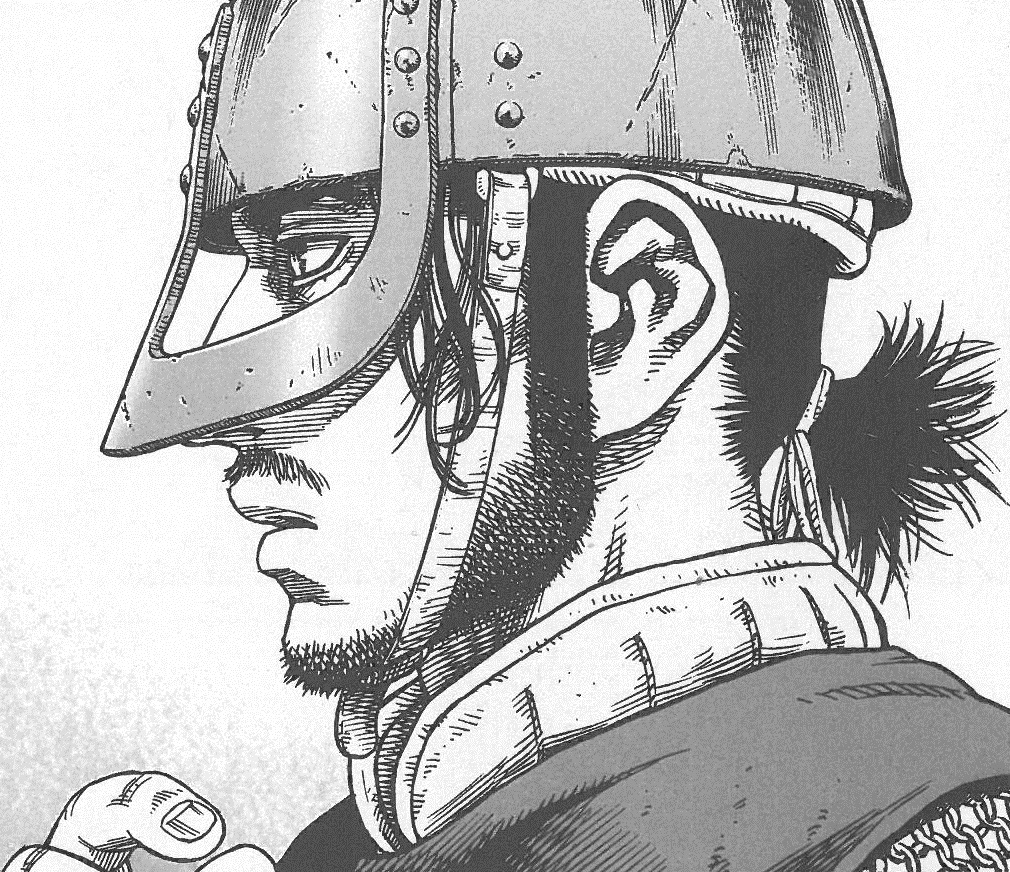
Vinland Saga, Omnibus 7, page 92Like so many of the other omnibuses of Vinland Saga, the seventh is brutal and at times even gruesome. The artistic detail and research that Yukimura has applied to the portrayal of the day-to-day lives of eleventh-century nobility, warriors, merchants, and slaves has also been applied to the battles and wars they wage. Men and women are beaten to the brink or point of death; limbs are severed; skulls are crushed; eyes are gouged out—Vinland Saga is an intense and violent series. But that violence isn’t idealized or glorified by Yukimura. Even while an individual’s martial skill and battle prowess are respected and admired, violence is shown to be the truly terrible and destructive force that it is, not just physically, but mentally and emotionally as well. Some of the most important themes in Vinland Saga revolve around violence, how it impacts people and society, and whether it can be avoided or whether humanity is trapped in a never-ending cycle of bloodshed.

In addition to the plot of Vinland Saga as a whole, violence and its effects are also crucial to the development of the individual characters. Many of them are trying to break free from the violence that pervades their lives, facing moral quandaries over how to enact their ideals. The characters of Vinland Saga aren’t safely philosophizing over what is ethical, they are literally risking their lives for what they believe in. But even when their ultimate goals are the same, they approach them differently. Canute is now in a position of power as king and will use any method necessary to ultimately achieve his earthly paradise. Thorfinn, on the other hand, is reluctant to use violent force in order to gain peace. And there are plenty of other characters in the series who fall somewhere between these two perspectives. Seeing the realistic interplay among all of these different worldviews in the series has been immensely engrossing. Vinland Saga is well-worth reading even in part, but I sincerely hope to see the rest of the series translated as well.

Filed Under: REVIEWS Tagged With: Japan Media Arts Award, kodansha, Kodansha Comics, Kodansha Manga Award, Makoto Yukimura, manga, Vinland Saga

The Most Anticipated Manga of 2016

January 4, 2016 by Katherine Dacey

We’re kicking off 2016 with a look at the manga titles and trends we’re most excited about. Joining me and Brigid is manga journalist and critic Deb Aoki, former guide to AboutManga.com, current host of Manga Comics Manga, and Publishers Weekly contributor.

What new manga are we looking forward to this year?

New Fruits BasketBRIGID: Fruits Basket! Natsuki Takaya’s tangled tale of a cursed family was one of the first shoujo manga I ever read, and I’m looking forward to re-reading it with a more experienced eye (and a better translation).

The other upcoming manga that everyone seems to be looking forward to is Princess Jellyfish, which Kodansha is publishing in double-sized omnibus volumes. This josei title about a bunch of nerdy girls living in their own rooming house sounds like it will be a lot of fun.

In terms of continuing series, I loved the first volume of Planetes and I’m looking forward to more. It’s a smart science fiction story with likeable characters and thoughtful storylines, and Dark Horse’s new edition is a beautiful two-volume omnibus that really feels like something special. I can’t wait to read more of Hiroya Oku’s Inuyashiki, about two humans given extreme superpowers in a freak accident—one uses them for good, one… doesn’t—and Yoshitoki Ōima’s A Silent Voice, an amazingly powerful story that’s about bullying but also about alienation and redemption. One more: Your Lie in April, which has kind of slid under the radar, a shonen romance about musicians that, like A Silent Voice, goes beyond the standard shonen romance tropes and has relatable characters experiencing real emotions.

On a general note: When I was compiling my lists of the best new and ongoing manga series of 2015, I was struck by how many really good manga debuted in 2015. From all accounts, 2016 is going to be even better.

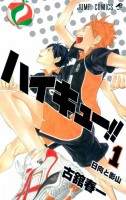
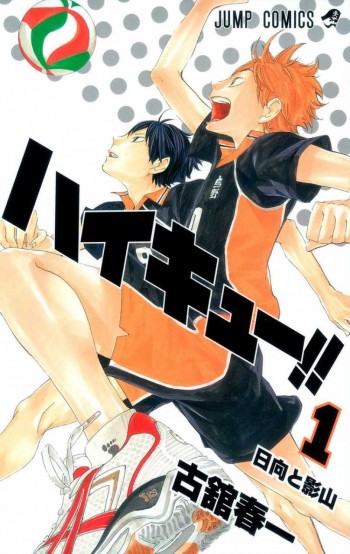
haikyuuDEB: I’m most excited about the trend where manga publishers are taking chances on titles and genres that were once considered the third rail/extra risky to license, like sports manga. Super excited about the Summer 2016 arrival of the first volumes of Haikyu!! by Haruichi Furudate and Kuroko’s Basketball by Tadatoshi Fujimaki from Shonen Jump/VIZ Media! I love Haikyu!! a lot — been watching the first and second seasons on Crunchyroll over and over again. the characters are really wonderful — it’s delightful to see the team grow and reach new heights every time. It’s got lots of heart and humor as well as exciting sports action. It’s now one of my all-time faves!
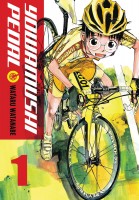
I’ve also been enjoying the recently released Yowamushi Pedal by Wataru Watanabe, a manga about a hapless anime otaku who discovers that he has a talent for bicycle racing. Big ups to Yen Press for publishing this fairly long series in double-sized volumes.

queen-emeraldas-smallAnother example of manga publishing biz in the US dipping their toes into riskier fare is the upcoming publication of three classics: Rose of Versailles by Riyoko Ikeda from Udon Entertainment, Queen Emeraldas by Leiji Matsumoto from Kodansha Comics, and Otherworld Barbara by Moto Hagio from Fantagraphics Books.  For too long, the classics that are the foundation of manga in Japan have been largely unavailable in English. I’m hoping that these titles succeed so we can someday get more.

Also super excited about having more manga by Asano Inio available in English. Solanin and What a Wonderful World! are go-to recommendations for anyone who loves indie comics and is curious about manga. Now VIZ Media is publishing the mind-bending Goodnight Pun Pun, and A Girl on the Shore, coming from Vertical Comics. Both should be on your pre-order lists, as these are beautifully drawn, thought-provoking books that everyone will be talking about in the months to come.

rose-of-versailles-udonKATE: I share Deb’s excitement about classic manga. It’s a risky undertaking for any publisher, especially when so many readers are young (under 20) and not particularly curious about the medium’s roots. It will be interesting to see if UDON can pitch Rose of Versailles to the Shojo Beat crowd; though the artwork is a little dated, the melodrama, costumes, and kick-butt female lead have obvious parallels with titles in VIZ, Kodansha, and Yen’s catalogs. Who knows? It could be a surprise hit.
Speaking of vintage titles, I’m ecstatic about Drawn & Quarterly’s new Kitaro volumes. D&Q will be releasing these previously untranslated stories in slimmer, kid-friendly editions–a departure from their 2013 Kitaro release, which screamed “prestige project!” I think that’s a smart move: adults with an interest in Shigeru Mizuki’s work will buy it in almost any format, but younger manga fans need a length and trim size that reflects their own reading habits.

Another title on my must-read list is Jiro Taniguchi’s Guardians of the Louvre, which NBM Publishing will be releasing in April. The previous installment of the Louvre series–Hirohiko Araki’s Rohan at the Louvre–was the ultimate otaku two-fer: a ghost story and a standalone chapter in the JoJo’s Bizarre Adventure saga. Taniguchi’s book will undoubtedly be a more sober affair, but one I’m anticipating with the same eagerness: I can’t wait to see how Taniguchi integrates the museum’s famous collection into his story.

fukufukuIn the just-for-fun department, I Am a Hero, a zombie thriller from Dark Horse, is near the top of my list, as are VIZ’s Haikyu! (mentioned by Deb above), Vertical’s FukuFuku: Kitten Tales, and the final installment of DC Comics’ Batman: The Jiro Kuwata Batmanga. I’m also looking forward to Wandering Island, a story about a gutsy young woman who runs an air mail service in a remote corner of Japan. The illustrations are by Kenji Tsurata, the creator of the criminally under-appreciated Spirit of Wonder, which was published by Dark Horse in 1998.

Last but not least, I’d also make a plug for The Osamu Tezuka Story: A Life in Anime and Manga. This visual biography clocks in at a hefty 900 pages, highlighting important periods in Tezuka’s career as an illustrator and animator. Its author, Toshio Ban, worked closely with Tezuka in the 1970s and 1980s, giving Ban a unique perspective on his subject. As an added bonus for American readers, Stone Bridge Press brought in Frederick L. Schodt to do the translation.

How about conventions—does anything look particularly tempting?

DEB: I’m always curious to see what Toronto Comic Arts Festival will be bringing as their guests this May. Last year was Gurihiru and Aya Kanno, prior years brought Konami Kanata, Moyoco Anno, Akira Himekawa, Usamaru Furuya, Est Em, Natsume Ono and Yoshihiro Tatsumi to name just a few. I don’t know what they have planned, but I know it’ll be worth the trip!

As booth space and tickets get harder and harder to get at San Diego Comic-Con, Anime Expo in Los Angeles has turned into the Japanese content biz must-go show. I’ve noticed that more companies from Japan are buying booths, and see lots of meetings / business being conducted at the show.

It’s great that AX is getting bigger and bigger, but I worry that it creates a situation where the anime/manga world becomes even more segregated/separated from the general pop culture community that converges at Comic-Con and similar American shows. This is especially irksome because it seems like most of the Western comics / pop culture press corps basically ignore / don’t report on / don’t attend Anime Expo or any of the announcements that come out of this show.

This pisses me off because anime/manga matter more than ever — especially as its fandom tend to skew younger, are more active, and more interested in all kinds of entertainment from US and Japan compared to their counterparts on the superhero side of the comic shop. So much for my “be less crabby in 2016” resolution… ;-)

KATE: I had a blast attending shows like New York Comic Con and Wondercon in the late 2000s. The last time I attended NYCC, however, I felt that the show had taken a much sharper turn towards the television, film, and gaming industries, and was losing its identity as a comics convention. The manga publishers were still there, of course, but it was harder to circulate and interact with editors and sales reps because of the enormous crowds. That experience pretty much soured me on going to any more big conventions. TCAF always sounds like a blast, but the timing never works for me; I’m always knee-deep in final exams and student papers when it rolls around!

BRIGID: I echo Deb’s concern about AX, but it does seem like this year, the news was spread across a broader swath of conventions—and many of the new licenses, including Fruits Basket, were announced on Twitter. The presence of so many people from the Japanese publishers—not just creators but editorial staff as well—was very noticeable this year and shows that the publishers are taking the American audience seriously. It also enhanced the experience to see, for instance, the editor of Noragami explaining the process of how it went from sketches to finished page. I’m looking forward to more of that at the larger shows as well as the more intimate experience at the smaller shows, where the creators and their readers are not so far apart.

Any predictions about the industry?

DEB: Almost all signs point to a healthier, more robust manga publishing business in 2016, which is a great thing. I don’t see the same rush to publish anything and everything vaguely manga-ish (even crappy manga) that I saw prior to the crash of the late 2000’s — publishers seem to be making more careful choices, more calculated risks. The fact that they’re taking any risks at all — by expanding genres, offering their stories via more digital channels and doing more simulpub/same day as Japan releases, is a good sign.

I’m also intrigued/encouraged by the efforts being made by Japanese manga publishers to welcome submissions by creators from outside of Japan, like Comics Zenon’s Silent Manga Audition contests and the Japanese edition of Shonen Jump’s latest contest to get published in their online magazine, Jump Plus. It’s no secret that many up-and-coming comics creators from around the world are inspired by manga, so it’ll be very interesting to see what happens when more of these creators get exposure in Japan and guidance from Japan’s top-notch manga editors.

magus1KATE: I’m consistently impressed by Seven Seas’ tenacity and business acumen, but not so impressed with the actual titles they license. Last year, however, Seven Seas published The Ancient Magus’ Bride and acquired Orange, neither of which fit the profile of a typical Seven Seas manga; if anything, both seemed like the kind of titles that CMX used to license. That gamble has paid off with Bride, which recently cracked the NY Times Manga Bestseller list. My prediction: Seven Seas will continue to make bold licensing choices in 2016, even as vampire-monster girls remain their core business.
BRIGID: I see publishers taking manga more seriously as the audience expands. While the “pile ‘em high and sell ‘em cheap” attitude that made Tokyopop and Viz’s Shonen Jump lines such a success ten years ago works well with teen readers, who gobble up manga in quantity, publishers are starting to cater to older readers who want a somewhat better experience. The oversized omnibus isn’t that much more expensive than single volumes, but it allows for a more satisfying reading experience, and publishers often include extras like better quality covers and color pages. Viz’s new edition of Monster, Dark Horse’s Planetes, and Yen Press’s Emma are all examples of this, and Kodansha gets a shoutout for not only its superb editions of Vinland Saga but its deluxe Attack on Titan Colossal Edition. This seriousness goes beyond production values to the licensing of quality manga that might not have found a market in earlier years, including Inuyashiki and Naoki Urasawa’s Master Keaton.

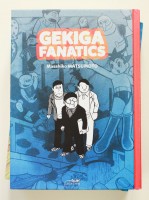
gekiga01If any publishers are reading this, I have a very specific licensing request. There’s a small French publisher called Lezard Noir that is publishing some amazing manga in French; I spoke to the publisher when I was in Angouleme two years ago and was really impressed with his line, which includes Minetaro Mochizuki’s Chiisakobé, Bonten Taro’s Sex & Fury, and Masahiko Matsumoto’s Gekiga Fanatics. I’m not the only one—every year at least one of his books is picked as an official selection by the Angouleme festival. I’d love to see some U.S. publishers pick up these titles in a similar format—I think they would have a lot of appeal to those older, more sophisticated manga readers.
Filed Under: FEATURES, MANGABLOG Tagged With: Drawn & Quarterly, fantagraphics, Kodansha Comics, Leiji Matsumoto, Most Anticipated Manga, moto hagio, NBM Publishing, Ryoko Ikeda, Seven Seas, Stone Bridge Press, Udon Entertainment, Vertical Comics, viz media, yen press

The Best and Worst Manga of 2015

December 30, 2015 by Katherine Dacey

After a two-year hiatus from blogging, I donned my critic’s cap again in 2015. I’ve enjoyed writing my quasi-weekly column, but composing a year-end list reminded me why I stepped off the reviewing treadmill in 2012: mediocre books! This year yielded a veritable bumper crop of so-so manga, titles that were competently executed but otherwise unmemorable thanks to an abundance of generic characters, cliché settings, and predictable plot twists; you’d be forgiven for feeling that you’d read many of 2015’s debuts before, even if the artists were new to the US market.

Lurking among the paint-by-number romances and boy-saves-world titles, however, were a few gems. I’ve done my best to highlight the titles that made me feel something, whether that feeling was love, hate, or a mixture of both. To that end, I’ve included my nominees for the worst manga of 2015 alongside the books that made me laugh and cry.

Yowamushi-Pedal-Volume-1Best New Series: Yowamushi Pedal
By Wataru Watanabe • Yen Press
You know the rap on sports manga: American readers won’t buy it, and don’t like it. Yowamushi Pedal might just change that, however, thanks to a story that plays well across the nerd-jock divide. Onoda, the hero, is a self-professed otaku whose weekly bike rides into Akihabara have transformed him into a secret Lance Armstrong clone. Though Onoda wants to revive his school’s anime club, his amazing hill-climbing skills and stamina get noticed by more seasoned riders, all of whom convince Onoda to join the cycling team. The series’ races are nail-biting, page-turning affairs, but it’s the in-between stuff that makes Yowamushi Pedal work. Onoda doesn’t just discover a new skill; he discovers a community of people who share his passion for riding and respect his talent. In short, Yowamushi Pedal is a coming-of-age story in which a bike becomes the nerdy hero’s vehicle—pun intended—for self-actualization.

One-Punch ManBest New Shonen Series: One-Punch Man
By ONE and Yusuke Murata • VIZ Media
One-Punch Man is the ultimate have-your-cake-and-eat-it-too manga. On the surface, it’s an affectionate spoof of shonen clichés that pokes fun at goofy costumes, over-the-top training sessions, and speech-prone villains. On a deeper level, however, One-Punch Man is a great adventure series about an ordinary but strong-willed individual who sets out to rid his city of monsters, only to discover that there’s a much greater threat to mankind than the lobster-men and were-lions that roam the streets. The result is a sincere, gut-bustingly funny manga that reads like a Silver Age superhero comic, splats and all. (Reviewed at Manga Blog on 6/12/15.)

Horimiya_cover1Best New Romance Manga: Horimiya
By Hero and Daisuke Hagiwara • Yen Press
Horimiya is one of 2015’s most pleasant surprises, a teen rom-com that avoids cliché situations by focusing on the characters’ lives outside school. At first glance, its lead characters look like opposites: Kyouko is the class queen, while Izumi is a quiet loner. When they bump into each other off campus, however, they quickly realize they have more in common than their carefully constructed identities would suggest–a realization that leads to friendship and flirtation. In less imaginative hands, Kyouko and Izumi’s budding romance would be subjected to endless tests–school plays, beach trips, hot transfer students–but the authors resist the urge to trot out these over-used scenarios, relying instead on more ordinary settings for comedic (and dramatic) grist. It’s the perfect antidote to the wacky misunderstandings that drive the plots of Cactus’ Secret, Special A, and a dozen similar titles.

Cat_DiaryBest New Gag Manga: Junji Ito’s Cat Diary: Yon & Mu

By Junji Ito • Kodansha Comics
Draw a Venn diagram that shows the overlap between Junji Ito fans and cat lovers, and you’ve found the small but perfect audience for Junji Ito’s Cat Diary, a collection of anecdotes about Ito’s beloved pets Yon and Mu. Though the manga’s jokes explore familiar terrain, Ito’s exaggerated reaction shots are priceless, capturing the mixture of love and disgust that cats inspire in their owners. (Imagine Edvard Munch drawing a gag manga about cats, and you get the general idea.) Ito is refreshingly honest about the way animals change the dynamic between people, too; in some of the manga’s most memorable scenes, Ito and his fiancée compete fiercely for their cats’ affection, plying Yon and Mu with toys, treats, and cuddles. Though the prevailing tone is campy, Ito’s obvious affection for his cats helps prevents the Diary from becoming too arch. (Reviewed at Manga Blog on 12/12/15.)

ludwig_kansiBest Historic Title: Ludwig B.
By Osamu Tezuka • DMP, Inc.
Left unfinished at the time of Osamu Tezuka’s death, Ludwig B. is a fictionalized biography of Beethoven. Tezuka only completed two volumes, but oh, those two volumes! Tezuka draws evocative scenes of Beethoven at the keyboard, using striking visual metaphors to convey the sound of Beethoven’s music. Tezuka also does a good job of capturing the dynamic between Beethoven and his father, revealing the extent to which Johann’s drinking, gambling, and stage-parenting cast a long shadow over Beethoven’s adult life. Purists should note that Tezuka takes frequent liberties with the historical record, creating a mustache-twirling villain named Franz Kreuzstein to serve as a foil for the young, determined Beethoven. If you’re not offended by such creative license, however, Ludwig B. offers an interesting glimpse into Beethoven’s development as a composer, and Tezuka’s lifelong fascination with Beethoven.

planetesBest Reprint Edition: Planetes
By Makoto Yukimura • Dark Horse
Listen up, manga publishers: if you’re going to do a new edition of a fan favorite, Dark Horse’s two-volume omnibus of Planetes is a swell example of how to do it right. The story has a crisp new translation, full-color pages, and a bigger trim size that gives Makoto Yukimura’s artwork room to stretch out. Better still, the new edition collects more chapters in each volume, allowing newcomers to read far enough into Planetes for Yukimura’s episodic character studies to gel into a more coherent story about space travel and social inequality; by the time newbies reach the end of volume one, they’ll be hooked, too.

sakamotoBest Manga I Thought I’d Hate: Haven’t You Heard? I’m Sakamoto
By Nami Sano • Seven Seas
In theory, Haven’t You Heard? I’m Sakamoto is a one-note samba: the titular character is handsome, good at everything, and unfailingly logical in all situations. In practice, however, Haven’t You Heard? is the Goldberg Variations of gag manga, taking stock scenes and putting a bizarre twist on them. The secret? Sakamoto is just a little too perfect, behaving more like a well-programmed android than a flesh-and-blood person. His peculiar brand of sangfroid confounds enemies and admirers alike; no one can decide if he’s cool or crazy, or where his loyalties might lie, making it impossible to predict how he’ll respond to each new challenge. (Reviewed at The Manga Critic on 8/7/15.)

jojo_phantom_blood1Worst Manga I Thought I’d Love: JoJo’s Bizarre Adventure, Part 1: Phantom Blood

By Hirohito Araki • VIZ Media
At the risk of becoming the Armond White of manga critics, I’m nominating Hirohito Araki’s bone-crunching, chest-thumping saga for Most Exhausting New Series of 2015. That’s because Phantom Blood is a prime example of all-caps theater, the sort of manga in which every word balloon is filled with emphatic punctuation, and every plot twist seems like the brainchild of six teenage boys hopped up on Mountain Dew. In small doses, this more-is-more approach to storytelling can be amusing, but in longer installments, the cumulative effect of so much narrative excess is numb resignation; I didn’t feel entertained so much as punched in the face. (Reviewed at Manga Blog on 5/22/15.)

mizuki_hitlerMost Disappointing Manga: Shigeru Mizuki’s Hitler
By Shigeru Mizuki • Drawn & Quarterly
Shigeru Mizuki’s Hitler is one of the artist’s lesser works, uncomfortably see-sawing between character study and history lesson in its efforts to show us the man behind the Third Reich. Mizuki’s signature blend of cartoonish figures and photo-realistic backgrounds have been deployed to powerful effect in Non Non Ba and Onwards Towards Our Noble Deaths. Here, however, Shigeru’s hybrid style is a poor match with the subject; seeing Hitler reduced to a crude caricature makes it all too easy to view the book as a curiosity, rather than a serious meditation on evil. The virtual absence of the Holocaust is an even greater shortcoming; Shigeru Mizuki’s Hitler never grapples with the Fuhrer’s most disturbing legacy save for one blurry image of stacked corpses. Perhaps Mizuki felt the subject was too complex to explore in this biography, but it’s hard to imagine any dramatization of the Fuhrer’s life that fails to examine his virulent anti-Semitism.

* * * * *

So what are other folks saying about 2015’s best titles? My Manga Bookshelf colleagues just posted their Pick of the Year, with Ash Brown posting a separate, more detailed run-down of his favorite titles at Experiments in Manga. At the B&N Sci-Fi & Fantasy Blog, Brigid Alverson has posted separate lists for her favorite new and continuing series.

Filed Under: MANGABLOG, REVIEWS Tagged With: Best Manga of 2015, Dark Horse, DMP, Drawn & Quarterly, Junji Ito, Kodansha Comics, Osamu Tezuka, Seven Seas, Shigeru Mizuki, viz media, yen press

The Manga Revue: Junji Ito’s Cat Diary

December 12, 2015 by Katherine Dacey

2015 has been a banner year for Junji Ito. In April, VIZ re-issued Gyo, Ito’s ick-tastic classic. Two months later, VIZ introduced readers to Fragments of Horror, the first new Ito title to arrive in the US in a decade. That was soon followed by the stateside debut of Junji Ito’s Cat Diary: Yon & Mu, a humorous anthology published by Kodansha Comics. I first heard about Cat Diary back in 2011, when Ryan Sands posted a few images at Same Hat! It sounded like something I’d like–I’m on record as being an animal sap–so I was delighted when Kodansha announced plans to release it this year. Here are my somewhat biased thoughts on Yon & Mu.

Cat_DiaryJunji Ito’s Cat Diary: Yon & Mu
By Junji Ito
Rated T, for readers 13+
Kodansha Comics, $10.99

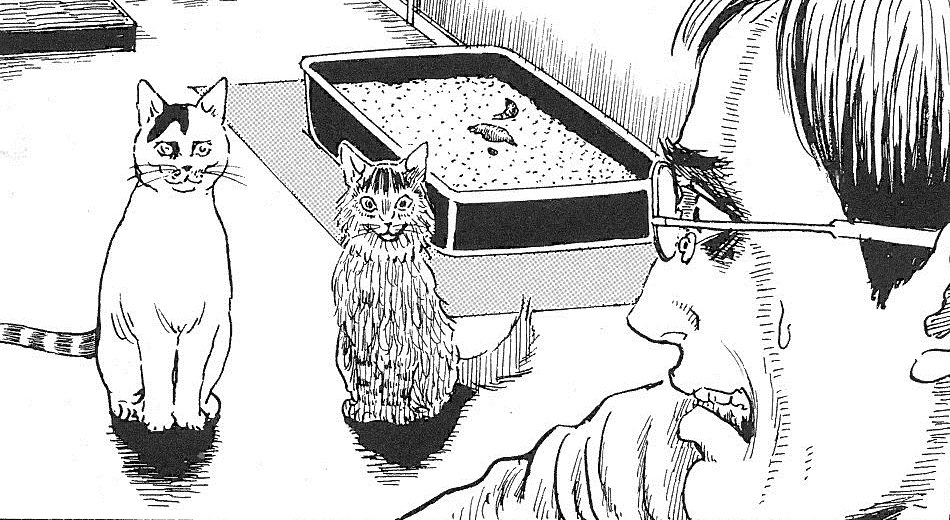
On the surface, Junji Ito’s Cat Diary is a gag manga. J-Kun–a lightly fictionalized version of the author–reluctantly agrees to let his fiancee bring two cats into their home: Yon, a black-and-white cat with sinister markings on his back, and Mu, a Norwegian forest cat with a cute face and a wicked bite. Each story depicts Yon and Mu doing normal cat things, from coughing up hairballs to resisting unsolicited human affection. Readers familiar with Ito’s previous manga will get a chuckle at J-Kun’s over-the-top reactions to cat poop, scratched floors, and feather wands, as his grotesque facial expressions have been swiped from the pages of Gyo and Uzumaki. Surprisingly, these grimaces work just as well in the context of a domestic comedy, capturing the mixture of revulsion and love that cat behavior elicits. The uninitiated reader may also find these scenes amusing, if a bit excessive; surely a grown man realizes that cats can be jerks?

On a deeper level, however, Cat Diary is a meditation on human relationships. Though the ostensible plot focuses on J-Kun’s struggle to overcome his dislike of cats, the real story is Yon and Mu’s role in bringing J-Kun closer to his fiancee. J-Kun comes to love the cats–spoiler alert!–but the way in which he expresses those feelings demonstrates his journey from “me” to “we,” as his selfish concerns about the house give way to a shared sense of responsibility for the cats’ welfare. This human dimension of Cat Diary infuses it with a warmth that’s frequently missing from Ito’s work, and prevents the stories from reading like a collection of cat GIFs. (I can haz laffs now!)

On a totally shallow note, reading Cat Diary made me want to get my own Norwegian forest cat. I’m not sure if that’s an endorsement of Ito’s comedy chops, but it’s proof that he can draw the hell out of cute, furry things.

The verdict: You don’t need to be a cat person–crazy or otherwise–to enjoy this idiosyncratic manga, though a healthy respect for cats definitely helps.

Reviews: In the mood for shojo? Megan R. of The Manga Test Drive has you covered with in-depth reviews of The Demon Prince of Momochi House, First Love Monster, L♥DK, and Requiem of the Rose-King. Comics Alliance contributor Tom Speelman reflects on the legacy of Naruto, one of the world’s most popular manga.

Michael Burns on vol. 4 of Akame ga Kill! (Ani-TAY)
Megan R. on The Angel of Elhamburg (The Manga Test Drive)
Jordan Richards on vols. 5-7 of Assassination Classroom (AiPT!)
Sean Gaffney on vol. 7 of A Bride’s Story (A Case Suitable for Treatment)
Sheena McNeil on vol. 56 of Case Closed (Sequential Tart)
Lindsey Tomsu on vols. 1-3 of Dictatorial Grimoire (No Flying, No Tights)
Nick Smith on vol. 1 of Dragons Rioting (ICv2)
Michael Burns on vol. 8 of Food Wars! Shokugeki no Soma (Ani-TAY)
Justin Stroman on vol. 1 of Horimiya (Organization Anti-Social Geniuses)
Lindsey Tomsu on vols. 1-9 of Kanokon (No Flying, No Tights)
Jordan Richards on vol. 2 of Komomo Confiserie (AiPT!)
Karen Maeda on vol. 4 of Master Keaton (Sequential Tart)
Sarah on vol. 1 of Merman in My Tub (Anime UK News)
L.B. Bryant on vol. 1 of Monthly Girls’ Nozaki-Kun (ICv2)
Sarah on vol. 1 of Monthly Girls’ Nozaki-Kun (Anime UK News)
Austin Lanari on vol. 7 of New Lone Wolf & Cub (Comic Bastards)
Chris Beveridge on vol. 1 of Planetes (The Fandom Post)
Matt on vol. 2 of Prison School (Ani-TAY)
Matt on vol. 1 of School-Live! (Ani-TAY)
Josh Begley on vol. 6 of Vinland Saga (The Fandom Post)

Filed Under: MANGABLOG, REVIEWS Tagged With: Cat Diary, Junji Ito, Kodansha Comics, Manga Review

The Manga Revue: Deadman Wonderland and Livingstone

November 27, 2015 by Katherine Dacey

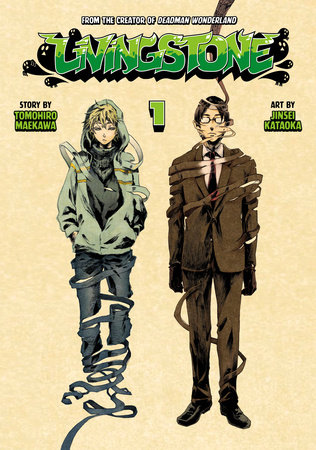
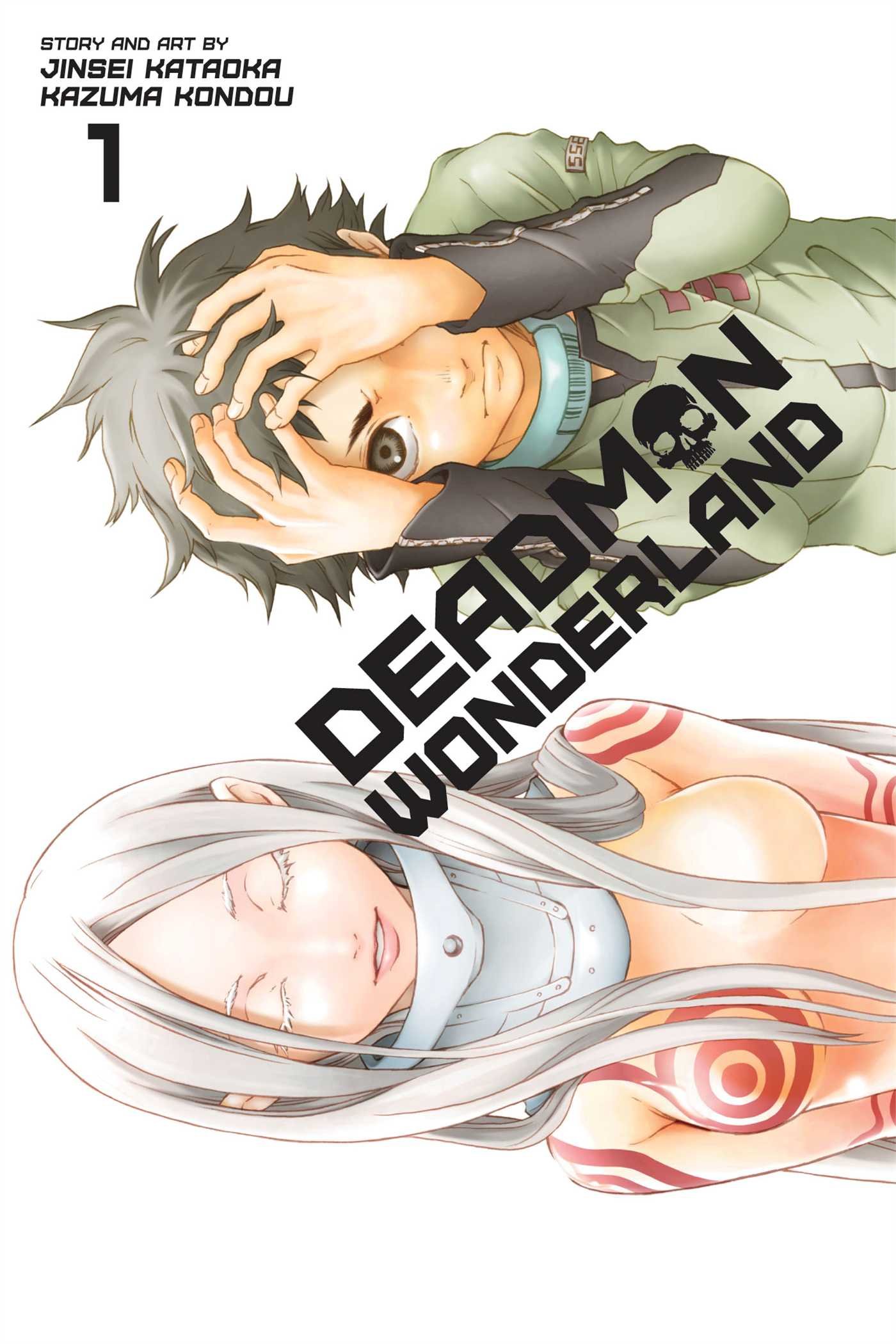
The November release of Jinsei Kataoka and Tomohiro Maekawa’s Livingstone provided me a nifty excuse to try Deadman Wonderland, an earlier series written and illustrated by Katoaka. Fans of Deadman Wonderland may know its complex licensing history here in the US: Tokyopop was its first publisher, releasing five volumes before going bankrupt in 2011. VIZ acquired the series in 2013, and is now just two volumes shy of the series’ grand finale, which arrives in February 2016. Whether you’re new to Kataoka’s work or have been a long-time fan, this column has something for you–so read on!

deadman_wonderland1Deadman Wonderland, Vol. 1
Story & Art by Jinsei Kataoka and Kazuma Kondou
Rated T+, for Older Teens
VIZ Media, $9.99

In the not-so-distant future, visitors flock to Deadman Wonderland, a prison-cum-theme park in Tokyo Bay where inmates fight to the death in front of paying crowds. Our guide to this Roman circus is newly minted prisoner Ganta Igarashi, an ordinary fourteen-year-old who’s been wrongfully convicted of murdering his classmates. Ganta’s fundamental decency is challenged at every turn; try as he might to cling to his humanity and clear his name, the prison’s arbitrary rules and roving gangs make it hard to be principled.

From my thumbnail description, you might conclude that Deadman Wonderland was cobbled together from parts of Judge Dredd, Rollerball, and Escape from New York–and you wouldn’t be wrong. What prevents Deadman Wonderland from reading like Rollerball 2: The Revenge is imaginative artwork. Jinsei Kataoka and Kazuma Kondou have created a Bizarro World Disneyland with rides, concessions, grinning animal mascots, and attractions like the Happy Dog Run, a lethal obstacle course featuring swinging blades and spike-filled pits. The characters who inhabit this landscape are a motley crew: though some telegraph their bad-guy status with tattoos and goofy haircuts, there are enough ordinary-looking prisoners that it’s impossible to judge who’s trustworthy. That uncertainty creates a strong undercurrent of tension in every scene, making Ganta’s routine activities–a conversation in the bathroom, a trip to the cafeteria–as fraught with peril as an actual contest.

The manga’s other great strength is pacing. Kataoka and Kondou resist the temptation to dole out too much information in the first volume; we’re never more than a clue or two ahead of Ganta, though perceptive readers may finish volume one with some notion of the prison’s true purpose. The authors’ expert timing also prevents us from dwelling on the story’s most shopworn elements, instead focusing our attention on how Ganta responds to new characters and new challenges.

All of which is to say: Deadman Wonderland is more fun than it has any right to be, considering the high body count and recycled plot points. Count me in for the next twelve volumes!

The verdict: Great art, smart pacing, and an appealing lead character make Deadman Wonderland a winner. (A note to parents, teachers, and librarians: this manga’s rating is justified.)

livingstoneLivingstone, Vol. 1
Story  by Tomohiro Maekawa, Art by Jinsei Kataoka
Rated 16+
Kodansha Comics, $10.99

Livingstone is a handsomely illustrated bore, the kind of manga in which the writer has dressed up a simple concept with a profusion of fussy details that don’t add depth or interest to the story. The title refers to human souls–or, more accurately, the rock-like form that human souls take after a person dies. Sakurai and Amano, the manga’s protagonists, work together to harvest livingstones, thus ensuring that a soul is properly passed from one person to the next. If a person dies before his appointed time, however, his soul curdles into a gooey blob of bad juju.

The manga has the rhythm of a cop show: in each chapter, Sakurai and Amano solve or prevent one unscheduled death, usually by negotiating with someone who’s planning to kill himself. Livingstone‘s intense fixation on suicide is off-putting; none of the would-be victims are particularly sympathetic, and Sakurai and Amano’s ministrations are so tone-deaf that it’s hard to know what message author Tomohiro Maekawa is hoping to impart to readers. Sakurai and Amano’s antagonistic bickering is supposed to inject a note of levity into the proceedings, I think, but the timing of the jokes and the staleness of the characterizations do little to offset the dour tone. By the end of volume one, I found myself feeling bummed out and irritated–never a good sign for a series that’s exploring a subject as serious as death.

The verdict: Nice art, lousy script; I liked this story better when it was called The Kurosagi Corpse Delivery Service.

Reviews: At Comics Worth Reading, Johanna Draper Carlson dives into the eleventh volume of Fumi Yoshinaga’s Ooku: The Inner Chambers, which she describes as “something like Macbeth in kimonos.” Megan R. of The Manga Test Drive offers an in-depth assessment of Oishinbo, “the longest running food manga in Japan,” while Seth Hahne, proprietor of Good OK Bad, weighs in on Yamada-Kun and the Seven Witches. Feeling crafty? Vertical Comics shares some early reviews of their latest Arnazi Aronzo book Cuter Stuff.

Connie on Alice in the Country of Hearts: Ace of Hearts (Slightly Biased Manga)
Lindsey Tomsu on The Celebration of Haruhi Suzumiya (No Flying No Tights)
Sean Gaffney on vol. 5 of A Certain Magical Index (A Case Suitable for Treatment)
Wolfen Moondaughter on vol. 27 of Claymore (Sequential Tart)
Allen Kesinger on vols. 1-2 of D-Frag (No Flying No Tights)
ebooksgirl on vol. 2 of The Devil Is a Part-Timer! High School! (Geek Lit Etc.)
Ken H. on vol. 1 of Devil Survivor (Sequential Ink)
Connie on vol. 32 of Eyeshield 21 (Slightly Biased Manga)
Kory Cerjak on vol. 50 of Fairy Tail (The Fandom Post)
Troy Nikandler on vol. 1 of Is It Wrong to Try to Pick Up Girls in a Dungeon? (Otaku Review)
Holly Saiki on Junji Ito’s Cat Diary: Yon & Mu (Examiner)
Karen Maeda on vol. 1 of Komomo Confiserie (Sequential Tart)
Sean Gaffney on vol. 1 of Log Horizon: Game’s End (A Case Suitable for Treatment)
Connie on vol. 1 of Meteor Prince (Slightly Biased Manga)
Wolfen Moondaughter on vol. 2 of My Hero Academia (Sequential Tart)
Johanna Draper Carlson on vols. 4-6 of My Love Story!! (Comics Worth Reading)
Justin Stroman on Oh! My Goddess (Organization Anti-Social Geniuses)
Kane Bugeja on vol. 6 of Seraph of the End: Vampire Reign (Snap 30)
Matthew Warner on vol. 18 of Tegami Bachi (The Fandom Post)
Wolfen Moondaughter on vol. 8 of Tiger & Bunny (Sequential Tart)
Frank Inglese on vol. 7 of World Trigger (Snap 30)
Sheena McNeil on vol. 1 of Yo-Kai Watch (Sequential Tart)
Dustin Cabeal on vols. 1-2 of Yo-Kai Watch (Comic Bastards)
Paige Sammartino on vols. 1-2 of Yo-Kai Watch (Women Write About Comics)

PS: Our Manga Bookshelf colleague Ash Brown is giving away the first volumes of four awesome shojo titles from Kodansha Comics, including LDK, Let’s Dance a Waltz, My Little Monster, and one of my personal favorites Say I Love You. Don’t dally; the contest closes on December 2nd!

Filed Under: MANGABLOG, REVIEWS Tagged With: Deadman Wonderland, Jinsei Kataoka, Kodansha Comics, Livingstone, Manga Review, viz media

Junji Ito’s Cat Diary: Yon & Mu

November 6, 2015 by Ash Brown

Junji Ito's Cat Diary: Yon & MuCreator: Junji Ito
U.S. publisher: Kodansha
ISBN: 9781632361974
Released: October 2015
Original release: 2009

Junji Ito’s Cat Diary: Yon & Mu was one of the manga releases I was most looking forward to in 2015. Junji Ito is primarily known for horror manga–his Uzumaki is one of my personal favorites in the genre–but in 2008 he had the opportunity to serialize an autobiographically-inspired manga based on his experiences living in a house with two cats. The result was Junji Ito’s Cat Diary, ultimately collected in a single, slim volume and published in Japan in 2009. The English-language edition of the manga released by Kodansha Comics in 2015 also includes the contributions made by Ito and his wife (Ayako Ishiguro) to the 2011 Tohoku Earthquake relief anthology Teach Me, Michael! A Textbook in Support of Feline Disaster Victims. I thoroughly enjoy Ito’s brand of unusual horror and I, too, happen to have the privilege of feline companionship, so I was very interested in Junji Ito’s Cat Diary. I expected it to be a manga that I would enjoy and I wasn’t disappointed; I absolutely loved it.

J-kun is the proud owner of a new house in pristine condition from floor to ceiling and he’s looking forward to living there with his soon-to-be wife A-ko. What he didn’t initially realize was that by inviting her to live with him he would also become host to two more guests: Yon and Mu. J-kun is convinced that Yon, one of A-ko’s family’s cats, is cursed. He’s a strange-looking feline with skull-like markings that would seem to confirm J-kun’s suspicions. Mu, on the other hand, is an adorable kitten with a pedigree and cute enough to melt even J-kun’s dog-loving heart. And so begins J-kun’s trials and tribulations as a keeper of cats, slowly falling under their spell as he grieves the loss of his perfectly-kept house. He warms up to both Yon and Mu, but they don’t quite exhibit the same amount of warmth in return, more often than not preferring A-ko’s company. But J-kun is determined–one day he, too, will enjoy Yon and Mu’s love and affection.

Junji Ito's Cat Diary: Yon & Mu, page 31Junji Ito’s Cat Diary is immensely entertaining. Ito has kept his signature style used when drawing horror manga and has applied it to a collection of stories that are closer to being gag manga. The illustrations can be intentionally grotesque and creepy, with an emphasis on J-kun’s exaggerated expressions as he reacts (and overreacts) to the events occurring in his household and the horrors of pet ownership. A-ko, too, is drawn in such a way that her disconcerting appearance adds to the atmosphere of horror in the manga. For the most part, the cats are simply cats (at least when J-kun isn’t hallucinating from lack of sleep); it’s the humans who come across as maniacal. Junji Ito’s Cat Diary looks like it should be a horror manga and has all of the genre’s visual stylings, but it really isn’t. The humor is even funnier because of this deliberate disconnect between the actual stories being told and how they are being portrayed.

As someone who tends to enjoy Ito’s work and as someone who tends to like cat comics, I was already in a position to particularly appreciate Junji Ito’s Cat Diary. It may certainly not work for everyone, though–the manga is a weird mix of horror and comedy, the grotesque and the adorable–but I loved it. In general, the stories in Junji Ito’s Cat Diary are less about Yon and Mu’s antics and more about J-kun’s reactions to their behavior and his changing relationships with the two cats. Yon and Mu are actually very normal as cats go; the humans in the manga are the ones who come across as eccentric and a bit odd. Junji Ito’s Cat Diary is hilarious but at the same time the manga maintains and oddly disconcerting and even ominous atmosphere. Ito simply excels at taking the mundane and transforming it into something truly devious and bizarre. I’m not sure, but perhaps I should be concerned by how much I can identify with the stories found in Junji Ito’s Cat Diary.

Filed Under: REVIEWS Tagged With: Junji Ito, kodansha, Kodansha Comics, manga

Vinland Saga, Vol. 6

October 30, 2015 by Ash Brown

Vinland Saga, Omnibus 6Creator: Makoto Yukimura
U.S. publisher: Kodansha
ISBN: 9781612628035
Released: September 2015
Original release: 2012
Awards: Japan Media Arts Award, Kodansha Manga Award

After some delay, the sixth omnibus of Makoto Yukimura’s magnificent historical manga series Vinland Saga was finally released in 2015, nearly a year after the previous installment. It was a year in which I waited anxiously—Vinland Saga is one of my favorite manga series currently being published in English and I hope that it does well enough that Kodansha Comics can continue to released the manga. (Currently, English-reading audiences are only guaranteed to see one more omnibus, but even if the translation ends there the series is well-worth reading.) The sixth Vinland Saga omnibus collects the eleventh and twelfth volumes of the original Japanese edition, both of which were released in 2012, the same year the series won a Kodansha Manga Award. The series has also earned Yukimura a Japan Media Arts Award. As was the case with the last few omnibuses, sixth also includes a question and answer section exclusive to the English-language edition in which Yukimura discusses the series.

As the result of the Danish invasion of England in the eleventh century, Canute has successfully taken control of the county. He must still find a way to maintain that control, though. He is no longer the weak young man he once was, having grown into a powerful and cunning king who will do anything necessary to establish his ideal society. In order to gain his current position Canute had to arrange for the death of his father. Now he is turning his ambition towards Denmark and his older brother, hoping to secure rulership there as well. Meanwhile, Thorfinn, a young man from Iceland and a former mercenary who was once Canute’s bodyguard, lives his life in slavery. However, after working diligently for years clearing forested land for his master, his freedom is tantalizingly close. Thorfinn, too, wants to one day shape a world free from war and violence, but his current circumstances make such hopes little more than dreams. But as the political turmoil in Denmark increases it becomes difficult to foretell anyone’s fate, whether they be slave or king.

Vinland Saga, Omnibus 6, page 120I continue to be immensely impressed by the depth of storytelling and the character growth and development found in Vinland Saga. Particularly striking is the nearly complete reversal in Thorfinn and Canute’s respective outlooks on life. Thorfinn, who was once a fearsome warrior dealing in death and destruction, wants nothing more than peace and a way to somehow atone for everything that he has done. Canute, on the other hand, originally abhorred violence but now willingly employs it, considering it to be a necessary evil for the sake of creating a prosperous kingdom and protecting its people. I also find it fascinating that as both Canute and Thorfinn continue to mature and make their way in the world they are each beginning to follow in the footsteps of and even embody the ideals held by their respective fathers, for better or for worse. Canute has learned to successfully use his power politically and strategically as a leader while Thorfinn now fully understands how destructive such power can be.

Violence and the dynamics of power are major themes in Vinland Saga. In particular, the series explores what it means to turn away from violence and if it is even possible for someone to do that with the world and human nature being what they are. Yukimura has so far done an excellent job showing how a violent society affects the people living within it and how difficult it is for them to change that culture when it is held as an ideal. Vinland Saga incorporates many exciting and engaging fight scenes and battles which, like the rest of the manga, are dramatic and well-drawn. However, that violence hasn’t been glorified by Yukimura. Instead, a large focus has been put on the tragic consequences that result from those encounters. The action can be brutal and shockingly gruesome, but perhaps even more important is the tremendous psychological impact on the characters as violence perpetuates more violence in a seemingly endless cycle. Vinland Saga remains an exceptional series; I’m looking forward to reading more of the manga a great deal.

Filed Under: REVIEWS Tagged With: Japan Media Arts Award, kodansha, Kodansha Comics, Kodansha Manga Award, Makoto Yukimura, manga, Vinland Saga

News Round-Up for NYCC 2015

October 11, 2015 by Katherine Dacey

haikyuuGood news for manga readers: 2013-2014 was the first time since the mid-2000s that the industry enjoyed two consecutive years of sales growth. While the manga market isn’t as red-hot as it was in Tokyopop’s heyday, publishers released almost 800 new volumes in 2014, up 25% from 2013. [ICv2]

At its Friday panel, VIZ Media unveiled a diverse slate of titles that ran the gamut from shonen (Black Clover) to josei (Everyone’s Getting Married). Among the most interesting licenses were two sports manga: Haikyuu!, which focuses on a volleyball team, and Kuroko’s Basketball. VIZ also confirmed that it will be publishing Seventh Garden, Monster Hunter: Flash Hunter, and fan favorite Yona of the Dawn. [Crunchyroll]

Yen Press announced five new manga at NYCC, including an adaptation of Space Dandy and a new series by Yuji Iwahara (Cat Paradise, King of Thorn) called Dimension W. Also joining the Yen line-up in 2016 are Scumbag Loser, a cautionary tale about lying to your peers; Corpse Party: Blood Covered, another entry in the teens-fight-to-the-death-in-an-alternate-universe genre; and Unhappy Go Lucky!, a comedy about a group of unlucky middle-school students. [Anime News Network]

Yen isn’t the only company on the Space Dandy bandwagon: Kodansha Comics will be publishing I Am a Space Dandy!, another manga spin-off of the popular anime. Kodansha also revealed plans to publish the 4-koma Spoof on Titan. [Anime News Network]

At the Crunchyroll panel, the company introduced fans to its newest offerings, which include Arakawa Under the Bridge, a drama by Saint Young Men creator Hikaru Nakamura; Gugure! Kokkuri-san, a comedy about a little girl who inadvertently summons a fox demon; and Cuticle Detective Inaba, a supernatural comedy-thriller about a detective who’s half wolf, half man. (The “cuticle” in the title refers to the character’s pronounced interest in hair. Oh, manga…) [Anime News Network]

In a further sign of manga’s global reach, two companies announced that they would publish comics inspired by a signature title in their catalogs. Kodansha’s Attack on Titan and Dark Horse’s Lone Wolf and Cub 2100 projects will feature original stories by Faith Erin Hicks, Gail Simone, and other creators active in the American industry. [A Case Suitable for Treatment]

Although Vertical Comics did not announce any new manga acquisitions, it did give con-goers a sneak peek at an intriguing new project: audio light novels with music, sound effects, and voice acting. Look for the product line’s debut in spring 2016. [Crunchyroll]

Tokyo Ghoul, One-Punch Man, and Attack on Titan are fighting for the top spot on this week’s New York Times Manga Best Seller list. [New York Times]

Reviews: Michelle Smith and Sean Gaffney post a new set of Bookshelf Briefs, with short reviews of Assassination Classroom, He’s My Only Vampire, and QQ Sweeper.

Lori Henderson on vols. 1-2 of Beast Master (Manga Xanadu)
Terry Hong on The Complete Chi’s Sweet Home: Part One (Book Dragon)
Richard Gutierrez on vol. 2 of Is It Wrong to Pick Up Girls in a Dungeon? (The Fandom Post)
Wolfen Moondaughter on vol. 23 of Kaze Hikaru (Sequential Tart)
Kat Stevens on vol. 1 of L-DK (AiPT!)
Terry Hong on vol. 1 of One-Punch Man (Book Dragon)
Amy McNulty on vol. 72 of Naruto (Anime News Network)
Megan R. on Neon Genesis Evangelion (The Manga Test Drive)
Jordan Richards on vol. 6 of Noragami: Stray God (AiPT!)
Sheena McNeil on vol. 1 of QQ Sweeper (Sequential Tart)
Kate O’Neil on vol. 1 of Rose Guns Days: Season One (The Fandom Post)
SKJAM on Sanctuary (SKJAM! Reviews)
Wolfen Moondaughter on vol. 6 of Seraph of the End (Sequential Tart)
Rebecca Silverman on vols. 1-3 of Servamp (Anime News Network)
Anna N. on vol. 3 of So Cute It Hurts! (The Manga Report)
Plutoburns on Terra Formars (Pluto Burns)
Richard Gutierrez on vol. 1 of Tokyo ESP (The Fandom Post)
Garrett Gottschalk on vol. 1 of Ultraman (No Flying No Tights)
Ken H. on vol. 6 of Vinland Saga (Sequential Ink)
G.B. Smith on vol. 7 of Witchcraft Works (The Fandom Post)
Lori Henderson on Yurei Attack! The Japanese Ghost Attack Survival Guide (Manga Xanadu)

*Indicates YouTube review


Filed Under: MANGABLOG Tagged With: attack on titan, crunchyroll, Dark Horse, Kodansha Comics, Vertical Comics, VIZ, yen press

The Manga Revue: Say I Love You

October 2, 2015 by Katherine Dacey

This week, I’m catching up with Say I Love You, a shojo romance that’s been garnering strong reviews here and elsewhere since Kodansha began publishing it last August.

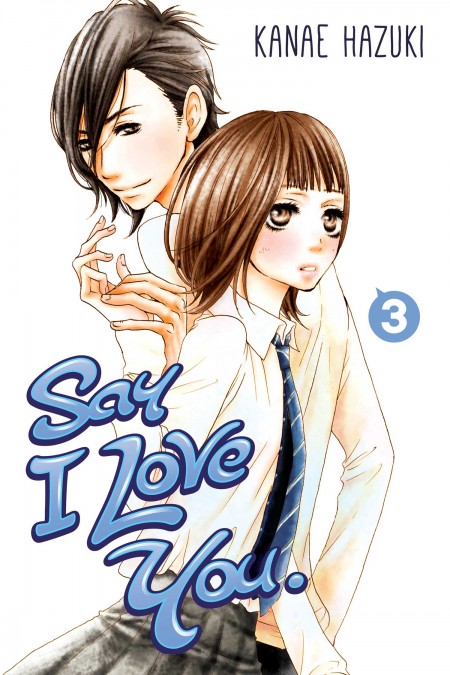
sayiloveyou3Say I Love You, Vols. 1-3
By Kanae Hazuki
Rated OT, for older teens
Kodansha Comics, $10.99

Back in the 1980s, filmmaker John Hughes peddled an intoxicating fantasy to thirteen-year-old girls: you might be the class misfit–the kid who wore the “wrong” clothes, listened to the “wrong” music, and had the “wrong” friends–but the hottest guy in school could still fall for you. Better still, he’d like you for being a “real” person, unlike the two-faced girls who inhabited his social circle. You’d have a bumpy road to your happily-after-ever, of course, since his friends felt compelled to say that you weren’t in his league, but in the end, your sincerity and quirkiness would prevail.

Say I Love You reads a lot like a manga version of Pretty in Pink or Some Kind of Wonderful, right down to the meet-cute between Mei, a moody loner, and Yamato, the most popular guy in school. Mei mistakenly believes that Yamato tried to peek up her skirt, and responds with a powerful roundhouse kick. Though Yamato’s friends demand an apology from her, Yamato is intrigued by Mei’s display of bravado and asks her out.

Mei is initially bewildered by Yamato’s courtship: why would someone as outgoing, handsome, and well regarded find her interesting? (You, dear reader, may also wonder why Yamato pursues Mei, given her generally sullen demeanor.) As Mei soon discovers, however, Yamato’s dating history is more complicated than she assumed; his good looks belie an earnest, thoughtful person who lost his virginity before he met someone he really cared about. He’s willing to endure a few tearful outbursts–not to mention some mixed signals–if it means he’ll get to know the real Mei before they go all the way.

And speaking of mixed signals, Say I Love You is refreshingly honest in acknowledging the full spectrum of teenage desire. Some characters embrace their feelings in healthy ways; others use sex to fill a void in their emotional lives; and still others are just beginning to explore their sexuality. Though many of the sexual encounters in the series are ill-advised, the teenage logic that underpins them rings true; an adult may feel an uncomfortable pang of recognition while reading Say I Love You.

The series’ greatest strength, however, is that author Kanae Hazuki is unusually generous with her supporting players. We’re privy to both Mei and Yamato’s thoughts, of course, but Hazuki also pulls the curtain back on other characters’ interior lives. In volume two, for example, mean girl Aiko becomes the temporary focus of the story, narrating her own transformation from a plump, pretty girl to a skinny, angry young woman who is furious that Yamato doesn’t like her. Her blunt self-criticism and body hang-ups remind younger readers that everyone wears a mask in high school; even students who seem outwardly blessed with good looks or talent are wrestling with the familiar demons of self-doubt and self-loathing.

If I had any criticism of Say I Love You, it’s that the plot twists are a little too by-the-book, with beach visits, Valentine’s Day agita, and misunderstandings of the “I saw you kiss her!” variety. In volume three, for example, Hazuki introduces Megumi, a model who’s hell-bent on making Yamato her boyfriend. When a direct approach doesn’t work–Yamato, of course, rebuffs Meg’s initial proposition–Meg transfers schools and ropes Yamato into becoming a model himself. I realize that “model,” “celebrity,” or “singer” epitomize a thirteen-year-old’s dream job, but the artifice and obviousness of diving into the modeling world feels like an unnatural direction for such a finely observed romance.

Perhaps the best compliment I could pay Say I Love You is that it has all the virtues of Pretty in Pink and Some Kind of Wonderful: it’s got a proud, tough heroine who’s skeptical of the popular kids, a sincere hot guy who can see past her bluster, and a veritable Greek chorus of peers who chart the ups and downs of their relationship. All it needs is a killer soundtrack.

Reviews: At Brain vs. Book, Joceyln Allen sings the praises of Takehiko Moriizumi’s Mimi wa Wasurenai, an untranslated short story collection. “It’s okay if you don’t read Japanese,” she explains, “you can just stare at the beauty on every page. Moriizumi makes manga like nothing I’ve ever seen before.” Go see for yourself!

Saeyong Kim on vol. 1 of 21st Century Boys (No Flying No Tights)
Jessikah Chautin on Awkward (No Flying No Tights)
SKJAM on vols. 1-2 of Captain Ken (SKJAM! Reviews)
Kat Stark on vol. 1 of Devil Survivor (AiPT!)
Jessikah Chautin on vol. 1 of Durarara!! Yellow Scarves Arc (No Flying No Tights)
SKJAM on Gimmick! (SKJAM! Reviews)
Kat Stark on vol. 1 of Kiss Him, Not Me! (AiPT!)
Ian Wolf on vol. 1 of the Kurosagi Corpse Delivery Service Omnibus (Anime UK News)
David Brooke on vol. 1 of Ninja Slayer Kills (AiPT!)
Anna N. on vol. 2 of Requiem of the Rose King (The Manga Report)
Ian Wolf on vol. 2 of Requiem of the Rose King (Anime UK News)
Rebecca Silverman on vol. 1 of Rose Guns Days, Season One (Anime News Network)
Marissa Lieberman on vol. 1 of Seraph of the End (No Flying No Tights)
Sean Gaffney on vol. 11 of Umineko: When They Cry (A Case Suitable for Treatment)
Ash Brown on vol. 2 of Wayward: Ties That Bind (Experiments in Manga)
Ken H. on vol. 3 of Yamada-kun and the Seven Witches (Sequential Ink)

Filed Under: MANGABLOG, REVIEWS Tagged With: Kodansha Comics, Manga Review, Say I Love You, shojo

Maria the Virgin Witch: Exhibition

September 18, 2015 by Ash Brown

Maria the Virgin Witch: ExhibitionCreator: Masayuki Ishikawa
U.S. publisher: Kodansha
ISBN: 9781632361905
Released: August 2015
Original release: 2015

I rather enjoyed Masayuki Ishikawa’s short, three-volume manga series Maria the Virgin Witch. Although it was a bit uneven in places, possibly because the series ended sooner than was initially planned (granted, that is my own speculation rather than something that I know for a fact), I liked the series’ quirky characters, historical fantasy, and peculiar mix of humor and more serious philosophical and theological musings. Because Maria the Virgin Witch wrapped up so quickly and left many questions unanswered, I was happy to learn that Maria the Virgin Witch: Exhibition had also been licensed for an English-language release. Originally published in Japan in 2015, Exhibition is a collection of sides stories, a mix of prequels and sequels to the main series. Kodansha Comics released the English-language edition in 2015 as well. It is a relatively slim volume, but I was looking forward to spending a little more time with Maria the Virgin Witch and its characters.

Each of the short manga in Exhibition focuses on a different character of Maria the Virgin Witch: Viv, Maria, Joseph, and Ezekiel. Viv’s story is the only multi-chapter manga in the volume. It follows the English witch from when she first arrived on France’s shores, traveling on a ship filled with soldiers and other witches sent to reinforce England’ armies in the Hundred Years War. This is long before she befriends Maria, but Viv’s enthusiastic and reckless approach to battle, in addition to wreaking havoc, becomes a source of inspiration for Maria’s own efforts. The next story is just as much about Maria’s familiars as it is about Maria herself, taking place during the main series and showing a typical day away from the battlefield after Ezekiel joins their small group. Josephs’ story, like Viv’s, is a prequel to Maria the Virgin Witch, recounting Joseph and Maria’s first adorably awkward meeting as he seeks her aid for France’s war efforts. The volume ends with a story about Ezekiel, not as an angel, but as the human child of Maria and Joseph, providing a nice epilogue for the series as a whole.

Maria the Virgin Witch: Exhibition, page 44The stories in Exhibition are obviously intended for readers who are already familiar with Maria the Virgin Witch and who have already read the entire series. Although the short manga in Exhibition aren’t necessarily directly connected to the main narrative of Maria the Virgin Witch, by their very nature there are some spoilers involved and the collection relies on the reader having previous knowledge of the series’ characters. Exhibition is less devoted to expanding the world and plot of Maria the Virgin Witch and more focused on further developing the manga’s characters and their personal stories. And by telling the stories of the individual characters in Exhibition, more about Maria herself is revealed. Even when she isn’t immediately involved or present, Maria plays an important role in all of the short manga. Exhibition shows many of her different sides: Maria the friend, Maria the master, Maria the lover, Maria the mother, and so on.

Whereas the main Maria the Virgin Witch series had a rather serious story that was accompanied and punctuated with humor, overall Exhibition consistently tends to be much more lighthearted and comedic in nature. It’s a fun collection for fans of the series even if the stories are generally fairly inconsequential. None of the hard questions raised by the main series or the lingering plot threads are really addressed. Maria’s lineage and backstory still remain obscure. (If anything, I’m left wondering even more about her origins and who she really is.) Not much in the way of additional worldbulding is present in the volume either. Instead, Exhibition offers readers the opportunity to enjoy a collection of stories that are charming, funny, and even a little touching as they celebrate the characters of Maria the Virgin Witch. And because the characters are such a large part of what makes Maria the Virgin Witch so appealing, Exhibition is a perfect send-off for the series.

Filed Under: REVIEWS Tagged With: kodansha, Kodansha Comics, manga, Maria the Virgin Witch, Masayuki Ishikawa

  • « Go to Previous Page
  • Page 1
  • Page 2
  • Page 3
  • Page 4
  • Page 5
  • Interim pages omitted …
  • Page 7
  • Go to Next Page »
 | Log in
Copyright © 2010 Manga Bookshelf | Powered by WordPress & the Genesis Framework