I still very much enjoy Everyone’s Getting Married, but this volume was a little bit of a letdown, mostly because I’m not terribly fond of the way the “suddenly a rival appears!” storyline is being executed.
At the end of the last volume Kamiya, a work colleague of Asuka’s decided that she would be his ideal wife. He was not put off by the fact that she’s dating Ryu, and Kamiya’s persistence was one of the most annoying things about this volume, even though he did bring up some good and rational points about Asuka and Ryu’s counterproductive relationship. Asuka is mostly reduced to a bargaining chip between the men, and her actions are a little bit too passive, although I suppose it is an accurate portrayal of where a woman might end up when she has been thoroughly socialized to be nice all the time. The volume opens with Ryu and Kamiya getting a drink together, and even though Ryu warns Kamiya to stop his pursuit of Asuka, Kamiya is undeterred, pointing out the futility of a relationship where one person wants to get married and the other is set against it. Kamiya is convinced that the couple will eventually break up, and when that happens he will be there, ready to scoop up Asuka and take advantage of her innate intelligence and competence to have the supportive live partner of his dreams.
Kamiya proceeds to both threaten and manipulate Asuka into spending time with him, and I started feeling very annoyed that Asuka was so passive that she got thrown into situations with Kamiya when she didn’t really want to spend time with him. Ryu and Asuka always do reaffirm their relationship, and a brief trip away with a break from work serves to smooth things over. One of the reasons why this manga is so interesting to read is the fact that either one of the main characters is going to have to fundamentally change, or they will have to break up, and that dramatic tension is intriguing. This volume felt like a bit more of a placeholder, and I hope there’s a more satisfying story in the next volume.

 Bloom Into You, Vol. 1 by Nakatani Nio
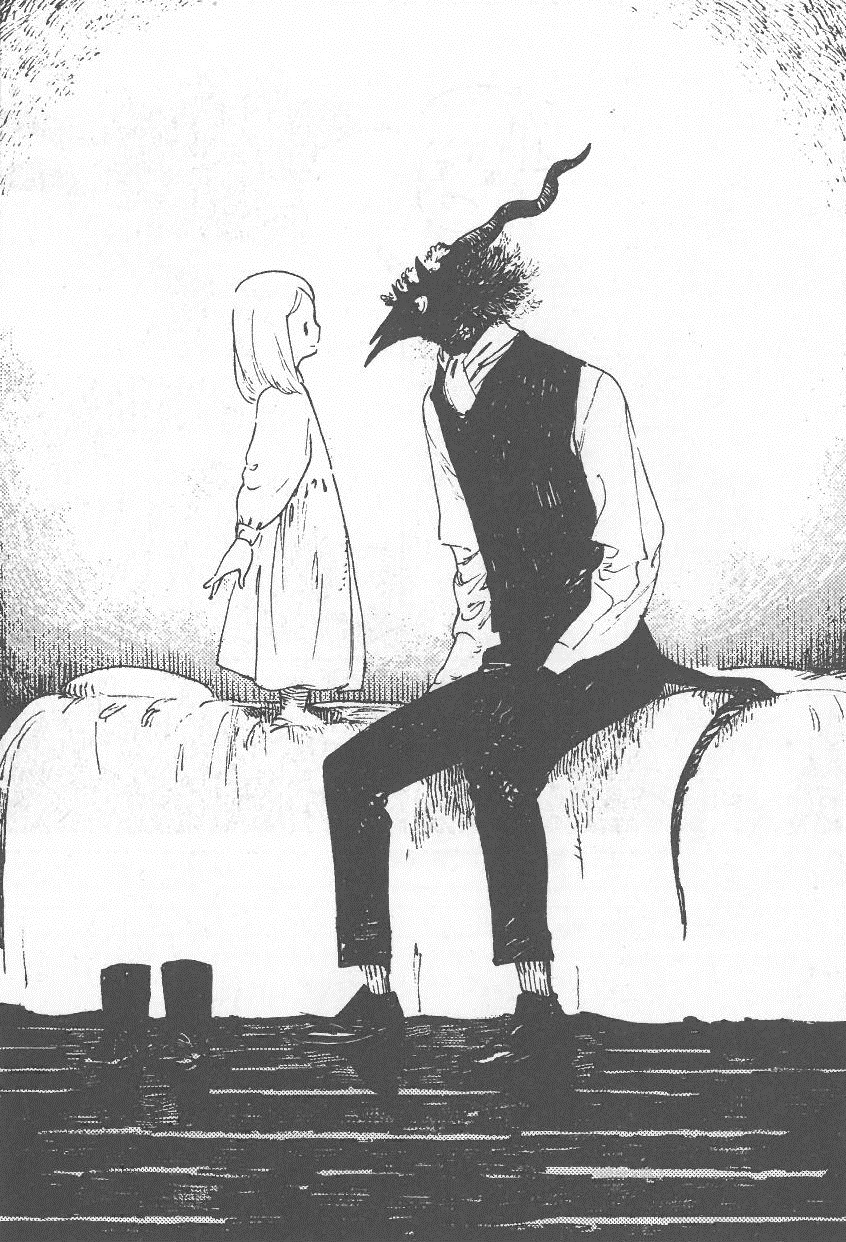
 The Girl from the Other Side: Siúil, a Rún, Vol. 1 by Nagabe
 Kase-san and Morning Glories by Hiromi Takashima
 Kindred Spirits on the Roof: The Complete Collection by Hachi Ito, Aya Fumio, Toitentsu, and Liar-Soft


 Although I genuinely, deeply love shounen sports manga, I can’t deny that most follow similar story beats. I knew going in that Giant Killing is actually seinen, but wasn’t prepared for what a breath of fresh air it would be.
 Eijun Sawamura really wanted to make some good baseball memories with his middle-school friends, but even though they practiced hard, they couldn’t win a single game. Although he shows talent as a pitcher, his unsportsmanlike behavior after a bitter defeat means most of the good baseball schools are no longer interested in him. And, because he is a hot-headed yet enthusiastic idiot, he totally forgot about the entrance exams required for other schools.
 and the second volume ends with the cliffhanger… will he and another first year succeed in scoring against overwhelming opponents?