• Skip to primary navigation
  • Skip to main content
  • Skip to primary sidebar
  • Home
  • About Us
    • Privacy Policy
    • Comment Policy
    • Disclosures & Disclaimers
  • Resources
    • Links, Essays & Articles
    • Fandomology!
    • CLAMP Directory
    • BlogRoll
  • Features & Columns
    • 3 Things Thursday
    • Adventures in the Key of Shoujo
    • Bit & Blips (game reviews)
    • BL BOOKRACK
    • Bookshelf Briefs
    • Bringing the Drama
    • Comic Conversion
    • Fanservice Friday
    • Going Digital
    • It Came From the Sinosphere
    • License This!
    • Magazine no Mori
    • My Week in Manga
    • OFF THE SHELF
    • Not By Manga Alone
    • PICK OF THE WEEK
    • Subtitles & Sensibility
    • Weekly Shonen Jump Recaps
  • Manga Moveable Feast
    • MMF Full Archive
    • Yun Kouga
    • CLAMP
    • Shojo Beat
    • Osamu Tezuka
    • Sailor Moon
    • Fruits Basket
    • Takehiko Inoue
    • Wild Adapter
    • One Piece
    • After School Nightmare
    • Karakuri Odette
    • Paradise Kiss
    • The Color Trilogy
    • To Terra…
    • Sexy Voice & Robo
  • Browse by Author
    • Sean Gaffney
    • Anna Neatrour
    • Michelle Smith
    • Katherine Dacey
    • MJ
    • Brigid Alverson
    • Travis Anderson
    • Phillip Anthony
    • Derek Bown
    • Jaci Dahlvang
    • Angela Eastman
    • Erica Friedman
    • Sara K.
    • Megan Purdy
    • Emily Snodgrass
    • Nancy Thistlethwaite
    • Eva Volin
    • David Welsh
  • MB Blogs
    • A Case Suitable For Treatment
    • Experiments in Manga
    • MangaBlog
    • The Manga Critic
    • Manga Report
    • Soliloquy in Blue
    • Manga Curmudgeon (archive)

Manga Bookshelf

Discussion, Resources, Roundtables, & Reviews

Features & Reviews

Bookshelf Briefs 11/18/13

November 18, 2013 by Sean Gaffney and Michelle Smith Leave a Comment

This week, Sean and Michelle look at recent releases from Viz Media.


midnight2Midnight Secretary, Vol. 2 | By Tomu Ohmi | Viz Media – As ever with the josei series we’ve seen Viz license in Shojo Beat, this second volume is dedicated to much angsting and lying to oneself. Unlike most Shojo Bdeat series, all the angsting ends in a fairly hot sex scene, which actually feels earned, mostly as we do get to see both Kaya and Kyohei making the same journey. Kaya “But I’m just a secretary” drives the first half, and Kyohei’s “Vampires should not love humans” drives the second, but they’re essentially the same concerns; each is losing themselves to the other, and it’s scary. I am pleased that we continue to focus on how good the two of them are at their jobs, and I suspect that Kyohei’s family will play a larger role as things go on. In the meantime, enjoy all the fretting and frothing leading to a whole lot of pleasure for all concerned. – Sean Gaffney

psyren13Psyren, Vol. 13 | By Toshiaki Iwashiro | Viz Media – I like the fact that so much attention is given in Psyren to showing us how the villains came together as a team. Usually the heroes band together with the power of friendship, etc., so it’s nice seeing it coming from the other side, with folks having agendas other than ’cause we’re evil like that’. Also, given Jump action series almost never really focus on the romance, I also liked seeing Sakurako freaking out at what her alternate self did with Ageha, even if it was played for the broadest comedy. (As was Maria being jealous, which was also very cute). Then it’s back to the Psyren world for more fighting, as things get livened up by the addition of a genuinely unhinged serial killer on the villain’s side – the flashback to his victims being found is chilling. Hopefully the series cam keep the momentum going, next volume looks like all fighting. – Sean Gaffney

rin-ne13Rin-Ne Vol. 13 | By Rumiko Takahashi | Viz Media – Never let it be said that Rumiko Takahashi’s comedy hasn’t been consistent as we travel from UY to Ranma to Rin-Ne. Her characters are funny because they are all gloriously selfish asses who are truly horrible to each other for the most petty reasons. There is the occasional heartwarming bone thrown here, but even then you never know when it will be yanked away from you, as with the chapter with Rinne’s horrible father. Even Sakura gets in on the act, not having issues with Rinne being a thief, but musing he wouldn’t be so bad at it if he were. Even the ghosts everyone is helping are petty, vindictive and shallow. If I hadn’t been reading Takahashi for almost 20 years now, I’d be fairly repulsed at this entire cast. As it is, it feels like putting on your favorite old electric blanket. – Sean Gaffney

strobeedge7Strobe Edge, Vol. 7 | By Io Sakisaka | Viz Media – One of the things that makes Strobe Edge so great it’s that it’s often sweet, but never sappy. Some of the best moments occur when mature-seeming character show their vulnerabilities and insecurities to the select few they care about, which means these scenes area always firmly rooted in character. The primary focus of this volume is the growing closeness between Ren and Ninako and the latter’s unwillingness to let go of their friendship to try for something more, especially since she knows Ren is still sad after breaking up with his girlfriend, unlike the other girls in school, who are eager to nab him without truly knowing him. Then there’s Ninako’s friend, Sayuri, who is worried that her current boyfriend has fallen for another girl just like her last one did. I suppose there’s nothing really new here, but it’s done so well that I just don’t care. – Michelle Smith

sunny2Sunny, Vol. 2 | By Taiyo Matsumoto | Viz Media – How does one craft something that’s sad but simultaneously uplifting and charming? Introspective and yet a page-turner? I have no clue, but thankfully Taiyo Matsumoto does and has instilled those qualities in Sunny. I especially love that the kids in this series (who live together in a group foster home) are not idealized. They tell lies, act tough, fail to show gratitude for their caretakers, and hang out with the wrong crowd but Matsumoto shows us the vulnerabilities that make them behave this way. One can’t help but feel for them, with the painful truths they’re confronting at such a young age. My favorite chapter involves relative newcomer Sei taking the latest arrival under his wing, only to say goodbye when the boy’s mother actually keeps her promise to come for him. It’s just beautifully done all around, which is yet another reason why you should be reading Sunny. – Michelle Smith

Filed Under: Bookshelf Briefs

Alice in the Country of Hearts: The Mad Hatter’s Late Night Tea Party, Vol. 1

November 18, 2013 by Sean Gaffney

By Quin Rose and Riko Sakura, based on the game by Quin Rose. Released in Japan as “Heart no Kuni no Alice – Boushiya to Shinya no Ochakai” by Ichijinsha. Released in North America by Seven Seas.

We have now had about seven or eight spinoffs to the Alice series, most of them being variations on “well, what if Alice fell in love with this person instead?”. It’s been so long, in fact, that we may have forgotten that the original manga adaptation was pretty definitive about Blood Dupre being the canonical love interest, and its 6 volumes revolved around that. Of course, being an otome game adaptation, the manga can easily delight in all the possible routes. But it does mean that this spinoff, also dealing with Alice and Blood, is coming to us with a handicap: is there anything introduced here that we can’t get in the main series?

hatter

That’s not the only handicap, unfortunately. I’ve said before that I prefer Alice when it’s a psychological mystery rather than when it’s “which hot guy do I want to go out with”, and despite occasional attempts at a plot, this is very much the second. Alice is clearly attracted to Blood, with only his resemblance to her old tutor and his blunt ways holding her back. And even that doesn’t last long – Alice and Blood are in bed halfway through this first volume. (Again, I note that I am pleased that the series allows Alice to be sexually active without shaming or punishing her for it – probably a benefit to running in Ichijinsha’s josei line, where this sort of thing wouldn’t be out of place.)

As for Blood, well, he’s a charming rogue, and thus has the usual charming rogue issues. He’s attracted to Alice and wants her around, but demands control, and is jealous when she sees other men – particularly Julius. Yes, this is a Hearts world, so the clockmaker is back in the story, and everyone still hates him. I’ve mentioned before how much of this is due to the metatext of the game – his status as a neutral party, his connection with death that might remind Alice of why she’s in Wonderland in the first place – but this is a romance rather than a mystery, so honestly it’s mostly just the fact that they’re different types. Julius offers Alice peace and relaxation, something that Blood simply cannot provide.

There’s a lot of old ground gone over again – this being the Hatter Route, we get the subplot involving his secret relationship with Vivaldi again, as well as his ability to fluster and enrage alice simply by opening his mouth. If you’re a fan of Blood Dupre, you may want to give this a try, but for those wondering if this is a required read as an Alice fan, I’d have to say no. You get most of what happens here in the main series. (I was amused to see that this seems to be the only non-BL series the artist has drawn – she specializes in smutty yaoi.) I still like the Alice series, but the spinoffs are running out of ways to charm me.

Filed Under: REVIEWS

Vinland Saga Vol 1

November 18, 2013 by Anna N

Vinland Saga, Vol 1 by Makoto Yukimura

This is a manga that I think of as having mirage-like qualities. I never thought it would actually be released in the US, just because I assumed a 13+ volume series about vikings would be a bit of a hard sell, despite the almost universal acclaim that Planetes Yukimura’s other English-translated series received. Furthermore the fact that the first volume of this series vanished from amazon (it is still available in kindle format) made it seem all the more hard to get. Fortunately I was able to brave the wilderness of an actual brick and mortar bookstore (isn’t it good these are still around) and track down this volume.

Releasing series that might be slightly less commercial in an omnibus deluxe format seems like a smart move. This hardcover volume features color pages, author notes, and a bonus story, so the higher price point still feels like a bargain. Vinland Saga certainly lives up to its title, as the first two volumes set up a sweeping tale of adventure, simmering revenge, daring battles, amusing cynicism, and manly men being almost too awesomely manly. The story opens mid-battle, as the Viking commander Askeladd observes a battle between Frankish tribes and is determined to enter the battle as a third party and make off with all the spoils of war. Askeladd sends out a pathologically surly young boy to be his messenger, but Thorfinn demands a reward before agreeing to undertake his task. Askeladd knows what Thorfinn wants and promises him his reward if he brings back the head of the commander of the opposing forces.

Bringing back someone’s head might seem like a bit too much of a burden for a young man, but Thorfinn capably negotiates with the frog-like Frankish leader, climbs the walls of the besieged castle, beheads his target, loses the head, retrieves it, then heads back to his companions to demand his reward – a duel with Askeladd. Thorfinn has been raised by Vikings who killed his father, and as he’s grown older and more capable his desire for revenge has increased as well. The battle scenes in Vinland Saga are dynamic and detailed, and it is hard not to root for Askeladd due to his innovative battle tactics and glee in his victories. If this manga only focused on battles, I could see it becoming less interesting, but Yukimura spends just as much time showing the reader the family life of the men who go out to plunder and raid.

An extended flashback throws Thorfinn’s current life in sharp contrast, as the reader sees the peaceful village where he was raised, and the father who he wishes to avenge. While Thorfinn’s family was removed from violence in the past, his father’s legendary martial prowess results in old enemies seeking him out, and Thorfinn’s innocent desire for adventure ends up leading him to experience loss at a very young age. Yukimura’s realistic and detailed style grounds the story effectively, with all of the background elements such as dwellings, ships, and clothing having the well-researched feeling that just allows a reader to slip into enjoying the story easily. While there’s plenty of adventure and action in Vinland Saga what stands out to me more are the human elements that Yukimura focuses on so well. Seeing the world weary desire for peace shown by Thorfinn’s father does more to ground the character than showing all of his past battles. Leif Erikson shows up as a storyteller who enjoys talking about himself far too much. Thorfinn’s sister is hilariously indifferent to the attentions of the village boys, and Thorfinn’s gentle mother is shown with murder in her eyes when she sees her husband not paying enough attention to her newborn daughter. I’m very much looking forward to the next volume of this series.

Filed Under: REVIEWS Tagged With: Kodansha Comics, Vinland Saga

A Centaur’s Life, Vol. 1

November 17, 2013 by Sean Gaffney

By Kei Murayama. Released in Japan as “Centaur no Nayami” by Tokuma Shoten, serialization ongoing in the magazine Comic Ryu. Released in North America by Seven Seas.

I think the North American marketplace has sort of reached the point where it’s wary of slice-of-life series. There was a huge glut a few years ago, but we’re seeing less of them now. They were quiet, laid-back stories, usually involving a group of girls in high school and their slightly comedic, slightly heartwarming adventures. They’re so huge in Japan that one publisher, Houbunsha, has almost devoted its entire company to making them. But these days you can’t just have cute girls in clubs, or cute girls in bands, or cute girls in yuri relationships. So you need a hook. A Centaur’s Life certainly has that hook.

centaur1

The title literally translates as “A Centaur’s Troubles/Worries”, and indeed the first chapter (which reads like an ecchi doujinshi that was toned down for publication… then again, given it’s Comic Ryu, maybe it wasn’t toned down too much) features our heroine being very worried indeed. She attracts some cute boys, and is concerned about her sexuality. The hook is that Himeno is a centaur, in a world where fantastic creatures are the norm, and her main concern is that she wants to know that she’s … compatible with other humanoids. After all, she has the body of a horse. Her friends Nozomi (a dragon girl) and Kyoko (a goat girl) help her out and calm her fears… not that this helps her romantically.

The first chapter is, not to put too fine a point on it, a bit too concerned with the girls’ privates. Luckily, the chapter does indeed seem to be more of a pilot chapter, and the rest of the series settles down as a slice-of-life that happens to feature a multiracial… indeed, multispecied cast. We see the usual school tropes. The marathon run, and the girls trying to get out of it. The school play. Side jobs as a model, and trying to hide it from the school. There’s also a hint of yuri sprinkled throughout between Himeno and Nozomi, though so far it seems to be mostly just the standard “if it’s you, it’s OK” high school tease.

What makes the manga interesting, and ensures that I will at least try a second volume, is that the writer doesn’t seem to be using the idea of fantastical creature folks as fodder for fetishes or comedy, they’re honestly worldbuilding. Centaurs used to be a slave race, so riding on top of them – even if consensual – can lead to arrest or worse. There’s discussion of “snake people”, and how the term is felt to be derogatory and they prefer “Antarctic people”. We see how Angel clothing deals with wings, what shoes centaurs wear, and how underwear works for those with tails (yes, the fanservice goes way down, but it’s still there at times). This is not just “let’s take these fantasy characters and dump them in cliched situations”, it’s “how would these situations go if these types of characters were involved”.

So far the series is merely adequate – like most slice-of-life, they tend to seem better the more you get to know the characters, so I expect my appreciation to rise as we go along. The girls may be fantastic creatures, but their personalities are still “the naive one”, “the tomboy”, etc. But given that the premise seems like an excuse for weird fetish pornography, I was pleasantly surprised at A Centaur’s Life, which is taking itself more seriously than you would think. I’ll get a second volume.

Filed Under: REVIEWS

Manga the Week of 11/20

November 15, 2013 by Sean Gaffney, Ash Brown, MJ, Anna N and Michelle Smith 4 Comments

SEAN: Another one of those weeks that brings something for everyone.

berserk37

It has been a year and two months since the last volume of Berserk from Dark Horse. (This is the fault of the Japanese author, let’s note, whose reputation for breaks is limitless.) Now, at last, we have the next volume.

ASH: YES! Berserk is one of my favorites. Well, early Berserk is one of my favorites. But I’m always happy to see a new volume of the series released.

MJ: I have never read Berserk, but I’ll admit that Dark Horse’s announcement about the new volume made it all sound very exciting.

SEAN: Oh My Goddess 45 contains one of the most amazing, ballsiest retcons I have seen in ages. It set fandom alight, and I look forward to reading it in this new volume, also from Dark Horse.

Fairy Tail’s speedup is nearing the end, but not quite there yet, so here’s Vol. 32, which is still at the start of the Grand Magic Games arc.

Sherlock Bones also has its 2nd volume, which will feature more from the sort-of love interest of the boy (the dog does not, as far as I know, have a love interest).

ASH: Well, there is Takeru’s sister who reminds Sherdog an awful lot of Irene Adler…

mum

SEAN: Picturebox is having a busy month. This week we get the second in their Ten Cent Manga series, featuring a well-known name – Osamu Tezuka, with The Mysterious Underground Men, one of his very first works.

ASH: I’ll admit, I’m a little burned out on Tezuka, but the Ten Cent Manga series is pretty great.

MJ: I’m with Ash here, but I’ll still probably read it.

SEAN: The longest Alice in the Etc. series to date comes to an end with the 7th and final volume of Cheshire Cat Waltz. Will Alice and Boris live happily ever after? Is happily ever after really a desirable result here? We shall see.

ANNA: I have to say, I don’t care very much about this series, but I just started Alice in the Country of Joker. That’s one thing to be said for all the many Alice in series, something for everyone.

Sickness Unto Death wraps up with its second volume. I reviewed it here.

Hey, remember Dogs? It’s at the ever popular yearly release schedule (not due to sales – Japan has a yearly schedule as well), and is sure to be stylish.

sunny2

Sunny was a nicely introspective manga when the first volume landed in the spring, so I am quite looking forward to Vol. 2.

ASH: As am I! It’s a beautiful, deluxe release, too.

MICHELLE: Me, too! I’m reviewing it for the next Bookshelf Briefs, in fact!

ANNA: I very much enjoyed the first volume of this series and the deluxe format makes a nice holiday gift!

MJ: I really can’t wait to read this. Michelle & I adored Volume 1.

SEAN: I have run out of things to say about Yen’s BTOOOOM!, so I will note that since this is Volume 4 I added an extra O to the title.

MICHELLE: *snerk* I gave up after the craptacular second volume.

SEAN: A quick detour to the manwha side, as Vol. 8 of Jack Frost is out. I lost track of this back at the start. Is the girl still getting decapitated constantly?

MJ: Probably.

SEAN: Soul Eater 17 contains one of the most popular sequences in the entire series. I won’t say anything more, other than: Rule 63.

Lastly, speaking of yearly releases, it’s Yotsuba&! time. Featuring Halloween, camping, and Asagi’s friend (and that’s all she is, despite yuri fans everywhere wishing it were otherwise) Torako. Ever volume of this series puts a smile on my face.

ASH: I can’t believe how far behind I am with Yotsuba&!. I should address this issue immediately.

MICHELLE: Yay, Yotsuba&!.

ANNA: I am terribly behind as well.

MJ: New Yotsuba&! is always a welcome sight!

SEAN: What appeals to you most?

Filed Under: FEATURES, manga the week of

Blade of the Immortal, Vol. 27: Mist on the Spider’s Web

November 15, 2013 by Ash Brown

Blade of the Immortal, Volume 27Creator: Hiroaki Samura
U.S. publisher: Dark Horse
ISBN: 9781616552152
Released: September 2013
Original release: 2010
Awards: Eisner Award, Japan Media Arts Award

Mist on the Spider’s Web is the twenty-seventh volume in the English-language edition of Hiroaki Samura’s Blade of the Immortal manga series. Released by Dark Horse in 2013, Mist on the Spider’s Web is more or less equivalent to the twenty-sixth volume of Blade of the Immortal published in Japan in 2010. Blade of the Immortal is an award-winning series. Over the course of its long publication history the manga has earned Samura a Japan Media Arts Award and an Eisner Award among other honors. Blade of the Immortal is also a series of which I am particularly fond, so I am glad to see Dark Horse sticking with the manga through to its end. Mist on the Spider’s Web takes place during the fifth and final major story arc of Blade of the Immortal. The previous volume, Blizzard, was particularly good and so I was very interested to see where Samura would take things next with Mist on the Spider’s Web.

While Rin, Manji, and the others are recovering from their final confrontation with Shira, the hunt for the remaining Ittō-ryū swordsmen continues. The main group is well on its way to Hitachi under the guidance of senior members Abayama Sosuke and Kashin Koji. Before making their escape they hope to reunite with their leader Anotsu Kagehisa who has been delayed after his attack on Edō Castle. The three other Ittō-ryū fighters who also took part in the strike are either dead, missing, or severely wounded. Habaki Kagimura is in pursuit, chasing down the Ittō-ryū and its allies. He and his Rokki-dan warriors–death row convicts with little choice but to aid Habaki in his quest–are charged with annihilating the rogue sword school. The pressure on the Ittō-ryū continues to mount as more and more of Anotsu’s enemies draw ever closer.

If it wasn’t already apparent, Mist on the Spider’s Web makes it very clear how far the Ittō-ryū has fallen since its glory days. The most talented swordsmen are slowly being killed off, the new members are few and inexperienced, and the group has had to abandon some of its core ideals and principles just for the chance of survival. It is becoming increasingly likely that the Ittō-ryū may simply cease to exist in its entirety. The sword school is a mere shadow of what it once was. The Ittō-ryū, which destroyed so many other martial groups and caused so much chaos, is now faced with its own demise. However, its members are prepared to fight to the very end and by any means necessary. Despite the questionable methods that the Ittō-ryū has employed to reach its goals, Anotsu wasn’t entirely wrong in his ambitions. It is a little disheartening to see the Ittō-ryū’s idealism fading away.

Mist on the Spider’s Web has some fantastic action sequences, but there’s also quite a bit of standing around and talking, too. It can be somewhat tedious at times, but it does make sense within the context of what is going on. In general the focus of Blade of the Immortal on the Ittō-ryū has been directed towards its fighters, but the group also has members that rely more on their mental capacities rather than on their martial capabilities. Anotsu has always been shown to be a particularly impressive strategist in addition to being a skilled swordsman, but in Mist on the Spider’s Web it is old man Kashin who demonstrates his worth through his devious intelligence. He doesn’t need physical strength to overcome his enemies, only careful thought, thorough planning, and little bit of time. Of course, time is one of the things that the Ittō-ryū has less and less of these days.

Filed Under: REVIEWS Tagged With: Blade of the Immortal, Dark Horse, Eisner Award, Hiroaki Samura, Japan Media Arts Award, manga

Showa 1926 – 1939: A History Of Japan

November 15, 2013 by Sean Gaffney

By Shigeru Mizuki. Released in Japan as “Comic Shouwashi” by Kodansha. Released in North America by Drawn & Quarterly.

The one thing that will strike you as you read this manga history of Japan by one of its preeminent creators is how it should not remotely work the way that it does. This book is over 500 pages, and a great deal of it is simply laying out the facts – they’re about 2/3 of the book, with the other third devoted to Mizuki’s own autobiography. It should be dry, didactic and boring. And yet it’s utterly compelling. Partly this is simply due to what’s going on – this is a dark and chilling time in Japanese history, and the facts really don’t need embellishment or excitement, as presented by themselves they can carry a book. But partly this is due to the fact that Mizuki isn’t just famous because he talked about a lot of yokai – he is a genius craftsman, writing a cyclical narrative where we constantly spiral back to see what’s happening in the most concise way possible.

showa

The narrative starts out as third-person omniscient, but Mizuki quickly comes to realize that an actual character voice is needed to help explain some of what’s going on. (He also does this via conversations between two people on the issues of the day, many of which point out how much of a narrative device this is. “Let me tell you about this.” “I know about it already, but tell me anyway.) As a result, Nezumi Otoko from Gegege No Kitaro insinuates himself into this narrative, so quietly that it takes a good 20 pages before he has to introduce himself. As D&Q point out in their endnotes, not only does this allow any children reading to get their narrative from a beloved character, but Nezumi Otoko is essentially untrustworthy, shifty, and always out for himself. Thus the narrative voice is skewed so that we aren’t meant to be quite as trusting of the facts as we would be if it were still Mizuki narrating. (He also gets in a few slaps, which pleased me.)

We also, as I noted, get the story of Shigeru Mizuki growing up during Showa, which provides relief from the historical facts. Some of this narrative will be familiar to those who’ve read Nonnonba, but this continues beyond that, and the yokai that appear here are few and fleeting. What struck me most about Mizuki’s story is how harshly critical he seems to be of his boyhood self. We’re presented with a young boy who goes off to do his own thing, doesn’t like school, gets involved in gangs, and by the end of the volume seems to be unfit for even the smallest and most menial jobs. His artistic talent is mentioned, but it’s described as sort of a side hobby that interferes with his ongoing life. This is not a likeable Mizuki, and it’s a striking choice.

Then again, it also fits with the bleak narrative as a whole. Growing up in the period covered here in this book meant knowing poverty, and hunger, and endless fatigue. It meant repression, and being imprisoned or executed for having the wrong views. It meant a military buildup that seemed to happen without the permission of any of the government, and reading about assassinations and murders seemingly every day. Mizuki needed to include the scenes with his family, as even if they are bleak, they still remind us that there are still good people at heart in the country, even as they get swept up in a tide of nationalistic fury. By the time the book ends, Tojo is making speeches, and Mizuki notes that he “is a man who never smiles, and because of that he takes away the smiles of the Japanese people.” This is almost a cliffhanger ending, leading into the events of the 2nd World War that will be covered in 1939-1944, due out this spring.

Make no mistake, this book can be very dry and factual. And yet there was no time when I ever felt the need to put it down and do something else. Reality makes for the best stories, even if they can be scary and oppressive. This book shows once again why Mizuki is one of the best creators in all of Japan. Highly recommended.

Filed Under: REVIEWS

Blade of the Immortal: Legend of the Sword Demon

November 13, 2013 by Ash Brown

Blade of the Immortal: Legend of the Sword DemonAuthor: Junichi Ohsako
Illustrator: Hiroaki Samura

U.S. publisher: Dark Horse
ISBN: 9781595823380
Released: January 2010
Original release: 2008

Hiroaki Samura’s Blade of the Immortal was one of the first manga series that I began reading and it remains one of my personal favorites. When I learned that a novel based on the manga had been written I immediately picked it up. However, it did take me quite some time to actually get around to reading it. Blade of the Immortal: Legend of the Sword Demon, written by Junichi Ohsako with illustrations by Samura, was originally published in Japan in July 2008–the same month the anime adaptation of Blade of the Immortal began airing. I don’t know much about the author (Legend of the Sword Demon is the only novel by Ohsako to have been released in English), but I do know that Ohsako is a fellow fan of Blade of the Immortal. The English-language edition of Legend of the Sword Demon was translated by Camellia Nieh and released in 2010 by Dark Horse. Unsurprisingly, Dark Horse is also the publisher responsible for releasing the Blade of the Immortal manga and artbook in English.

Rin was the only daughter of Asano Takayoshi, the head of the respected Mutenichi-ryū sword school. A few years past he was brutally murdered before her very eyes, her mother was raped and abducted, and Rin was abandoned and left alone to fend for herself. Her family was destroyed at the hands of a group of renegade swordsmen known as the Ittō-ryū and their leader Anotsu Kagehisa. Now Rin is seeking her revenge, hiring an outlaw known only as Manji as her bodyguard. Rumored to be immortal, Manji has vowed to kill one thousand evil men to atone for hist past misdeeds. But is the Ittō-ryū truly evil? Whether it is or isn’t, Manji and Rin aren’t the only ones seeking the group’s demise. This complicates matters a great deal and it becomes difficult for Rin and Manji to determine who are friends and who are foes. Any alliances made in the fight against the Ittō-ryū can only be assumed to be temporary.

Legend of the Sword Demon is a very quick read. The story is a re-imagining of the early part of the Blade of the Immortal manga series. While the novel has some unique content of its own, including a dangerous enemy not found anywhere else, many of the scenes will be familiar to those who have read the original. All of the most popular characters make an appearance in the novel as well. (This was actually one of the conditions set by the publisher when the novel was initially commissioned.) Legend of the Sword Demon mostly focuses on the action of the story. Very little descriptive detail is given and the characters aren’t particularly fleshed out, either. It is interesting to see a slightly different take on Blade of the Immortal, but Legend of the Sword Demon almost requires that readers have a fairly firm grounding in the original series to really appreciate what Ohsako is doing with the story and characters. There might be enough in the novel to entice new readers to pick up the manga, but I am not at all confident of that.
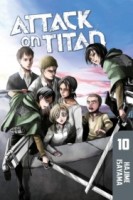
In the end, I was actually rather disappointed with Legend of the Sword Demon. I can’t really recommend the novel to anyone but those who are Blade of the Immortal completists (a group of people to which I admittedly belong). Ultimately, Legend of the Sword Demon is a very insubstantial work and somewhat shallow, lacking the depth present in the manga series. It feels as though the novel is nothing more than tie-in promotional material. Ohsako may be a devoted fan of Blade of the Immortal but Legend of the Sword Demon isn’t long enough nor complex enough to really establish itself as noteworthy. It’s fun in places, but Legend of the Sword Demon is largely forgettable. The real highlight of the volume is Samura’s cover art and the handful of full-page illustrations that he created specifically for the novel. Otherwise, Legend of the Sword Demon is something that most people probably won’t regret passing over.

Filed Under: REVIEWS Tagged With: Blade of the Immortal, Dark Horse, Hiroaki Samura, Junichi Ohsako, Light Novels, Novels

Inu x Boku SS, Vol. 1

November 13, 2013 by Sean Gaffney

By Cocoa Fujiwara. Released in Japan by Square Enix, serialization ongoing in the magazine Gangan Joker. Released in North America by Yen Press.

I hear there are spoilers for later volumes. Please don’t discuss them in comments.

A lot of times when there is a series that piles up a lot of cliches – be they plot, character, action sequences, or all three – you have to pick your tolerance level. I’m I’m going to be reading this, what’s the big draw that pulls me in and allows me to tolerate some otherwise generic stuff, even if it is well-written? In general, for me if a heroine is grumpy and sarcastic, I’m willing to forgive it a lot. And dropping such a heroine into a world of butler bodyguards is the basic premise of Inu x Boku SS, which also manages to be a yokai manga to boot.

inuboku

I have to say it – I kept thinking that the heroine was Rika from Higurashi. It doesn’t help that this began in Gangan Joker around the same time the final Higurashi arc was going. Rika was never quite as cutting and vicious as this, though. Ririchiyo simply can’t stop herself from saying what she thinks, and what she thinks is usually acidic and nasty. This has led her to have few friends. (Perhaps she should join a club… wait, wrong manga.) She moves to a high-rise complex, but finds that it comes with a loyal servant and bodyguard who will do anything for her. He’s nice and sweet to her, slowly coaxing her out of her shell of disinterest and loneliness, but he also has a dark secret which is hinted at towards the end of Volume 1.

See what I mean? The description of that bodyguard could fit any one of 2,000 shoujo manga. (This is shonen, but Square Enix has never quite been as caring about genre as the other companies, and I’d argue the pretty butler is as much a draw for female readers as Ririchiyo’s show of thigh is for the males.) We also get a goofy older brother guy, a perverse lesbian (well, faux-lesbian – because she’s perverse, nothing really ever happens. But one assumes…), and a quiet, shy girl. Also, one of the bodyguards is Walker from Durarara!! with bunny ears. (DRRR is also a Square Enix title… sometimes it’s really easy to notice the incestuous nature of the business as you read things.)
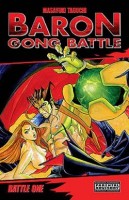
That said, this is quite competently drawn and written. You care about Ririchiyo, and want to both have her improve her social skills while not losing the biting retorts that make her interesting. The manga doesn’t take itself too seriously (at one point two of the male bodyguards flirt, and the yuri girl goes “eeew, disgusting”, a lovely hypocritical moment called out immediately), though there is also a hint that there is much darker stuff still to come. It’s just… there’s a lot of stuff here you’ve seen before in many other titles. If you enjoyed those types of works, Inu x Boku SS is definitely the manga for you. If not, I think it depends on how much you like Ririchiyo. I quite liked her, so will see what another volume brings.
Filed Under: REVIEWS

Josei from Vertical, Helter Skelter and Utsubora

November 12, 2013 by Anna N


Helter Skelter: Fashion Unfriendly by Kyoko Okazaki

It has been a very good year for fans of josei. Viz appears to be committed to disguising a few josei titles like Happy Marriage and Midnight Secretary as mature shoujo. I’m enjoying those very much, but I’m also very happy that Vertical is releasing josei as well, with the kind of more raw and uncompromising titles that you’d expect from them.

Helter Skelter: Fashion Unfriendly
is a slap in the face for fans of titles like Paradise Kiss or Walkin Butterfly. While neither of those titles presented a totally romantic view of the fashion industry, Helter Skelter’s story of a dysfunctional model is packed with both rage and almost unrelenting ugliness. Liiko is a supermodel at the top of her game due to massive plastic surgery. She’s incredibly self-obsessed and driven to achieve even more by her surrogate mother/manager. Liiko’s beauty and charisma serves as a snare that draws the people around her into her incredibly warped world, resulting in some incredibly warped plot twists that all make sense. Hada, Liiko’s young manager finds her own personality changing as she becomes more and more subservient to her mercurial boss.

Liiko’s surgeries are starting to break down, and there’s an unsettling theme of body horror that is prevalent throughout the title, as Liiko’s facade literally begins to crack, and she becomes more and more desperate to preserve her beauty. She’s a charismatic monster, but as the story progresses and her condition worsens it is almost possible for the reader to start viewing a broken down supermodel as the embodiment of raging id, albeit an id with a really good shoe collection. Okazaki’s art is deliberately rough and skewed, showing the fashion world as anything but glamorous. Liiko has a few panels of looking polished and perfect when she’s modeling, but mostly all the characters are portrayed in a sketchbook type style, with exaggerated features and the occasional rictus-like expression that serves to underscore just how false fashion industry concerns are.

Utsubora: The Story of a Novelist by Asumiko Nakamura

This manga is an interesting mix of genres. There are elements of noir, thriller, psychodrama, and a meditation on the meaning of identity in this story about a novelist who gets caught up in plagiarism and a young woman who turns herself into a character from one of his stories. The manga opens with the body of a young girl falling from the top of a building. Shun Mizorogi, a famous author who affects traditional Japanese clothing is called to the hospital to identify the body of the girl Aki. Sitting in the hallway of the hospital is a girl who is apparently Aki’s twin. Nakamura weaves together an intriguing mystery with Mizorogi and the supporting cast, which includes his painfully naive niece, the detectives investigating Aki’s death, and Tsuji the editor who is suspicious about Mizorogi’s sudden late in life outpouring of productivity. Mizorogi tries to unravel the mystery behind the sudden appearance of Sakura Miki, and all of the mysteries surrounding the death of Aki are about to converge in a very interesting way.

Nakamura’s style is both delicate and detailed, with some panels reminding me a little bit of art nouveau. This sophisticated illustration style makes the psychosexual developments in the book even more unsettling. Utsubora has some amazingly unsympathetic characters, but it reminded me very much of classic noir works where the dark side of human nature is fully explored.

Both Helter Skelter and Utsubora are omnibus editions, and as always the production from Vertical is a treat. Both manga have the type of memorable stories and characters that will linger in the minds of readers long after they’ve finished reading. For challenging josei manga with plenty of psychological twists, you can’t go wrong with picking up both of these titles.

Filed Under: REVIEWS Tagged With: helter skelter, Utsubora, vertical

Fairy Tail, Vol. 31

November 12, 2013 by Derek Bown Leave a Comment

fairytail31Fairy Tail, Vol. 31 | By Hiro Mashima | Kodansha Comics

After Lucy learns of her father’s fate, she and her friends return to Fairy Tail, where they discover that their seven year absence has put a significant gap between their powers and those of every other mage in the world. To make things worse, Fairy Tail is now the lowest ranking guild in the country. So they decide to enter a tournament to show off their stuff and rise back to the top. But they only have (insert time) to make up for seven years missed time.

Ever since the timeskip, I’ve been wondering why exactly Mashima felt the need to move his story seven years into the future. Fortunately this volume provides somewhat of an answer. What it allows Mashima to do is weaken his characters down from their excessively powerful levels and give them more of a challenge. I won’t say I like the development, but it does have a reason behind it beyond Mashima deciding to change things up on a whim.

This volume we’re introduced to two new Dragon Slayers, Sting and Rogue. For the most part they’re generic bad guys without being fully evil, but there’s something about their cats, Lecter and Froesch, that I just can’t stand. They just manage to have little to no character and yet the bits of character they do have is pure annoyance. And they haven’t even done much this volume!

Fairy Tail goes through phases, usually the beginning phase of an arc is pretty good and it’s not until later that the story starts to fall apart. So for what it’s worth, the story this volume is actually a lot of fun. ANd there are plenty of jokes that actually made me laugh, including a moment where Happy breaks the mood of a dramatic sequence in a way that actually works. It’s rare to see manga authors who know how to pull that kind of humor off so I have to give credit where it’s due.

Whatever you do, if you pick up this volume do not read it in a public place, because we not only get a beach scene, but a hot springs scene as well. If you don’t want people thinking you only read manga with lots of T&A then I recommend making this an “only in my room” reading.

While there are a couple concepts brought up that never see the light of day again I have to admit that I came away from this volume a lot more positive than I’ve been about past Fairy Tail volumes. For fans of the series this is definitely an enjoyable read, while new readers won’t find all that much besides a few jokes. If this was the first Fairy Tail volume you read and you laughed more than once, then I’d certainly recommend checking out earlier volumes.

Filed Under: FEATURES & REVIEWS, MANGA REVIEWS, REVIEWS Tagged With: Fairy Tail, manga

Weekly Shonen Jump Recap: November 4, 2013

November 12, 2013 by Derek Bown Leave a Comment

We’re finally caught up for the most part, minus this one which will be a little late. I apologize for the long wait on these reviews, but hope you were able to enjoy them as they came out. In the meanwhile, let’s talk manga!

One Piece Ch. 726
I’d feel a lot better about completely calling the identities of Ricky and the Toy Soldier if it weren’t completely obvious in hindsight. Perhaps a better twist might have been having their identities switched around. I suppose now the question is whether or not Oda is getting predictable and if that’s a bad thing. Personally I don’t mind it too much, it makes me feel clever when I call twists, just as long as Oda manages to get back into the swing of things and doesn’t make every twist feel like it was telegraphed several months in advance.

And yet, this chapter was great not only because the reveals were fun despite being easy to call, but because we’re slowly learning more about Dresrossa and how all the plot threads tie together. While we don’t know everything yet I can tell that the climax will certainly be satisfying.

One Piece

Toriko Ch. 256
I find it odd how suddenly Midora, the shadowy antagonist for most of the series, could possibly become a protagonist based on hints from this chapter. If this really does happen then I must say that is a pretty unique development. Antagonists becoming heroes isn’t all that unusual, but the big bad of the entire series, not just a single arc, becoming a hero is not very common at all.

What confuses me is whether this true enemy spoken about is supposed to be the new group, or if this is a fourth group. Either way, it looks like Shimabukuro is branching out in an attempt to find new story threads and so far it looks pretty promising.

Naruto Ch. 653
This chapter…was odd. On the one hand we’re resolving the big issue of Obito. On the other hand everything that was said has basically been said throughout the rest of this arc, we barely had any new information. In which case it might be a good idea not to reveal information needed during the climactic scene earlier in the series. And perhaps try to avoid finishing every single arc by having Naruto talk everyone down. It gets dull.

World Trigger Ch. 37
This series has definitely been growing on me more and more. The overall story for this chapter was good enough, but it’s all the character moments that really make this manga a little more worthwhile. Kitora is easily my favorite character in the entire series based on her personality ticks alone. I loved seeing her reaction to Osamu being praised or berated. And the scene with Chika was great with how it gave the director fellow more of a personality. Overall this series is turning into something that just might be worth your time, just be aware that the first thirty or so chapters is a bit of a slog.

World Trigger

Bleach Ch. 555
Why doesn’t this chapter look familiar? It’s almost as if we’ve seen this exact same thing more than once before in this series. We usually figure that the hero will arrive on time, but if you do it more than once then there is no tension whatsoever. And are we worried about someone dying before Ichigo can arrive? Not really, it’s not like anyone important has ever actually died in this series. If Kubo is taking that perception and turning it against us by actually having permanent deaths in this arc then I think this series just might end on a high note. As for this chapter it’s nothing new and my hopes aren’t high for the rest of the series.

Bleach

Nisekoi Ch. 97
Whatever is wrong with Marika we don’t know yet. Really getting tired of these false cliffhangers. A good chunk of this chapter was really funny, but there were plenty of moments that dragged towards the middle. I actually put the issue down halfway through this chapter just because the dramatic moment in the ferris wheel dragged too much for me. But, that happens at times with this series and I imagine we’ll get back to basics next week.

One-Punch Man bonus chapter
If you’re one of the people that thinks it’s not possible to write a good Superman story, then I challenge you to read this chapter of One Punch man and tell me if it’s impossible to write a great story based around an all powerful being.

The problem I find most of the time is that people don’t realize that there is more to writing than any kind of physical threat. If you think that problems need to be solved by punching and a story about someone that is the best at that then I’m afraid you don’t know how to actually write. For example, what about a story involving Superman trying to pay his rent now that journalism is in the decline. Sure it doesn’t use his powers, but it could make for a very satisfying story. Which is, after all, what this chapter is. The focus isn’t on the villain, the focus is on the tension between the superheroes and the cops, and the resolution of this tension is what makes the chapter so good. Saitama punching the monster is a tertiary concern and we don’t even get to see it. Because One knows that good stories don’t always end with a villain being punched. Sometimes the meat of the story lies outside the physical violence and can be found by sidelining the character that can punch very hard for a little bit.

And thus, Saitama has become one of my favorite heroes.

One-Punch Man

Blue Exorcist Xh. 51
Can we please agree that the scientist is unnecessarily creepy and never let him be drawn again? Please?

I enjoyed this chapter because it did a good job of setting a very unsettling tone throughout the entire story, while also keeping things ambiguous. Is Shima really a traitor? Probably, but there’s enough doubt there. Why is Kamiki acting like everything is her fault? What is really going on? I’m asking plenty of questions and I feel that’s crucial for a good story. So overall a well crafted chapter even if it has a character in it that should never have been designed. I mean really, could Kato try any harder to make this guy unlikable?

Blue Exorcist

Dragon Ball Z Ch. 38
I’m amazed at how fast this battle is moving. It really goes to show that the Dragon Ball manga really does move at a faster pace than the anime, because what we’ve done in a couple chapters took what feels like years worth of episodes in the anime. I’m definitely getting back into this series after approaching it with a “Been there, done that” attitude.


This week had some amazing chapters, and some mediocre chapters. But the amazing chapters really did stand out much more than the bad ones. Do you agree? Were they good or not?

If you want to hear more, check out the Manga^3 Podcast Archives.

Filed Under: FEATURES & REVIEWS, WSJA Recaps Tagged With: bleach, blue exorcist, Dragon Ball Z, Jako The Galactic Patrolman, naruto, nisekoi, One Piece, one punch man, toriko, world trigger

Bookshelf Briefs 11/11/13

November 11, 2013 by Sean Gaffney, Anna N and Michelle Smith Leave a Comment

This week, Sean, Anna, & Michelle look at recent releases from Viz Media and Vertical, Inc.


knights5Knights of Sidonia, Vol. 5 | By Tsutomu Nihei | Vertical, Inc. – There is quite a good space battle towards the end of this, but as usual I’m focused on other things. The reason that I keep coming back to Sidonia is the balance it maintains between different aspects. I will never get over how this is still a wacky harem manga, complete with Nagate being a clueless dope and Izana running off in best cliched “I hate you!” form. But I will also never get over the scene with Tahiro’s possession – and, I have to assume, death – which is some of the sickest body horror I’ve ever seen, and is done slowly and silently so that you revel in its horribleness. These are both in the same manga! And yes, there is also a great Star Wars-style battle with SPEED GAUNA and Nagate showing off his awesome skills as well. It’s become a must-read title. – Sean Gaffney

Knights of Sidonia, Vol. 5 | By Tsutomu Nihei | Vertical, Inc. – I honestly never thought I’d love a mecha-centric manga like I do Knights of Sidonia, but then again, this is not your average mecha manga. Humanity’s desperate fight for survival never lets up—which isn’t to say the series is devoid of light moments, only that they are few and far between—and just when it seems they’ve possibly got a leg up on the enemy, the enemy grows more clever while an unknown threat begins to grow within Sidonia itself. The characters have become even more endearing, too, especially Izana Shinatose, Tanikaze’s “middle-gendered friend,” and this is the kind of series where people can easily end up dead—dead en masse, in fact—so watching them fly into battle can be a somewhat stressful reading experience, but oh so addictive and rewarding. I’m counting the days until volume six! – Michelle Smith

oresama15Oresama Teacher, Vol. 15 | By Izumi Tsubaki | Viz Media – The class trip that I thought would take the entire volume only took half of it, but things are all the better for it. First, we get just enough time devoted to Mafuyu trying once again to hide her past, Yui realizing that his deep cover role is a lot deeper than I suspect he’s truly comfortable with, and Saeki once again being ridiculous. To my surprise, though, I also loved the second half. I didn’t think much of Shibuya when he was introduced, as he was putting up a very false front. Now, with everyone else off on the trip, we can delve closer into that, and see what happens when he runs up against someone he can’t read like a book. As for our latest mini-villain, Komari… well, she’s finding the exact same thing happening to her. Clearly these two are made for each other. Depth is always welcome in my favorite shoujo comedy. – Sean Gaffney

Oresama Teacher, Vol. 15 | By Izumi Tsubaki | Viz Media – I’m a bit in awe of the capacity of this series to seem absolutely silly and hilarious even as the cast grows and almost nothing happens in terms of forward-moving plot. The class trip is funny, and I especially enjoyed Saeki’s unholy obsession with ping pong. While sometimes the large cast gets a bit tricky to keep track of, the story shift in the latter half of the volume to Shibuya fending off Komari’s aggressive cuteness is both amusing and intriguing from a character development standpoint. It is always nice to have a manga to turn to that always makes me smile, and Oresama Teacher delivers every time. – Anna N

slamdunk31Slam Dunk, Vol 31 | By Takehiko Inoue | Viz Media – The final volume! It feels a bit like the end of an era. I didn’t think this basketball game could get any more intense, but the tension and strain were palpable as the underdog heroes of Shohoku High face the final minutes of their battle against Sannoh. There’s a bit of bittersweet resolution as Sakuragi and Rukawa acknowledge each other as teammates in the closing moments of the game. I feel like this series has just been a wonderful gift, seeing Inoue’s style and storytelling skills evolve and grow over the 31 volumes of this series serves as a master class in manga appreciation. I would happily have read 31 more volumes of this series, yet it is utterly appropriate that Sakuragi gets the last word, delivered with his characteristic confidence to conclude the volume. – Anna N

strobeedge7Strobe Edge, Vol. 7 | By Io Sakisaka | Viz Media – I would like to note that it is starting to beggar belief that every single ex of every single character is converging on the same school now. But, having gotten that out of the way, this was a solid volume of Strobe Edge. The focus on Sayuri was appreciated, and showed how experiences (and indeed lack of communication) from past relationships can affect future ones. I’d argue that even more than most shoujo manga, this series reads like a primer for first love, with the characters talking about their feelings out loud far more than we normally see. Sadly, Ninako and Ren are rather static right now, as they enjoy their close friendship and think “This is enough, right?” Well, no, it’s really not, and I think Ren is going to be the first to break. We shall see… – Sean Gaffney

vn17Vampire Knight, Vol. 17 | By Matsuri Hino | Viz Media – For the past several volumes of Vampire Knight, I’ve noted that I’ve enjoyed its mood and flavor, but really haven’t been able to follow the plot from one volume to the next. That’s getting worse and worse, and this volume can only coast on style for so long before I start to skim. We’re clearly in endgame, but most of what’s happening involves Kaname trying to kill Sara and Yuki trying to stop him, and everything else here is pretty much added window dressing to those two things. There’s some attempt at development for Ichijo, and some romantic sacrifice by Souen, but honestly it’s been 17 volumes, I should not still be turning to the back to remember who everyone is. Still, the art is gorgeous, and everyone suffers beautifully. It’s the manga equivalent of Rococo art. – Sean Gaffney

Filed Under: Bookshelf Briefs

My Week in Manga: November 4-November 10, 2013

November 11, 2013 by Ash Brown

My News and Reviews

Last week I announced the winner of the Sankarea manga giveaway. The post also includes a list of zombie manga that has been licensed in English, for those who might be interested. Considering the recent popularity of zombies, I was actually a little surprised to discover there weren’t more. I also posted two reviews last week. The first was for Makoto Kobayashi’s What’s Michael, Book Two, a fantastic cat manga sent to me by a Manga Bookshelf reader for review. My second review from last week was for Coffinman: The Journal of a Buddhist Mortician by Shinmon Aoki, which was the inspiration for Yōjirō Takita’s award-winning film Departures.

And now for a few things that I’ve come across online over the last couple of weeks. Crunchyroll Manga is now up and running. Deb Aoki wrote a good article about it for Publishers Weekly–Kodansha, Crunchyroll Talk Global ‘Simulpub’ Manga . At A Case Suitable for Treatment, Sean took a quick look at the manga series currently being offered through the platform–Kodansha and Crunchyroll Partnership: What Are We Getting?. Mostly unrelated, Kodansha posted on its Tumblr account a great summary of why some manga may never be licensed in North America, even if it’s really good. Rob Vollmar’s essay for World Literature Today “Dark Side of the Manga: Tezuka Osamu’s Dark Period” is actually from last year, but was recently brought to my attention again. And finally, the Comic Book Legal Defense Fund focused on Gene Luen Yang’s Boxers & Saints (which I think is one of the best comics to be released this year) as part of its Using Graphic Novels in Education column.

Quick Takes

Animal Land, Volume 5Animal Land, Volumes 5-8 by Makoto Raiku. It took a few volumes for Animal Land to really grow on me, but now that it has I find that I quite like the series. The occasional focus on scatological humor feels a bit out-of-place to me, though it seems to have become less common as the series progresses. The artwork in Animal Land is a little strange–a combination of realism and anthropomorphism–but generally engaging. The characters, particularly Taroza, are very likeable. I have enjoyed watching him grow up. A newborn at the beginning of the series, by the end of the eighth volume he has become a young man who has had to face the hard truths about his idealism. Taroza wants to put an end to the cycle of killing and eating, but to do so will require him to throw all of Animal Land into turmoil. He is not the only one who has an interest in shifting the power dynamics of the world–four other humans have made themselves known and have their own ideas about how things should be. I was a little surprised to see a bit of science fiction and time travel work its way into Animal Land, but I am very curious to see how things continue to develop.

Battle Vixens, Volume 1Battle Vixens, Volume 1 by Yuji Shiozaki. Supposedly, Battle Vixens (aka Ikki Tousen) is somehow based on, or at least inspired by the classic Chinese historical novel Romance of the Three Kingdoms. Had I not known this going into the series, I’m not sure I really would have picked it up from reading the first volume. As far as I can tell, the references are barely there. (Which reminds me, I really do need to get around to finishing Romance of the Three Kingdoms.) What is readily apparent from the first page of the manga is that the English title, Battle Vixens was aptly chosen. The series is all about the fights and the fan service. There might be some sort of plot, too, but after only one volume I am still incredibly confused as to what is actually supposed to be going on. Basically there’s this girl, Hakufu Sonsaku, with a sizable chest and the penchant for getting into brawls. Towards what end? I am unsure. She simply seems predisposed to violence and having her clothes ripped off of her in the process. For a series based on fights the action unfortunately tends to be somewhat difficult to follow, but some of the panels have great composition.

Watamote, Volume 1No Matter How I Look at It, It’s You Guys’ Fault I’m Not Popular!, Volume 1 by Nico Tanigawa. Okay, I’m just going to refer to this series by its Japanese abbreviation WataMote because I can never seem to remember the title in its entirety. (Plus, it’s really long.) WataMote is simultaneously one of the most funny and depressing manga that I’ve read recently. The story follows Tomoko Kuroki, an extraordinarily awkward and socially inept young woman who has just started high school. Most of her “life experience” has come from reading manga and playing video games, which may explain why she has difficulty interacting with her classmates. They mostly just ignore her or at least tolerate her existence. Occasionally she tries to be more than the weirdo in the corner, but it doesn’t often turn out well for her. I care about Tomoko and find her to be a sympathetic character which is why her trials and errors, though humorous, can also be a bit painful to watch. WataMote isn’t exactly mean-spirited, but it’s not particularly pleasant either. Her interactions with her younger brother are fantastically awkward (granted, all of Tomoko’s relationships are awkward), but there are some glimpses of familial love, too.

Flowers of EvilFlowers of Evil directed by Hiroshi Nagahama. Based on the manga series by Shuzo Oshimi, the Flowers of Evil anime series is a phenomenal adaptation. It’s one of the rare cases where I might actually prefer the anime over the original manga. That being said, the anime is definitely not a series that everyone will be able to enjoy. First of all, the pacing is excruciatingly slow. It worked for me and I think it creates marvelous tension, but someone who needs a bit more action and forward movement from their anime will be very frustrated. Not much actually happens from episode to episode; the focus is more on the inner turmoil and crises of the characters. The animation also relies heavily on rotoscoping techniques, resulting in a style that doesn’t personally bother me, but I know plenty of people who can’t stand it. I think it was suitable for Flowers of Evil, creating a slightly disconcerting and surreal mood that fits the unsettling atmosphere and darker nature of the series. The use of music and silence in the series is also quite remarkable. The twisted triangle of a relationship between Kasuga, Nakamura, and Saeki is intense. The Flowers of Evil anime captures it perfectly using art film-like sensibilities.

Filed Under: FEATURES, My Week in Manga Tagged With: animal land, anime, Battle Vixens, Flowers of Evil, Makoto Raiku, manga, Nico Tanigawa, Watamote, Yuji Shiozaki

K-On! High School

November 11, 2013 by Sean Gaffney

By Kakifly. Released in Japan by Houbunsha, serialized in the magazine Manga Time Kirara Carat. Released in North America by Yen Press.

And so at last we come to the end of the K-On! gravy train, with the sequel that never really made sense. With the college series, at least we had several things going for it: it had the original characters we’d loved from the start, we could see their continued development and growth as a band, and they could finally stop telling school jokes. Well, that last one didn’t really happen, but still. But with the High School volume, we have one remaining main character, whose best moments came when she was interacting with Yui, who’s gone. She’s put together with a few of the supporting cast and two new girls. It’s not really that much of a surprise to see this is the less compelling of the two stories.

konhs

That said, Kakifly is making an effort, and this isn’t a total slog. Probably the best joke in the entire book comes right at the start, with Azusa deciding to ditch the pigtails to give herself a more mature, sempai-esque image. This doesn’t last long at all. Then Ui, who we all recall is identical to Yui despite not being a twin, takes her hair down and starts to glomp Azusa. The gag is then carried further when Ui announces she’s really Yui, who snuck back to high school just to snuggle some more. As Azusa herself notes, this makes perfect sense because Yui only thinks with her senses. Of course, it is still Ui in the end, having mastered the art of taking a joke to its logical conclusion. (I could do without the dumb bust-size capper, though.)

We get two new characters added to the threesome (sorry, did I forget to mention Jun? It’s because she makes that little impression on me), one of whom is there to emphasize similarities and one of whom is there to be different. The moment Sumire appeared we were going to compare her to Mugi just based on appearance alone, so it was a good choice to actually make her be Mugi’s maidservant. They’re both sweet and mellow, but Sumire tends towards the shy end of the spectrum, whereas Mugi… tends more towards the yuri end. As for Okuda, the quiet stoic girl is a type we hadn’t yet seen in the series, and it’s amusing to see her total lack of ability at singling or playing instruments, as well as seeing how she brings something to the club anyway.

Of course, this title was always going to be short-lived by virtue of 3/5 of its cast already being third-years. Azusa and company do their one big concert, it goes pretty well… but that’s it, it’s time for them to graduate. I’d hoped we’d get a better sense of whether Azusa would try to continue a band with Ui and Jun or just join back up with Afterschool Tea Time, But there’s not even that much closer, the series just sort of stops. There’s nothing actively boring or bad about this, and it was reasonably fun to read. But you forget most of it 90 minutes later, and the problem is that of all the K-On books, this one was the least necessary.

Filed Under: REVIEWS

  • « Go to Previous Page
  • Page 1
  • Interim pages omitted …
  • Page 358
  • Page 359
  • Page 360
  • Page 361
  • Page 362
  • Interim pages omitted …
  • Page 538
  • Go to Next Page »
 | Log in
Copyright © 2010 Manga Bookshelf | Powered by WordPress & the Genesis Framework