• Skip to primary navigation
  • Skip to main content
  • Skip to primary sidebar
  • Home
  • About Us
    • Privacy Policy
    • Comment Policy
    • Disclosures & Disclaimers
  • Resources
    • Links, Essays & Articles
    • Fandomology!
    • CLAMP Directory
    • BlogRoll
  • Features & Columns
    • 3 Things Thursday
    • Adventures in the Key of Shoujo
    • Bit & Blips (game reviews)
    • BL BOOKRACK
    • Bookshelf Briefs
    • Bringing the Drama
    • Comic Conversion
    • Fanservice Friday
    • Going Digital
    • It Came From the Sinosphere
    • License This!
    • Magazine no Mori
    • My Week in Manga
    • OFF THE SHELF
    • Not By Manga Alone
    • PICK OF THE WEEK
    • Subtitles & Sensibility
    • Weekly Shonen Jump Recaps
  • Manga Moveable Feast
    • MMF Full Archive
    • Yun Kouga
    • CLAMP
    • Shojo Beat
    • Osamu Tezuka
    • Sailor Moon
    • Fruits Basket
    • Takehiko Inoue
    • Wild Adapter
    • One Piece
    • After School Nightmare
    • Karakuri Odette
    • Paradise Kiss
    • The Color Trilogy
    • To Terra…
    • Sexy Voice & Robo
  • Browse by Author
    • Sean Gaffney
    • Anna Neatrour
    • Michelle Smith
    • Katherine Dacey
    • MJ
    • Brigid Alverson
    • Travis Anderson
    • Phillip Anthony
    • Derek Bown
    • Jaci Dahlvang
    • Angela Eastman
    • Erica Friedman
    • Sara K.
    • Megan Purdy
    • Emily Snodgrass
    • Nancy Thistlethwaite
    • Eva Volin
    • David Welsh
  • MB Blogs
    • A Case Suitable For Treatment
    • Experiments in Manga
    • MangaBlog
    • The Manga Critic
    • Manga Report
    • Soliloquy in Blue
    • Manga Curmudgeon (archive)

Manga Bookshelf

Discussion, Resources, Roundtables, & Reviews

Katherine Dacey

Show Us Your Stuff: Bonjour, Gemini!

January 12, 2012 by Katherine Dacey 20 Comments

After a lengthy (and unintentional) hiatus, I’m pleased to report that Show Us Your Stuff is back with our first-ever international guest. Please help me welcome Gemini, who hails from the French city of Lyon. Though American readers may own many of the same manga as Gemini, they’ll also spot a few titles that have yet to be licensed for English-speaking audiences such as Ashita no Joe and Saint Young Men. His advice to frustrated otaku like me? Learn French! — Katherine Dacey

My name is Gemini, and I’m a French guy living in Lyon. When I was little, there was a lot of anime broadcast in France on a TV show named Le Club Dorothée; I think that the popularity of manga in my country is due to Dorothée, and I discovered manga thanks to that show. I read a lot of manga, but I’m also into French and American comic books, and I spend most of my remaining spare time watching movies. In fact, I couldn’t focus on only one of these activities; I need to read and to see different things.

How long have you been collecting manga? What was the first manga you bought?
I’ve read comic books since the age of 4. Only French ones at the beginning, but I started reading American ones when I was 10. Somebody offered me a manga in the nineties, but I can’t remember who or when exactly; I do remember that it was a volume of Dragon Ball, however. I really started collecting manga in 2001, when I bought my first volume of Saint Seiya, which was my favorite anime in Le Club Dorothée.

How big is your collection?
Today, I have 1,891 volumes of manga, including my art books. I buy only the series I like, and I always want to read my volumes again, so I rarely sell my manga. As a result, it’s very complicated to store all my books…

What is the rarest item in your collection?
Since I’ve been buying manga for a long time, I have a lot of volumes that are out-of-print. Some of them were second-hand when I bought them, so they were already a little bit rare. (I don’t buy used books if I can find the same ones new.)

The rarest items in my collection? I’d have to say Tsukasa Hojo‘s series, which are quite rare in France because they were published by different companies. Ten years ago, the rights to his manga were purchased by a new company. Though the company released such well-known series like Angel Heart and Cat’s Eye, they haven’t released shorter titles such as Rash!! or Komorebi no Moto de. Tsukasa Hojo has a lot of fans in France, so the few titles that were published are now very rare, and are quite expensive. But I managed to find them all, so I think that they’re the rarest manga I own. Editor’s note: Tsukasa Hojo is best known to English-speaking readers as the author of City Hunter, which was licensed by Gutsoon Entertainment but never completed.

What is the weirdest item in your collection?
I bought Tokyo Mew Mew a La Mode. I’m a boy, so that’s obviously weird!

How has your taste in manga evolved since you started your collection?
I don’t think that it’s evolved, it’s just that I know my own taste better every day. For example, I really like manga from the seventies or the eighties; that was just natural when I started reading manga, because they were readily available, but now they don’t sell well and become rarer and rarer. It wasn’t until I had difficulty finding older titles that I realized just how important they were to me.

Who are your favorite comic artists?
My favorite one is Osamu Tezuka. He was a true genius. But I have a lot of “favorite” artists: Leiji Matsumoto, Wataru Yoshizumi, Go Nagai, Riyoko Ikeda, and Tsukasa Hojo. As you can see, I’m really into “old” manga.

What series are you actively collecting right now?
You know, France is the country — just after Japan, of course — where manga sells the most. In 2011, 1,520 new volumes of manga were published. So there are a lot of series available, and I collect many of them, including Afterschool Charisma, Ame nochi Hare, Ashita no Joe, Bleach, Break Blade, Captain Tsubasa, Dr. Slump, Drifters, Highschool of the Dead, Hikari no Densetsu, Hokuto no Ken, Hunter x Hunter, K-On!, Ouran High School Host Club, Sabu to Ichi, Saint Seiya G, Saint Seiya The Lost Canvas, Saint Young Men, Shi Ki, The Legend of Kamui, Vinland Saga, and Yotsuba&!.

Do you have any tips for fellow collectors (e.g. how to organize a collection, where to find rare books, where to score the best deals on new manga)?
You should learn French, it’s easier than Japanese and we have a lot of different manga!

Show Us Your Stuff is a regular column in which readers share pictures of their manga collections and discuss their favorite series. If you’d like to see your manga library featured here, please send me an email.

Filed Under: Manga Critic Tagged With: Awesome Manga Collections, French manga, Saint Seiya, Tsukasa Hojo

Yakuza Moon: The True Story of a Gangster’s Daughter

January 11, 2012 by Katherine Dacey 6 Comments

In the popular imagination, the yakuza are modern-day samurai, observing a rigid code of honor, decorating their bodies with elaborate tattoos, and meting out swift punishments to anyone who encroaches on their territory. When women appear in yakuza stories, they are usually unwitting victims of clan warfare or temptresses whose sexual allure threatens the established order; they are seldom leaders or soldiers in their own right.

Small wonder, then, that Shoko Tendo’s Yakuza Moon: Memoirs of a Gangster’s Daughter (2007) caused a mild sensation in Japan when it was first published, as Tendo gave a voice to all the women who had been relegated to the margins of yakuza stories. In direct, unembellished prose, she described the devastating impact of her father’s criminal activities on his family. She cataloged her father’s drunken rages and dalliances with hostesses; recounted his subordinates’ unwanted sexual advances; and recalled the taunts and gossip that swirled around her family after her father’s incarceration.

Tendo turned an equally unsparing eye on herself, documenting her increasingly self-destructive behavior. At twelve, she joined a gang and skipped school; by her sixteenth birthday, she’d been arrested and imprisoned for fighting, and by her nineteenth birthday, she’d become addicted to speed and enmeshed in several violent relationships with married men. Only after a string of near-death experiences was Tendo able to break the cycle of abuse and addiction that had reduced her to a eighty-seven pound skeleton with scars and false teeth.

From this blunt, vivid narrative, Sean Michael Wilson and Michiru Morikawa have fashioned a curiously flat graphic memoir, Yakuza Moon: The True Story of a Gangster’s Daughter. Wilson, the script writer, hews closely to the structure of Tendo’s book, preserving the chapters and the major events of Tendo’s narrative. Yet for all his fidelity to the original, the results are uneven. Most of Tendo’s siblings and lovers, for example, are reduced from major characters to walk-on roles. To judge from Wilson and Morikawa’s adaptation, for example, Tendo’s older sister Maki was a casual acquaintance, yet in Tendo’s memoir, Maki occupied an important place in her sister’s life: first as an idol, someone Tendo emulated, then as a cautionary tale, someone Tendo feared becoming. Tendo’s other family members fare worse than Maki; readers could be excused for wondering how many siblings Tendo has, as her older brother and younger sister are mentioned only in passing late in the book, with little discussion of how their father’s lifestyle affected them.

Equally frustrating are the layouts: Yakuza Moon looks more like an illustrated novel than comics, with words carrying the burden of the storytelling and pictures playing an ancillary role. Only in Tendo’s sexual encounters does the artwork take a more prominent role; through nuanced facial expressions and body language, Morikawa speaks volumes about Tendo’s complicated relationships with men. We immediately sense which partners were bullies, and which were kind; which used physical intimidation to control Tendo, and which used emotional manipulation; and which she feared, and which she loved. There’s a frankness to these scenes that’s missing elsewhere in the book; Morikawa never shies away from depicting ugly or uncomfortable moments, but shows us what’s happening from Tendo’s point of view, rather than her partner’s.

And that, perhaps, is this graphic novel’s greatest strength: whatever compromises Wilson and Morikawa made in translating Tendo’s prose into images, the focus of the story remains squarely on Tendo. Yakuza activities — drug dealing, loansharking, beatings — take place off camera; we only see the terrible consequences, reminding us that no matter how elaborate the yakuza code of conduct may be, there’s no real honor among thieves.

YAKUZA MOON: THE TRUE STORY OF A GANGSTER’S DAUGHTER • BASED ON THE BOOK BY SHOKO TENDO, ADAPTED BY SEAN MICHAEL WILSON, ILLUSTRATED BY MICHIRO MORIKAWA • KODANSHA USA • 192 pp. • RATING: MATURE

Filed Under: Manga Critic Tagged With: kodansha, Shoko Tendo, Yakuza Moon

Yakuza Moon: The True Story of a Gangster’s Daughter

January 11, 2012 by Katherine Dacey

In the popular imagination, the yakuza are modern-day samurai, observing a rigid code of honor, decorating their bodies with elaborate tattoos, and meting out swift punishments to anyone who encroaches on their territory. When women appear in yakuza stories, they are usually unwitting victims of clan warfare or temptresses whose sexual allure threatens the established order; they are seldom leaders or soldiers in their own right.

Small wonder, then, that Shoko Tendo’s Yakuza Moon: Memoirs of a Gangster’s Daughter (2007) caused a mild sensation in Japan when it was first published, as Tendo gave a voice to all the women who had been relegated to the margins of yakuza stories. In direct, unembellished prose, she described the devastating impact of her father’s criminal activities on his family. She cataloged her father’s drunken rages and dalliances with hostesses; recounted his subordinates’ unwanted sexual advances; and recalled the taunts and gossip that swirled around her family after her father’s incarceration.

Tendo turned an equally unsparing eye on herself, documenting her increasingly self-destructive behavior. At twelve, she joined a gang and skipped school; by her sixteenth birthday, she’d been arrested and imprisoned for fighting, and by her nineteenth birthday, she’d become addicted to speed and enmeshed in several violent relationships with married men. Only after a string of near-death experiences was Tendo able to break the cycle of abuse and addiction that had reduced her to a eighty-seven pound skeleton with scars and false teeth.

From this blunt, vivid narrative, Sean Michael Wilson and Michiru Morikawa have fashioned a curiously flat graphic memoir, Yakuza Moon: The True Story of a Gangster’s Daughter. Wilson, the script writer, hews closely to the structure of Tendo’s book, preserving the chapters and the major events of Tendo’s narrative. Yet for all his fidelity to the original, the results are uneven. Most of Tendo’s siblings and lovers, for example, are reduced from major characters to walk-on roles. To judge from Wilson and Morikawa’s adaptation, for example, Tendo’s older sister Maki was a casual acquaintance, yet in Tendo’s memoir, Maki occupied an important place in her sister’s life: first as an idol, someone Tendo emulated, then as a cautionary tale, someone Tendo feared becoming. Tendo’s other family members fare worse than Maki; readers could be excused for wondering how many siblings Tendo has, as her older brother and younger sister are mentioned only in passing late in the book, with little discussion of how their father’s lifestyle affected them.

Equally frustrating are the layouts: Yakuza Moon looks more like an illustrated novel than comics, with words carrying the burden of the storytelling and pictures playing an ancillary role. Only in Tendo’s sexual encounters does the artwork take a more prominent role; through nuanced facial expressions and body language, Morikawa speaks volumes about Tendo’s complicated relationships with men. We immediately sense which partners were bullies, and which were kind; which used physical intimidation to control Tendo, and which used emotional manipulation; and which she feared, and which she loved. There’s a frankness to these scenes that’s missing elsewhere in the book; Morikawa never shies away from depicting ugly or uncomfortable moments, but shows us what’s happening from Tendo’s point of view, rather than her partner’s.

And that, perhaps, is this graphic novel’s greatest strength: whatever compromises Wilson and Morikawa made in translating Tendo’s prose into images, the focus of the story remains squarely on Tendo. Yakuza activities — drug dealing, loansharking, beatings — take place off camera; we only see the terrible consequences, reminding us that no matter how elaborate the yakuza code of conduct may be, there’s no real honor among thieves.

YAKUZA MOON: THE TRUE STORY OF A GANGSTER’S DAUGHTER • BASED ON THE BOOK BY SHOKO TENDO, ADAPTED BY SEAN MICHAEL WILSON, ILLUSTRATED BY MICHIRO MORIKAWA • KODANSHA USA • 192 pp. • RATING: MATURE

Filed Under: Manga, Manga Critic, REVIEWS Tagged With: Biography, Shoko Tendo, Yakuza, Yakuza Moon

Pick of the Week: Farewell, Bandai

January 9, 2012 by Sean Gaffney, Brigid Alverson, MJ, Katherine Dacey and Michelle Smith 1 Comment

The pickin’s are somewhat slim this week at Midtown Comics, but the Battle Robot is able to find a few comics worth buying.


SEAN: … I’ll be honest, nothing thrills me from this week’s manga list. Instead, my vote goes to Vol. 3 of IDW’s Best of Dan DeCarlo, another in their line of Archie Comics series devoted to classic authors. Admittedly, it would have been nice to see the fine folks at Archie show love to these artists while they were still alive, but we can’t have everything. The first collection of Dan’s work focused almost entirely on his Betty and Veronica classics, and that makes sense: Dan is most famous for the way he drew the female form, and those comics best show that off. Now that we’re three volumes in, I’m wondering if we’ll see some more variety. Plus this collection likely means even more scripts by Frank Doyle, who was simply the best writer Archie ever had in its classic years.

BRIGID: I probably wouldn’t do this if there were a stronger selection to choose from, but my pick is vol. 3 of Kannagi, both because it’s a nice series and as a tribute to the publisher, Bandai Entertainment, which is closing up shop next month. That means there will be no new volumes of Kannagi. That might be a good thing. The first volume was a pleasant surprise, the second volume a bit weaker. Still, I enjoy Eri Takenashi’s elegantly simple art, and Bandai did a nice job with production on these books. I’ll miss Kannagi.

MJ: I’m going to follow Brigid’s example here, and throw my vote to Kannagi. I enjoyed the series’ first volume quite a bit, and was disappointed by the second, but I’ve held out hope that the third might steer the story back to its original trajectory. I’m sorry to see Kannagi and Bandai go. Manga was never the compay’s focus, but they worked hard to do well by it and learned from their mistakes. It’s a shame this series won’t be completed in English.

KATE: My choice is the final volume of Hyde & Closer. At seven volumes, the series never overstays its welcome, offering readers an enjoyable mixture of comedy and horror, with a sprinkling of life lessons. The crisp, imaginative artwork is another plus; Haro Aso had a talent for transforming seemingly benign toys — a kokeshi doll, a teddy bear — into lethal weapons. (Do I really need to say more than “teddy bears with chainsaws” to sell you on the concept?) It’s a pity the series was saddled with an Older Teen rating, as it’s a perfect choice for younger teens who’ve outgrown material like BakeGyamon: Backwards Game but aren’t quite ready for the more mature shonen titles in VIZ, Yen Press, and Kodansha’s catalogs.

MICHELLE: Ordinarily, I’d cast my vote for volume five of Bokurano: Ours, but as I’ve done so at least once already, I’ll focus instead on volume 41 of Case Closed, which I talked about in a recent Off the Shelf column. I realize it’s unlikely that anyone new to a series would decide to start with volume 41, but Case Closed is the rare example of a manga where one could legitimately do this, not be lost, and enjoy it. All it takes is being in the mood for a mystery that features gadget-assisted sleuthing and convoluted murder puzzles. If this were seinen, no doubt the series would be more grim and realistic. Because it’s shounen, though, readers are in for uncomplicated fun.


Readers, what looks good to you this week?

Filed Under: PICK OF THE WEEK

Bookshelf Briefs 1/9/12

January 9, 2012 by MJ, Michelle Smith, Katherine Dacey and Sean Gaffney 1 Comment

This week, MJ, Michelle, Kate, & Sean take a look at new releases from Vertical Inc., Viz Media, Kodansha Comics, and Dark Horse.


Chi’s Sweet Home, Vol. 7 | By Konami Kanata | Vertical, Inc. – One might imagine that a manga series about the life of a cute cat would eventually become… boring. Fortunately, the appeal of Chi’s Sweet Home endures, adding to the internet’s growing body of evidence suggesting that the human fascination with feline behavior is essentially endless. In volume seven, Chi spends some time out of the house with stray cat Cocchi, who introduces her to the neighborhood’s best food sources, for better or worse. This series remains as fresh and charming as ever, and also stands as one of the few currently-running manga that can be successfully picked up at pretty much any point. This volume works as well as a stand-alone set of cute cat comics as it does as part of a heart-warming series, so there’s no excuse for passing on it, even if you’ve missed what’s come before. Still recommended. -MJ

Chi’s Sweet Home, Vol. 7 | By Konami Kanata | Vertical, Inc. – As a cat owner, I read Chi with a certain amount of sympathy for all parties concerned. This is especially true in this volume, wherein Chi eats something strange while exploring outside and ends up being whisked to the vet for treatment by her frantic owners. (Barf is such a ubiquitous part of cat ownership I’m actually pretty amazed that it took until chapter 127 for Kanata to get around to depicting it!) True, sometimes her owners still do very unwise things (like bring a new goldfish into their home), but Yohei continues to be adorable, as do Chi’s outdoor pals. I’m especially fond of Cocchi, a kitten without a home who plays gruff but secretly enjoys cuddling with Chi. His sad story—and Chi’s brush with danger—also serve to show that this series doesn’t need to rely on cuteness to affect its audience. Perennially recommended. – Michelle Smith

No Longer Human, Vol. 2 | Based on the novel by Osamu Dazai, Adapted by Usamaru Furuya | Vertical, Inc. – I’m of two minds about No Longer Human. On the one hand, Usamaru Furuya’s sense of pacing and narrative has never been stronger; working from Osamu Dazai’s text, Furuya has crafted a grim but compelling story about a young man’s fall from grace. On the other hand, Furuya’s interpretation of the lead character, Yozo, is less nuanced than Dazai’s; Yozo has been transformed a young man paralyzed by his own self awareness to a garden-variety narcissist who thinks only of himself. That small but important change gives the material a bitter aftertaste, making No Longer Human a difficult manga to read — not because bad things happen, but because the hero’s apathy makes him seem like more of a jerk than a wounded soul. An uneven but worthy introduction to Dazai’s work. -Katherine Dacey

Negima! Magister Negi Magi Omnibus, Vol. 3 | By Ken Akamatsu | Kodansha Comics. – This third omnibus, containing Vols. 7-9 of Negima, sees Akamatsu shuffle plot points into position, dot i’s and cross t’s, and generally prepare for the next big arc, the fighting tournament. Most of Vol. 7 is taken up with a fight between Negi and Asuna, who is at her most Naru-esque here, a trait she’ll lose as the series goes on. Vol. 8 reintroduces Kotaro, but on Negi’s side and becoming a much needed “male friend”. The translation by the Nibleys had less to alter here – Trish Ledoux was not as free as Peter David was – so it’s not as absolutely necessary a buy as 1 and 2 were. Still, those re-reading will enjoy the foreshadowing of things that happened years later Akamatsu throws in here, as well as casually dropping in his first big villain – one of Negi’s own students! There’s also less service here (though still quite a bit), leading me to think this is where Akamatsu gained control over Kodansha’s editors.-Sean Gaffney

Oh My Goddess, Vol. 40 | By Kosuke Fujishima | Dark Horse Comics. – If you skip to the Letters column of this very short volume, you’ll see Carl apologizing – it was only 112 pages in Japan as well, for unknown reasons. It’s supposed to be a one-time thing. Still, we do get some action in these 5 chapters, as Keiichi and the three goddesses begin their journey into Hell to battle Hild’s usurpers. Keiichi’s place in the group is brought up a few times, and we get a few good reasons why he’s there – he’s genuinely good at strategy and thinking on his feet, something we’ve seen before but tend to forget because it’s balanced with so much of him waffling and not shtupping Belldandy. Speaking of whom, Bell’s jealousy is really starting to get lampshaded in these chapters – Hild’s farewell kiss causes Bell to lose control of her powers, and when a demon threatens Keiichi, she’s quick to break in with a pointed threat. Those who have read the series all along will still enjoy this volume, small though it may be.-Sean Gaffney

Psyren, Vol. 2 | By Toshiaki Iwashiro | Viz Media – The second volume of Psyren is a minor improvement on the first, thanks in large part to the introduction of a second memorable female character, Matsuri Yagumo, a motorcycle-riding concert pianist who also wields a mean kitana. Though we’re treated to a few moments of Matsuri strutting her stuff, her primary role — in this volume, at least — is to explain the rules of Psyren to newcomers Ageha and Hiryu. Those exposition-dense passages dominate the volume, slowing the narrative to a crawl while Matsuri lectures the boys on how to use their psionic powers and what they can expect to see within the game. With the basic groundwork for the story laid, one can only hope that the talk-to-action ratio in volume three will cant more strongly towards the latter. -Katherine Dacey

Filed Under: Bookshelf Briefs

Fluffy, Fluffy Cinnamoroll, Vol. 1

January 6, 2012 by Katherine Dacey 1 Comment

Critic proof: that’s my two-word assessment of Fluffy, Fluffy Cinnamoroll, a new all-ages manga starring one of Sanrio’s lesser-known characters. The story is a mixture of sincere sentiment and calculated product placement that’s been carefully designed to appeal to the under-ten crowd; an adult can practically hear the cha-ching of the cash register every time a new character or magical object is introduced.

The Cinnamaroll of the title is described in the introduction as a “boy puppy” with a tail like a bun. Unhappy among his litter mates — all of whom are big, puffy clouds — he finds his calling at a terrestrial bakery that specializes in breakfast treats. There he befriends an assortment of other dogs: Mocha, a “stylish chatterbox” who accessorizes with ribbons and flowers; Cappuccino, an easygoing pup who likes to nap and eat; Chiffon, a high-energy dog with ears that faintly resemble a chiffon cake; Espresso, a talented know-it-all who boasts a “distinguished Mozart hairstyle”; and Milk, a baby whose entire vocabulary consists of the all-purpose word “baboo.”

Volume one features a dozen or so stories involving picnics, treasure maps, trips to the beach, and letters to Santa Claus. Though there’s a strong element of fantasy in the gang’s adventures, there’s an even stronger whiff of didacticism: in one chapter, for example, Cinnamoroll must set aside his fear of the dark to rescue his friends, who are being held captive in a haunted house, while in another, Cinnamoroll learns to embrace the fact he’s different from the other “cloud kids.” Every conflict is neatly resolved in a few pages, with Cinnamoroll learning an important lesson about friendship, loyalty, or selflessness; only Cavity, a dark cloud with a devil’s tail, seems impervious to the other characters’ warmth and energy.

As an adult reader, it’s impossible not to feel a little jaded reading Fluffy, Fluffy Cinnamoroll. The stories have predictable scripts that have been carefully designed to stimulate the reader’s awwwww reflex at regular intervals. The artwork, too, lacks personality; though no one would deny its fundamental cuteness, the art looks prefabricated, as if each character had been assembled from interchangeable parts from the Sanrio plant. More puzzling still is that none of the pups look particularly canine; the artist could easily have described all of them as long-eared rabbits without compromising the story.

Yet for all the cynicism a project like Fluffy, Fluffy Cinnamoroll might inspire, I also understand its appeal: it looks like someone took the contents of my childhood sticker album and turned it into a story featuring puppies, unicorns, sweets, and rainbows. The stories, like the character designs, have a definite child logic to them, as the plots touch on a variety of pre-teen fantasies: being rich and famous, eating a diet of sweets, spending all your time playing with friends (no one goes to school), and learning that yes, indeed, you were born into the wrong family. If those stories aren’t executed with the grace or imagination of the best kids’ comics, they’ll still please the under-ten crowd with their whimsical settings and earnest characters. Just don’t be surprised when they ask the inevitable question: where can I get a Cinnamoroll doll?

Review copy provided by VIZ Media, LLC.

FLUFFY, FLUFFY CINNAMOROLL, VOL. 1 • STORY AND ART BY YUMI TSUKIRINO, ORIGINAL CONCEPT BY CHISATO SEKI • VIZ MEDIA • 160 pp. • RATING: ALL AGES


Filed Under: Manga Critic Tagged With: All-Ages Manga, Cinnamoroll, Sanrio, VIZ, VIZ Kids

Fluffy, Fluffy Cinnamoroll, Vol. 1

January 6, 2012 by Katherine Dacey

Critic proof: that’s my two-word assessment of Fluffy, Fluffy Cinnamoroll, a new all-ages manga starring one of Sanrio’s lesser-known characters. The story is a mixture of sincere sentiment and calculated product placement that’s been carefully designed to appeal to the under-ten crowd; an adult can practically hear the cha-ching of the cash register every time a new character or magical object is introduced.

The Cinnamaroll of the title is described in the introduction as a “boy puppy” with a tail like a bun. Unhappy among his litter mates — all of whom are big, puffy clouds — he finds his calling at a terrestrial bakery that specializes in breakfast treats. There he befriends an assortment of other dogs: Mocha, a “stylish chatterbox” who accessorizes with ribbons and flowers; Cappuccino, an easygoing pup who likes to nap and eat; Chiffon, a high-energy dog with ears that faintly resemble a chiffon cake; Espresso, a talented know-it-all who boasts a “distinguished Mozart hairstyle”; and Milk, a baby whose entire vocabulary consists of the all-purpose word “baboo.”

Volume one features a dozen or so stories involving picnics, treasure maps, trips to the beach, and letters to Santa Claus. Though there’s a strong element of fantasy in the gang’s adventures, there’s an even stronger whiff of didacticism: in one chapter, for example, Cinnamoroll must set aside his fear of the dark to rescue his friends, who are being held captive in a haunted house, while in another, Cinnamoroll learns to embrace the fact he’s different from the other “cloud kids.” Every conflict is neatly resolved in a few pages, with Cinnamoroll learning an important lesson about friendship, loyalty, or selflessness; only Cavity, a dark cloud with a devil’s tail, seems impervious to the other characters’ warmth and energy.

As an adult reader, it’s impossible not to feel a little jaded reading Fluffy, Fluffy Cinnamoroll. The stories have predictable scripts that have been carefully designed to stimulate the reader’s awwwww reflex at regular intervals. The artwork, too, lacks personality; though no one would deny its fundamental cuteness, the art looks prefabricated, as if each character had been assembled from interchangeable parts from the Sanrio plant. More puzzling still is that none of the pups look particularly canine; the artist could easily have described all of them as long-eared rabbits without compromising the story.

Yet for all the cynicism a project like Fluffy, Fluffy Cinnamoroll might inspire, I also understand its appeal: it looks like someone took the contents of my childhood sticker album and turned it into a story featuring puppies, unicorns, sweets, and rainbows. The stories, like the character designs, have a definite child logic to them, as the plots touch on a variety of pre-teen fantasies: being rich and famous, eating a diet of sweets, spending all your time playing with friends (no one goes to school), and learning that yes, indeed, you were born into the wrong family. If those stories aren’t executed with the grace or imagination of the best kids’ comics, they’ll still please the under-ten crowd with their whimsical settings and earnest characters. Just don’t be surprised when they ask the inevitable question: where can I get a Cinnamoroll doll?

Review copy provided by VIZ Media, LLC.

FLUFFY, FLUFFY CINNAMOROLL, VOL. 1 • STORY AND ART BY YUMI TSUKIRINO, ORIGINAL CONCEPT BY CHISATO SEKI • VIZ MEDIA • 160 pp. • RATING: ALL AGES


Filed Under: Manga, Manga Critic, REVIEWS Tagged With: All-Ages Manga, Cinnamoroll, Sanrio, VIZ, VIZ Kids

Pick of the Week: Manga & More

January 2, 2012 by MJ, Katherine Dacey, Sean Gaffney and Michelle Smith 7 Comments

It’s a new year, and Midtown Comics gets things started with a hefty shipment of new manga. See what Michelle, Sean, Kate, and MJare looking forward to this week!


MICHELLE: It’s the first pick of the new year! There are actually several likely candidates on the list of manga due to arrive this week, including Kimi ni Todoke, One Piece, and Oresama Teacher. But I am going to have to award my pick to a shoujo manga that I continue to love even as it approaches its 30th volume: Skip Beat!. In practically any other series, the fact that the heroine, Kyoko, is still oblivious to the hero’s feelings for her would be series-droppingly annoying by this point, but somehow, Skip Beat! makes it work. It helps that Kyoko is spirited, determined, and focused on her career, and the funny moments (pretty much any time Kyoko wears a chicken costume) are also worth the price of admission.

KATE: I’m just getting up to speed with Skip Beat!, so my vote goes to Government Issue: Comics for the People, 1940s – 2000s. This anthology has actually been available for a couple of months, so it’s a little surprising to see it appear on the Midtown Comics list this week. But if you missed it when it was originally released in November, now’s your chance to see how the American government has harnessed the comics medium to educate its constituents about a range of topics, from nuclear war to AIDS. The book is divided into four sections: comics about the military; comics about employment and economics; comics about civil defense, safety, and health; and comics about landscapes and lifestyles. Though the contextual essays are a little too brief to be truly revelatory, the comics speak for themselves, offering readers a fascinating window into twentieth-century history.

SEAN: It’s getting so that every new volume of Oresama Teacher is making me even happier than the last. The author has a flair for writing very dumb characters in such a way that you not only like them but root for them, and yet at the same time your jaw drops every time they miss the blatantly obvious. It also manages to ride a very fine line, not quite being supportive of young teenagers being in gangs, but at the same time showing the deep bonds of friendship that exist within such structures. As for Mafuyu’s various relationships with the various males in the series, I can honestly say I have absolutely no idea who she’ll end up with, if anyone. Which is a rarity for most manga both shonen and shoujo, where the end pairing always seems set in stone from the very beginning. And she kicks everyone’s ass as well. Fantastic series.

MJ: Though this week is chock full of (mostly Viz) goodness, I find myself drifting to a book I picked up from last week’s list, volume two of Takako Shimura’s Wandering Son from Fantagraphics. I absolutely loved the first volume of this series, and I was thrilled to see this pop up a couple of weeks ahead of what I’d thought was its official release date. This is one of those highly-anticipated series that turned out to be even better than I expected, which is a pretty rare treat. Though its beautiful hardcover presentation puts it in a higher price bracket than most manga, it’s required reading as far as I’m concerned, deserving of a nice, long shelf life. Definitely worth saving up for.


Readers, what looks good to you this week?

Filed Under: PICK OF THE WEEK Tagged With: anthologies, oresama teacher, Skip Beat!, Wandering Son

The Best Manga of 2011: The Manga Critic’s Picks

December 31, 2011 by Katherine Dacey 27 Comments

The usual gambit for introducing a year-end list is to remark on the abundance of good titles, acknowledge the difficulty in choosing just ten (or five, or three), and comment on the overall state of the industry. And while I certainly debated what to include on my list, I’ll be honest: 2011 yielded fewer contenders for Best Manga than any other year I’ve covered. The dearth of new titles was attributable to publishers’ financial prudence; companies released fewer books, licensed fewer series, and focused on repackaging older content for budget-conscious consumers. And though I selfishly wish that more new material had been released this year, I think manga publishers have done an excellent job of responding to their biggest challenges: a sluggish economy, digital piracy, and Borders’ bankruptcy.

So what titles made my 2011 list? My top ten are below, along with my list of favorite continuing series, favorite finales, and favorite guilty pleasures.

10. BREATHE DEEPLY (Yamaaki Doton; One Peace Books)

Part sci-fi thriller, part coming-of-age story, this engrossing drama examines the relationship between two young men: Sei, who grew up in a world of privilege, and Oishi, a boy from the wrong side of the tracks. Both Sei and Oishi fall in love with Yuko, a sickly girl whose incurable illness inspires her suitors to become medical researchers. In less capable hands, Breathe Deeply might have been a mawkish paean to the purity of young love, but the husband-and-wife team of Yamaaki Doton have a keen ear for dialogue; the interactions between Yuko and her two suitors are tinged with an authentic mixture of adolescent anxiety, sexual longing, and braggadocio. Clean, expressive artwork and well-rounded characters help sell the story, especially in its final pages. One of 2011’s best surprises.

9. THE SECRET NOTES OF LADY KANOKO (Ririko Tsujita; Tokyopop)

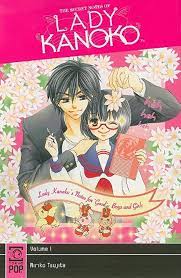
Kanoko, the sardonic heroine of The Secret Notes of Lady Kanoko, is a student of human behavior, gleefully filling her notebooks with detailed observations about her classmates. Though Kanoko would like nothing more than to remain on the sidelines, she frequently becomes embroiled in her peers’ problems; they value her independent perspective, as Kanoko isn’t the least bit interested in dating, running for student council, or currying favor with the alpha clique. Kanoko’s sharp tongue and cool demeanor might make her the mean-girl villain in another shojo manga, but Ririko Tsujita embraces her heroine’s prickly, opinionated nature and makes it fundamental to Kanoko’s appeal. It’s a pity TOKYOPOP didn’t survive long enough to finish this three-volume series, as it’s one of the best shojo titles in recent memory.

8. WANDERING SON (Takako Shimura; Fantagraphics)

In her thoughtful review of volume one, Michelle Smith praised Takako Shimura’s deft use of perspective: “The main thing I kept thinking about while reading Wandering Son… is how things that seem insignificant to one person can be secretly, intensely significant to someone else.” Shimura’s ability to dramatize each character’s unique point of view is one of the reasons Wandering Son never feels preachy, even though the topic suggests an Afterschool Special; we are always exquisitely aware of the subtle but important changes in the way each character views herself, as well as her fears and hopes.

7. PRINCESS KNIGHT (Osamu Tezuka; Vertical, Inc.)

What Osamu Tezuka’s New Treasure Island (1946) was to shonen, his Princess Knight (1953-56) was to shojo: both were long-form adventure stories with cinematic flair. Neither could be said to be the “first” shonen or shojo manga, but both had a profound influence on the artists who came of age in the 1940s and 1950s, offering a new storytelling model for them to emulate. Viewed through a contemporary lens, Princess Knight hasn’t aged quite as well as New Treasure Island, as it’s saddled with some woefully antiquated notions of gender. At the same time, however, it’s easy to see why this story appealed to several generations of Japanese girls: Sapphire gets to eat her cake and have it too, having swashbuckling adventures *and* winning the hand of Prince Charming. –Reviewed at Manga Bookshelf on 11/21/11 and The Manga Critic on 12/19/10

6. TANK TANKURO: GAJO SAKAMOTO, MANGA’S PRE-WAR MASTER, 1934-35 (Gajo Sakamoto; Press Pop)

Almost twenty years before Osamu Tezuka’s Astro Boy took flight in the pages of Shonen Kobunsha magazine, Gajo Sakamoto’s Tank Tankuro enchanted Japanese youngsters with his monster-fighting exploits and cool gadgets. Though the series’ propaganda intent is impossible for contemporary readers to ignore — Tank fights the Chinese, who are portrayed in less-than-flattering terms — Presspop’s new anthology demonstrates that Sakamoto’s artistry has aged more gracefully than his storylines. Sakamoto’s work is packaged in a handsome, hardcover edition that includes thoughtful extras: a contextual essay by translator Sunsuke Nakazawa, an interview with Sakamoto’s son, and an article by Sakamoto himself, discussing the character’s origin.

5. STARGAZING DOG (Takashi Murakami; NBM/Comics Lit)

Consider yourself warned: Stargazing Dog is a five-hanky affair. The two interconnecting vignettes that comprise this slim volume explore the bond between Happie, a shiba inu, and Daddy, his owner. When Daddy loses his job, his home, and his family, he and Happie hit the road in search of a new life. Though the outcome of Happie and Daddy’s journey is never in doubt — we learn their fate in the opening pages of the book — Murakami draws the reader into their story with an honest and unsparing look at the human-dog compact that may remind cinephiles of Vittorio de Sica’s Umberto D. —Reviewed at The Manga Critic on 12/23/11

4. ONWARDS TOWARD OUR NOBLE DEATHS (Shigeru Mizuki; Drawn & Quarterly)

In this blistering indictment of Japanese militarism, Shigeru Mizuki draws on his own experiences during World War II to tell the story of a platoon stationed in Papua New Guinea. The soldiers face a terrible choice: fight a hopeless battle, or face execution for treason. Like many war stories, Onwards Toward Our Noble Deaths documents the tremendous human sacrifice of modern armed conflict: gruesome injuries, senseless deaths, devastated landscapes. What lends Mizuki’s narrative its special potency is his depiction of the senior officers; their perverse dedication to their mission turns them into tyrants, more concerned with saving face than saving their own soldiers’ skins. Essential reading for anyone interested in World War II.

3. THE DROPS OF GOD (Tadashi Agi and Shu Okimoto; Vertical, Inc.)

As Oishinbo handily demonstrated, a skilled writer can fold a considerable amount of educational detail into a story without reducing it to a textbook. The Drops of God follows a similar template, imparting highly specialized information about wine with the same natural ease that Law & Order illustrates the inner workings of a crime investigation. At the same time, however, Drops is a delicious soap opera, filled with domineering fathers, mustache-twirling villains, evil beauties, eccentric oenophiles, and down-on-their-luck restauranteurs. Even if the reader isn’t the least bit interested in wine, he’ll find the drama as irresistible as an episode of Dynasty. –Reviewed at The Manga Critic on 12/16/11

2. A ZOO IN WINTER (Jiro Taniguchi; Fanfare/Ponent Mon)

Drawing on his own experiences, Jiro Taniguchi spins an engaging tale about a young man who abandons a promising career in textile design for the opportunity to become a manga artist. Though the basic plot invites comparison with Bakuman, Taniguchi does more than just document important milestones in Hamaguchi’s career: he shows us how Hamaguchi’s emotional maturation informs every aspect of his artistry — something that’s missing from many other portrait-of-an-artist-as-a-young-man sagas, which place much greater emphasis on the pleasure of professional recognition than on the satisfaction of mastering one’s craft. Lovely, moody artwork and an appealing cast of supporting characters complete this very satisfying package.  —Reviewed at The Manga Critic on 5/28/11

1. A BRIDE’S STORY (Kaoru Mori; Yen Press)

A Bride’s Story, which takes place on the banks of the Caspian Sea, explores the relationship between Amir Halgal, a nineteen-year-old nomad, and Karluk Eihon, the eldest son of sheep herders. Though their marriage is one of political expedience, Amir is determined to be a good wife, doing her utmost to learn her new family’s customs, befriend the members of their extended clan, and earn her new husband’s respect. Kaoru Mori is as interested in observing Amir’s everyday life as she is in documenting the growing conflict between the Halgal and Eihon clans, yet A Bride’s Story is never dull, thanks to Mori’s smart, engaging dialogue; as she demonstrated in Emma and Shirley, Mori can make even the simplest moments revealing, whether her characters are preparing a manor house for the master’s return or skinning a freshly killed deer. By allowing her story to unfold in such a naturalistic fashion, A Bride’s Story manages to be both intimate and expansive, offering readers a window into life along the Silk Road. –Reviewed at The Manga Critic on 5/24/11

HONORABLE MENTIONS

As in previous years, I had difficulty limiting myself to just ten titles, so I compiled a list of manga that didn’t quite make my best-of list, but were thoroughly enjoyable:

  • OTHER AWESOME DEBUTS: The Book of Human Insects (Vertical, Inc.), Tesoro (VIZ)
  • BEST CONTINUING SERIES: 20th Century Boys (VIZ), Bunny Drop (Yen Press), Chi’s Sweet Home (Vertical, Inc.), Cross Game (VIZ), Ooku: The Inner Chambers (VIZ), Twin Spica (Vertical, Inc.)
  • BEST NEW GUILTY PLEASURE: Blue Exorcist (VIZ), Oresama Teacher (VIZ)
  • BEST REPRINT EDITION: Magic Knight Rayearth (Dark Horse), Pretty Guardian Sailor Moon (Kodansha Comics)
  • BEST MANGA I THOUGHT I’D HATE: Cage of Eden (Kodansha Comics)
  • BEST FINALE: Black Jack, Vol. 17 (Vertical, Inc.)

So now I turn the floor over to you, readers: what were your favorite new manga of 2011?

Filed Under: Manga Critic Tagged With: Drawn & Quarterly, Fanfare/Ponent Mon, fantagraphics, Gajo Sakamoto, Jiro Taniguchi, Kaoru Mori, NBM/Comics Lit, One Peace Books, Osamu Tezuka, PressPop, Shigeru, Tokyopop, vertical, yen press

The Best Manga of 2011: The Manga Critic’s Picks

December 31, 2011 by Katherine Dacey

The usual gambit for introducing a year-end list is to remark on the abundance of good titles, acknowledge the difficulty in choosing just ten (or five, or three), and comment on the overall state of the industry. And while I certainly debated what to include on my list, I’ll be honest: 2011 yielded fewer contenders for Best Manga than any other year I’ve covered. The dearth of new titles was attributable to publishers’ financial prudence; companies released fewer books, licensed fewer series, and focused on repackaging older content for budget-conscious consumers. And though I selfishly wish that more new material had been released this year, I think manga publishers have done an excellent job of responding to their biggest challenges: a sluggish economy, digital piracy, and Borders’ bankruptcy.

So what titles made my 2011 list? My top ten are below, along with my list of favorite continuing series, favorite finales, and favorite guilty pleasures.

10. Breathe Deeply
By Yamaaki Doton • One Peace Books
Part sci-fi thriller, part coming-of-age story, this engrossing drama examines the relationship between two young men: Sei, who grew up in a world of privilege, and Oishi, a boy from the wrong side of the tracks. Both Sei and Oishi fall in love with Yuko, a sickly girl whose incurable illness inspires her suitors to become medical researchers. In less capable hands, Breathe Deeply might have been a mawkish paean to the purity of young love, but the husband-and-wife team of Yamaaki Doton have a keen ear for dialogue; the interactions between Yuko and her two suitors are tinged with an authentic mixture of adolescent anxiety, sexual longing, and braggadocio. Clean, expressive artwork and well-rounded characters help sell the story, especially in its final pages. One of 2011’s best surprises.

9. The Secret Notes of Lady Kanako
By Ririko Tsujita • Tokyopop
Kanoko, the sardonic heroine of The Secret Notes of Lady Kanoko, is a student of human behavior, gleefully filling her notebooks with detailed observations about her classmates. Though Kanoko would like nothing more than to remain on the sidelines, she frequently becomes embroiled in her peers’ problems; they value her independent perspective, as Kanoko isn’t the least bit interested in dating, running for student council, or currying favor with the alpha clique. Kanoko’s sharp tongue and cool demeanor might make her the mean-girl villain in another shojo manga, but Ririko Tsujita embraces her heroine’s prickly, opinionated nature and makes it fundamental to Kanoko’s appeal. It’s a pity TOKYOPOP didn’t survive long enough to finish this three-volume series, as it’s one of the best shojo titles in recent memory.

8. Wandering Son
By Takako Shimura • Fantagraphics
In her thoughtful review of volume one, Michelle Smith praised Takako Shimura’s deft use of perspective: “The main thing I kept thinking about while reading Wandering Son… is how things that seem insignificant to one person can be secretly, intensely significant to someone else.” Shimura’s ability to dramatize each character’s unique point of view is one of the reasons Wandering Son never feels preachy, even though the topic suggests an Afterschool Special; we are always exquisitely aware of the subtle but important changes in the way each character views herself, as well as her fears and hopes.

7. Princess Knight
By Osamu Tezuka • Vertical, Inc.
What Osamu Tezuka’s New Treasure Island (1946) was to shonen, his Princess Knight (1953-56) was to shojo: both were long-form adventure stories with cinematic flair. Neither could be said to be the “first” shonen or shojo manga, but both had a profound influence on the artists who came of age in the 1940s and 1950s, offering a new storytelling model for them to emulate. Viewed through a contemporary lens, Princess Knight hasn’t aged quite as well as New Treasure Island, as it’s saddled with some woefully antiquated notions of gender. At the same time, however, it’s easy to see why this story appealed to several generations of Japanese girls: Sapphire gets to eat her cake and have it too, having swashbuckling adventures *and* winning the hand of Prince Charming. —Reviewed at Manga Bookshelf on 11/21/11 and The Manga Critic on 12/19/10

6. Tank Tankuro: Gajo Sakamoto, Manga’s Pre-War Master, 1934-35
By Gajo Sakamoto • Press Pop
Almost twenty years before Osamu Tezuka’s Astro Boy took flight in the pages of Shonen Kobunsha magazine, Gajo Sakamoto’s Tank Tankuro enchanted Japanese youngsters with his monster-fighting exploits and cool gadgets. Though the series’ propaganda intent is impossible for contemporary readers to ignore — Tank fights the Chinese, who are portrayed in less-than-flattering terms — Presspop’s new anthology demonstrates that Sakamoto’s artistry has aged more gracefully than his storylines. Sakamoto’s work is packaged in a handsome, hardcover edition that includes thoughtful extras: a contextual essay by translator Sunsuke Nakazawa, an interview with Sakamoto’s son, and an article by Sakamoto himself, discussing the character’s origin.

5. Stargazing Dog
By Takashi Murakami • NBM/Comics Lit
Consider yourself warned: Stargazing Dog is a five-hanky affair. The two interconnecting vignettes that comprise this slim volume explore the bond between Happie, a shiba inu, and Daddy, his owner. When Daddy loses his job, his home, and his family, he and Happie hit the road in search of a new life. Though the outcome of Happie and Daddy’s journey is never in doubt — we learn their fate in the opening pages of the book — Murakami draws the reader into their story with an honest and unsparing look at the human-dog compact that may remind cinephiles of Vittorio de Sica’s Umberto D. —Reviewed at The Manga Critic on 12/23/11

4. Onwards Towards Our Noble Deaths
By Shigeru Mizuki • Drawn & Quarterly
In this blistering indictment of Japanese militarism, Shigeru Mizuki draws on his own experiences during World War II to tell the story of a platoon stationed in Papua New Guinea. The soldiers face a terrible choice: fight a hopeless battle, or face execution for treason. Like many war stories, Onwards Toward Our Noble Deaths documents the tremendous human sacrifice of modern armed conflict: gruesome injuries, senseless deaths, devastated landscapes. What lends Mizuki’s narrative its special potency is his depiction of the senior officers; their perverse dedication to their mission turns them into tyrants, more concerned with saving face than saving their own soldiers’ skins. Essential reading for anyone interested in World War II.

3. The Drops of God
By Tadashi Agi and Shu Okimoto • Vertical, Inc
As Oishinbo handily demonstrated, a skilled writer can fold a considerable amount of educational detail into a story without reducing it to a textbook. The Drops of God follows a similar template, imparting highly specialized information about wine with the same natural ease that Law & Order illustrates the inner workings of a crime investigation. At the same time, however, Drops is a delicious soap opera, filled with domineering fathers, mustache-twirling villains, evil beauties, eccentric oenophiles, and down-on-their-luck restauranteurs. Even if the reader isn’t the least bit interested in wine, he’ll find the drama as irresistible as an episode of Dynasty. —Reviewed at The Manga Critic on 12/16/11

2. A Zoo in Winter
By Jiro Taniguchi • Fanfare/Ponent Mon
Drawing on his own experiences, Jiro Taniguchi spins an engaging tale about a young man who abandons a promising career in textile design for the opportunity to become a manga artist. Though the basic plot invites comparison with Bakuman, Taniguchi does more than just document important milestones in Hamaguchi’s career: he shows us how Hamaguchi’s emotional maturation informs every aspect of his artistry — something that’s missing from many other portrait-of-an-artist-as-a-young-man sagas, which place much greater emphasis on the pleasure of professional recognition than on the satisfaction of mastering one’s craft. Lovely, moody artwork and an appealing cast of supporting characters complete this very satisfying package.  —Reviewed at The Manga Critic on 5/28/11

1. A Bride’s Story
By Kaoru Mori • Yen Press
A Bride’s Story, which takes place on the banks of the Caspian Sea, explores the relationship between Amir Halgal, a nineteen-year-old nomad, and Karluk Eihon, the eldest son of sheep herders. Though their marriage is one of political expedience, Amir is determined to be a good wife, doing her utmost to learn her new family’s customs, befriend the members of their extended clan, and earn her new husband’s respect. Kaoru Mori is as interested in observing Amir’s everyday life as she is in documenting the growing conflict between the Halgal and Eihon clans, yet A Bride’s Story is never dull, thanks to Mori’s smart, engaging dialogue; as she demonstrated in Emma and Shirley, Mori can make even the simplest moments revealing, whether her characters are preparing a manor house for the master’s return or skinning a freshly killed deer. By allowing her story to unfold in such a naturalistic fashion, A Bride’s Story manages to be both intimate and expansive, offering readers a window into life along the Silk Road. —Reviewed at The Manga Critic on 5/24/11

HONORABLE MENTIONS
As in previous years, I had difficulty limiting myself to just ten titles, so I compiled a list of manga that didn’t quite make my best-of list, but were thoroughly enjoyable:

  • Other Awesome Debuts: The Book of Human Insects (Vertical, Inc.), Tesoro (VIZ)
  • Best Continuing Series: 20th Century Boys (VIZ), Bunny Drop (Yen Press), Chi’s Sweet Home (Vertical, Inc.), Cross Game (VIZ), Ooku: The Inner Chambers (VIZ), Twin Spica (Vertical, Inc.)
  • Best New Guilty Pleasure: Blue Exorcist (VIZ), Oresama Teacher (VIZ)
  • Best Reprint Edition: Magic Knight Rayearth (Dark Horse), Pretty Guardian Sailor Moon (Kodansha Comics)
  • Best Manga I Thought I’d Hate: Cage of Eden (Kodansha Comics)
  • Best Finale: Black Jack, Vol. 17 (Vertical, Inc.)

So now I turn the floor over to you, readers: what were your favorite new manga of 2011?

Filed Under: Manga Critic, Recommended Reading Tagged With: Drawn & Quarterly, Fanfare/Ponent Mon, fantagraphics, Gajo Sakamoto, Jiro Taniguchi, Kaoru Mori, NBM/Comics Lit, One Peace Books, Osamu Tezuka, PressPop, Tokyopop, Vertical Comics, yen press

The 2011 Manga Hall of Shame Inductees

December 28, 2011 by Katherine Dacey 52 Comments

With TOKYOPOP’s untimely demise this year, critics lost one of their most reliable sources of shame-worthy manga. Though I won’t miss reading J-Pop Idol, Dragon Sister, Innocent W, or Zone-00 — to name just a few of the D-list titles that TOKYOPOP foisted on fans — I will miss reviewing them, as they helped me develop my voice as a critic, challenging me to expand my litany of complaints beyond “boring,” “cliche,” and “awful.” Few of the titles on this year’s Hall of Shame list inspired the same level of creative vitriol that TOKYOPOP’s worst titles did, but they do share one important trait with Qwaser of Stigmata: no one will confuse them with such recent gems as A Bride’s Story, Stargazing Dog, or A Zoo in Winter.

So without further ado, I present the 2011 Manga Hall of Shame Inductees:

5. AMNESIA LABYRINTH (Seven Seas)

For a manga that features incest, murder, and at least one character with a split personality, Amnesia Labyrinth is shockingly dull. That dullness can be attributed to two things: the source material and the hero. As writer Nagaru Tanigawa explains in the afterword to volume one, Amnesia Labyrinth was “based on a story that, while it didn’t have enough to become a full-fledged novel, had been kicking around in my head for years” — in short, a half-baked idea. Worse still, Souji, the lead character, is so passive it’s hard to believe that he’s an athletic superstar, academic genius, and a lady killer; if anything, he seems more like a collection of cool traits than an actual person. Teenage boys may find Souji an appealing surrogate, but older readers will find the series’ main draw — the mystery — too underdeveloped to be interesting, and the characterizations too thin to inspire identification with any of the cast members. –Reviewed at The Manga Critic on 2/8/11

4. HIGH SCHOOL OF THE DEAD (Yen Press)

This slick, violent zombie story plays like a poor man’s Dawn of the Dead, substituting sadism and sex for the social commentary of George Romero’s classic horror flick. Popular as it may be, a quick scan of volume one reveals myriad issues, from poorly staged fight scenes to tin-eared dialogue. The biggest problem with Highschool of the Dead, however, is the endless parade of panty shots and costume failures. The Satos work fanservice into as many scenes as possible, taking full advantage of every stairwell, fight, fall, and female death to expose cleavage — and poorly drawn cleavage, at that. (Hint to aspiring manga artists: large breasts do not resemble grossly distended lemons.) And when the scariest thing about a zombie story is the way the female characters’ bosoms are drawn, it’s safe to say that the creators ought to spend a little more time watching 28 Days or I Am Legend, and a little less time watching Naughty Naked Co-Eds. –Reviewed at The Manga Critic on 12/27/10

3. GANDHI: A MANGA BIOGRAPHY (Penguin Books)

This slim volume reduces Gandhi’s life to a string of four-page vignettes that do little to reveal who he was or what he believed; important episodes in every stage of his career are drained of historical nuance, preventing the reader from fully appreciating the complexity of the political situations in South Africa or India. Adding insult to injury is the script: the dialogue abounds in awkward sentences, anachronistic sentiments, and cringe-worthy typos that consistently undercut the story’s serious message. (Makes you wonder: did anyone at Penguin Books actually proofread Gandhi?) More disappointing still is the artwork: it’s plain and lifeless, relying too heavily on computer shortcuts and pre-fab backgrounds to create a genuine sense of place or time. My suggestion: skip the manga and rent Richard Attenborough’s 1982 movie of the same name. –Reviewed at The Manga Critic on 10/6/11

2. THE BEAUTIFUL SKIES OF HOUOU HIGH (DMP)

In this unfunny comedy about sexual orientation, a gay teen’s mother enrolls her daughter in an all-boys’ boarding school — mom’s idea of a “cure” for lesbianism. A more skillful storyteller might use the set-up to critique homophobia, or the idea that homosexuality is a lifestyle choice, but Arata Aki takes the easy road, using Kei’s dilemma as a pretext for wacky hijinks. Though the theme of gender exploration is extended to include male cast members — several boys in Kei’s dorm exhibit stereotypically feminine behavior and interests — Aki doesn’t do anything particularly interesting with these supporting characters; their antics provide comic relief, not commentary on the fluidity of gender norms. Lame gags and confusing subplots remind the reader at every turn that Houou High isn’t concerned with real human sexuality, but in wringing cheap laughs out of a gay character’s humiliation. In a word: yuck. –Reviewed at The Manga Critic on 2/28/11

1. TENJO TENGE (VIZ)

Flipping through the first volume of VIZ’s “Full Contact” edition, it’s easy to see why DC Comics censored the original English print run of Tenjo Tenge. The story abounds in the kind of gratuitous nudity and sexual encounters that make an unadulterated version a tough sell at big chain stores like Wal-Mart and Barnes & Noble. DC Comics’ solution was an inelegant one: they re-wrote the script, drew bras and panties on naked girls, and cut some of the most offensive passages. As an advocate of free speech, I can’t condone the bowdlerization of any text, especially in the interest of a more commercially viable age-rating , but as a woman, it’s hard to celebrate the restoration of a graphic rape scene or images of naked girls throwing themselves at the heroes, especially when the plot is violent and silly. –Reviewed at The Manga Critic on 6/3/11

*  *  *  *  *

So now I turn the floor over to you, readers: what titles made your Worst of 2011 list?

A tip for first-time visitors: you might want to read my Comment Policy before busting out words like “feminazi” in defense of a favorite title. Your comment is much less likely to be deleted if you’re friendly, funny, and logical, as those qualities facilitate dialogue.

Filed Under: Manga Critic Tagged With: Bad Manga

The 2011 Manga Hall of Shame Inductees

December 28, 2011 by Katherine Dacey

With TOKYOPOP’s untimely demise this year, critics lost one of their most reliable sources of shame-worthy manga. Though I won’t miss reading J-Pop Idol, Dragon Sister, Innocent W, or Zone-00 — to name just a few of the D-list titles that TOKYOPOP foisted on fans — I will miss reviewing them, as they helped me develop my voice as a critic, challenging me to expand my litany of complaints beyond “boring,” “cliche,” and “awful.” Few of the titles on this year’s Hall of Shame list inspired the same level of creative vitriol that TOKYOPOP’s worst titles did, but they do share one important trait with Qwaser of Stigmata: no one will confuse them with such recent gems as A Bride’s Story, Stargazing Dog, or A Zoo in Winter.

So without further ado, I present the 2011 Manga Hall of Shame Inductees:

5. Amnesia Labyrinth
Written by Nagaru Tanigawa • Art by Natsumi Kohane • Seven Seas

For a manga that features incest, murder, and at least one character with a split personality, Amnesia Labyrinth is shockingly dull. That dullness can be attributed to two things: the source material and the hero. As writer Nagaru Tanigawa explains in the afterword to volume one, Amnesia Labyrinth was “based on a story that, while it didn’t have enough to become a full-fledged novel, had been kicking around in my head for years” — in short, a half-baked idea. Worse still, Souji, the lead character, is so passive it’s hard to believe that he’s an athletic superstar, academic genius, and a lady killer; if anything, he seems more like a collection of cool traits than an actual person. Teenage boys may find Souji an appealing surrogate, but older readers will find the series’ main draw — the mystery — too underdeveloped to be interesting, and the characterizations too thin to inspire identification with any of the cast members. —Reviewed at The Manga Critic on 2/8/11

4. High School of the Dead
By Daisuke Sato and Shouji Sato • Yen Press
This slick, violent zombie story plays like a poor man’s Dawn of the Dead, substituting sadism and sex for the social commentary of George Romero’s classic horror flick. Popular as it may be, a quick scan of volume one reveals myriad issues, from poorly staged fight scenes to tin-eared dialogue. The biggest problem with Highschool of the Dead, however, is the endless parade of panty shots and costume failures. The Satos work fanservice into as many scenes as possible, taking full advantage of every stairwell, fight, fall, and female death to expose cleavage — and poorly drawn cleavage, at that. (Hint to aspiring manga artists: large breasts do not resemble grossly distended lemons.) And when the scariest thing about a zombie story is the way the female characters’ bosoms are drawn, it’s safe to say that the creators ought to spend a little more time watching 28 Days or I Am Legend, and a little less time watching Naughty Naked Co-Eds. —Reviewed at The Manga Critic on 12/27/10

3. Gandhi: A Manga Biography
By Kazuki Ebine • Penguin Books
This slim volume reduces Gandhi’s life to a string of four-page vignettes that do little to reveal who he was or what he believed; important episodes in every stage of his career are drained of historical nuance, preventing the reader from fully appreciating the complexity of the political situations in South Africa or India. Adding insult to injury is the script: the dialogue abounds in awkward sentences, anachronistic sentiments, and cringe-worthy typos that consistently undercut the story’s serious message. (Makes you wonder: did anyone at Penguin Books actually proofread Gandhi?) More disappointing still is the artwork: it’s plain and lifeless, relying too heavily on computer shortcuts and pre-fab backgrounds to create a genuine sense of place or time. My suggestion: skip the manga and rent Richard Attenborough’s 1982 movie of the same name. —Reviewed at The Manga Critic on 10/6/11

2. The Beautiful Skies of Houhou High
By Arata Aki • DMP
In this unfunny comedy about sexual orientation, a gay teen’s mother enrolls her daughter in an all-boys’ boarding school — mom’s idea of a “cure” for lesbianism. A more skillful storyteller might use the set-up to critique homophobia, or the idea that homosexuality is a lifestyle choice, but Arata Aki takes the easy road, using Kei’s dilemma as a pretext for wacky hijinks. Though the theme of gender exploration is extended to include male cast members — several boys in Kei’s dorm exhibit stereotypically feminine behavior and interests — Aki doesn’t do anything particularly interesting with these supporting characters; their antics provide comic relief, not commentary on the fluidity of gender norms. Lame gags and confusing subplots remind the reader at every turn that Houou High isn’t concerned with real human sexuality, but in wringing cheap laughs out of a gay character’s humiliation. In a word: yuck. —Reviewed at The Manga Critic on 2/28/11

1. Tenjo Tenge
By Oh!Great • VIZ Media
Flipping through the first volume of VIZ’s “Full Contact” edition, it’s easy to see why DC Comics censored the original English print run of Tenjo Tenge. The story abounds in the kind of gratuitous nudity and sexual encounters that make an unadulterated version a tough sell at big chain stores like Wal-Mart and Barnes & Noble. DC Comics’ solution was an inelegant one: they re-wrote the script, drew bras and panties on naked girls, and cut some of the most offensive passages. As an advocate of free speech, I can’t condone the bowdlerization of any text, especially in the interest of a more commercially viable age-rating , but as a woman, it’s hard to celebrate the restoration of a graphic rape scene or images of naked girls throwing themselves at the heroes, especially when the plot is violent and silly. —Reviewed at The Manga Critic on 6/3/11

*  *  *  *  *

So now I turn the floor over to you, readers: what titles made your Worst of 2011 list?

A tip for first-time visitors: you might want to read my Comment Policy before busting out words like “feminazi” in defense of a favorite title. Your comment is much less likely to be deleted if you’re friendly, funny, and logical, as those qualities facilitate dialogue.

Filed Under: Manga, Manga Critic Tagged With: Bad Manga

Stargazing Dog

December 23, 2011 by Katherine Dacey 8 Comments

Few things can reduce me to a puddle of tears as quickly as a dog story, especially if the canine subject is lost, abused, or sacrificed for the well-being of his owner. Yet for all my sentimentality, I am particular about my dog stories. Too often, authors allow extreme displays of loyalty or mischievousness to stand in for a thoughtful portrayal of the dog’s own personality; the author is so intent on showing the redemptive power of canine ownership that the ostensible subject of the book feels more like a walking metaphor than an actual presence in the narrative.

Takashi Murakami largely avoids this trap in Stargazing Dog by granting his canine protagonist a voice. In less capable hands, Happie’s narration might be precious or manipulative, prompting the reader to feel unearned sympathy for him. Murakami, however, finds just the right words for Happie, expressing his point of view with a simplicity and directness that seem appropriate for a dog.

Early in Stargazing Dog, Happie forms a strong attachment to a character identified only as “Daddy,” a father who gradually becomes estranged from his wife and teenage daughter. With the dissolution of his family, Daddy packs Happie and a few possessions in his car, and begins driving towards the sea. The outcome of their journey is never in doubt — we learn Happie and Daddy’s fate in the very opening pages of the book — yet Murakami draws the reader into the story with a nuanced depiction of the master-dog relationship.

Daddy and Happie take to the road.

Murakami has two fundamental insights into that dynamic. The first is routine: Happie’s devotion to Daddy stems from many hours of walking, sitting, and eating together. These rituals consume Happie’s thoughts until the very end of the story; Happie eagerly anticipates their daily walks, adapting to changes in Daddy’s schedule with heartbreaking alacrity. (“We used to go for a walk in the evening,” Happie observes. “These days, Daddy takes me out in the daytime.”)

The second is communication: though Happie and Daddy clearly share a special emotional connection, there’s a fundamental gap between them that can’t be bridged. Happie never fully grasps what’s happening to him and his master, perceiving the changes in their routine without understanding their cause. Daddy, for his part, never acknowledges the degree to which he views Happie as an extension of himself; as his circumstances deteriorate, he continues to rely on Happie for companionship, putting his own emotional needs before the dog’s.

Murakami never romanticizes Happie and Daddy’s relationship, though he honors the sincerity and warmth of their bond. The roughness of the art — the human characters’ clumsy hands and round heads, the crude use of perspective — further inoculates the story against mawkishness, while the exaggerated facial expressions and child-like rendering of space and objects echo the naivete of Happie’s narration. Only a few poorly chosen fonts and backwards signs mar the design, reminding the reader that the artwork has been flipped for English-speaking audiences.

Perhaps the best compliment I can pay Murakami is to acknowledge just how much Stargazing Dog moved me. Not in a cheap, dog-in-peril sort of way, but in the same way that Vittorio de Sica’s Umberto D. touched me: as a beautiful meditation on the human-canine bond, one that acknowledges the complexity and inequality of that relationship, as well its enduring power. One of 2011’s best new manga.

STARGAZING DOG • BY TAKASHI MURAKAMI • NBM/COMICSLIT • 128 pp. • NO RATING

Filed Under: Manga Critic Tagged With: Animals, NBM/Comics Lit, Seinen

Stargazing Dog

December 23, 2011 by Katherine Dacey

Few things can reduce me to a puddle of tears as quickly as a dog story, especially if the canine subject is lost, abused, or sacrificed for the well-being of his owner. Yet for all my sentimentality, I am particular about my dog stories. Too often, authors allow extreme displays of loyalty or mischievousness to stand in for a thoughtful portrayal of the dog’s own personality; the author is so intent on showing the redemptive power of canine ownership that the ostensible subject of the book feels more like a walking metaphor than an actual presence in the narrative.

Takashi Murakami largely avoids this trap in Stargazing Dog by granting his canine protagonist a voice. In less capable hands, Happie’s narration might be precious or manipulative, prompting the reader to feel unearned sympathy for him. Murakami, however, finds just the right words for Happie, expressing his point of view with a simplicity and directness that seem appropriate for a dog.

Early in Stargazing Dog, Happie forms a strong attachment to a character identified only as “Daddy,” a father who gradually becomes estranged from his wife and teenage daughter. With the dissolution of his family, Daddy packs Happie and a few possessions in his car, and begins driving towards the sea. The outcome of their journey is never in doubt — we learn Happie and Daddy’s fate in the very opening pages of the book — yet Murakami draws the reader into the story with a nuanced depiction of the master-dog relationship.

Daddy and Happie take to the road.

Murakami has two fundamental insights into that dynamic. The first is routine: Happie’s devotion to Daddy stems from many hours of walking, sitting, and eating together. These rituals consume Happie’s thoughts until the very end of the story; Happie eagerly anticipates their daily walks, adapting to changes in Daddy’s schedule with heartbreaking alacrity. (“We used to go for a walk in the evening,” Happie observes. “These days, Daddy takes me out in the daytime.”)

The second is communication: though Happie and Daddy clearly share a special emotional connection, there’s a fundamental gap between them that can’t be bridged. Happie never fully grasps what’s happening to him and his master, perceiving the changes in their routine without understanding their cause. Daddy, for his part, never acknowledges the degree to which he views Happie as an extension of himself; as his circumstances deteriorate, he continues to rely on Happie for companionship, putting his own emotional needs before the dog’s.

Murakami never romanticizes Happie and Daddy’s relationship, though he honors the sincerity and warmth of their bond. The roughness of the art — the human characters’ clumsy hands and round heads, the crude use of perspective — further inoculates the story against mawkishness, while the exaggerated facial expressions and child-like rendering of space and objects echo the naivete of Happie’s narration. Only a few poorly chosen fonts and backwards signs mar the design, reminding the reader that the artwork has been flipped for English-speaking audiences.

Perhaps the best compliment I can pay Murakami is to acknowledge just how much Stargazing Dog moved me. Not in a cheap, dog-in-peril sort of way, but in the same way that Vittorio de Sica’s Umberto D. touched me: as a beautiful meditation on the human-canine bond, one that acknowledges the complexity and inequality of that relationship, as well its enduring power. One of 2011’s best new manga.

STARGAZING DOG • BY TAKASHI MURAKAMI • NBM/COMICSLIT • 128 pp. • NO RATING

Filed Under: Manga, Manga Critic, REVIEWS Tagged With: Animals, NBM/Comics Lit, Seinen

Pick of the Week: Old & New

December 19, 2011 by Katherine Dacey, MJ, Sean Gaffney and Michelle Smith 4 Comments

There’s a small but substantial haul coming in to Midtown Comics this week. See what Kate, MJ, Sean, & Michelle are planning to pick up!


KATE: This week’s shipping list is short, but includes one of my favorite new series of 2011: The Drops of God. Drops is, in essence, shonen manga for the over-21 crowd. The plot revolves around a brash, arrogant young beer executive who inherits a rare wine collection from his father, a leading expert on viniculture. The catch? Shizuku can’t claim his inheritance until he correctly identifies and describes thirteen legendary wines that are mentioned in his father’s will. Helping him is a sommelier-in-training, Miyabi, and an assortment of oddball oenophiles, each with a strong opinion about how and when to drink wine. The series is pure edu-tainment, striking the perfect balance between Dynasty-style intrigue and Wine 101 lessons; even more experienced wine tasters will learn something from the characters’ ecstatic conversations about terroir and vintage.

MICHELLE: Yeah, though this list may be short there are definitely some goodies on there. I’m going to cast my vote for volume 27 of Fullmetal Alchemist despite the fact that I, as of this very moment, have not read beyond volume two in this reportedly epic series. The reason for my enthusiasm is that MJand I are planning to devote our final Off the Shelf column of the year to FMA, which means I am going to be eating, sleeping, and breathing the series for the next two weeks. Stay tuned, and don’t miss this long-awaited finale!

SEAN: Christmastime brings the fifth volume of my favorite Ikki license, Dorohedoro. There has been some talk of weak plotting, which may or may not be true, but I don’t really care if it is: this is a series that is less a manga than a WORLD, one you want to immerse yourself in despite the inherent dangers. And Caiman journeying to the Sorceror’s World promises to try to shake things up a bit. Though I hope he’s not separated from Nikaido too long – the banter and friendship between the two, as well as between Shin and Noi, is another highlight. Recommended for those who want an ‘alternative’ manga that makes you want to walk around in its setting, even if you’d die almost immediately.

MJ: It’s unusual for a slow week to present me with such a difficult decision, but I’ll admit I’m squirming over the prospect of having to choose. I think everybody here knows how much I love Fullmetal Alchemist, and it kind of kills me not to choose it. But since Michelle has already taken care of that, I probably should lend my support to the penultimate volume of xxxHolic, out this week from Del Rey. I know some readers have given up this series, but I am emphatically not one of those readers, and I’m very anxious to see where things go now that it’s so close to the end. So, you know I’ll be out there grabbing up the final volume of Fullmetal Alchemist, but I won’t be missing out on xxxHolic!


Readers, what looks good to you this week?

Filed Under: PICK OF THE WEEK Tagged With: dorohedoro, fullmetal alchemist, The Drops of God

  • « Go to Previous Page
  • Page 1
  • Interim pages omitted …
  • Page 58
  • Page 59
  • Page 60
  • Page 61
  • Page 62
  • Interim pages omitted …
  • Page 89
  • Go to Next Page »
 | Log in
Copyright © 2010 Manga Bookshelf | Powered by WordPress & the Genesis Framework