 Press Release: VIZ MEDIA TRANSPORTS READERS TO
KINGYO USED BOOKS – A FANTASTIC PLACE WHERE READERS FIND THEIR DREAMS IN MANGA
A Charming Bookshop with a Special Inventory Becomes a Place Where Lives Are Changed Through Manga
San Francisco, CA, April 15, 2010 – VIZ Media, LLC (VIZ Media), one of the entertainment industry’s most innovative and comprehensive publishing, animation and licensing companies, transports readers to an unassuming store that stocks all the manga a fan could ever desire with the release of KINGYO USED BOOKS on April 20th. The new series, by Seimu Yoshizaki, will be published under the VIZ Signature imprint, is rated ‘T+’ for Older Teens, and will carry an MSRP of $12.99 U.S. / $16.99 CAN.
In KINGYO USED BOOKS, a businessman discovers how his childhood memories …
 Part Bad News Bears, part Boys of Summer, Diamond Girl follows a time-honored sports-comedy formula in which a team of losers have their pennant dreams rekindled after an unlikely but undeniable talent joins their ranks. In Diamond Girl, those hard-luck athletes are Baba, Seto, and Takagi, the heart and soul of the Ryukafuchi High School baseball club. The trio discovers, by accident, that the new transfer student has the throwing arm of a youthful Roger Clemens, capable of nailing a moving object hundreds of feet away or throwing a shotput with the ease and precision of a softball. The catch: Tsubara is a girl, making her ineligible to play.


 10. DEJA-VU: SPRING, SUMMER, FALL, WINTER
 9. NARRATION OF LOVE AT 17
 8. PRIEST
 7. RUN, BONG-GU, RUN!
 6. 10, 20, AND 30
 5. GOONG: THE ROYAL PALACE
 4. FOREST OF GRAY CITY
 3. SHAMAN WARRIOR
 2. DOKEBI BRIDE
 1. BUJA’S DIARY




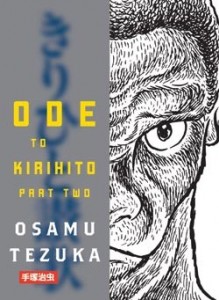 At a deeper level, however, Ode to Kirihito is an extended meditation on what distinguishes man from animal. Kirihito’s physical transformation forces him to the very margins of society; he terrifies and fascinates the people he encounters, as they alternately shun him and exploit him for his dog-like appearance. (In one of the manga’s most engrossing subplots, an eccentric millionaire kidnaps Kirihito for display in a private freak show.) The discrimination that Kirihito faces — coupled with Monmow’s dramatic symptoms, such as irrational aggression and raw meat cravings — lead him to question whether he is, in fact, still human. Throughout the story, he wrestles with a strong desire to abandon reason and morality for instinct; only his medical training — and the ethics thus inculcated — prevent him from embracing the beast within.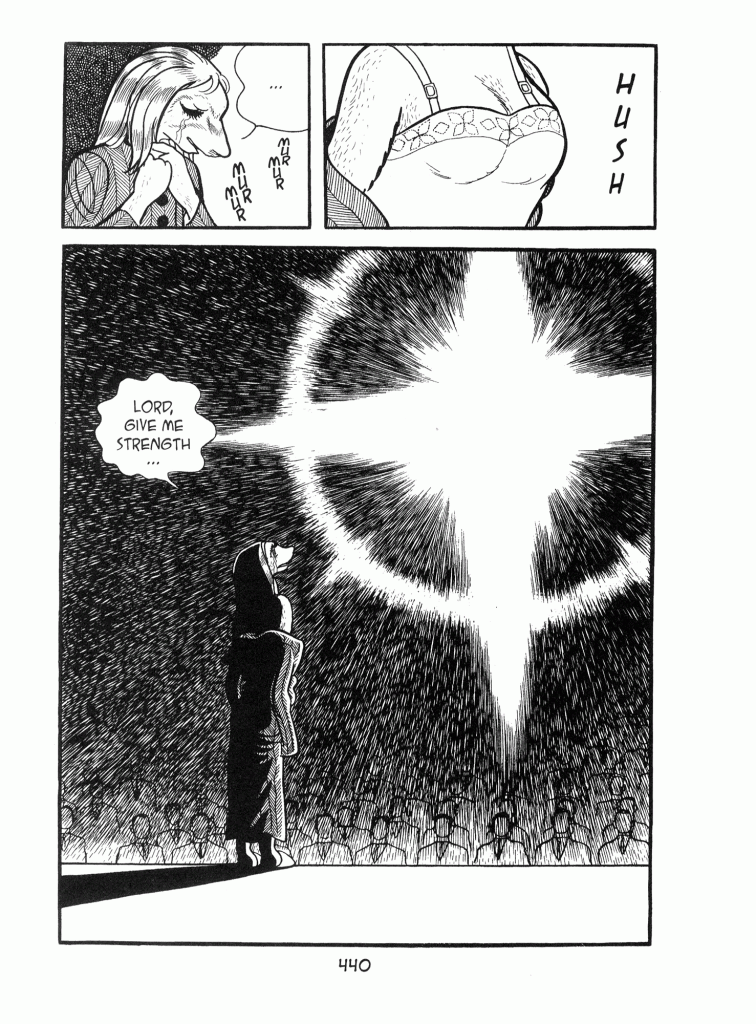
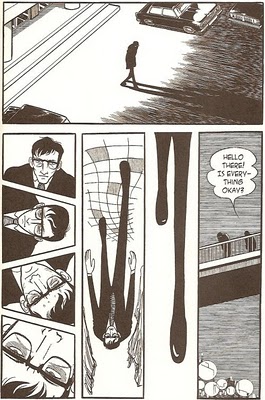
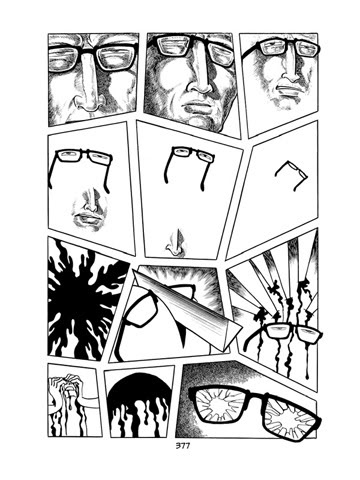
 “When he heard his cry for help, it wasn’t human” — so went the tagline for Ken Russell’s Altered States (1980), a bizarre fever-dream of Nietzchean philosophy, horror, and mystical hoo-ha in which a scientist’s experiments result in his spontaneous devolution. That same tagline would work equally well for Osamu Tezuka’s Ode to Kirihito (1970-71), a globe-trotting medical mystery about a doctor who takes a similar step down the evolutionary ladder from man to beast. In less capable hands, Kirihito would be pure, B-movie camp with delusions of grandeur — as Altered States is — but Tezuka synthesizes these disparate elements into a gripping story that explores meaty themes: the porous boundaries between man and animal, sanity and insanity, godliness and godlessness; the arrogance of scientists; and the corruption of the Japanese medical establishment.