 SEAN: There’s nothing that really inspires me on this week’s Midtown list, so I’ll go with something that my own comic shop is getting but Midtown isn’t. The second and final omnibus of Girl Friends completes the collection, and I am pleased that we got a print release of it from Seven Seas even with JManga releasing it digitally earlier in 2012. This is a different and more fluid translation, but mostly I enjoy just having this coming-of-age yuri story in my hands as a book. There aren’t many yuri stores that make it over here, so I cherish each one. And they’re a cute couple, too!
ANNA: I will pick the second volume of 07-Ghost. I enjoyed the first volume more than I expected to, and I’m hoping that the interesting world building and mystical action continues to entertain in the second volume.
MJ: There are a couple of things I’d like to pick up this week, enough that it’s difficult to choose, but in the end I’ll give my vote to the second omnibus of Loveless. From my review of omnibus volume one: “There’s so much going on … that it comes close to being a train wreck, but if there’s one thing I’ve learned over the past few years, it’s that there is no train wreck I love more than a Yun Kouga train wreck. And this, I think, really comes down to characterization. Like a couple of my other Kouga favorites, Crown of Love and (the very different) Gestalt, the strength of the story is that everyone is really interesting. Even when she’s adhering to standard tropes (in this case, BL and shoujo tropes), Kouga doesn’t write standard characters. Everyone in Loveless is kind of a weirdo, in the same way as most actual people are weirdos. They have layers of sometimes-contradictory issues, little idiosyncrasies, both attractive and unattractive flaws—and these are all a real part of the story.” More, please.
 MICHELLE: I’m also going to cast my vote for Loveless. I’d heard a little about it when TOKYOPOP was releasing it, but mostly it was all the potentially squicky bits. I was pleasantly surprised to enjoy it as much as I did, and that’s entirely due to the endearing characters. In the Off the Shelf column MJlinked to, I compared its strong characterization and somewhat hazy plotting to Pandora Hearts, and I continue to stand by that comparison. It’s not just any manga that can make me stop worrying about things making sense, but these two series manage it!
Readers, what looks good to you this week?


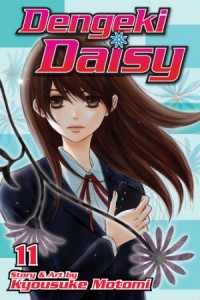

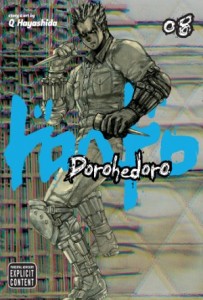
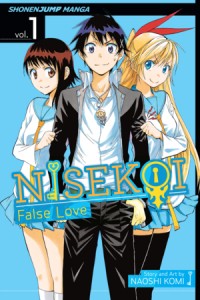
 MJ: There’s a lot going on at


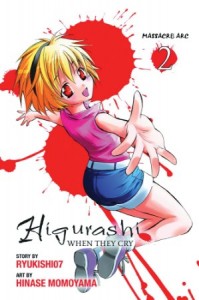


 SEAN: Given that this last week is rather thin, I thought I’d briefly touch on the titles I enjoyed in 2012. It was hard to pick just one, and several series – Devil and Her Love Song, Young Miss Holmes, Fallen Words, Sakuran, GTO 14 Days – were on my shortlist. But really, 2012 has a surprising winner for me, a red-blooded American male, and it comes from a young girl in a magical Wonderland choosing between many men who seem designed to fall for her.
  MJ: This year was filled with a number of surprising new favorites for me, including titles like
  MICHELLE: I had to think about this for a while, because the title that first sprang to mine was not one that debuted in 2012. In fact, it started coming out here in 2010, but I so loved every single volume of it, most especially the final one, that I simply must award my pick to Mitsuru Adachi’s


