• Skip to primary navigation
  • Skip to main content
  • Skip to primary sidebar
  • Home
  • About Us
    • Privacy Policy
    • Comment Policy
    • Disclosures & Disclaimers
  • Resources
    • Links, Essays & Articles
    • Fandomology!
    • CLAMP Directory
    • BlogRoll
  • Features & Columns
    • 3 Things Thursday
    • Adventures in the Key of Shoujo
    • Bit & Blips (game reviews)
    • BL BOOKRACK
    • Bookshelf Briefs
    • Bringing the Drama
    • Comic Conversion
    • Fanservice Friday
    • Going Digital
    • It Came From the Sinosphere
    • License This!
    • Magazine no Mori
    • My Week in Manga
    • OFF THE SHELF
    • Not By Manga Alone
    • PICK OF THE WEEK
    • Subtitles & Sensibility
    • Weekly Shonen Jump Recaps
  • Manga Moveable Feast
    • MMF Full Archive
    • Yun Kouga
    • CLAMP
    • Shojo Beat
    • Osamu Tezuka
    • Sailor Moon
    • Fruits Basket
    • Takehiko Inoue
    • Wild Adapter
    • One Piece
    • After School Nightmare
    • Karakuri Odette
    • Paradise Kiss
    • The Color Trilogy
    • To Terra…
    • Sexy Voice & Robo
  • Browse by Author
    • Sean Gaffney
    • Anna Neatrour
    • Michelle Smith
    • Katherine Dacey
    • MJ
    • Brigid Alverson
    • Travis Anderson
    • Phillip Anthony
    • Derek Bown
    • Jaci Dahlvang
    • Angela Eastman
    • Erica Friedman
    • Sara K.
    • Megan Purdy
    • Emily Snodgrass
    • Nancy Thistlethwaite
    • Eva Volin
    • David Welsh
  • MB Blogs
    • A Case Suitable For Treatment
    • Experiments in Manga
    • MangaBlog
    • The Manga Critic
    • Manga Report
    • Soliloquy in Blue
    • Manga Curmudgeon (archive)

Manga Bookshelf

Discussion, Resources, Roundtables, & Reviews

Katherine Dacey

Bookmarked! The Best Manga of 2014

January 14, 2015 by Katherine Dacey

File this week’s Bookmarked! column under the heading Better Late Than Never. Brigid and I sat down this week to review our favorite manga of 2014, from swashbuckling Viking sagas to goofy shojo comedies. We also chatted about the series we thought we’d love but didn’t, and looked ahead to potential candidates for the Best Manga of 2015.

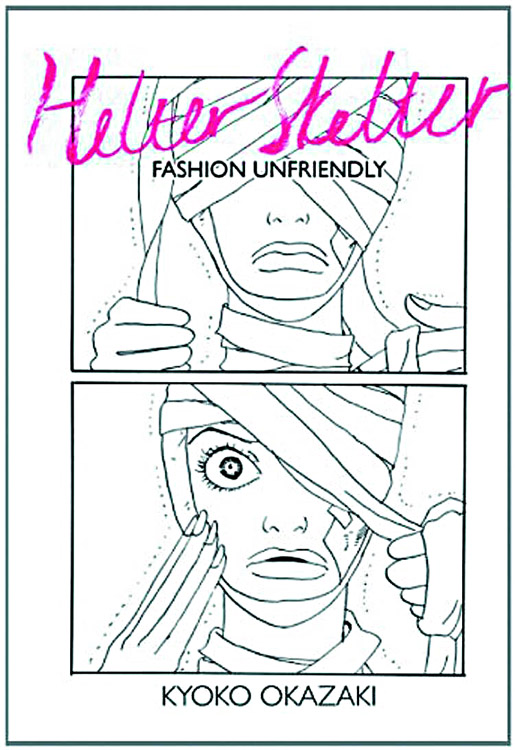
JUN131345 Brigid: When I was compiling my best of the year list for Robot 6, I mentioned three manga—Kyoko Okazaki’s Helter Skelter, Moyoco Anno’s In Clothes Called Fat, and Inio Asano’s Nijigahara Holograph—but I’m smacking my head because I somehow spaced on Vinland Saga. Even though Kodansha Comics has temporarily put the series on hold, it’s well worth a read. It’s a really well done story with a complex plot—lots of double-crosses and surprises—and some interesting characters. It’s also beautifully drawn, and Kodansha Comics has gone the extra mile in terms of production quality, with double-size hardback volumes and some little touches that make it feel really special. I simply disappeared into these books over the Fourth of July, and now I want to go back and read all the way through Volume Five.

Kate, what was your standout pick for the year?

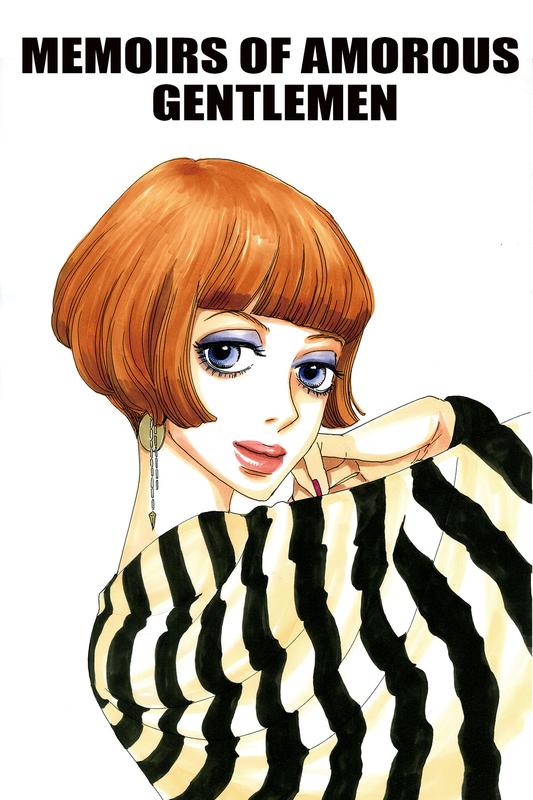
974d10d54b54987b252eb2fece9827d4_1394065624_full_a3d4c3086a7e1d355a3b27f0c4f2091cKate: I’m also a Moyocco Anno fan, though I preferred Memoirs of Amorous Gentleman. I found Anno’s depiction of Colette, the prostitute-heroine of Memoirs, less mean-spirited than her depiction of Noko, the binge-eating heroine of In Clothes Called Fat; when I read Noko’s story, I had a difficult time distinguishing the author’s feelings about Noko from the other characters’. The other reason I liked Memoirs better: the artwork! The story takes place in a fin-de-siecle brothel in Paris, which provides Anno with a swell excuse to draw extravagant clothing, accessories, and lingerie. Her attention to detail doesn’t end with the clothing, either; the character designs are more soft and sensual than in her earlier series like Flowers & Bees.

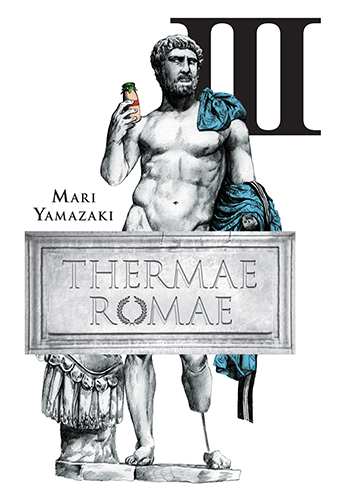
Other titles making my best-of list would include Batman: The Jiro Kuwata Batmanga, which DC Comics has presented in a smart-looking, unflipped edition; Master Keaton, an older Naoki Urasawa title about a globe-trotting, crime-solving insurance agent; My Love Story!!, a goofy shojo comedy that offers a teenage boy’s perspective on first love; and OPUS, a manga-within-a-manga by the late animator Satoshi Kon. Honorable mention goes to the final volume of Thermae Romae, which managed to wring a surprising amount of story from a slender premise.

If you could only pick one of the titles from your list as “the best manga of 2014,” which one would it be?

Yamazaki_ThermaeRomae_V3_HCBrigid: I think Vinland Saga truly was the best manga of the year, but let me go back to your honorable mention of Thermae Romae. It’s hard to give that the best-manga tag, because the art is a bit odd and the story wobbled all over the place, yet there’s something really wonderful about that manga. I think it reflects our own reality in a way, because just like Lucius, we are taking artifacts from Japanese culture and making them our own—only for us, it’s manga, not bathrooms. I thought this was an amazing series and kudos to Yen Press for publishing it in such a beautiful edition.

Attack on Titan hardly needs a boost from me, but I have to say it was one of the series I turned to when I just wanted to relax and enjoy a good story. I also really liked Nisekoi in the same way—it’s not deep, just a fun read.

Were there any series you were reading just for fun?

Kate: VIZ tends to be my go-to label for fun series. I already mentioned My Love Story!!, which usually makes me laugh out loud, but I also enjoyed the first volume of Assassination Classroom. I won’t make any grand claims for Classroom; the story has a sentimental streak a mile wide, even though the premise is subversive. Koro-sensei’s preposterous assignments, dedication to his craft, and super-human grading skills, however, provide a reliable stream of chuckles even when the author loses his nerve and goes for the “awwww” moment instead of risking offense.

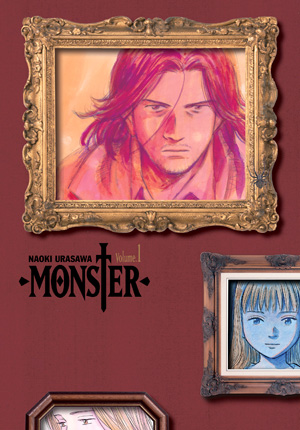
142156906XAnother series in my “just for fun” pile was Naoki Urasawa’s Monster. When VIZ began reissuing Monster last year, I dusted off my old set and revisited it for the first time since 2008. I was pleasantly surprised to discover that the series was almost as good as I remembered. The crack pacing and twisty plots held my attention, as did the plight of the enormous cast of supporting characters. (And oh, those characters! No one draws a nose, a brow, or a paunch with the same elan as Urasawa.) The only thing that disappointed was the ending, which felt more suitable for an episode of Scooby-Doo than the conclusion of a thriller exploring the underbelly of the former Soviet bloc.

I was certain that Fumi Yoshinaga’s What Did You Eat Yesterday? would be on my “fun” list, too, but I’ve found it oddly unengaging. The problem, for me, lies with the ratio of interpersonal to culinary shoptalk. Though Shiro and Kenji’s travails as a middle-aged couple are compelling, the endless panels of recipes, food preparation, and grocery shopping are too run-of-the-mill to hold my attention, even if some of the ingredients are exotic from an American’s perspective. I liken it to reading a manga about household chores: unless the character has a talking robot vacuum cleaner or uses depth charges to clear a messy bedroom, it’s hard to make such routine tasks interesting on the printed page.

What series didn’t live up to your expectations?

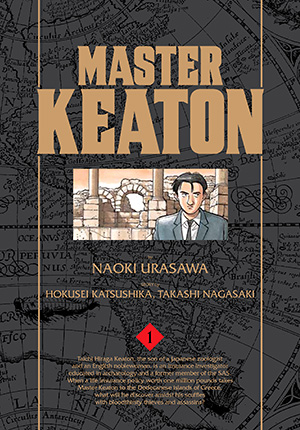
1421575892Brigid: Shockingly, Naoki Urasawa’s Master Keaton. I really loved his other series (although I agree with you about the end of Monster), so I was really looking forward to this one. The setup is great: The main character is an archaeology professor who moonlights as an insurance investigator, which gives him plenty of excuses to solve mysteries, but the plots have holes you could drive a Mack truck through. Still, Urasawa on his worst day is better than most other creators on their best. His art is great, although not quite as sophisticated as in his later books, and his lead character, who is sort of a combination of Sherlock Holmes and McGyver, is fun to watch.

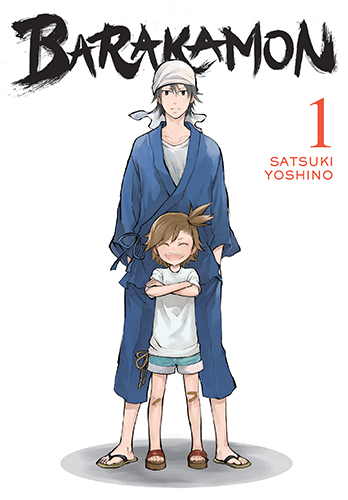
Another manga that I felt was solid but didn’t quite live up to its hype was Barakamon. The premise is solid: A talented calligrapher punches the wrong guy and exiles himself to a remote island to hone his craft in solitude, but the locals keep intruding into his life. The city-boy-in-the-country humor works, and Satsuki Yoshino does a nice job of establishing a sense of atmosphere with the backgrounds and settings. The weak point was the way figures were drawn—they often looked like piles of clothes with no structure underneath. Also, while I understand the decision to have the locals speak in dialect, I don’t really agree with it. It makes the story hard to read. I think this series is just hitting its stride, though, and I have the second volume queued up on my reading stack.

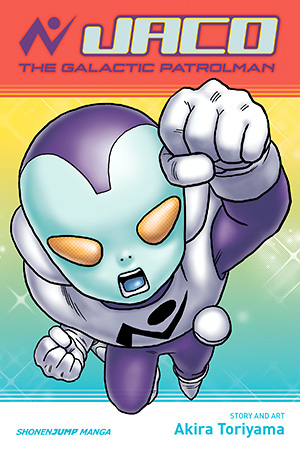
Jaco 1To end on an up note, though, I already have a favorite manga of 2015, and it’s one I had low expectations for: Jaco the Galactic Patrolman. It’s a one-shot by Akira Toriyama, the creator of Dragon Ball, which is not really my kind of book, so I didn’t have high expectations, but I was really impressed by the art. Toriyama knows how to set a scene, with clear lines and just the right amount of detail. All his characters looked very different, with strong personalities of their own. The plot is a ridiculous pileup, but Toriyama pulls it off, and his earnest but vain galactic patrolman is a perfect foil for the cranky Omari and the spunky Tights. (Yes, that’s her name.) There is a bit of a Dragon Ball crossover, plus a bonus Dragon Ball story at the end, but you don’t have to have read that series to enjoy this book. It was a real treat, and I highly recommend it for one of those gray winter days when you just need a laugh.

*  *  *  *  *

Now we turn the floor over to you: what were your favorite new manga of 2014? What titles disappointed you the most? Inquiring minds want to know!

Filed Under: MANGABLOG

VIZ Rescues More CLAMP Titles

January 12, 2015 by Katherine Dacey

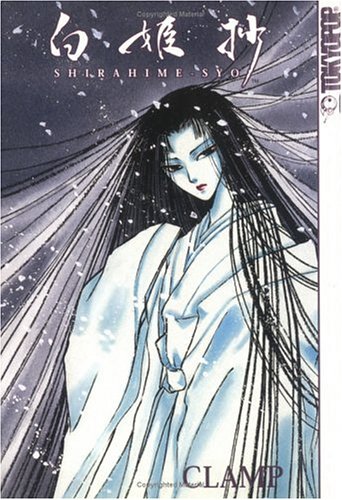
shirahime-syoPull up a chair and pour yourself a strong cup of coffee–today’s super-sized post rounds up the best news stories, manga reviews, and personal essays from around the web!

VIZ is reissuing two CLAMP titles from the Tokyopop catalog: Duklyon: CLAMP School Defenders and Shirahime-Syo: Snow Goddess. As with VIZ’s other Tokyopop license rescues, Duklyon and Shirahime-Syo will be digital-only releases.

Sean Gaffney reports on the latest licensing news from Seven Seas and Yen Press, from light novels to 4-koma novelties such as Merman in a Tub. 

Over at Organization Anti-Social Geniuses, Justin Stroman interviews former Tokyopop editor Lillian Diaz-Pryzbyl about her experiences in the manga industry.

Manga scholar Ryan Holmberg posts a lengthy essay on Osamu Tezuka’s Manga Classroom, a how-to series that appeared in Manga Shonen from 1952 to 1954.

Unofficial Hatsune Mix tops this week’s New York Times Manga Bestseller list, followed by the first volume of Assassination Classroom and the second volume of Attack on Titan: No Regrets.

What’s arriving in comic book stores this week? The Manga Bookshelf gang lists the good, the bad, and the ho-hum.

Erica Friedman shares the latest yuri manga news at Okazu.

Khursten Santos has compiled a handy list of “the most dangerous BL titles of 2015,” complete with charts, cover art, and analysis.

Charles Pulliam-Moore explores the world of bara, manga by and for gay men.

In case you missed it: Chris Randle interviews translator Anne Ishii about her experience working on the new anthology Massive: Gay Erotic Manga and the Men Who Make It.

Using Tokyo Ghoul as a jumping-off point, Tony Yao explores Japanese fans’ changing taste in manga.

Wondering what josei fans are reading in Japan? Heart of Manga explores the current issue of Cookie magazine, from Rin Saito’s Back Alley Animal Clinic to Miho Obana’s Honey Bitter.

On Wednesday, January 14th, Kodansha Comics USA will be holding a special event at the midtown Manhattan Kinokuniya. Expect licensing announcements, manga giveaways, and Q&A with the Kodansha editorial staff.

Manga n00b Christina Negroni files a report on her visit to the Kyoto Manga Museum. While some of her reactions are stereotypical–who knew there was smutty manga?–her discussion of the museum’s collection is worth a read.

News from Japan: As part of its efforts to promote the Kindle platform in Japan, Amazon just launched a new service that gives customers free access to manga magazines via smart phones, tablets, and laptops. Kodansha is also getting into the e-manga game with simultaneous digital and print editions of Monthly Shonen Magazine, Weekly Shonen Magazine, and Young Magazine.

When asked, Which manga series would you most like to see end this year?, Japanese fans overwhelmingly cited Kochira Katsushika-ku Kamearikouen-mae Hashutsujo, which began serialization in 1976, and Detective Conan (a.k.a. Case Closed), which began serialization in 1994. And speaking of final volumes, the following series will be posting their last chapters in 2015: Ai Morinaga’s Kirara no Hoshi, which currently runs in Bessatsu Friend; Ryoichi Ikegami’s Tenshi wa Maiorita, which currently runs in Weekly Manga Times; Mako Kamao’s Ange Verge Linkage, which currently runs in Dragon Age; and Tsutomu Mutsuki’s Is This Girl for Real?!, which currently runs in Comic High!

Reviews: Shaenon Garrity devotes the latest House of 1000 Manga column to Massive: Gay Erotic Manga and the Men Who Make It. Here at Manga Bookshelf, Michelle Smith, Anna N., and Sean Gaffney offer pithy assessments of D-Frag!, Knights of Sidonia, and other recent releases.

Ken H. on vol. 2 of Ajin: Demi-Human (Sequential Ink)
Rebecca Silverman on vol. 1 of Ani-Imo (ANN)
Leroy Douresseaux on vol. 1 of Assassination Classroom (Comic Book Bin)
Rebecca Silverman on vol. 1 of Assassination Classroom (ANN)
Julia Smith on vol. 2 of Black Rose Alice (The Fandom Post)
Matthew Warner on vol. 12 of Blue Exorcist (The Fandom Post)
Chris Kirby on vol. 10 of Bunny Drop (The Fandom Post)
Leroy Douresseaux on vol. 14 of Dengeki Daisy (Comic Book Bin)
Sean Gaffney on vol. 1 of Drug & Drop (A Case Suitable for Treatment)
Kate O’Neil on Garden of Words (The Fandom Post)
Kory Cerjak on vol. 2 of Honey Blood (The Fandom Post)
Katie Skelly on In Clothes Called Fat (The Comics Journal)
Joseph Luster on vol. 12 of Knights of Sidonia (Otaku USA)
Sean Gaffney on Legal Drug Omnibus (A Case Suitable for Treatment)
Rebecca Silverman on vol. 1 of Love at Fourteen (ANN)
Kathryn Hemmann on Marshmallow Bungaku Girl (Contemporary Japanese Literature)
Leroy Douresseaux on vol. 1 of Master Keaton (Comic Book Bin)
Laura on vol. 1 of Meteor Prince (Heart of Manga)
Sean Gaffney on vol. 1 of Meteor Prince (A Case Suitable for Treatment)
Johanna Draper Carlson on vols. 1-2 of Monster: Perfect Edition (Manga Worth Reading)
Ash Brown on More of You and Other Stories (Experiments in Manga)
Matthew Warner on vol. 6 of Nisekoi: False Love (The Fandom Post)
Ken H. on vol. 1 of Norigami (Sequential Ink)
Jessica Chautin on vol. 1 of Phantom Thief Jeanne (No Flying No Tights)
Johanna Draper Carlson on vol. 1 of Prophecy (Manga Worth Reading)
Joseph Luster on vol. 1 of Prophecy (Otaku USA)
Rebecca Silverman on vol. 1 of Prophecy (ANN)
Erica Friedman on vol. 16 of Rakuen Le Paradis (Okazu)
Julia Smith on vol. 1 of Resident Evil: The Marwha Desire (The Fandom Post)
Matthew Warner on vol. 16 of Rin-ne (The Fandom Post)
Chris Kirby on vol. 21 of Toriko (The Fandom Post)
Megan R. on Tsubasa: Reservoir Chronicles (The Manga Test Drive)
Ash Brown on vol. 5 of What Did You Eat Yesterday? (Experiments in Manga)
Lori Henderson on vol. 1 of xxxHolic Rei (Manga Xanadu)

Filed Under: MANGABLOG

Mini Manga Reviews and Links, 1/2/15

January 2, 2015 by Katherine Dacey

Did you receive an Amazon or RightStuf gift certificate this holiday? If so, this post is for you! Below, I’ve reviewed the first volumes of three series that debuted in 2014, offering a quick-and-dirty assessment of each. Already read Food Wars? Fear not—I’ve also rounded up reviews from around the web as well.

thumb-10857-FDW_01_webFood Wars, Vol. 1
Story by Yuto Tsukada, Art by Shun Saeki
Rated T+, for Older Teens
VIZ Manga, $9.99

Food Wars begins with an only-in-manga scenario: Soma Yukihira’s dad shutters the family’s greasy spoon restaurant and lights out for America, leaving his son behind. With no place to go, Soma enrolls at Totsuki Culinary Academy, a hoity-toity cooking school that prides itself on its wealthy alumnae, rigorous curriculum, and high attrition rate. Soma’s working-class background is a major handicap in this environment, but his can-do attitude and culinary instincts allow him to triumph in difficult situations, whether he’s salvaging an over-salted pot roast or wowing an unscrupulous developer with a simple potato dish.

In theory, I ought to hate Food Wars for its cartoonish characters and abundant cheesecake, two qualities I generally despise in a manga. But here’s the thing: it’s fun. Soma repeatedly shows up bullies and snobs with his ability to transform everyday dishes into haute cuisine, proving that good food doesn’t need to be fancy. Though Soma’s foes are stock types—the Busty Bitch, the Rich Mean Boy, the Teacher With Impossibly High Standards—Shun Sakei’s crisp caricatures make them seem like fresh creations. I wish I could say the same for Sakei’s abundant fanservice, which quickly wears out its welcome with porny images of women enjoying Soma’s cooking. These pin-up moments are supposed to be funny, I guess, but the heavy emphasis on heaving cleavage and bare skin seems more like a concession to teenage male taste than an organic part of the story.

The verdict: I can’t decide if Food Wars is a guilty pleasure or a hate read, but I’ve just purchased volumes 2-4.

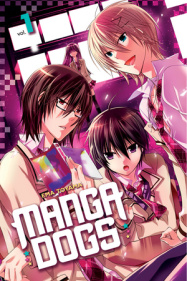
Manga Dogs 1Manga Dogs, Vol. 1
By Ema Toyama
Rated T, for Teens
Kodansha Comics, $10.99

Manga Dogs has a terrific premise: a teenage artist decides to enroll in her school’s manga program, only to discover that her teacher is inept, and her classmates are pretty-boy otakus with no skill or work ethic. When Kanna’s classmates discover that she’s actually a published artist, Fumio, Fujio, and Shota glom onto her in hopes of breaking into the business—even though her debut series is on the verge of being cancelled.

With such a ripe set-up, it’s a pity that Manga Dogs is DOA. Part of the problem is that the script panders to the reader at every turn, whether it’s poking fun at reverse-harem tropes or saddling the characters with pun-tastic names inspired by famous manga creators. The author spends too much time patting the reader on the back for “getting” the jokes and not enough time writing genuinely funny scenarios or imbuing her characters with more than one personality trait each. The other issue is pacing: the story and artwork are both frenetic, with characters screaming, jumping, and flapping their arms on almost every page. By the end of the third chapter, I felt as if someone had beaten me up for my lunch money while asking me, “Do you think I’m funny? No? Now do you think I’m funny?”

The verdict: Just say no.

1421575906Yukarism, Vol. 1
By Chika Shiomi
Rated T, for Teen
VIZ Media, $9.99

Yukarism combines the supernatural elements of Rasetsu with the historical drama of Sakuran, then adds a dash of gender-bending weirdness for good measure. The story revolves around Yukari, a best-selling author whose novels explore the history of Edo’s red-light district. Though fans attribute the abundant details in his writing to research, Yukari has an even better strategy for learning about the past: he visits it! When he returns to the 1800s, however, Yukari becomes Yumurasaki, a top-earning oiran (or courtesan) enmeshed in a web of political intrigue, lust, and violence.

Given the complexity of the plot, it’s not surprising that the first volume of Yukarism is a bumpy ride. The tone see-saws between broad physical comedy and brooding melodrama, making it difficult to know if Yukari’s plight is being played for laughs or sniffles. The script, on the other hand, is too pointed; manga-ka Chika Shiomi is so intent on telling us what Yukari is thinking and seeing that she forgets the old dictum about showing, not telling. The same kind of editorial interventions result in at least one character waxing profusely about how handsome and cool Yukari is, just in case we haven’t realized that he’s supposed to be handsome and cool. Now that the basic parameters of the story have been established, however, Shiomi can dispense with the heavy-handed dialogue and do what she does best: write sudsy supernatural romances with beautiful characters in beautiful costumes.

The verdict: Volume two should be a pure guilty pleasure.

Reviews: Here at Manga Bookshelf, Michelle Smith, Sean Gaffney, and Anna N. post a fresh crop of mini-reviews. Further afield, Megan Purdy discusses est em’s Carmen, a swell-looking manga treatment of the Bizet opera.

Laura on vol. 1 of Ani-Imo (Heart of Manga)
Kate O’Neil on vol. 2 of Attack on Titan: No Regrets (The Fandom Post)
Johanna Draper Carlson on vol. 1 of Barakamon (Manga Worth Reading)
Johanna Draper Carlson on vol. 6 of A Bride’s Story (Manga Worth Reading)
Jenny Ertel on vols. 1-13 of Dorohedoro (No Flying No Tights)
Sean Gaffney on vol. 14 of Dorohedoro (A Case Suitable for Treatment)
Johanna Draper Carlson on vol. 1 of Drug & Drop (Manga Worth Reading)
Johanna Draper Carlson on The Garden of Words (Manga Worth Reading)
Matthew Alexander on vol. 25 of Higurashi: When They Cry (The Fandom Post)
Rebecca Silverman on vol. 1 of Milkyway Hitchhiking (ANN)
Kory Cerjak on vol. 1 of Prophecy (The Fandom Post)
Lori Henderson on vols. 1-6 of Strobe Edge (Good Comics for Kids)
Sean Gaffney on vol. 8 of Umineko: When They Cry (A Case Suitable for Treatment)
Megan R. on vol. 1 of What Did You Eat Yesterday? (The Manga Test Drive)

Filed Under: MANGABLOG, REVIEWS

Review: Assassination Classroom, Vol. 1

December 18, 2014 by Katherine Dacey

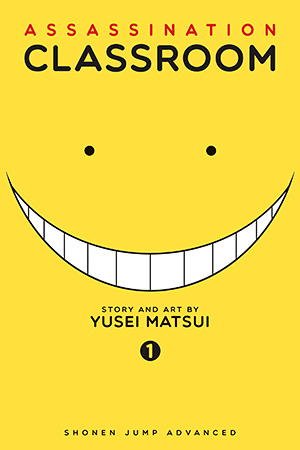
1421576074Assassination Classroom, Vol. 1
By Yusei Matsui
Rated T+, for Older Teens
VIZ Media, $9.99

Americans steadfastly believe that all students need to succeed are a few good teachers—think of how many movies you’ve seen about an unorthodox educator who helps a group of misfits, losers, or underachievers realize their full potential against all odds. Perhaps that’s why American publishers hesitated before licensing Assassination Classroom, a comedy that outwardly conforms to the tenets of the genre while poking fun at its hoariest cliches.

Assassination Classroom‘s star teacher is Koro-sensei, a super-powered alien who can wipe out an army with a swish of a tentacle. His students are class 3-E, the troublemakers and flunkies of Kunugigaoka Junior High School. Instead of studying calculus or Shakespeare, however, Koro-sensei’s charges are learning how to kill him and save Earth in the process—in other words, it’s To Sir With Lethal Force.

If the script isn’t quite as edgy as my summary suggests, Assassination Classroom scores points for the sheer ridiculousness of the premise. Koro-sensei’s relentless enthusiasm and high standards match those of other fictional educators—Michelle Pfeiffer in Dangerous Minds, Robin Williams in Dead Poets Society—but are applied to such activities as shooting and stabbing. He gives the same kind of inspirational speeches that you’d find in those movies, too, reminding his charges that he specifically requested the job because he knows the students’ true potential.

In one scene, for example, timid student Okuda presents Koro-sensei with three deadly potions, imploring him to sample them. “I’m not good at surprise attacks!” she tells him. “But I love chemistry! And I really put my heart and soul into this!” Koro-sensei cheerfully obliges, offering to help Okuda “research a poison that can kill me.” When Okuda proves more skillful at mixing chemicals than persuading her target to drink them, Koro-sensei reminds her that “in order to kill someone, you need to understand how they feel,” skills that she can cultivate through—what else?—reading and writing.

The exchange between Okuda and Koro-sensei is complemented by some of the best visual gags in volume one. One of the poisons, for example, neutralizes Koro-sensei’s Cheshire grin into a flat line, prompting a student to exclaim, “You look like an emoticon!” Although Koro-sensei’s face is the essence of simplicity—a circle with pin-dot eyes and a toothy smile—this subtle tweak of his appearance yields a big pay-off laugh-wise.

At the same time, however, the poison episode illustrates Assassination Classroom‘s biggest flaw: Yusei Matsui wants to have his cake and eat it, too, soft-pedaling the humor with an uplifting, awwww-worthy moment in almost every chapter. Students unironically vow to do their best after Koro-sensei points out the flaws in their technique, saves them from harm, or gives them a pep talk. None of the students harbor a grudge against him—at least not for very long—or question the value of Koro-sensei’s lessons. (Makes you wonder: is Koro-sensei guilty of grade inflation?)

Still, I enjoyed volume one enough to continue with the series, even if Matsui’s efforts to express the Shonen Jump dictum of “friendship, effort, victory” sometimes blunt the edge of his satire.

Filed Under: MANGABLOG, REVIEWS Tagged With: Shonen Jump, viz media

Quick Friday Manga Links

December 12, 2014 by Katherine Dacey

Once again, the fifth volume of Monster Musume tops the New York Times’ Manga Bestseller list, followed by the latest installments of Fairy Tail, Attack on Titan, and xxxHolic Rei, CLAMP’s sort-of sequel to xxxHolic.

Will the Kickstarter campaign for Ludwig B. reach its goal of $21,000? Johanna Draper Carlson investigates.

The Manga Bookshelf gang discuss next week’s big releases, from Master Keaton to Mobile Suit Gundham.

Look out, Wallace and Grommit–Moyocco Anno has launched an Indie GoGo campaign to adapt her manga Diary of O’Chibi into a stop-motion film.

Kodansha recently posted a brief video “trailer” for Noriko Ootani’s josei series Sukkute Goran, and it’s lovely.

Reviews: Ash Brown discusses Frederick Schodt’s landmark 1983 book Manga! Manga! The World of Japanese Comics. Over at Anime News Network, Shaenon Garrity devotes the latest House of 1000 Manga column to Taiyo Matsumoto’s GoGo Monster.

Leroy Douresseaux on vol. 20 of Arata: The Legend (The Comic Book Bin)
Jordan Richards on vol. 1 of Assassination Classroom (Adventures in Poor Taste)
Rachel Tougas on vol. 1 of Assassination Classroom (Rachel Loves Comics)
Noel Thorne on vol. 1 of Batman: The Jiro Kuwata Batmanga (Comic Ally)
Rebecca Silverman on vols. 1-2 of False Memories (Anime News Network)
Marissa Lieberman on vol. 1 of Food Wars! (No Flying No Tights)
Eric Gaudette on Hellsing (Emertainment Monthly)
Megan R. on In Clothes Called Fat (The Manga Test Drive)
Nick Smith on vol.1 of Kiss of the Rose Princess (ICv2)
Leroy Douresseaux on vol. 9 of Magi: The Labyrinth of Magic (The Comic Book Bin)
Johanna Draper Carlson on vol. 2 of My Love Story!! (Manga Worth Reading)
Johanna Draper Carlos on vol. 2 of Spell of Desire (Manga Worth Reading)
Kate O’Neil on vol. 3 of Sweet Rein (The Fandom Post)
Matthew Warner on vol. 19 of Vampire Knight (The Fandom Post)
Leroy Douresseaux on vol. 8 of Voice Over! Seiyu Academy (The Comic Book Bin)
Rebecca Silverman on vol. 1 of Witchcraft Works (Anime News Network)
Matthew Alexander on vol. 5 of Wolfsmund (The Fandom Post)
Johanna Draper Carlson on vol. 1 of Yukarism (Manga Worth Reading)
Sean Gaffney on vol. 1 of Yukarism (A Case Suitable for Treatment)

Filed Under: MANGABLOG

VIZ Nabs New Junji Ito Manga

December 5, 2014 by Katherine Dacey

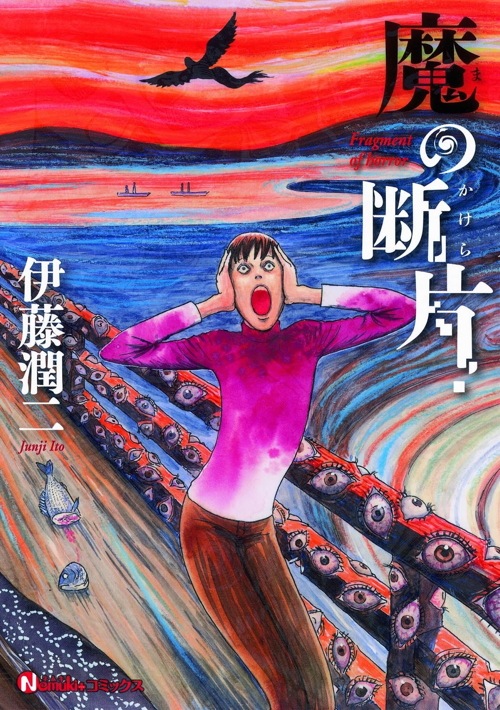
fragments_of-Horror-itoExciting news: VIZ will publish Junji Ito’s latest manga, Fragments of Horror, in 2015. VIZ promises that Fragments has something for everyone, “from the terrifying to the comedic, from the erotic to the loathsome.” Look for a hardcover edition next summer.

The latest volume of Monster Musume edges out Attack on Titan for the top spot on this week’s New York Times Manga Bestseller list.

Toshi Nakamura thinks the new Parasyte movie doesn’t stack up against the manga.

But wait–there’s more! Masashi Kishimoto sits down for another interview about Naruto, this time with Mezamashi TV.

Deb Aoki files a report from the 2014 International Manga Festival in Tokyo, while Khursten Santos posts an in-depth look at the Manga Futures conference, which was held at the University of Wollongong last month.

Organization Anti-Social Geniuses is looking for a Manga Features Writer.

To help shojo fans get into the Christmas spirit, Anna N. is giving away volumes 1-3 of Sweet Rein.

Which new Seven Seas titles are you eagerly anticipating? Lori Henderson offers her two cents on the company’s latest acquisitions.

Librarian Mikhail Koulikhov discusses the pros and cons of using Google Scholar to research anime and manga topics.

News from Japan: Mayumi Azuma (Elemental Gelade) and Tatsuro Nakanishi (Crown) have teamed up for Amadeus Code, a new series for Monthly Comic Garden.

Reviews: Anime News Network officially retires its Right Turn Only!! column this week with mini-reviews of Afterschool Charisma, From the New World, and Whispered Words. Elsewhere at ANN, Jason Thompson looks at Japan Sinks, a natural disaster story from the 1970s.

Alice Vernon on Are You Alice? (Girls Like Comics)
Sakura Eries on vol. 3 of Aron’s Absurd Armada (The Fandom Post)
Sean Gaffney on vol. 1 of Assassination Classroom (A Case Suitable for Treatment)
Matt Wilson on Batman: The Jiro Kuwata Batmanga (Comics Alliance)
Sarah on vol. 62 of Bleach (nagareboshi reviews)
Kate O’Neil on vol. 52 of Case Closed (The Fandom Post)
Megan R. on Hatsune Miku: Unofficial Hatsune Mix (The Manga Test Drive)
Allen Kesinger on vols. 1-4 of Judge (No Flying No Tights)
Leroy Douresseaux on vol. 4 of Millennium Snow (Comic Book Bin)
Lori Henderson on vols. 15-21 of Pokemon Adventures: Ruby & Sapphire (Good Comics for Kids)
Matthew Warner on vol. 3 of Puella Magica Madoka Magi: The Different Story (The Fandom Post)
Scott Cederlund on vol. 13 of Real (Panel Patter)
Mad Manga on chapters 1-26 of Salty Studio (Cartoon Geek Corner)
Ken H. on vols. 3-4 of Say I Love You (Sequential Ink)
Megan R. on The Seven Deadly Sins (The Manga Test Drive)
Mad Manga on chapters 2-3 of Takujo no Ageta (Cartoon Geek Corner)
Lesley Aeschliman on vol. 8 of Voice Over! Seiyu Academy (Lesley’s Musings on Anime & Manga)

Filed Under: MANGABLOG Tagged With: Junji Ito, viz media

Bookmarked: Satoshi Kon-a-thon

December 3, 2014 by Katherine Dacey

It’s not every day that an American publisher releases a manga by the late, great Satoshi Kon, so Brigid and I decided to mark the occasion with a roundtable discussion. Joining us is David Brothers, one our favorite comics journalists. David has written for Comics Alliance, Pop Culture Shock, Publisher’s Weekly, Wired, and The Atlantic Monthly, and currently works in the comics industry.

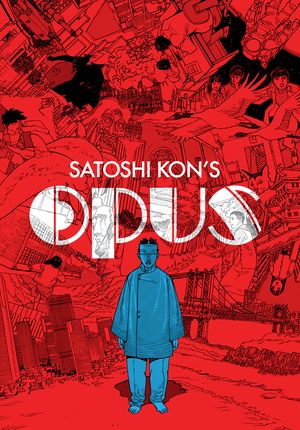
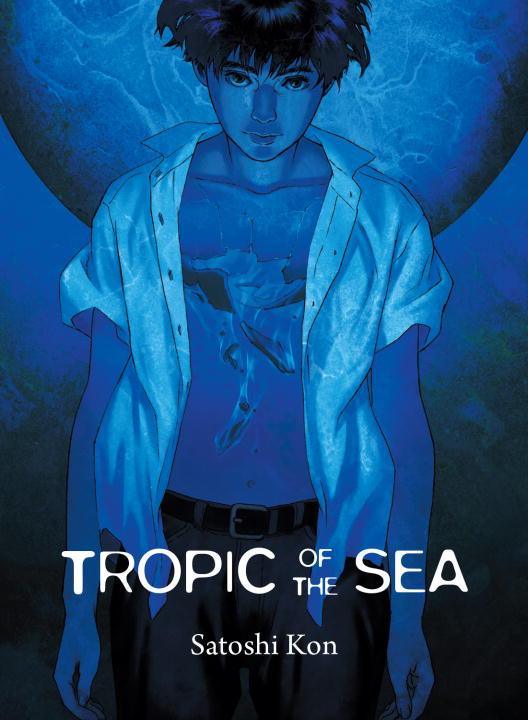
On our plate: Tropic of the Sea, which was published by Vertical Comics in 2013, and OPUS, which arrives in comic book stores today courtesy of Dark Horse. Both works date to an early stage of Satoshi Kon’s career, but explore themes present in such films as Perfect Blue, Millennium Actress, and Paprika–most notably the boundary between reality and imagination.

KATE: Let’s start the conversation with a basic question: which did you enjoy more, OPUS or Tropic of the Sea, and why?

OpusDAVID: I definitely liked OPUS a lot more than Tropic of the Sea, I think owing to the fact that while both are stories in well-worn genres, OPUS is way more up my alley in general, since it was at least partly about storytelling as a creator. Tropic of the Sea felt fairly pat, with precious few surprises all the way down to the last panel. OPUS follows the blueprint of other stories in its genre, but it’s also funnier and warmer somehow, I suppose because it’s about the nature of free will and humanity, and to tackle those points you kinda have to have characters that are entertaining to watch.

I actually read these books back-to-back the first time I read both, Tropic of the Sea and then OPUS, with a break for cooking and dinner in-between. OPUS did a great job of sparking my imagination. I think it’s cool that the story works as both how we read it, as the story of a creator in his creation, and also a crazy deus ex machina ending for the manga Resonance. Tropic of the Sea sorta is what it is, which is a well-executed story to be sure, but OPUS goes places I really enjoy.

I’m focusing on OPUS, but I didn’t dislike Tropic of the Sea. It’s good, but it’s just not quite my bag. How was it for you two?

BRIGID: Wow, I’m actually feeling the opposite: I really liked Tropic of the Sea because I thought that it was very well done, even if the story had been done before. I’m finding OPUS much harder to follow, though. Maybe I’m just not good with action stories, but it seems like things are constantly exploding and flying apart without any visible cause. And right at the end of chapter 1 there’s this weird non-sequitur where Satoko’s leg is trapped under a stone column and then, without anything changing in the panel that I could see, she just pushed it off and jumped up. On the one hand, this manga has a pretty sophisticated sense of space, but on the other hand, I’m having a lot of trouble following the motion of people and things within that space, and in particular, why things are blowing up. As I write this, I haven’t finished the manga, so maybe there’s a resolution or explanation I’m not seeing yet, but right now it’s pulling me out of the story to have to stop and figure out what just happened. It’s weird, too, because you would expect an animator to be tighter about that kind of thing.

tropic-of-the-sea-cover
KATE: My experience tracks with yours, David: I liked OPUS more than Tropic of the Sea. I found the premise of Tropic of the Sea a little too familiar, in large part because the characters were all such obvious types–the skeptic, the unscrupulous developer, the wise old-timer–that none registered as individuals. The story’s length was also a contributing factor, as Kon didn’t have enough space to flesh out the cast beyond their specific plot functions. It’s a shame that the script wasn’t better, as the illustrations create a palpable sense of place.

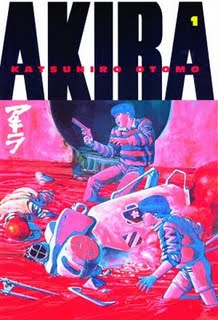
As for OPUS, it irresistibly reminded me of the a-ha video for “Take on Me” and the Will Farrell/Emma Thompson flick Stranger Than Fiction, with a pinch of AKIRA for seasoning. I normally find these kind of meta-exercises tedious, but Kon infuses the story with a sense of playful urgency that thwarts the urge to deconstruct every page. (For me, at least; your mileage may vary.)

DAVID: Oh, I’m definitely knee-deep in that urge to deconstruct. Resonance feels like the anime and manga that was around when I was getting into this stuff, something halfway between Ryoichi Ikegami’s ’80s realism and Masamune Shirow’s willingness to blend weird tangents into his hard sci-fi worldbuilding. The haircuts, the fashion, the motivations, the poorly thought-out backstories, and somehow even the fourth wall breaking action are all my bag. Which I think is a big part of why I share the constant feeling of Things Are Happening All Over with you, Brigid, but have a different response to it. The story-in-the-story is something I know well and have read often (the cop mentor, the thug friend, the weird way the heroine keeps getting rescued instead of rescuing!), so I buy into that, and through that the rest of the story, maybe a little harder than others would. This feels a lot like a lost chapter of a comic I never read as a kid, from late enough in the story that doing a daring metafictional “let’s talk about comics stories by way of being in a comics story!” tale was not just feasible, but something you could dedicate 300+ pages to.

KATE: I agree with Brigid that the draftsmanship in Tropic of the Sea is crisper–in fact, I think that’s part of the reason that I’m so focused on the creakier aspects of the story. The illustrations are almost… well, “invisible” isn’t quite the right word, but they don’t call attention to themselves in the same way that the illustrations in OPUS do. I don’t always respond well to flashy artwork, but I found OPUS engaging enough that I didn’t linger on the busier images.

As for the story, I’m with you, David: OPUS is a fun throwback to the kind of manga that Dark Horse and VIZ were publishing in the 1990s, right before the Sailor Moon/InuYasha revolution. OPUS isn’t as gonzo as some of the Koike/Ikegami manga from that era, but it still has that same breathless, hyperbolic quality. I’m kind of surprised that I liked it better than Tropic of the Sea, actually, as Tropic seems like it would be more in my wheelhouse. But I thought the script was too on-the-nose–a little ambiguity would have made the ending more satisfying, and more in keeping with Kon’s mature work. (An aside: I wondered what Rumiko Takahashi could have done with the premise of Tropic of the Sea… sigh.)

Switching gears, how did you react to the ending? Was Dark Horse right to include Kon’s unfinished sketches, or should the manga have been left incomplete?

DAVID: I came into OPUS cold, not even knowing it was unfinished, so I was both surprised, disappointed, and glad to see them. Surprised at the lack of an ending, disappointed at the same, but glad there was some kind of resolution, even if it’s just a metafictional one. For a story about stories to end with “Welp, and I guess I just didn’t finish this one, but I might one day!” is the kind of serendipity you can’t plan for, but is sometimes thematically correct for the work. It worked here, and I especially liked to see the pages Kon did with no faces. I thought that was a cool and creepy touch, and when combined with the rest of the backmatter, it made for a satisfying, though not all the way satisfying, ending.

Filed Under: MANGABLOG Tagged With: Dark Horse, Satoshi Kon, Vertical Comics

VIZ, DMP, and Crunchyroll Announce New Titles

November 28, 2014 by Katherine Dacey

Ludwig-B

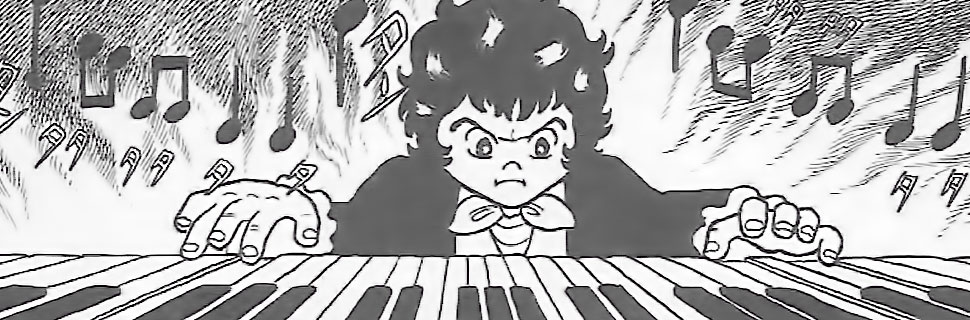
In the aftermath of its failed Kickstarter campaign to raise $380,000, DMP has announced a more modest project: the publication of Ludwig B., Osamu Tezuka’s two-volume biography of Ludwig van Beethoven. DMP seems to have listened to fans’ complaints about previous fundraising efforts, offering more low-cost options for supporting the project and getting paper copies of the books. Johanna Draper Carlson weighs in on the new campaign.

VIZ announced the acquisition of Yoshiaki Sukeno’s Twin Star Exorcists, which will join the Shonen Jump imprint in summer 2015, while Crunchyroll recently added Hoshino Taguchi’s Maga-Tsuki to its growing manga catalog.

Holy guacamole, Batman–Yuusuke Murata’s One-Punch Man has sold more than 4.5 million volumes since its 2012 debut!

Books-a-Million reports that third-quarter manga sales were strong, buoyed by consumer interest in Attack on Titan.

And speaking of Attack on Titan, the latest volume tops this week’s New York Times Manga Bestseller list, followed by new installments of Nisekoi: False Love, Bleach, and Fairy Tail.

Wondering what books arrive at the comic shop next week? The Manga Bookshelf gang sifts the wheat from the chaff.

Japanese tennis pro Kei Nishikori finished a strong year on the court with an awesome off-the-court surprise: a portrait drawn by Prince of Tennis author Takeshi Konomi.

How have your favorite manga characters’ appearances changed through the years? Brian Ashcraft offers side-by-side comparisons of Sgt. Frog, Shin-chan, and other popular characters from the 1980s and 1990s.

White Fox, a Marvel superhero created specifically for the Korean webtoon market, will make her Stateside debut with the Avengers. The character was inspired by the kumiho, a nine-tailed fox demon from Korean folklore.

News from Japan: Taishi Tsutsui will be penning an official Nisekoi spin-off for Shonen Jump+; the first chapter goes live on Monday. Also launching a new series is Kaiji Kawaguchi, author of Zipang, a time-traveling adventure set at the Battle of Midway. His new project, which will appear in Big Comic, will focus on a state-of-the-art Japanese aircraft carrier.

Reviews: Break out the ice pick and crampons–Shaenon Garrity’s latest House of 1000 Manga column examines Jiro Taniguchi’s mountaineering saga The Summit of the Gods. Here at MangaBlog, our colleagues MJ, Sean Gaffnery, Anna N., and Michelle Smith joined me and Brigid for a conversation about our favorite food manga.

Sakura Eries on vol. 6 of Are You Alice? (The Fandom Post)
Nic Wilcox on vols. 3-5 of Are You Alice? (No Flying No Tights)
Ken H. on vol. 4 of Brave 10 (Sequential Ink)
Lesley Aeschliman on vol. 6 of A Bride’s Story (Lesley’s Musings on Anime & Manga)
A Library Girl on vols. 9-10 of Chi’s Sweet Home (A Library Girl’s Familiar Diversions)
Leroy Douresseaux on vol. 4 of Gangsta (Comic Book Bin)
Kory Cerjak on vol. 1 of Honey Blood (The Fandom Post)
Megan R. on Joan (The Manga Test Drive)
Lesley Aeschliman on vol. 16 of Kamisama Kiss (Lesley’s Musings on Anime & Manga)
Megan R. on Ludwig II (The Manga Test Drive)
Lori Henderson on Manga Classics: Pride and Prejudice (Good Comics for Kids)
Guy Thomas on Opus (Panel Patter)

Filed Under: MANGABLOG

More from Masashi Kishimoto

November 20, 2014 by Katherine Dacey

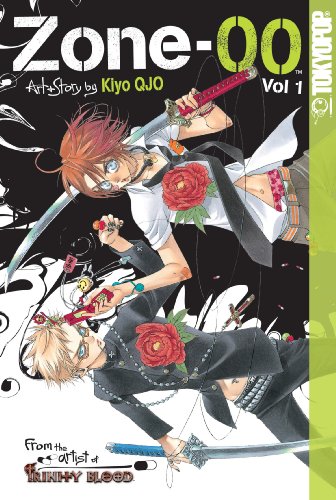
zone00Viz has picked up Zone-00, originally licensed by Tokyopop, as a digital release.

Naruto creator Masashi Kishimoto talks about his plans for the next few months, which include a Naruto spinoff that will launch in April, some other Naruto-related business, and spending some quality time with his wife and child. He will start working on a brand-new series in the summer, but he cautions fans that he is turning 40 and may not be up to the rigors of another monthly series.

Wondering what’s in the pipeline for next year? The Fandom Post shares VIZ’s April 2015 release list.

If you’re a Weekly Shonen Jump reader, you may have noticed that VIZ just added a new title to the mix, Takujo no Ageha: The Table Tennis of Ageha. In the coming weeks, VIZ will launch two more series: Ryohei Yamamoto’s E-ROBOT (11/24) and Nobuaki Enoki and Takeshi Obata’s Gakkyu Hotei: School Judgment (12/1).

The Manga Bookshelf gang strongly recommend the latest volume of Takehiko Inoue’s Real, which arrived in stores this week, and preview next week’s coming attractions.

The Q2 gallery in Los Angeles threw a party to commemorate the 30th anniversary of Dragon Ball‘s publication.

In her latest House of 1000 Manga column, Shaenon Garrity explores the GEN Manga catalog.

Good news: translator Jocelyne Allen is posting reviews again, focusing on offbeat, funny, and weird manga that haven’t yet crossed the Pacific. On her nightstand: Mahoshojo Ore, a series featuring magical girl men, and Yume Kara Sameta, a collection of short stories by Natsujikei Miyazaki.

News from Japan: Ken Akamatsu, Tetsuya Chiba, and Hideaki Anno were among the manga and anime insiders who were guests at the first meeting of the Japanese Parliamentary Association for manga, anime, and games, a.k.a. Manga Giren. The Association, which is mostly made up of councilors from the Liberal Democratic Party, will promote tax breaks for the industry and work toward relaunching the mothballed International Media Art General Center.

Rei Toma, author of Dawn of the Arcana, will be launching a new series in the February issue of Shogakukan’s Monthly Cheese! Also in the works: an anime adaptation of Rumiko Takahashi’s Rin-ne, which will debut in spring 2015.

Reviews: Remember Top Shelf’s AX anthology? One of the stand-out contributions, “Rainy Day Blouse and The Umbrella,” was by Akino Kondoh. Indie publisher Retrofit Comics has just published a new collection of her stories in English, with translations by manga scholar Ryan Holmberg. Alex Hoffman has a review at Sequential Slate.

Sean Gaffney on vol. 1 of Ani-Emo (A Case Suitable for Treatment)
Leroy Douresseaux on vol. 12 of Blue Exorcist (Comic Book Bin)
Lesley Aeschliman on vol. 23 of Full Metal Alchemist (Lesley’s Musings on Anime & Manga)
Sakura Eries on vol. 16 of Goong (The Fandom Post)
Megan R. on Lovers in the Night (Manga Test Drive)
Sean Gaffney on vols. 1-2 of Lucifer and the Biscuit Hammer (A Case Suitable for Treatment)
Lesley Aeschliman on vol. 24 of Naruto (Lesley’s Musings on Anime & Manga)
Nicholas Smith on Naruto (Ka Leo)
Ken H. on vols. 6-7 of No. 6 (Sequential Ink)
Mad Manga on Takujo no Ageha (Cartoon Geek Corner)
MJ on They Were Eleven (Manga Bookshelf)
Matthew Warner on vol. 00 of Ubel Blatt (The Fandom Post)

Filed Under: MANGABLOG Tagged With: GEN Manga, viz media, Weekly Shonen Jump

Review: Barakamon, Vol. 1

November 19, 2014 by Katherine Dacey

Yoshino_Barakamon_V1_TPBarakamon, Vol. 1
By Satsuki Yoshino
Rated T, for Teens
Yen Press, $15.00

Barakamon is a textbook fish-out-of-water story: an impatient city slicker finds himself in the country where life is slower, folks are simpler, and meaningful lessons abound. Its hero, Seishuu Handa, is a calligrapher whose fiery temper and skillful but unimaginative work have made him a pariah in Tokyo. His foils are the farmers and fishermen of Gotou, a small island on the southwestern tip of Japan that’s inhabited by an assortment of eccentrics, codgers, and naifs.

If this all sounds a little too familiar, it is; you’ve seen variations on this story at the multiplex, on television, and yes, in manga. (I think I liked it better when it was called Cold Comfort Farm, and starred Kate Beckinsale and Rufus Sewell.) Satsuki Yoshino does her best to infuse the story with enough humor and warmth to camouflage its shopworn elements, throwing in jokes about internet pornography, dead frogs, and bad report cards whenever the story teeters on the brink of sentimentality. The mandates of the genre, however, demand that Handa endure humiliations and have epiphanies with astonishing regularity—1.5 times per chapter, by my calculations.

From time to time, however, Yoshino finds fresh ways to show us Handa’s slow and fitful progress towards redemption. The first chapter provides an instructive example: Handa angrily dismisses his six-year-old neighbor Naru when she declares his calligraphy “just like teachers write.” After seeing Naru’s wounded expression, Handa chastises himself for lashing out at a kid. Handa never musters an apology to Naru, but makes restitution by joining her for a series of small adventures. The experience of swimming in the ocean, scrambling over a wall, and watching a sunset prove liberating, leading Handa to an explosive outburst of creativity punctuated by a few high-flying kicks. (Now that’s what I call action painting.) The results are messy, but the message is clear: Handa has the potential to be a genuine artist if he can connect with his playful side.

Like the story, the artwork is serviceable if not particularly distinctive. Yoshino creates enough variety in her character designs that the reader can easily distinguish one islander from another—an important asset in a story with many supporting players. Yoshino’s grasp of anatomy, however, is less assured. When viewed from the side, for example, Handa’s Tokyo nemesis has a cranium like a gorilla’s and a chest to match; when viewed from above, however, the Director appears small and wizened. Other characters suffer from similar bodily distortions that exaggerate their necks, arms, and torsos, especially when Yoshino attempts to draw them from an unusual vantage point.

Yoshino is more successful at creating a sense of place. Through a few simple but evocative images of the harbor and coastline, she firmly establishes the seaside location. She also uses architectural details to suggest how old the village is; though locals enjoy such modern conveniences as television, their homes look otherwise untouched by modernity. Yoshino is less successful in creating a sense of space, however. It’s unclear, for example, if Naru lives a stone’s throw from Handa’s house—hence her frequent intrusions—or if she lives a mile down the road.

The dialogue, too, plays an important role in establishing the setting. Faced with the difficult task of rendering the Gotou dialect, translators Krista and Karie Shipley chose a broad Southern accent for the local population. That decision neatly illustrates the cultural divide between Handa and his neighbors, but at the cost of nuance; a few jokes that hinge on vocabulary simply can’t be conveyed by this particular adaptation strategy. (The Shipleys’ translation notes are helpful in demystifying these exchanges.) Most of the punchlines, however, need no such editorial interventions to enjoy; certain elements of city slicker/country bumpkin humor transcend culture.

My verdict: Barakamon has enough charm and energy to engage the reader, even if the story isn’t executed with enough precision or subtlety to transcend the basic requirements of the fish-out-of-water genre.

Filed Under: MANGABLOG, REVIEWS Tagged With: Barakamon, yen press

Tatsumi on Film; Anno on Instagram

November 14, 2014 by Katherine Dacey

tatsumiGekiga pioneer Yoshihiro Tatsumi’s work is now accessible to viewers on the big screen, thanks to Singaporean director Eric Khoo. Khoo adapted such classic stories as “Hell,” “Goodbye,” and “Beloved Monkey,” interleaving them with vignettes from Tatsumi’s autobiography A Drifting Life. 

This just in: Moyocco Anno‘s new Instagram account is pretty awesome.

Marvel’s C.B. Cebulski shares a few more details about the Avengers/Attack on Titan crossover series. Over at TCJ, Joe McCulloch looks at an earlier Marvel/manga crossover, Kazuo Koike’s Wolverine one-shot.

Lori Henderson dishes the dirt on two new licenses: Aquarion-Evol and Flowers for Chronous, both of which will be published by One Peace Books.

The Manga Bookshelf gang share their picks for this week’s best new arrivals.

What kind of manga appeals to 9-to-12 year old readers? MJ weighs the pros and cons of three series that are frequently recommended for tweens.

News from Japan: The forthcoming Doraemon movie–Doraemon: Nobita no Space Heroes–will be adapted for the pages of Coro Coro; look for the first chapter in January 2015. Also arriving in theaters next year will be a big-screen treatment of Io Sakisaka’s Strobe Edge.

Reviews: Over at Anime News Network, Jason Thompson completes his 56-hour Naruto review marathon, tackling volumes 28-72. Closer to home, MJ sings the praises of an oldie but goodie: Setona Mizushiro’s Afterschool Nightmare.

Matthew Warner on vol. 13 of 07-Ghost (The Fandom Post)
Ash Brown on vol. 1 of Ajin: Demi-Human (Experiments in Manga)
Sean Gaffney on vol. 14 of Attack on Titan (A Case Suitable for Treatment)
Anna Call on vol. 1 of Deadman Wonderland (No Flying No Tights)
Ken H. on vols. 2-3 of Kimagure Orange Road (Sequential Ink)
Megan R. on Le Chevalier D’Eon (Manga Test Drive)
Rebecca Silverman on vols. 1-2 of Lucifer and the Biscuit Hammer (Anime News Network)
L.B. Bryant on vol. 5 of No Matter How I Look at It, It’s You Guys’ Fault I’m Not Popular (ICv2)
Richie Graham on vol. 1 of Ranma 1/2: 2-in-1 Edition (No Flying No Tights)
Sakura Eries on vol. 9 of Spice and Wolf (The Fandom Post)
Kate O’Neil on vol. 22 of Soul Eater (The Fandom Post)
Leroy Douresseaux on vol. 10 of Ultimo (Comic Book Bin)
Jenny Ertel on vols. 1-3 of What Did You Eat Yesterday? (No Flying No Tights)
Matthew Warner on vol. 1 of World Trigger (The Fandom Post)

Filed Under: MANGABLOG Tagged With: attack on titan, Marvel, Moyocco Anno, One Peace Books, Yoshihiro Tatsumi

Miyazaki Talks Manga; Ninja Overload

November 10, 2014 by Katherine Dacey

MiyazakiSamuraiTop

In an interview with the Los Angeles Times, legendary director Hayao Miyazaki discusses his current project: a manga about samurai warriors. Don’t hold your breath, however; Miyazaki told Variety that he doubts he’ll finish it. “I wanted to put a lot of  effort into it, ignoring costs, like a hobby,” he tells the magazine. “I thought I’d have free time, but I keep getting project offers.”

As Naruto draws to a close, Jason Thompson attempts the impossible: he’s reading the entire series in 48 hours, recording his impressions as he goes. The first installment is now live, and covers volumes 1-27.

Speaking of everyone’s favorite spiky-haired ninja, worldwide sales figures for Naruto have topped 200 million volumes. Though the lion’s share of books were sold in Japan, fans in 35 countries around the world have purchased a whopping 75 million volumes during the series’ fifteen-year run.

Masashi Kishimoto chats with The Asahi Shimbun about the phenomenal success of Naruto.

The latest installments of Attack on Titan and Black Butler top this week’s New York Times Manga Bestseller list.

Good news for anyone who missed Ode to Kirihito the first time around: Vertical Comics will be re-issuing ten classic Tezuka titles in ebook form.

In other licensing news, Seven Seas announced two more Alice in the Country of… manga, while VIZ added two new titles to its Shojo Beat line-up: Hiro Fujiwara’s Maid-Sama! (formerly published by Tokyopop) and Maki Minami’s Komomo Confiserie.

News from Japan: Io Sakisaka’s Blue Spring Ride is winding down, as is Yukinori Kitajima and Yuki Kodama’s detective series Hamatora.

Reviews: Alexander Hoffman reviews Monokuro Kinderbook, an oldie but goodie from the Fanfare/Ponet Mon catalog. Over at the Infinite Rainy Day, Jonathan Kaharl shares a list of his favorite horror manga, from xxxHolic to Franken Fran.

Nic Wilcox on vols. 1-4 of Alice in the Country of Jokers (No Flying No Tights)
Leroy Douresseaux on All You Need Is Kill (Comic Book Bin)
Alice Vernon on vol. 1 of Barakamon (Girls Read Comics)
Matthew Warner on vol. 4 of Bloody Cross (The Fandom Post)
Lesley Aeschliman on vol. 12 of Blue Exorcist (Lesley’s Musings on Anime & Manga)
Ken H. on vols. 40-41 of Fairy Tail (Sequential Ink)
Megan R. on Hetalia: Axis Powers (Manga Test Drive)
Kristin on vol. 1 of Kiss of the Rose Princess (Comic Attack)
Lesley Aeschliman on vol. 1 of Kiss of the Rose Princess (Lesley’s Musings on Anime & Manga)
Lesley Aeschliman on vol. 23 of Naruto (Lesley’s Musings on Anime & Manga)
Leroy Douresseaux on vol. 16 of Rin-ne (Comic Book Bin)
Khursten Santos on Sono Otoko Amatou nitsuki (Otaku Champloo)
Kate O’Neil on vol. 7 of Until Death Do Us Part (The Fandom Post)
Lesley Aeschliman on vol. 1 of Voice Over! Seiyu Academy (Lesley’s Musings on Anime & Manga)


Filed Under: MANGABLOG Tagged With: Hayao Miyazaki, naruto, Seven Seas, Vertical Comics, viz media

Naruto Goes Out with a Bang

November 2, 2014 by Katherine Dacey

Here’s the word on the final episode of Naruto, which is coming very, very soon: It will be two chapters long, with the second chapter in color, and it will be “astonishing.”

New Seven Seas title No Game, No Life tops this week’s New York Times Manga Bestseller list, followed by the latest volumes of Naruto and Food Wars.

The Manga Bookshelf gang take a gander at this week’s new manga arrivals.

How would you like to receive college credit for reading manga? That offer sounded appealing to hundreds of students at Taiwan’s National Cheng Chi University, who vied for one of 120 seats in Professor Cai Zeng Jia’s class “Japan Through Manga.” On the syllabus: Sanctuary, Dragon Zakura, and The Drops of God. 

Variety critic Peter Debruge shares his thoughts on Parasyte: Part 1, which recently debuted at the Tokyo Film Festival.

The Tezuka Museum is sponsoring a retrospective of manga-influenced drawings and paintings by Kiyoshiro Imawano, Japan’s “King of Rock.”

Weekly Shonen Jump editor Jean-Baptiste Akira Hattori’s advice for anyone wanting to break into the manga biz? Read widely, and don’t limit your interests to manga and anime.

Erica Friedman rounds up the latest yuri anime and manga news at Okazu.

MJ shares three of her favorite sequences from Heart of Thomas, Please Save My Earth, and xxxHolic.

In case you missed it: the ladies of Women Write About Comics list their five favorite feminist horror series. Two manga–Rumiko Takahashi’s Mermaid Saga and Kyoko Okazaki’s Helter Skelter–make the cut.

Time is running out for you to purchase a Humble Horror Book Bundle. Among the goodies you’ll receive are volumes 1-3 of Knights of Sidonia. Proceeds go to benefit one of our favorite causes: the Comic Book Legal Defense Fund.

News from Japan: Artist Lalko Kojima (Hoshikuzu Drop/Stardust Drop) has had to cancel an autograph session scheduled for the Animate Girls Festival due to a threat. Go Nagai’s new series, Devilman Saga, will launch on December 25 in Big Comic, while Ayumi Komura (Mixed Vegetables) will begin a new manga in January 2015 in Margaret. And speaking of foodie manga, Yuto Tsukuda and Shun Saeki’s Food Wars will be making the leap from page to screen in 2015.

Reviews: Shaenon Garrity takes a look at the horror and romance tropes in Midnight Secretary in her House of 1000 Manga column at ANN.

Joseph Medina on vol. 1 of Ajin (Joseph Medina)
Sean Gaffney on Alice in the Country of Diamonds: Bet on My Heart (A Case Suitable for Treatment)
Kristin on vol. 1 of All You Need Is Kill (Comic Attack)
L.B. Bryant on vol. 1 of Barakamon (ICv2)
Sakura Eries on vol. 1 of Barakamon (The Fandom Post)
Megan R. on Crimson Cross (Manga Test Drive)
Ken H. on vols. 1-2 of Doubt! (Sequential Ink)
Jared Nelson on vol. 11 of The Flowers of Evil (Ani-Gamers)
Erica Friedman on vol. 1 of Hayate x Blade 2 (Okazu)
Evan Minto on Helter Skelter: Fashion Unfriendly (Ani-Gamers)
Mad Manga on vol. 1 of Honey Blood (Cartoon Geek Corner)
Angela Sylvia on vol. 15 of Kamisama Kiss (The Fandom Post)
Leroy Douresseaux on vol. 1 of Kiss of the Rose Princess (Comic Book Bin)
Mad Manga on Legal Drug Omnibus (Cartoon Geek Corner)
Kate O’Neil on vol. 19 of The Melancholy of Haruhi Suzumiya (The Fandom Post)
Sarah on vol. 67 of Naruto and vol. 72 of One Piece (nagareboshi reviews)
Naru on No Longer Heroine (Organization Anti-Social Geniuses)
Matthew Warner on vol. 72 of One Piece (The Fandom Post)
Leroy Douresseaux on vol. 17 of Oresama Teacher (Comic Book Bin)
Megan R. on Petshop of Horrors (Manga Test Drive)
Rebecca Silverman on vols. 1-2 of Raqiya (Anime News Network)
Tony Yao on Ruroni Kenshin (Manga Therapy)
Matthew Warner on vol. 2 of Seraph of the End (The Fandom Post)
Rebecca Silverman on vol. 7 of Sherlock Bones (Anime News Network)
Ash Brown on Uzumaki: Spiral Into Horror (Experiments in Manga)
Laura on vol. 19 of Vampire Knight (Heart of Manga)
Sean Gaffney on vol. 19 of Vampire Knight (A Case Suitable for Treatment)
Matthew Warner on vol. 6 of Yu-Gi-Oh! 5DS  (The Fandom Post)

Filed Under: MANGABLOG

Margaret Turns 50; Alt-Manga Pioneers

October 27, 2014 by Katherine Dacey

news_large_margaret01To mark the fiftieth anniversary of Margaret and Bessatsu Margaret magazines, Shueisha helped organize an exhibit featuring its most popular series, from Riyoko Ikeda’s The Rose of Versailles to Io Sakisaka‘s Blue Spring Ride. Erica Friedman files a report from Tokyo.

Pour yourself a cup of coffee and block off an hour for manga scholar Ryan Holmberg’s essay on  the development of gekiga.

Over at the Hooded Utilitarian, Josselin Moneyron profiles Breakdown Press, a London-based company that specializes in alt-manga artists such as Sasaki Maki.

After DMP announced a Kickstarter campaign to fund six previously unlicensed manga by Osamu Tezuka, fans took to social media to voice concerns about the cost. DMP responded with a video explaining why this campaign was more ambitious than previous ones, but reaction was mixed. Alexander Hoffmann offers his own cost analysis.

Scholar Kathryn Hemmann examines the unconscious bias against female manga artists in Helen McCarthy’s A Brief History of Manga.

Tony Yao explores the connection between teen employment and the American manga market.

Aussie otaku take note: the University of Wollongong will be hosting Manga Futures: Institutional & Fan Approaches in Japan and Beyond, a three-day conference focusing on the current state of manga scholarship.

News from Japan: If you just can’t get enough Durarara!!, you’ll be pleased to hear that Sylph magazine will be launching a new spin-off series Durarara!! Relay in November. Also debuting next month: a new installment of Akiko Higashimura’s Princess Jellyfish, and a new Gakuen Heaven series penned by You Higuri.

Reviews: Jason Thompson embraces his inner guitar god with an in-depth essay on Detroit Metal City, while Seth Hahne reviews The Flowers of Evil.

Sakura Eries on vol. 6 of A Bride’s Story (The Fandom Post)
Anna N. on vols. 1-2 of The Clockwork Sky (Manga Report)
Kamen on The Flowers of Evil (trenchkamen)
James on vols. 1-10 of Ikigami: The Ultimate Limit (Kotaku)
Rebecca Silverman on In Clothes Called Fat (Anime News Network)
Mad Manga on vols. 2-8 of Knights of Sidonia (Cartoon Geek Corner)
Laura on vols. 1-7 of Midnight Secretary (Heart of Manga)
Khursten Santos on The Night Beyond the Tri-Cornered Window (Otaku Champloo)
Khrusten Santos on Nino no Mori (Otaku Champloo)
Sean Gaffney on vol. 1 of No Game, No Life (A Case Suitable for Treatment)
Danica Davidson on vol. 1 of Raqiya (Otaku USA)
Megan R. on vols. 1-6 of Reiko the Zombie Shop (Manga Test Drive)
Matthew Alexander on vol. 7 of Triage X (The Fandom Post)
Leroy Douresseaux on vol. 7 of Voice Over (Comic Book Bin)

Filed Under: MANGABLOG

Bookmarked! 10/22/14

October 22, 2014 by Katherine Dacey

A few weeks ago, we promised that we’d be introducing some new features to complement our regular link-posts. Today we’re launching the first of those columns, Bookmarked! Every Wednesday, Brigid and I will discuss what’s sitting on our nightstands, and invite someone from the mangasphere to join the conversation. Our first guest is Deb Aoki, who’s been a force in manga journalism for almost a decade. Deb was the editor of About Manga from 2007 to 2013, and is currently a contributor to Publisher’s Weekly. She also runs her own website Manga Comics Manga, which offers a mixture of reviews and commentary.

all_need_killKate: First up for me is Takeshi Obata’s adaptation of All You Need Is Kill. The premise is equal parts Ground Hog Day and Stormship Troopers: a soldier dies on the battlefield, only to relive the same day over and over again. Naturally, he takes advantage of this time-loop to learn more about his alien foes, honing his hand-to-tentacle combat skills with each ill-fated mission. Though it’s a boffo premise for a story, the execution–in manga form, at least–is mediocre. The combat scenes are rendered with gory zest, but the aliens themselves aren’t terribly frightening; if anything, they look like irradiated dust mites. The manga also suffers from a bad case of Explanation-itis, with too many text boxes filling gaps in the story. My verdict: skip the manga and read Hiroshi Sakurazawa’s original novel instead.

I’m also reading My Love Story!! a new-ish shojo title that’s been getting good buzz around the web. The key to its success, I think, is the artwork. Though most of the characters conform to shojo norms—button-cute faces, artfully tousled hair—Takeo, the hero, looks like a graduate of Cromartie High, a big bruiser with a gorilla’s face. His size and fearsome appearance are, of course, played for laughs, but artist Kazune Kawahara also plays against type, revealing Takeo’s gentler (and nimbler) side through brief but hilarious vignettes involving treed cats, imperiled children, and falling i-beams.

What I like best about My Love Story!!, however, is the friendship between Takeo and Sunakawa, his impossibly handsome, cool friend. Sunakawa finds Takeo’s social cluelessness exasperating, but remains staunchly loyal to his buddy. As someone who’s had her fill of cocky shonen characters, I found it refreshing to see Takeo discuss his anxieties to Sunakawa so openly; younger female readers may be pleasantly happy to discover that boys worry about their looks and “it” factor as much as girls do, even if it isn’t socially acceptable to admit such fears. And if that last sentence made you say, “Holy Phil Donahue, Batman!” rest assured that Takeo and Sunakawa’s exchanges are blunt and funny, not touchy-feely; Sunakawa never sugar-coats his advice to Takeo. (He’s a big proponent of the “She’s just not that into you” school of keepin’ it real.)

Yoshino_Barakamon_V1_TP

Brigid: Barakamon is the story of an up-and-coming calligrapher, Seishuu Handa, who retreats to a remote island after putting his career in jeopardy by getting physical with an expert who calls his work “highly conformist.” There’s a lot of city-slicker-goes-to-the-country humor, with the locals invariably getting the better of Seishuu—especially the children, who have turned his rented house into their own clubhouse and have no intention of letting it go. The chief miscreant is a very young girl named Naru who is cute and inquisitive but suffers from the irritating habit of referring to herself in the third person. Manga-ka Satsuki Yoshino has a weak sense of anatomy—the characters often look like a pile of clothes with no structure underneath, and the parts of the body are frequently out of proportion—but she also does a good job of evoking the open, rural area and the playfulness of the children. This is a charming book with broad humor and a nice sense of atmosphere.

My Love Story 2

Deb Aoki
My Love Story!! Vol. 2: Spring has sprung, and now that cute, sweet and petite Yamato and huge, big-hearted hulk Takeo are officially GF/BF, things are headed toward their happily ever after, right? Well, KINDA. Now Yamato wants to introduce her super cool boyfriend to her friends via a group date, and has a bit of a rude awakening when her friends are less than impressed with his uh, “gorilla-like” appearance. Will their love survive when friendship gets in the way?

My Love Story!! was one of my picks for best new manga at San Diego Comic-Con this year, and that was based on only one volume! Now that the second volume is out, the question is, can Kawahara (the creator of another fave shojo romantic comedy, High School Debut) and Aruko keep the ball rolling on what basically seems like a one-joke-wonder? Based on what I’ve seen in volume 2, it looks like they’re just getting started.

I don’t want to spoil the laughs, but there are several scenes in My Love Story!! vol. 2 that made me genuinely guffaw. Seeing Takeo wearing a skimpy apron as he works at a “Bro Café” and listening to his matter-of-fact interactions with his mom (who unsurprisingly, was a former pro wrestler) reminded me that this ensemble of quirky characters still has lots of comedy left to mine, I hope they keep it comin’.

What Did You Eat Yesterday? Vols. 4 & 5 : I was down with the whole concept of What Did You Eat Yesterday? almost as soon as Vertical announced that they licensed it for publication in English—but somehow, volumes 4 and 5 really sealed the deal for me.

Written and drawn by Fumi Yoshinaga (Ooku, Antique Bakery, Flower of Life, All My Darling Daughters, and more BL than you can shake a stick at), What Did You Eat Yesterday? seems at first like just a foodie-centric slice of life story about couple in Tokyo who just happen to be gay. Kenji is a hairdresser, who’s basically out, while Shiro the lawyer keeps his sexual preferences under wraps for professional reasons. What they have in common (besides their love for each other) is their shared love of good food. And not super fancy food either—Yoshinaga focuses on simple recipes that are inexpensive and relatively easy to make.

While the first few volumes set up the basic premise for the series and introduces us to the characters, volumes 4 and 5 make it very clear that being gay in Japan is not as simple as boys love manga would have you believe.

Kenji and Shiro deal with the everyday issues that remind them that their lives, while happily domestic, can be somewhat complicated. There are little moments that bring this point home to the reader, particularly as we observe Shiro’s discomfort as he’s forced to consider his relationship with Kenji and his relationship with his gay-ness. Shiro feeling self-conscious while they’re dining out with another gay couple or purposely standing apart while riding the subway together. Shiro enduring being cheerfully greeted with “Hey, it’s the gay guy!” by his well-meaning neighbors. Getting a request from a gay friend to help arrange the adoption of his long time partner, so his estranged family won’t automatically inherit his estate. Talking about wanting or not wanting kids, and how it’s not so easy when you’re gay in Japan. Turning down an offer to be on a TV show because it would be too difficult to maintain one’s privacy. After years of seeing fantasized M/M manga romances in BL/yaoi manga, it’s eye-opening to see the realities of gay life in Japan depicted in such a matter-of-fact way.

Mind you, there’s still a lot of witty, gentle humor in these books, so it’s not preachy or dreary. Yoshinaga is too skillful a storyteller and too funny to let things get too heavy-handed. I hope that there’s still more volumes of this manga planned for publication—but that may depend on more people getting turned on to its subtle, quirky charms. So go pick it up, why don’t you? I’d love to read volume 6 and beyond, and every additional reader who buys this manga will certainly help ensure that this will happen.

Manga Dogs 1

Manga Dogs, vol. 1: Kanna Tezuka is a high school girl with a secret: She’s a published professional manga artist, albeit one whose first series is near the bottom of the popularity rankings in her magazines—but hey, it’s still better than the three hunky but clueless schlubs who are her classmates in her manga art class.

The trio, Fumio Akatsuka, Fujio Fuji, and Shota Ishinomori have big dreams of manga superstardom, but very little actual talent. When the trio discover that they have a pro in their midst, they beg Kanna to be their manga mentor. Can she keep making manga, hit her deadlines and not go nuts listening to her classmates’ delusions of comics grandeur?

A quirky satire of manga making by the creator of I Am Here! and Missions of Love, Manga Dogs is kind of like the goofy younger sister of Bakuman. It definitely doesn’t take comics creation as a career as seriously as Tsugumi Ohba and Takeshi Obata’s manga about making manga, but come on, does it have to?

Manga Dogs has loads of manga in-jokes for hardcore fans (for example, Shota Ishinomori’s name is a play on “shota”, a word used to refer to underage boys and Shotaro Ishinomori, the legendary comics creator of Cyborg 009 and Kamen Rider), and enough general-purpose slapstick to make it a fun read. A very nerdy read with filled with excruciating mishaps for the heroine, and several pages of translation notes to clue readers into its many in-jokes, but fun anyway. Not for everyone, but for the manga obsessed, this new shojo comedy delivers lots of light-hearted. goofy fun.

Filed Under: MANGABLOG

  • « Go to Previous Page
  • Page 1
  • Interim pages omitted …
  • Page 46
  • Page 47
  • Page 48
  • Page 49
  • Page 50
  • Interim pages omitted …
  • Page 89
  • Go to Next Page »
 | Log in
Copyright © 2010 Manga Bookshelf | Powered by WordPress & the Genesis Framework