 UDON may have scored the biggest coup of SDCC 2015: at its Saturday panel, the publisher revealed that it had acquired the rights to Rose of Versailles. UDON will release Riyoko Ikeda’s ground-breaking shojo manga in a 2-in-1 omnibus format next spring.
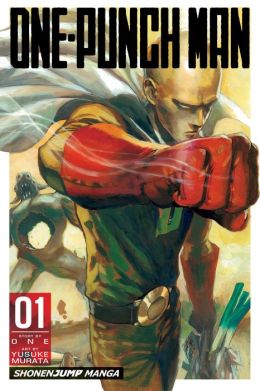
Shigeru Mizuki’s Showa 1939-1944 and Showa: A History of Japan, 1944-1953 clinched the Eisner Award for Best U.S. Edition of International Material–Asia, beating out All You Need Is Kill, In Clothes Called Fat, Master Keaton, One-Punch Man, and Wolf Children: Ame & Yuki.
At the Kodansha Comics panel, one new title was announced: Paradise Residence, an ongoing series by Oh! My Goddess creator Kosuke Fujishima. The Kodansha team also gave the audience a sneak peak at volumes 16 and 17 of Attack on Titan–both of which will include special extras–and hinted that they might have some additional licensing news at Otakon.
Dark Horse will publish a new omnibus edition of Hiroaki Samura’s Blade of the Immortal. No publication date has been set.
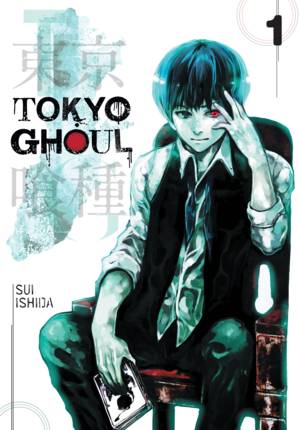
Sword Art Online: Progressive and Tokyo Ghoul lead this week’s New York Times Manga Best Seller list.
Erica Friedman posts the latest Yuri Network News update.
The new omnibus edition of Chi’s Sweet Home looks ridiculously cute. ‘Nuff said.
The Manga Bookshelf gang previews next week’s new arrivals. Over the Barnes & Noble Sci-Fi blog, Brigid Alverson highlights July’s best manga, from Twin Star Exorcists to Pandora in the Crimson Shell.
News from Japan: The last chapter of So Cute It Hurts! will appear in the August issue of Sho-Comi; eleven volumes have been released to date. Corpse Princess creator Yoshiichi Akahito just launched a new “battle fantasy manga” in Shonen Gangen magazine.
The Japan Times has a fascinating profile of manga-ka Machiko Satonaka, whose series Tenjo no Niji chronicles the life of the Empress Jiro (645-702 AD).
Reviews: Ash Brown jumps in the WABAC machine for a look at Sanpei Shirato’s The Legend of Kamui, which VIZ originally published in English in the 1990s.
ebooksgirl on vol. 10 of Attack on Titan (Geek Lit Etc.)
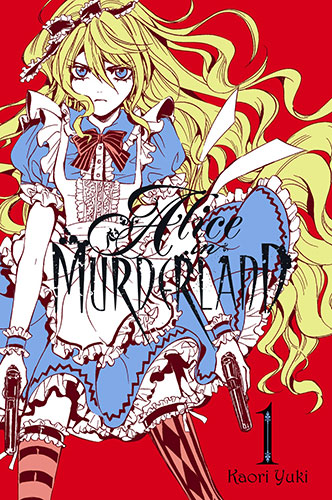
Connie on vol. 2 of Black Rose Alice (Slightly Biased Manga)
Lesley Aeschliman on vol. 64 of Bleach (WatchPlayRead)
Jocelyn Allen on Deathco (Brain vs. Book)
Leroy Douresseaux on vol. 1 of The Demon Prince of Momochi House (Comic Book Bin)
Svetlana Fedotov on Fragments of Horror (Fangoria)
Matthew Warner on Gyo (The Fandom Post)
Connie on vol. 1 of No. 6 (Slightly Biased Manga)
Connie on vol. 5 of Toradora! (Slightly Biased Manga)
Connie on vol. 1 of Whispered Words (Slightly Biased Manga)
TSOTE on The World of Mud Men (Three Steps Over Japan)
Lesley Aeschliman on vol. 6 of World Trigger (WatchPlayRead)
Ken H. on vol. 2 of xxxHolic Rei (Sequential Ink)