• Skip to primary navigation
  • Skip to main content
  • Skip to primary sidebar
  • Home
  • About Us
    • Privacy Policy
    • Comment Policy
    • Disclosures & Disclaimers
  • Resources
    • Links, Essays & Articles
    • Fandomology!
    • CLAMP Directory
    • BlogRoll
  • Features & Columns
    • 3 Things Thursday
    • Adventures in the Key of Shoujo
    • Bit & Blips (game reviews)
    • BL BOOKRACK
    • Bookshelf Briefs
    • Bringing the Drama
    • Comic Conversion
    • Fanservice Friday
    • Going Digital
    • It Came From the Sinosphere
    • License This!
    • Magazine no Mori
    • My Week in Manga
    • OFF THE SHELF
    • Not By Manga Alone
    • PICK OF THE WEEK
    • Subtitles & Sensibility
    • Weekly Shonen Jump Recaps
  • Manga Moveable Feast
    • MMF Full Archive
    • Yun Kouga
    • CLAMP
    • Shojo Beat
    • Osamu Tezuka
    • Sailor Moon
    • Fruits Basket
    • Takehiko Inoue
    • Wild Adapter
    • One Piece
    • After School Nightmare
    • Karakuri Odette
    • Paradise Kiss
    • The Color Trilogy
    • To Terra…
    • Sexy Voice & Robo
  • Browse by Author
    • Sean Gaffney
    • Anna Neatrour
    • Michelle Smith
    • Katherine Dacey
    • MJ
    • Brigid Alverson
    • Travis Anderson
    • Phillip Anthony
    • Derek Bown
    • Jaci Dahlvang
    • Angela Eastman
    • Erica Friedman
    • Sara K.
    • Megan Purdy
    • Emily Snodgrass
    • Nancy Thistlethwaite
    • Eva Volin
    • David Welsh
  • MB Blogs
    • A Case Suitable For Treatment
    • Experiments in Manga
    • MangaBlog
    • The Manga Critic
    • Manga Report
    • Soliloquy in Blue
    • Manga Curmudgeon (archive)

Manga Bookshelf

Discussion, Resources, Roundtables, & Reviews

Ash Brown

My Week in Manga: February 22-February 28, 2016

February 29, 2016 by Ash Brown

My News and Reviews

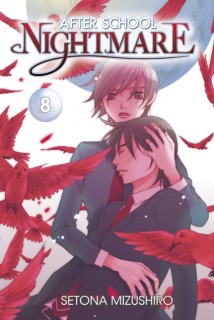
It’s the end of the month, so there were a couple of different things posted at Experiments in Manga last week, such as the launch of the most recent manga giveaway. The winner will be announced on Wednesday, but until then there’s still time to enter for a chance to win the first two volumes of Daisuke Ashihara’s World Trigger. The most recent review in my monthly horror manga review project was posted last week as well (technically it’s a week late). This month I took a look at After School Nightmare, Volume 8 by Setona Mizushiro. It’s a fairly momentous installment in the series, with several major developments and revelations.

Elsewhere online: Ryan Holmberg examines pro-nuclear manga of the seventies and eighties; Kodansha Comics has a two part interview with Hiroya Oku, the creator of Gantz and the more recent Inuyashiki; Justin of The Organization of Anti-Social Geniuses contacted Robert McGuire to determine the status of Gen Manga since the publisher has been rather quiet of late; finally, in an interesting move, Funimation has launched a Kickstarter for a newly dubbed blu-ray release of The Vision of Escaflowne; Anime News Network also interviewed some of Funimation’s staff members about the project.

Quick Takes
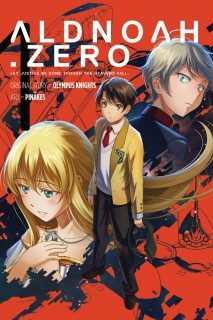
Aldnoah.Zero: Season One, Volume 1Aldnoah.Zero: Season One, Volumes 1-2 written by Olympus Knights and illustrated by Pinakes. I haven’t seen any of the original Aldnoah.Zero anime series, though I have been meaning to give at least a few episodes a try. The series mostly caught my attention for two reasons: the underlying story about interplanetary warfare between the humans on Earth and Mars (as I’ve mentioned in the past, I have particular interest in Mars), and the fact that Wandering Son‘s Takako Shimura was responsible for the character designs. Seeing as I generally have more opportunities to read manga than I do to watch anime, I figured I’d give the Aldnoah.Zero manga adaptation a try. Sadly, parts of the manga are somewhat difficult to understand if one isn’t familiar with the original. Pinakes makes heavy use of screentone, which obscures the artwork and action and gives the pages a cluttered feel. I do like the basic premise of the series, but the motivations behind the war, while cursorily explained, remain frustratingly unclear and many of the Martians come across as villainous caricatures rather than well-rounded characters.
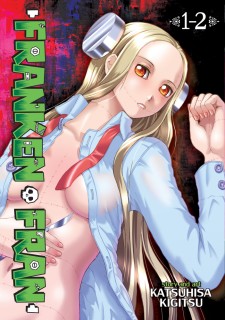
Franken Fran, Omnibus 1Franken Fran, Omnibus 1 (equivalent to Volumes 1-2) by Katsuhisa Kigitsu. I tend to enjoy horror manga and I had heard great things about Franken Fran, so I was very much looking forward to giving the series a try. The manga and its characters are delightfully quirky, in turns disturbingly cute and skin-crawlingly creepy. Fran is a charming young woman who, due to her nearly irrational reverence for life, is more or less an unintentional sadist. She, along with her cadre of assistants and monsters, saves lives through extreme surgeries and bizarre experiments often with gruesome results. Although there are recurring characters, the manga is generally episodic without much of a continuing story, but the chapters all have at least one deliberately shocking twist to them. Franken Fran, with its incredibly dark sense of humor, quickly and repeatedly swings from the surprisingly heartwarming to the magnificently grotesque and back. It’s definitely not a series for everyone, but I’ll certainly be picking up the rest of the manga.
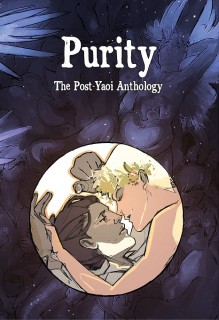
Purity: The "Post-Yaoi" AnthologyPurity: The “Post-Yaoi” Anthology edited by Anne Notation and A. E. Green. I was previously unfamiliar with most of the contributors to Purity; I learned about the anthology due to the participation of two creators whose work I currently follow—Kori Michele Handwerker and Starlock. (I was happy to discover that a comic by Alexis Cooke, one of Sparkler Monthly‘s creators, was also included.) Purity is a collection of forty-two homoerotic illustrations and short comics by forty-eight creators from around the world who have been influenced by yaoi manga. Although it’s clear that some of the artwork was originally in color, the anthology has been printed in grayscale. There’s a nice variety in the tone and style of the contributions in Purity; some are sweet while others are unapologetically smutty (and there’s nothing wrong with that). Genre-wise, the anthology tends towards the paranormal, fantastic, and futuristic, but there are contributions firmly based in reality, too. Although all of the stories stand on their own, a few do tie in with some of the creators’ existing works.
Filed Under: FEATURES, My Week in Manga Tagged With: Aldnoah.Zero, comics, Franken Fran, Katsuhisa Kigitsu, manga, Olympus Knights, Pinakes

After School Nightmare, Vol. 8

February 26, 2016 by Ash Brown

After School Nightmare, Volume 8Creator: Setona Mizushiro
U.S. publisher: Go! Comi
ISBN: 9781933617633
Released: August 2008
Original release: 2007

I first started reading Setona Mizushiro’s manga series After School Nightmare several years ago. I was specifically drawn to it due to the series’ exploration of gender and identity, but it was also those themes that caused me to hesitate to finish reading the work. After School Nightmare is fairly dark and heavy, in many ways hitting very close to home for me, and so I’ve only recently been able to bring myself to read beyond the first few volumes. After School Nightmare, Volume 8 was originally published in Japan in 2007. The English-language edition of the volume was released by Go! Comi in 2008. It, like the rest of the manga, is now out-of-print, but I had previously collected the series in its entirety based upon my impression of the early volumes alone. My initial feelings have so far carried through to the later volumes as well—I continue to find After School Nightmare to be oddly compelling, chilling, and disconcerting.

Mashiro has been living as a man for his entire life, but his gender identity has been something that he has always struggled with. Born with a body that was neither entirely male nor female, he’s constantly fighting the feelings of his own inadequacy and lingering self-doubt. Mashiro along with several other students have been participating in a special after school class which, through shared dreams, forces them to confront their most personal troubles and fears. Slowly things are changing. Mashiro has been able to begin to accept himself, realizing that the feminine side that he’s been trying to suppress is closer to his true self than the masculine persona he’s created. Along with his personal identity, Mashiro has also admitted to his romantic interest in Sou—another student dealing with a difficult past, traumatic secrets, and conflicted feelings—which only serves to complicate matters even further for the both of them.

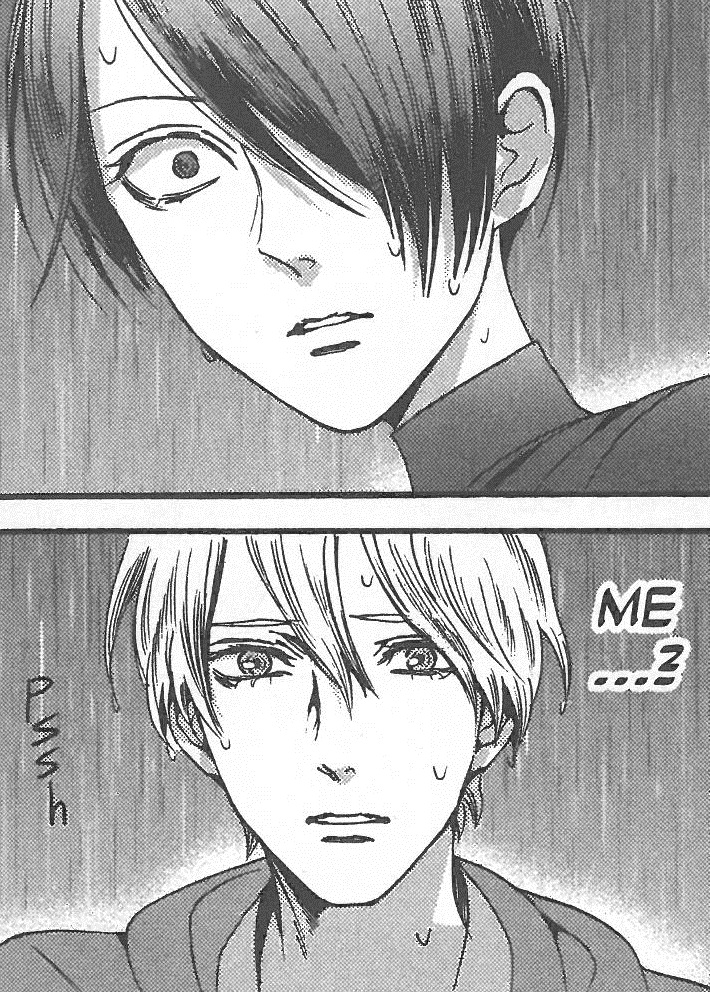
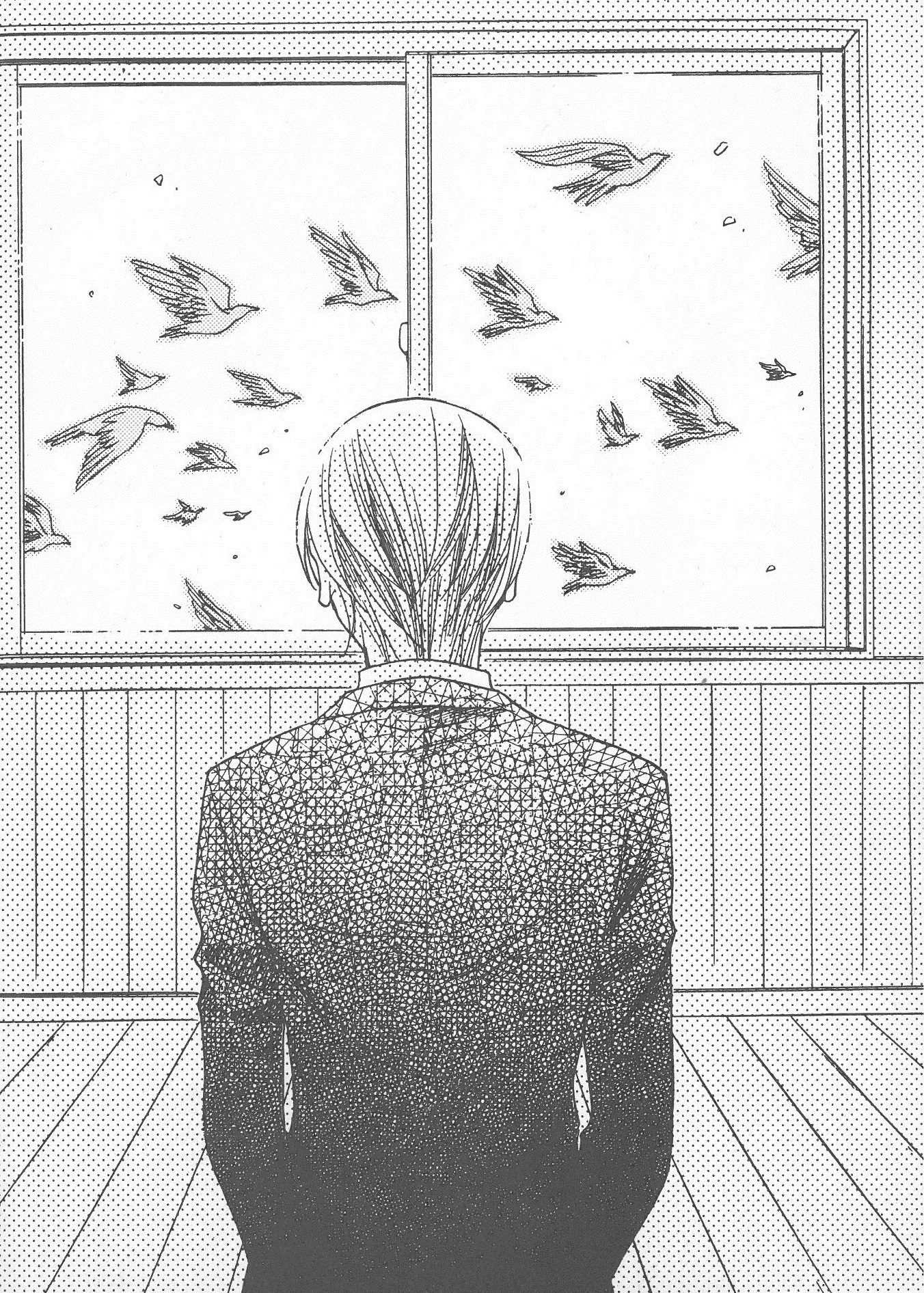
After School Nightmare, Volume 8, page 50The events, revelations, and realizations that occur in After School Nightmare, Volume 8 are momentous, not only for Mashiro but for many of the other characters as well. Intense feelings and emotions that have been churning under the surface, largely hidden from the view of others, finally erupt as Mashiro and several others reach their breaking points in a dramatic and chilling fashion. After struggling for so long trying to live up to the expectations set for themselves either personally, by their families, or by society at large, they can no longer contain their apprehension, anger, and distress. The masks that they publicly wear are beginning to disintegrate, for better and for worse. The eighth volume is a turning point in the development of many of the characters as they claim or reclaim their identities along with all of the good and bad that comes with recognizing and admitting to themselves and to others who they really are as people.

The psychological drama of After School Nightmare is tremendous and the subject matter that Mizushiro explores can be hard-hitting as the characters deal with a wide range of traumas. As slow as some of their personal growth has been, and as unlikeable as some of the characters can be at times, I am glad to see them coming to terms with themselves, what they’ve been through, and what they continue to experience. Mizushiro effectively conveys the turmoil of young adulthood and through the characters’ nightmares brings it to the forefront to the series. The nightmares are heavily symbolic, the emotional and metal states of the characters directly impacting and influencing the dreamscapes. The consequences of their behaviours both within the dreams and outside of them can be devastating. While the eighth volume of After School Nightmare grants some relief from the mounting tension, it also reveals just how long-lasting and damaging the effects of one person’s actions on another can be.

Filed Under: REVIEWS Tagged With: after school nightmare, Go! Comi, manga, Setona Mizushiro

Manga the Week of 3/2

February 25, 2016 by Sean Gaffney, Michelle Smith, Ash Brown, MJ and Anna N Leave a Comment

SEAN: Honestly, it’s a very light week for the first of the month, helped out by Viz’s big shoujo debut getting pushed back a couple weeks for some reason. But there’s still a lot left here. (Of note, for reasons unknown to me, Diamond is not shipping any Viz next week, so I am not getting any of this.)

MICHELLE: Huh. Maybe they wanted it to stand out from the pack?

newlone

SEAN: New Lone Wolf and Cub isn’t so new anymore now that it’s on its 8th volume from Dark Horse.

ASH: Heh.

SEAN: On the Seven Seas front, there’s an 8th volume of Science vs. Fantasy manga Devils and Realist.

And a 2nd omnibus of otaku favorite Mayo Chiki.

And now for the rest of Viz, which has not been delayed but is coming out as usual (except via Diamond). Starting with the 66th volume of Bleach, now 2/3 of the way to 100 volumes. (Please do not let Bleach hit 100 volumes.)

MJ: Lord, no.

SEAN: Bloody Mary has a 2nd volume, and continues to feature vampires.

MICHELLE: I didn’t love the first volume of this, but I’m not ready to give up on it yet, so I will be checking this out.

MJ: I will follow Michelle down this road.

ANNA: I liked it ok! It is a bit different from all the other vampire manga out there, which I found refreshing.

SEAN: Dragon Ball has still not run out of 3-in-1s with its 12th, but it may be close.

I was quite fond of the first volume of Idol Dreams, but I acknowledge that it has potential to be what I cheerily refer to as “problematic”, which tends to be a code word for “they’re only xx years old!”. Gender reversed in this case. In any case, Volume 2 is next week.

MICHELLE: This is another I didn’t love, but I’m totally going to read volume two.

MJ: I will probably read this.

ANNA: I liked it well enough despite the “problematic” aspect. I’m weirdly all in for all Tanemura manga.

roseprin9

SEAN: Final volume! Kiss of the Rose Princess wraps up with Volume 9.

MICHELLE: And this is why I keep reading sometimes underwhelming things, as I ended up kind of liking this after a while. Enough to keep going ’til the conclusion, anyway.

ANNA: I am a couple volumes behind but will get caught up!

SEAN: And Komomo Confiserie reaches its halfway mark with Vol. 3.

MJ: This has not landed for me, sadly.

ANNA: It isn’t as great as other shoujo manga, but I like the combo of food and wacky heroine.

One Piece has not remotely reached a final volume, but here’s a 15th 3-in-1 to tide you over.

There can never be enough PUNCHING! Thank goodness for a 5th volume of One-Punch Man.

ASH: Woohoo!

SEAN: Seraph of the End has an 8th volume, and also continues to feature vampires.

ANNA: It does! I enjoy all the angst and action scenes.

SEAN: Shuriken and Pleats is… delayed 3 weeks, not sure why. Moving on…

ANNA: Boo!

SEAN: Skip Beat! Yay! I miss the days when we gorged on new volumes all the time, but it just makes the wait for some nice sweet Corn all the more satisfying. (I’m so sorry.)

MICHELLE: IT HAS BEEN SIX WHOLE MONTHS!!!!

ANNA: HOW IS THAT POSSIBLE? IT IS INHUMANE!

SEAN: World Trigger is up to Vol. 9, which in Jump terms means that it can be called a definite success.

ASH: I’m behind in reading the series myself, but I do have a giveaway for the first two volumes going on right now.

SEAN: Lastly, what Viz manga list would not be complete without a Yu-Gi-Oh somewhere in it – this one the 8th volume of Zexal.

Manga is coming in like a lion next week! What are you getting?

Filed Under: FEATURES, manga the week of

Manga Giveaway: World Trigger Giveaway

February 24, 2016 by Ash Brown

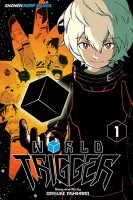
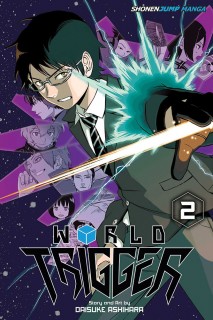
February’s a short month, so it’s already time for another manga giveaway at Experiments in Manga! For this giveaway, participants will have the chance to win not one, but two volumes of Daisuke Ashihara’s World Trigger as published in English by Viz Media. Why? Because it’s the second month of the year, or something. (Really, it’s mostly because I just felt like it.) Anyway, as always, the giveaway is open worldwide!

World Trigger, Volume 1World Trigger, Volume 2

Parallel worlds, dimensions, and universes provide interesting narrative opportunities for creators to explore. In some instances the worlds remain parallel and separate, allowing for multiple realities to exist simultaneously. But in some stories, like World Trigger, those separate realities end up crashing together. Either approach can be equally fascinating, though invasion scenarios like those found in World Trigger do perhaps lend themselves to more action-oriented tales.

So, you may be wondering, how can you win the first two volumes of World Trigger?

1) In the comments below, tell me a little about your favorite manga that makes use of parallel worlds. (If you don’t have one, or haven’t read one, simply mention that.)
2) If you’re on Twitter, you can earn a bonus entry by tweeting, or retweeting, about the contest. Make sure to include a link to this post and @PhoenixTerran (that’s me).

It’s as easy as that! Each participant has one week to submit comments and can earn up to two entries for this giveaway. Comments can also be emailed directly to me at phoenixterran(at)gmail(dot)com if preferred or if you have difficulty with the form. The comments will then be posted here in your name. The giveaway winner will be randomly selected and announced on March 2, 2016. Good luck!

VERY IMPORTANT: Include some way that I can contact you. This can be an e-mail address in the comment form, a link to your website, Twitter username, or whatever. If I can’t figure out how to get a hold of you and you win, I’ll just draw another name.

Contest winner announced–Manga Giveaway: World Trigger Giveaway Winner

Filed Under: FEATURES, Giveaways Tagged With: Daisuke Ashihara, manga, world trigger

Pick of the Week: Variety Bandbox

February 22, 2016 by Michelle Smith, Sean Gaffney, Ash Brown and Anna N Leave a Comment

boybeastMICHELLE: There is a lot of good stuff coming out next week, but for me it’s all about the kittehs. Bring on FukuFuku: Kitten Tales!

SEAN: I’m definitely up for some kittens this week as well. My pick this week is The Boy and the Beast, though, a book-and-manga combo from Yen that’s from the creator of Summer Wars and Wolf Children. I expect some coming of age heartwarming moments in bucketloads.

ASH: I definitely plan on picking up FukuFuku, but for my official pick this week I think I’m going to go with Dimension W. Admittedly, I don’t actually know much about the series, but I’ve enjoyed Iwahara’s work in the past, so I’m curious.

ANNA: Monthly Girls’ Nozaki-kun! Monthly Girls’ Nozaki-kun! Monthly Girls’ Nozaki-kun! Monthly Girls’ Nozaki-kun! If you can’t tell, I’m excited about Monthly Girls’ Nozaki-kun!!!!

Filed Under: PICK OF THE WEEK

My Week in Manga: February 15-February 21, 2016

February 22, 2016 by Ash Brown

My News and Reviews

Last week was another one-review week at Experiments in Manga, but I should hopefully be back to the normal swing of things again soon. (Though it does seem as though one review per week is the new normal… ) As for the review itself, I took a look at the first omnibus of Planetes, an excellent series about space exploration and development by Makoto Yukimura. I don’t tend to double-dip when it comes to manga (Planetes was originally released in English by Tokyopop), but Dark Horse has done such a nice job with the new edition that I couldn’t help myself. I really enjoy Planetes and am very glad to see it back in print.

In licensing news, Jay’s manga adaptation of the BBC’s television series Sherlock will be released in English by Titan. Elsewhere online, Kodansha Comics posted an interview with Hiro Mashima and Viz Media’s Shonen Jump posted an interview with Kohei Horikoshi. The OASG hosted an interesting light novel roundtable in which my Manga Bookshelf cohort Sean Gaffney participated. And the Toronto Comic Arts Festival announced its second wave of featured guests, which includes Shintaro Kago and Faith Erin Hicks among other great artists.

Quick Takes

Chiro: The Star Project, Volume 1Chiro: The Star Project, Volume 1 by HyeKyung Baek. I picked up Chiro mainly for two reasons. The first was that the manhwa is one of Netcomics most recent releases. (Technically, it could even be considered a license rescue; Udon Entertainment published a few volumes of the series back in the day, which I also counted in its favor.) The second reason was that at some point Chiro apparently begins to play with gender in interesting ways. Unfortunately, this doesn’t happen in the first volume and there is nothing else that does happen in the first volume that would convince me to read any further. No matter what directions the series might eventually take, I really did not like the beginning of Chiro at all. The lead is incredibly self-conceited and self-absorbed and her actions frequently make no logical sense whatsoever. The plot, too, seems to be lacking any real direction at this point and ends up being a mess of unfortunate cliches and tropes. At times I think Baek is intentionally attempting to be off-the-wall and absurd, but the humor and the series as a whole just isn’t working for me.

Food Wars!: Shokugeki no Soma, Volume 5Food Wars!: Shokugeki no Soma, Volumes 5-8 written by Yuto Tsukuda and illustrated by Shun Saeki. I tend to enjoy food manga, so it doesn’t really surprise me that I find Food Wars! to be entertaining. The fanservice is admittedly and purposefully ridiculous. People frequently lose their clothing not only figuratively but literally as their reactions to tasting exquisite food are nearly orgasmic. And there are plenty of delectable dishes to go around—these particular volumes bring to a conclusion the challenges of the school’s cooking camp and the beginning of the Fall Classic competition. One danger of a tournament-style manga like Food Wars! is the sheer number of characters that are introduced over the course of the series. Fortunately, Tsukuda and Saeki have so far managed to create a cast made up of characters who, while not necessarily being particularly nuanced or deep, are distinctive in their personalities and designs. Perhaps even more important is that they each have their own dramatic and over-the-top style of cooking. It’s especially interesting seeing the different approaches to cuisine pitted against one another.

Horimiya, Volume 1Horimiya, Volume 1 written by Hero, illustrated by Daisuke Hagiwara. Because I knew quite a few people who were very excited when Horimiya was first licensed I wanted to make a point to give the manga a try even though I didn’t really know much about it except for the fact that it was adapted from a webcomic. They were right to be excited—Horimiya is a delightfully sweet and charming series. The basic premise is similar to any number of other manga featuring a high school romance with quirky characters, but both the leads and Hagiwara’s execution of the story are so wonderful that I didn’t at all mind. At school, Hori presents herself as fashionable and upbeat, but she’s a bit frustrated with her family situation which requires her to be something of a homebody. Miyamura is a classmate whose reserved nature and social awkwardness hides the fact that he’s liberally tattooed and pierced. Neither of them are quite like the other expected but they fall into an easy and natural friendship with each other. I’m really looking forward to reading more of Horimiya. It’s cute, funny, and has a ton of heart.

Filed Under: FEATURES, My Week in Manga Tagged With: Chiro, Daisuke Hagiwara, food wars, Hero, Horimiya, Hyekyung Baek, manga, manhwa, Shun Saeki, Yuto Tsukuda

Planetes, Vol. 1

February 18, 2016 by Ash Brown

Planetes, Omnibus 1Creator: Makoto Yukimura
U.S. publisher: Dark Horse
ISBN: 9781616559212
Released: December 2015
Original release: 2001-2003
Awards: Seiun Award

Makoto Yukimura’s Planetes, a realistic, near-future science fiction manga series about space exploration and development, was originally released in English by Tokyopop. It’s a great series, and one that I’ve made a point to hold onto over the years. I was very pleased to learn that the manga was going to be brought back into print by Dark Horse—this time in a larger trim size, with more of the color pages, and with artwork that has been better reproduced. Dark Horse’s edition of Planetes consists of two omnibus volumes and it’s production quality makes it well-worth the upgrade. The first omnibus, released in 2015, contains the first and second volumes of the original Japanese edition as well as a small part of the third volume, which were published between 2001 and 2003. In 2002, Planetes earned Yukimura a Seiun Award for best manga. Planetes was also adapted into an anime which happens to be one of my favorite and most frequently rewatched series.

The year is 2074. Humankind has established numerous bases on the moon and has sent multiple expeditions to Mars. The next major goal in space exploration is to successfully man a mission to Jupiter in the hopes of harnessing the planet’s resources to support the ever-increasing energy needs of the solar system’s human populations. However, with the continued development of space comes a significant problem—the creation of vast amounts of waste. Junked and outdated satellites, exhausted fuel cells, and other debris orbit the Earth, endangering the lives of anyone who would attempt to leave the atmosphere. Hachimaki is a debris hauler, one of the unsung heroes who makes space travel possible. Along with the rest of the crew of the Toy Box, a decades-old ship that’s falling apart itself, Hachimaki either retrieves the debris drifting in space or drops it into the atmosphere to burn. It’s important and demanding work, not to mention dangerous, but the thankless job rarely receives any recognition.

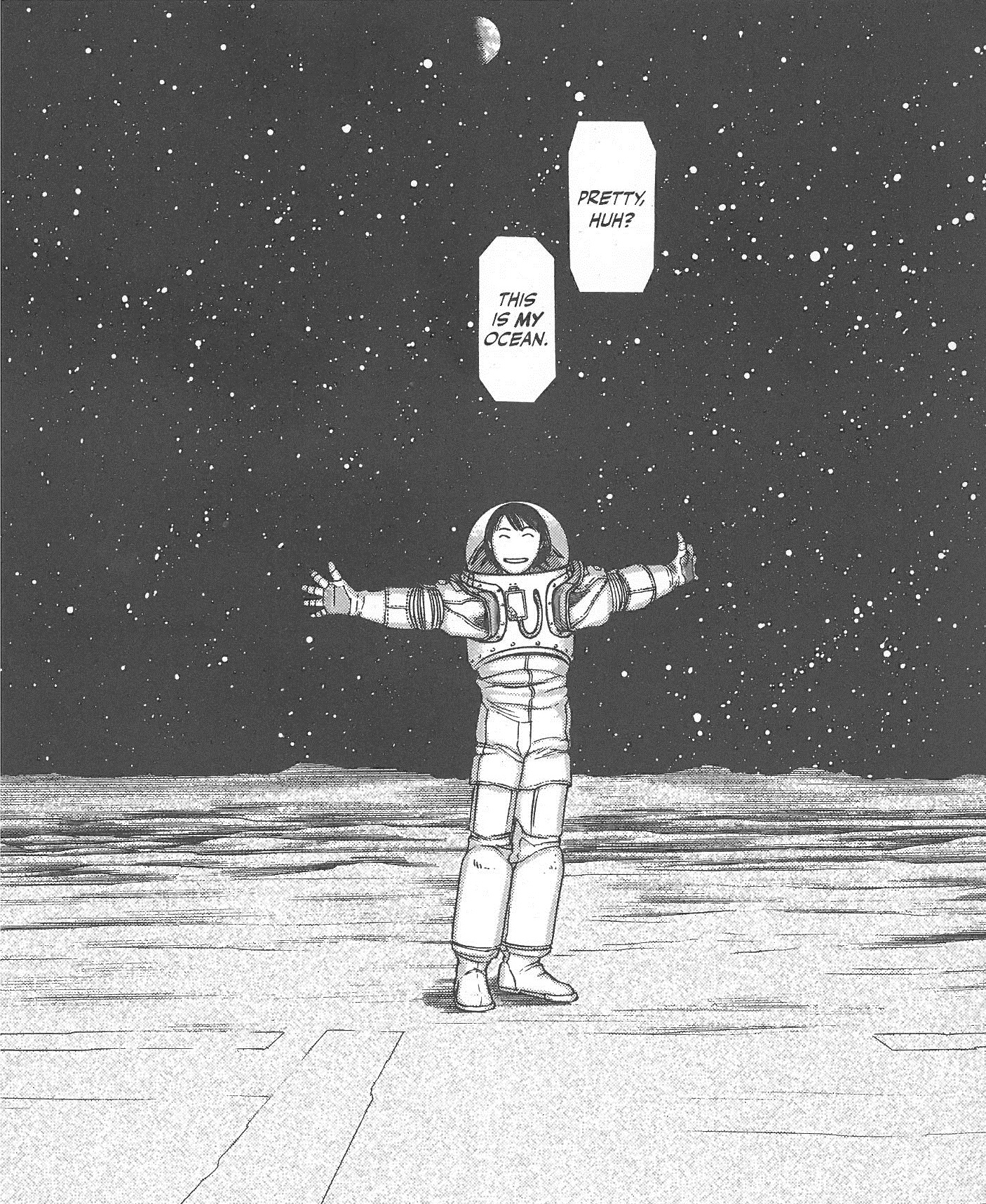
Planetes, Omnibus 1, page 93Planetes is a manga about many different things—scientific progress, socioeconomic tensions, geopolitical discourse, and so on—but more importantly it’s a series about many different kinds of people. It’s about the dreamers who are inspired and compelled to reach for the stars, the scientists and engineers who are focused on advancing technology above all else, the medical researchers who are developing treatments and cures for space-caused disorders, and the people for whom leaving Earth is simply a way of making a living. But it’s also about all of the loved ones the spacefarers leave behind, the families and friends who can do little but hope and wait for their safe return. While incorporating into the story all of the basic, mundane, and day-to-day requirements necessary for life in space, Planetes explores the complex human relationships that support and make that life possible.

Planetes spends a fair amount of time delving tin the psyches of its characters. This is most obvious with the manga’s treatment of Hachimaki, who goes through an extreme psychological crisis and transformation after a traumatic accident, but the other characters have their own struggles, too. Their evolving relationships with one another and their changing attitudes towards space are critical components of Planetes, lending an additional sense of realism to the series. Yukimura doesn’t just limit himself to the personal aspects of the characters’ lives in the series, he also addresses wider societal issues and concerns such as inequality, terrorism, and war. It takes a few chapters for Yukimura to fully settle into the tone and art style for the series, but from the very beginning Planetes is an excellent work of science fiction, balancing humor and pathos while maintaining a largely optimistic outlook on the future believably punctuated by some of the harsher realities of life.

Filed Under: REVIEWS Tagged With: Dark Horse, Makoto Yukimura, manga, Planetes, Seiun Award

Pick of the Week: Diametrically Opposed

February 15, 2016 by Sean Gaffney, Michelle Smith, Ash Brown, MJ and Anna N 1 Comment

frankenfran1SEAN: No surprises that my pick of the week is Franken Fran from Seven Seas. I’ve already reviewed the omnibus here. It’s absolutely not for everybody (in particular, warning for those who hate bugs and roaches), and Fran can be… impossible to empathize with, but if you like horror and really back comedy, it’s one of the better titles out there.

MICHELLE: I suppose my pick of the week is still the second and final volume of Crown of Thorns, but now I’ve read it and didn’t enjoy it as much as the first. Oh, well. I hope this paves the way for more digital Yoko Kamio! Cat Street, please!

ASH: I’m with Sean, this week. By far the manga release I’m most interested in is the first Franken Fran omnibus. The word of mouth for this series has been huge in my circles, so I’m looking forward to reading it myself.

MJ: This is a pretty sparse week for me, but I admit I’ve been won over by my colleagues’ interest in Franken Fran. Count me in for some horror and black comedy! I’ll try to survive the bug aspect. *shudder*

ANNA: I haven’t read Crown of Thorns, so I haven’t been disappointed yet, and that appeals to me much more than Franken Fran, so that is my pick!

Filed Under: PICK OF THE WEEK

My Week in Manga: February 8-February 14, 2016

February 15, 2016 by Ash Brown

My News and Reviews

Life has gotten to be rather hectic again for me, though hopefully things should settle back down soon. In the meantime, I’ve returned to a reduced posting schedule for a little bit. Last week I only posted one in-depth review, but it was for the most recent installment in one of my favorite series currently being released—Aya Kanno’s Requiem of the Rose King. In this volume a tenuous peace has been established while the story moves away from the battlefield to delve into the dangerous political intrigue of the court.

Elsewhere online, The Organization of Anti-Social Geniuses (which has moved, by the way), posted a short interview with Casey Brienza, the author of the recently released Manga in America (which I hope to review in the not too distant future). The wonderful folks behind MASSIVE have launched a Kickstarter campaign to help fund The Queer Japan Project documentary, which should be phenomenal. In manga news, Kodansha Comics has announced that its release of the final volume of My Little Monster will include an additional sixty pages of content. Over the weekend, Vertical announced the addition of a few more titles: the Bakemonogatari novels by Nisioisin, the manga Immortal Hounds by Ryo Yasohachi, the master edition of Tsutomu Nihei’s manga Blame!, and (the one I’m most excited about) the josei horror manga Dissolving Classroom by Junji Ito. Not to be left out, Seven Seas snuck in a license announcement on Sunday as well—Nakatani Nio’s yuri manga Bloom Into You.

Quick Takes

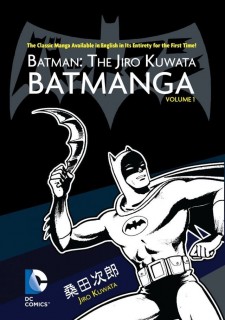
Batmanga, Volume 1Batmanga, Volume 1 by Jiro Kuwata. Back in the 1960s, Kuwata was commissioned to create a manga series featuring the iconic American masked vigilante Batman specifically tailored for a Japanese audience. This series was nearly forgotten in the United States but was rediscovered and introduced in translation relatively recently. DC Comics is now releasing the entire series in English. Although I do enjoy Batman and grew up with the franchise, I don’t really consider myself to be a huge fan or aficionado. But I was very interested in the publication history of Batmanga, and it’s not very often that an older manga is licensed. Kuwata’s Batmanga is understandably most reminiscent of the 1960s television series starring Adam West than any of Batman‘s more recent incarnations (the sixties apparently saw a Batman craze in Japan). The manga is a lot of fun with plenty of ridiculous action, camp, and wordplay. I believe that all the villains are unique to the manga, their origin stories often having something to do with devious scientific innovations or experiments gone awry.

False Memories, Volume 1False Memories, Volumes 1-2 by Isaku Natsume. A few of Natsume’s boys’ love manga have been released digitally, but I believe False Memories is only the second one to be released in print. It’s been a while since I’ve read any of Natsume’s manga, so I was surprised by how charming and touching False Memories ended up being. Nakano and Tsuda drifted apart soon after they slept together in high school. Ten years have passed since their graduation, but they suddenly find themselves assigned to work together on the same project by their respective companies. The misunderstandings surrounding their high school days continue to prove problematic, though. The two men will at least need to pretend to be friendly, but old feelings can be difficult to ignore. I enjoyed False Memories more than I expected I would, largely because I found the characters to be so likeable and relatable. Nakano’s insecurities are understandable, having unintentionally been hurt by Tsuda in the past. As for Tsuda, he’s a well-meaning goofball. The two of them do honestly care for each other, it just takes them a little while to figure that out.

Firefighter! Daigo of Fire Company M, Volume 1Firefighter! Daigo of Fire Company M, Volume 1 by Masahito Soda. I recently happened across the first volume of Firefighter! and so picked it up. It’s been out-of-print for some time now, but the entire series is now available digitally from Viz Media. When Daigo Asahina was a child, he almost died in a fire but was rescued by a heroic local firefighter. Ever since then, it has been his dream to become a firefighter himself. Fresh out of training he’s eager to prove himself, only the station that he’s been assigned to deals with very few major fires. While this would normally be considered to be a good thing, for Daigo it’s frustrating, especially when his rival at another company has already seen plenty of action. Despite the seemingly relaxed atmosphere of Company M, Firefighter! quickly ramps up the excitement. Only one volume in and Daigo’s had to rescue a cat, help prevent a potential gas explosion, fight multiple fires, and face the fact that he’s not nearly as well-prepared as he thought he was. The veterans of Company M know their stuff, though, and are very good at what they do.

Filed Under: FEATURES, My Week in Manga Tagged With: Batmanga, False Memories, Firefighter, Isaku Natsume, Jiro Kuwata, manga, Masahito Soda

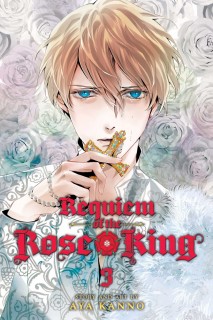
Requiem of the Rose King, Vol. 3

February 11, 2016 by Ash Brown

Requiem of the Rose King, Volume 3Creator: Aya Kanno
U.S. publisher: Viz Media
ISBN: 9781421582597
Released: January 2016
Original release: 2015

Aya Kanno’s manga series Requiem of the Rose King has quickly become one of the releases that I most look forward to from one volume to the next. I’m not particularly surprised by this, though—I’ve enjoyed many of Kanno’s past works, and she has proven to be quite versatile when it comes to genre and style. In the case of Requiem of the Rose King, Kanno has taken direct inspiration from the historical plays of William Shakespeare, more specifically the Wars of the Roses cycle consisting of Henry VI and Richard III. Even if Kanno hadn’t been involved with the manga, this would have been more than enough to catch my attention. But Kanno is involved and she brings her own touches to the story, giving it a dark fantasy-tinged atmosphere in addition to exploring gender and identity in an interesting and engaging way. With all of that and more, I have been completely taken with Requiem of the Rose King, and so was glad when the third volume of the series, originally released in Japan in 2015, was published in English by Viz Media in 2016.

The battle has been won and the House of York reigns victorious, but the struggle for the English crown continues; the war is far from being over. The deposed King Henry seems content to wander the countryside, the weight of rulership lifted from his shoulders, but the rest of the Lancasters are plotting to return their family to power and reclaim the throne. The hold that the newly established King Edward has on the England is in more peril than he realizes. In addition to the threat that the Lancasters pose, there are others among the nobility who are againt the House of York’s usurption of the throne. The widowed Elizabeth Woodville is prepared to take advantage of Edward’s womanizing ways in order to bring about his and his family’s downfall; besotted with Elizabeth, he puts his own desires before the security of the kingdom, risking the loss of the support of France. His younger brother Richard is one of the few people to recognize the danger, but Richard isn’t yet in a position to avert the potentially calamitous outcome.

Requiem of the Rose King, Volume 3, page 68I continue to be fascinated by Kanno’s interpretation of Richard, a young man who has been irrevocably harmed by the the rejection and hatred of his mother who sees him and his body as imperfect and demonic. He has a difficult time connecting with people because of the anxiety surrounding his self-identity, an issue made even worse by the recent death of his father on the battlefield. Henry is a perfect foil for Richard and is in many ways his opposite, which throws Richard’s perception of himself and of the world into confusion. Richard has resigned himself to loneliness and darkness, even while Henry seeks his company. The two men spend a fair amount of time together in Requiem of the Rose King, Volume 3, neither of them knowing who the other truly is and that their families are enemies. Much as Edward and Elizabeth’s relationship may doom the kingdom, Richard and Henry’s awkward friendship can only result in tragedy with far-reaching consequences.

Personal strife is mixed with political turmoil in Requiem of the Rose King, each feeding into the other as events unfold. With multiple people expressing interest in obtaining the crown, whether in jest or in all seriousness, the social structures and relationships among the English nobility have become extraordinarily precarious during a time of tenuous peace. This underlying chaos is also reflected in how Kanno approaches the story of Requiem of the Rose King. Many times several scenes overlap with one another, tied together thematically rather than chronologically. Pasts, presents, and possible futures all intertwine and are simultaneous revealed. This can be somewhat disconcerting at first and at times challenging to follow, but I do like the overall effect and drama that it brings to the series, emphasizing the individual characters’ experiences as memories, reality, and visions merge together. Requiem of the Rose King has an almost dreamlike quality to it and I find that I fall more deeply under its thrall with each passing volume.

Filed Under: REVIEWS Tagged With: Aya Kanno, manga, requiem of the rose king, viz media

Manga the Week of 2/17

February 11, 2016 by Sean Gaffney, Ash Brown, MJ, Michelle Smith and Anna N Leave a Comment

SEAN: There’s one title I’m really excited about next week, but there are several other books of interest. Let’s go through them, starting, as ever, with Dark Horse. (If a manga company started beginning with A-C, they’d clean up.)

fatezero1

Fate/Zero is a prequel to the insanely popular visual novel franchise Fate/Stay Night, taking place 20 years prior. It still has Saber (Arturia version) in it, though, no worries.

If you missed it the first time, there’s a 3rd Kurosagi Corpse Delivery Service omnibus, with Vol. 7-9.

ASH: Still a great series; glad that Dark Horse found a way to keep it in print!

SEAN: Vampire Hunter D has reached its 23rd novel. I think Dark Horse put out the first one in 1922 or something like that.

ASH: Ha! Indeed, something like that.

SEAN: One Peace has a 3rd volume of the light novel Rise of the Shield Hero.

Seven Seas gives a 9th Dragonar Academy, which continues to attempt to titillate its core audience, and while I am not remotely that, I hear it does a good job.

It may surprise some to see me getting so excited about a “monster girl” series, particularly given my ambivalent attitude towards their recent popularity. But Franken Fran is not just any monster girl series . Fans have been waiting for its blend of grotesque horror and pitch-black humor to be licensed for years, and Seven Seas now obliges us with 4 big omnibuses, of which this is the first. Get this, folks (well, over-18 folks).

MJ: Well, you’ve sold me! :D

ASH: This is the series I’m most intensely curious about this week.

SEAN: I missed another one last week: there’s a 2nd digital-only volume of Crown of Thorns, by the Hana Yori Dango author.

MICHELLE: I’m not sure Franken Fran is for me, but I’m definitely excited about more Crown of Thorns!

ANNA: ACK! I forgot to get the first volume of Crown of Thorns! Oh well, it is an excellent excuse to binge-read!

SEAN: Tokyo Ghoul’s 5th volume, out next week via Viz, will sell more copies than all the other titles in this list combined.

ASH: I’ve fallen behind on the series, but I’m happy to see it doing so well for Viz.

SEAN: And there’s a 3rd Ultraman, also from Viz, which I really should know more about than I do.

Go get Franken Fran. What else will you get?

Filed Under: FEATURES, manga the week of

Pick of the Week: Some Shonen Sunday

February 9, 2016 by Michelle Smith, Sean Gaffney, Ash Brown and Anna N Leave a Comment

magi16MICHELLE: As predicted, my pick of the week is super easy this time. Magi all the way!

SEAN: I love Magi to bits, but it’s time for my twice-yearly pick of Hayate the Combat Butler, still my go-to manga for silly humor and unresolvable harems.

ASH: The manga release that I’m probably the most interested in this week is Giganto Maxia. As a fan or Berserk I feel like I should give it a try, even if some of Miura’s other works haven’t really done much for me.

ANNA: Magi for me too! Magi forever!

Filed Under: PICK OF THE WEEK

My Week in Manga: February 1-February 7, 2016

February 8, 2016 by Ash Brown

My News and Reviews

I posted a few different things at Experiments in Manga last week. For starters, the Love at Fourteen Giveaway Winner was announced. The post also includes a list of some of the manga available in English which feature a bit of romance. Last week I also reviewed Tokyo Decadence: 15 Stories by Ryu Murakami which in some ways is about love, or at least lust. Due to be published later this year, the collection is engaging but definitely not for everyone as some of the stories are quite disturbing. Over the weekend January’s Bookshelf Overload was posted for those of you curious about what made it onto my shelves last month. I also had a taiko gig over the weekend that took up a fair amount of time. As a result of that and other some other life stress, I’ve fallen a bit behind on my writing (just when I thought I’d finally gotten ahead!), so there’ll likely only be one review coming this week instead of the two that were originally planned.

Quick Takes

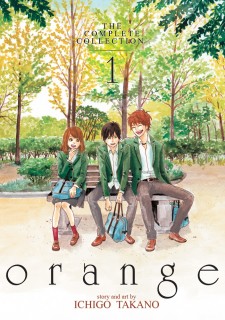
Orange, Omnibus 1Orange, Omnibus 1 by Ichigo Takano. I had heard very good things about Orange and so was greatly looking forward to reading the manga, but I honestly didn’t anticipate that the series might become one of my favorite releases of the year. (It all depends on exactly how the story plays out in the second and final omnibus.) Orange sensitively deals with some fairly heavy subject matter, including suicide and crippling regret, but at the same time the manga also has a lighter sweetness to it. The manga is both heartwrenching and heartwarming, a melancholic story about close relationships and human connection. Admittedly, Naho is incredibly dense when it comes to recognizing other people’s feelings for her, even when they basically come right out and tell her, which can be a bit exasperating. But overall, the feelings and emotions in Orange ring true, especially as the series progresses and it’s revealed just why everyone is behaving in the ways that they are. I can see Orange ending either in tragedy or in happiness and I’m very curious to see which it will be.

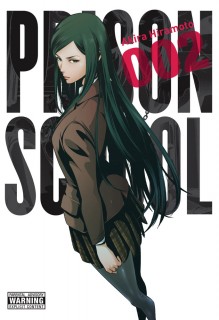
Prison School, Omnibus 2Prison School, Omnibus 2 by Akira Hiramoto. The first omnibus of Prison School established the manga as a series that is simultaneously appalling and strangely engaging. This of course assumes that readers aren’t immediately offended by its highly sexualized and incredibly vulgar nature to begin with. Prison School is definitely not a series for everyone even if, surprisingly, it has its sweet moments. The second omnibus very much continues in the same vein, so the initial shock caused by the manga’s obscenity, over-the-top fanservice, and ridiculous premise has diminished some. Even so, Prison School is a page-turner. The series has been building up to Kiyoshi’s escape attempt, resulting in a situation that gets progressively worse as time goes by. Seeing just how bad things can possibly get (which is pretty bad) is one of Prison School‘s major draws. That and Hiramoto’s impressive skills as an artist. The manga’s content will certainly not be to everyone’s taste, but it’s hard to deny Hiramoto’s talent.

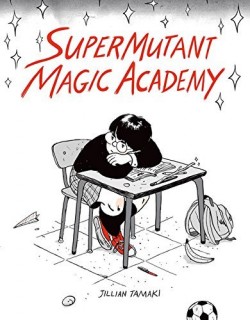
SuperMutant Magic AcademySuperMutant Magic Academy by Jillian Tamaki. Originally a webcomic, the best of SuperMutant Magic Academy has now been collected into a single volume along with newly-created content. I hadn’t actually read any of the comic while it was being released online, but I was obviously missing out—SuperMutant Magic Academy is great stuff. The comic takes place in a high school where students study magic and learn to control their superpowers (sort of an odd mix between Harry Potter and X-Men that bizarrely works), all while dealing with the more normal sorts of teenage angst and anxiety. Except for the series’ lengthy finale, created specifically for the collected volume, most of SuperMutant Magic Academy consists of single-page, and in some cases single-panel, gag comics.There’s no real overarching plot, but there are recurring characters and running jokes. Some of the social commentary can be fairly biting, but SuperMutant Magic Academy is very funny, frequently absurd, and wholly enjoyable.

Filed Under: FEATURES, My Week in Manga Tagged With: Akira Hiramoto, comics, Ichigo Takano, Jillian Tamaki, manga, Orange, Prison School

Bookshelf Overload: January 2016

February 7, 2016 by Ash Brown

Another month has passed and my manga collection continues to grow and evolve. The nice thing about December and January is that I usually end up with at least a few gift cards (and gifts), so I can splurge a bit even though I’m actively reducing the number of manga and books I’m buying at the moment. There are a few things that I definitely didn’t want to miss out on though, such as  Requiem of the Rose King, Volume 3 by Aya Kanno (review to come soon!) and Orange, Omnibus 1 by Ichigo Takano, which at the moment is a strong candidate for becoming one of my favorite series of the year. Also released in January, though I’m not sure when I’ll be able to actually get around to reading it, was Casey Brienza’s Manga in America: Transnational Book Publishing and the Domestication of Japanese Comics, one of the very few works about the North American manga industry. I also managed to snag an early copy of Tokyo Decadence, a “best of” collection of short stories by Ryu Murakami due to be released in March. (I recently posted my review of the volume which, though engaging, definitely won’t be to everyone’s taste.) Also arriving in January, though technically I believe it was released in December, was one of Chromatic Press’ most recent paperbacks, KaiJu’s delightful Mahou Josei Chimaka . (Unsurprisingly, I reviewed that one, too!)

Manga!
Aldnoah.Zero: Season One, Volume 1 by Olympus Knights
Brave Dan by Osamu Tezuka
Clockwork Apple by Osamu Tezuka
Even So, I Will Love You Tenderly by Kou Yoneda
A Girl on the Shore by Inio Asano
Kamisama Kiss, Volumes 2-4 by Julietta Suzuki
Kaze Hikaru, Volumes 8-11 by Taeko Watanabe
My Love Story!!, Volume 7 written by Kazune Kawahara, illustrated by Aruko
Natsume’s Book of Friends, Volumes 4-8 by Yuki Midorikawa
Of the Red, the Light, and the Ayakashi, Volume 1 written by HaccaWorks*, illustrated by Nanao
Orange, Omnibus 1 by Ichigo Takano
Requiem of the Rose King, Volume 3 by Aya Kanno
The Tyrant Falls In Love, Volume 9 by Hinako Takanaga

Comics!
Bug Boys, Volume 1: Welcome to Bug Village by Laura Knetzger
Mahou Josei Chimaka by KaiJu
Shades After by T. A. Kimpton
The Tipping Point edited by Various

Novels!
A Little Life by Hanya Yanagihara

Anthologies!
Biogenesis by Tatsuaki Ishiguro
Tokyo Decadence: 15 Stories by Ryu Murakami

Nonfiction!
Manga in America by Casey Brienza
Sake Confidential by John Gauntner

Anime!
Ouran High School Host Club directed by Takuya Igarashi

Filed Under: Bookshelf Overload, UNSHELVED

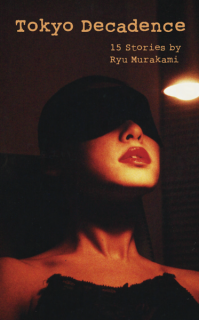
Tokyo Decadence: 15 Stories

February 5, 2016 by Ash Brown

Tokyo Decadence: 15 StoriesAuthor: Ryu Murakami
Translator: Ralph McCarthy
U.S. publisher: Kurodahan Press
ISBN: 9784902075786
Released: March 2016
Original release: 1986-2003

Ryu Murakami is a fairly prolific and multi-talented creator. In addition to being an author, he is also a filmmaker and has been involved in the music industry as well. Several of Murakami’s novels have been translated into English, many of them by Ralph McCarthy, including Audition and Popular Hits of the Showa Era which were my introduction to Murakami’s work. McCarthy is also responsible for compiling and translating Tokyo Decadence: 15 Stories, a sort of best-of collection bringing together fifteen of Murakami’s short stories originally published in Japan between 1986 and 2003. Nine of the stories had previously been translated and released in a variety of different periodicals, but the translations have been revised for their inclusion in Tokyo Decadence. The remaining six are being published in English for the first time. Published by Kurodahan Press in 2016, I was fortunate enough to be selected to receive an advanced copy through LibraryThing’s Early Reviewers program.

The fifteen stories included in Tokyo Decadence are selected from five of Murakami’s short story collections and are presented chronologically. “Whenever I Sit At a Bar Drinking Like This,” “I Am a Novelist,” “It All Started Just About a Year and a Half Ago,” and “Each Time I read Your Confession” are from Run, Takahashi! and are all at least tangentially related to the baseball player Takahashi Yoshihiko. (It was this collection that seems to have ignited McCarthy’s passion for Murakami’s work.) The stories from Topaz—”Topaz,” “Lullaby,” and “Penlight”—are about call girls while the stories from Ryumiko’s Cinematheque—”The Last Picture Show,” “The Wild Animals” and “La Dolce Vita”—would appear to be at least semi-autobiographical. “Swans,” “Historia de un Amor.” “Se Fué,” and “All of Me” are taken from Swan, and most have something to do with Cuban dance and music and even share a few characters. Tokyo Decadence closes with the titular story from the collection At the Airport.

Having previously read some of Murakami’s work, I was rightfully prepared for Tokyo Decadence to be engaging while revealing a viciously dark sense of humor and dealing in gut-churning blood and gore. What I didn’t expect was that some of the stories, or at least parts of those stories, would be legitimately charming, compelling, and even occasionally heartwarming. Among the tales of gruesome murder, insanity, lust, obsession, and a myriad types of abuse are moments of love and humanity. That being said, Tokyo Decadence is very much a graphic and explicit collection of mature short stories, often disturbing and dark with very few characters who are anything but self-absorbed or self-indulgent. The stories are well-written, but the warped depravity and intensely twisted psychology exhibited will certainly not be to every reader’s taste and will likely offend or be found off-putting by many.

Surprisingly, Tokyo Decadence starts in a fairly lighthearted vein before delving into its more devastating and grotesque aspects. The portrayals of the various characters in the collection aren’t particularly flattering. Many of them are rather disturbed individuals, making Murakami’s use of first-person narration especially discomfiting. Interestingly, quite a few of the stories are actually seen from a woman’s perspective. This of course doesn’t soften the seedier nature of Tokyo Decadence which is quite frank in its exploration of sex and violence, the two subjects often closely intertwined with each other. Although some of the stories arguably lose some of their impact out of context from their original collections, overall I found Tokyo Decadence to be an interesting, engaging, and varied anthology; I would be very curious to read more of Murakami’s short fiction in translation.

Thank you to Kurodahan Press for providing a copy of Tokyo Decadence for review.

Filed Under: REVIEWS Tagged With: Kurodahan Press, Ryu Murakami

  • « Go to Previous Page
  • Page 1
  • Interim pages omitted …
  • Page 88
  • Page 89
  • Page 90
  • Page 91
  • Page 92
  • Interim pages omitted …
  • Page 140
  • Go to Next Page »
 | Log in
Copyright © 2010 Manga Bookshelf | Powered by WordPress & the Genesis Framework