• Skip to primary navigation
  • Skip to main content
  • Skip to primary sidebar
  • Home
  • About Us
    • Privacy Policy
    • Comment Policy
    • Disclosures & Disclaimers
  • Resources
    • Links, Essays & Articles
    • Fandomology!
    • CLAMP Directory
    • BlogRoll
  • Features & Columns
    • 3 Things Thursday
    • Adventures in the Key of Shoujo
    • Bit & Blips (game reviews)
    • BL BOOKRACK
    • Bookshelf Briefs
    • Bringing the Drama
    • Comic Conversion
    • Fanservice Friday
    • Going Digital
    • It Came From the Sinosphere
    • License This!
    • Magazine no Mori
    • My Week in Manga
    • OFF THE SHELF
    • Not By Manga Alone
    • PICK OF THE WEEK
    • Subtitles & Sensibility
    • Weekly Shonen Jump Recaps
  • Manga Moveable Feast
    • MMF Full Archive
    • Yun Kouga
    • CLAMP
    • Shojo Beat
    • Osamu Tezuka
    • Sailor Moon
    • Fruits Basket
    • Takehiko Inoue
    • Wild Adapter
    • One Piece
    • After School Nightmare
    • Karakuri Odette
    • Paradise Kiss
    • The Color Trilogy
    • To Terra…
    • Sexy Voice & Robo
  • Browse by Author
    • Sean Gaffney
    • Anna Neatrour
    • Michelle Smith
    • Katherine Dacey
    • MJ
    • Brigid Alverson
    • Travis Anderson
    • Phillip Anthony
    • Derek Bown
    • Jaci Dahlvang
    • Angela Eastman
    • Erica Friedman
    • Sara K.
    • Megan Purdy
    • Emily Snodgrass
    • Nancy Thistlethwaite
    • Eva Volin
    • David Welsh
  • MB Blogs
    • A Case Suitable For Treatment
    • Experiments in Manga
    • MangaBlog
    • The Manga Critic
    • Manga Report
    • Soliloquy in Blue
    • Manga Curmudgeon (archive)

Manga Bookshelf

Discussion, Resources, Roundtables, & Reviews

viz media

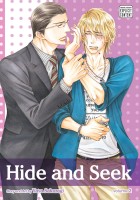
Hide and Seek, Vol. 2

June 26, 2015 by Ash Brown

Hide and Seek, Volume 2Creator: Yaya Sakuragi
U.S. publisher: Viz Media
ISBN: 9781421558585
Released: March 2014
Original release: 2013

Hide and Seek is a three-volume boys’ love manga series by Yaya Sakuragi. The manga is a direct spinoff of another of Sakuragi’s boys’ love series, Bond of Dreams, Bond of Love, which is itself tangentially related to her series Tea for Two. All three series can be read and enjoyed separately from one another, but there are some shared characters and references. Both Bond of Dreams, Bond of Love and Hide and Seek were licensed and released in English by Sublime Manga, the boys’ love imprint associated with Viz Media. (Tea for Two was published by Tokyopop’s Blu Manga imprint back in the day.) Hide and Seek, Volume 2 was originally released in Japan in 2013 while the English-language edition was released in 2014. I began following Sakuragi’s work in translation after encountering her boys’ love one-shot Hey, Sensei?. I’ve continued to enjoy and read her manga, but I find Hide and Seek to be particularly good.

It was supposed to be a simple fling, an uncomplicated relationship to enjoyably pass the time with no expectations that it would develop into something more serious. Except that Shuji, who generally isn’t interested in other men, is falling more and more for the young neighborhood doctor Saji. Though he’s slow to admit that he’s in love, Shuji can’t deny the jealously he experiences when he sees another man kiss Saji. Those feelings intensify when he discovers that the man, Yuki, used to date Saji and due to various unfortunate circumstances is currently staying at the doctors’ home. Saji picks up on some of that jealousy, but he has already resigned himself to a fleeting relationship with Shuji. He would certainly be interested in a more devoted partnership, but he’s been burned so many times in the past that he’s trying no to get his hopes up. And with neither man being completely honest with the other about his feelings, any sort of relationship will be difficult to maintain.
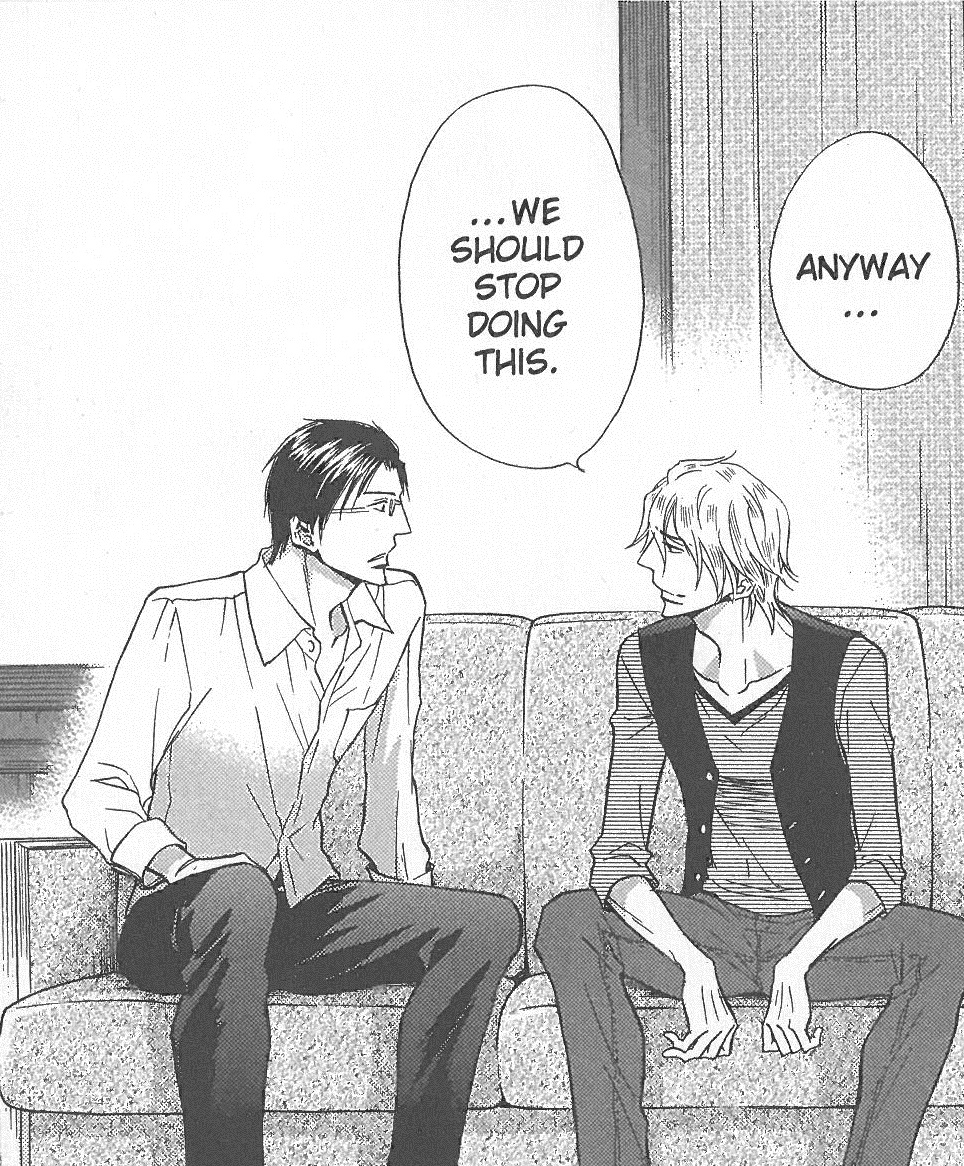
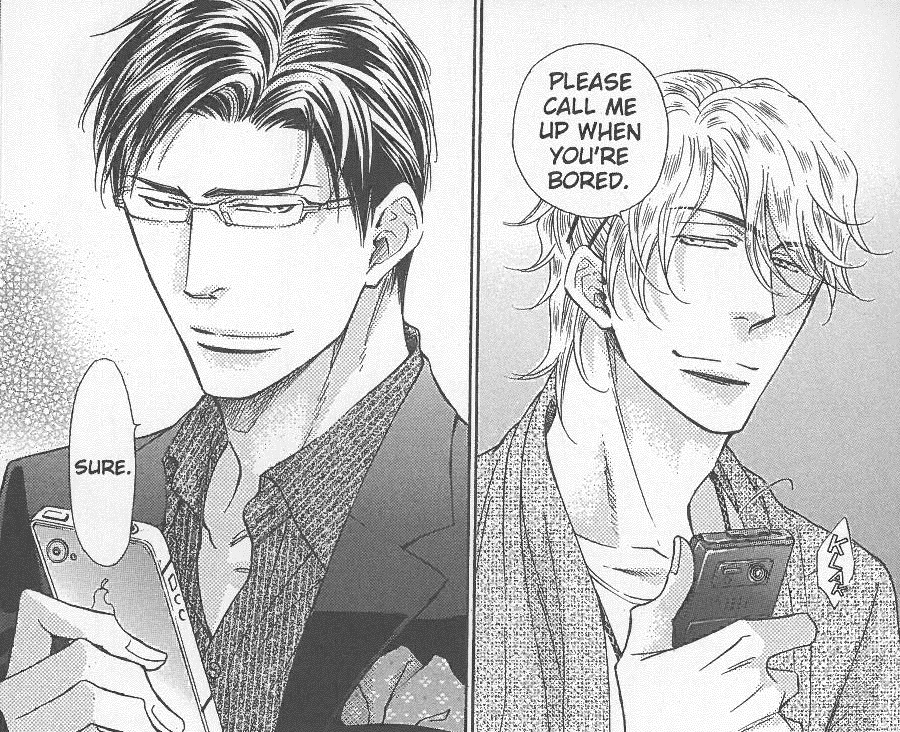
Hide and Seek, Volume 2, page 107While Hide and Seek definitely has its humorous moments, overall it tends to be a much more serious, and to some extent much more realistic, manga than its immediate predecessor Bond of Dreams, Bond of Love ever was. Likewise, Shuji, the main connecting character between the two series, is significantly more developed and complex in Hide and Seek. Although at heart he hasn’t really changed much from who he was in Bond of Dreams, Bond of Love, in part due to the tone of Hide and Seek his character has now become convincingly believable instead of being intentionally comedic and shallow. Shuji amused me greatly in Bond of Dreams, Bond of Love, but I really like Hide and Seek‘s more nuanced version of him. He is much more considerate and much less self-centered than his outward demeanor would initially lead one to assume (as well a more responsible and mature), and he’s honestly concerned for the well-being of those he cares most about, including Saji.

Overall, the characterization in Hide and Seek is excellent, particularly that of Shuji, but Saji is also a realistically complicated individual. I’ve enjoyed watching their relationship evolve and develop over the course of Hide and Seek and look forward to seeing how things turn out for them in the final volume. Shuji and Saji’s relationship isn’t in danger because they’re incompatible. In fact, the two men are surprisingly well-suited for each other. It’s actually because they care so much for each other and are trying not to force their feelings on, take advantage of, or hurt the other person that their relationship has the potential to dissolve. Although they do misinterpret the meaning and motivations behind some of each others’ words and actions, and make some inaccurate assumptions as a result, Shuji and Saji do communicate with each other, something that is absolutely critical for any relationship to succeed. Granted, they still need to learn to open up to each other a little more if they’re going to make things work in the long-term.

Filed Under: REVIEWS Tagged With: Hide and Seek, manga, Sublime Manga, viz media, Yaya Sakuragi

So Cute it Hurts! Vol. 1

June 2, 2015 by Anna N

So Cute it Hurts! Volume 1 by Go Ikeyamada

There has been a gap in cross-dressing shoujo series in the current shoujo beat line up recently, so I was intrigued by this series, which features both cross-dressing twins and juvenile delinquents.

The twins in this series are a pair of fraternal twins named Megumu and Mitsuru. Megumu is devoted to history simulation games featuring historical figures with eye patches, and has found a small group of kindred otaku spirits at her all-girls school. Mitsuru has a much more casual approach to studies, a bit of a womanizing personality, and a penchant for fighting thanks to his attendance at an all-male school crawling with juvenile delinquents. Megumu and Mitsuru are an odd kind of opposite gender fraternal twins that might only exist in manga or k-dramas due to their identical appearance that allows them to swap identities. Mitsuru is struggling with make up work in history and proposes a week long switch to Megumu so she can take his tests for him. Megumu is not thrilled with this idea, but she finds herself going along with it when she wakes up one day to find that Mitsuru has stolen her uniform and left his clothes behind.

This volume focuses a bit more on Mitsuru’s undercover operation at Megumu’s school. He is taken aback when he realizes that the girls he usually relates to in superficial ways actually have personalities, and is particularly surprised when he sees the most beautiful girl in the school bullying a deaf student. He has a blunt way of relating to girlish clique problems, and promptly develops a crush on Shino Takenaka, actually deciding to study sign language on his own so he can communicate with her. The bullying plot is a bit standard for a shoujo manga, but it was nice to see Mitsuru deal with mean girl antics with refreshing directness, and when his enemy attempts to shun him, all the otaku girls band together and are not particularly concerned at any loss of social status.

Megumu’s storyline is a bit less dynamic, and more reliant on shoujo plot cliches where she accidentally stumbles into the embrace of Aoi Sanada, the eyepatch-wearing top delinquent at her brother’s school. Aoi is a bit annoyed and bemused at the sudden appearance of an underclassman who seems to not follow the usual social conventions at their school. Her habit of tripping does actually come in handy when she finds herself in the middle of a schoolyard brawl. So far, Megumu and Aoi aren’t given as much page time or character development as Mitsuru and his new friends, and I hope this gets balanced out a little bit in future volumes.

I found it amusing that towards the end of the chapters, there were over-the-top summations of love standing in stark contrast to the gender-bending comedic hijinks in the rest of the manga. Ikeyamada’s art is attractive, if a bit generic, but she portrays the action scenes and the highs and lows of teenage emotions with ease. I found this volume amusing, and there were some interesting hints of a love quadrangle developing that I’m guessing will be explored more in the next volume. So Cute it Hurts! might not have very much depth so far, but the first volume seems like a nice comedic addition to a summer manga reading list.

Filed Under: REVIEWS Tagged With: shojo beat, shoujo, so cute it hurts!, viz media

Red Girls: The Legend of the Akakuchibas

May 30, 2015 by Ash Brown

Red Girls: The Legend of the AkakuchibasAuthor: Kazuki Sakuraba
Translator: Jocelyne Allen
U.S. publisher: Viz Media
ISBN: 9781421578576
Released: April 2015
Original release: 2006
Awards: Mystery Writers of Japan Award

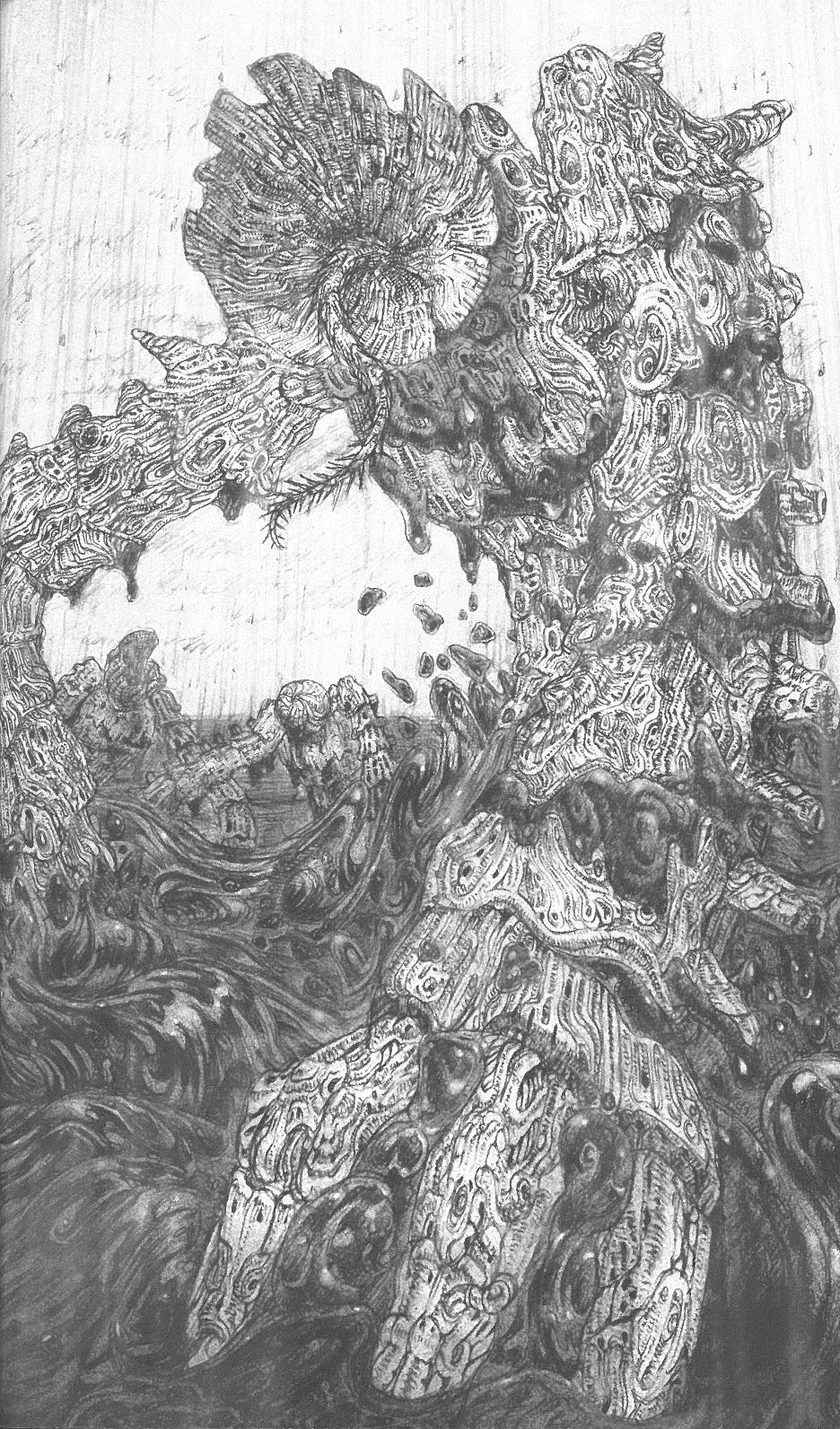
Kazuki Sakuraba is probably most well-known as the creator of Gosick, a series of light novels which would later be adapted as a manga series, an audio drama, and an anime series. Two of those novels were released in English by Tokyopop. After her success with Gosick, Sakuraba would go on to write and publish mainstream novels and essays as well, several of which would earn her awards and nominations for her work. Red Girls: The Legend of the Akakuchibas is one of those novels. Originally published in Japan in 2006, Red Girls won the Mystery Writers of Japan Award in 2007. That fact caught my attention as I have thoroughly enjoyed other novels that have won that particular award, as did the striking cover design of the English-language edition of Red Girls. The novel was released in English in 2015 by Viz Media’s speculative fiction imprint Haikasoru with a translation by Jocelyne Allen. Although Red Girls is the third novel by Sakuraba to have been translated, it was actually the first one that I read and was my introduction to her work as a whole.

For a time, the village of Benimidori, found in the western reaches of Japan’s Tottori Prefecture, was largely controlled by two rival families: the Akakuchibas, known as “red above” and who operated a steelworks factory, and the Kurobishis, known as “black below” and who were prosperous shipbuilders. While the Kurobishis were nouveau riche, the Akakuchibas were an old, upstanding family, and so quite a stir was caused when a young mountain girl who had been abandoned in the village was selected to marry the family’s heir. That was Manyo, a clairvoyant whose ability to see the future would help guide the family through a number of crises, including the tragic death of her firstborn son. The responsibility to carry on the Akakuchiba name then fell to her daughter Kemari, a wild young woman who would also die young, leaving behind a daughter of her own. By all appearances, Toko, unlike her mother or grandmother, seems to be an ordinary girl, but she is the only person to whom Manyo confessed a closely kept secret—she once killed someone.

Red Girls is divided into three parts, each one respectively devoted to the retelling of the lives and legends of Manyo, Kemari, and Toko. Eventually it is revealed that Toko is the novel’s narrator, recording the stories that she has been told by and about her mother and grandmother in an attempt to identify the person whose death Manyo claims to be responsible for. People associated with the Akakuchibas have a tendency to die in unexpected or peculiar ways, and so Toko knows of several individuals who could have been potential victims. As with any family story passed on from one generation to the next, there is a certain amount of fiction and embellishment that is added to the retelling of events. As she investigates the unusual circumstances involved in the various deaths, Toko must also closely reevaluate everything that she has been told about her family, teasing apart the stories in order to determine what exactly is the truth, what has been exaggerated, and what details continue to remain hidden and unsaid.

In addition to providing an intriguing mystery that Toko feels compelled to unravel, the narrative found in Red Girls serves another, very important purpose. It is a way for Toko to come to terms with the history of the Akakuchiba family and her position within it, allowing her to take her place in a line of powerful matriarchs. It’s not something that she is initially prepared to do, feeling inadequate when compared to her grandmother and mother and their various accomplishments. Red Girls also situates the legend of the Akakuchibas—and a legend it is, full of peculiar and fantastical elements—within the greater context of Japan’s economic and social histories. As Japan changes over time, so must the Akakuchiba family and its members, and so must the way they think about themselves, their relationships, and their stories. Red Girls is a tremendous multi-generational epic, sometimes strange and sometimes mysterious, but always engaging and oddly compelling. I enjoyed the novel immensely.

Filed Under: REVIEWS Tagged With: Haikasoru, Kazuki Sakuraba, Mystery Writers of Japan Award, Novels, viz media

Spell of Desire Vol. 4

May 29, 2015 by Anna N

Spell of Desire Volume 4 by Tomu Ohmi

This volume does feel very much like the next to the last volume in a series, which it is. Kaoruko continues to struggle with lessons and integration into witch society, and while her relationship with Kaname continues to develop, they are still held back by his position as her mother’s knight.

The first story (and the reason why this volume is rated mature and shrink-wrapped) shows Kaoruko investigating the sensual based powers of the black witch, by helping out the black witch Isandra. One of the more hilarious aspects of this book is the fact that one has to wear revealing clothing to channel black witch powers. Kaname decides to foil anyone else’s plans for inappropriate attire for Kaoruko by ensuring that her skin has tiny marks in strategic places. Isandra the Black Witch is (no surprise!) evil, and she attempts to steal away the power of the Witch Queen from Kaoruko. Kaoruko and Kaname manage to fend off the attack, and the coven decides that it is better for Kaoruko to return home and train quietly, since it doesn’t seem to be safe for her to train among the other witches. Kaoruko and Kaname have a few days of almost normalcy back at home, and they grow more closer emotionally. Kaoruko makes Kaname a special charm to keep him safe, knowing that he’s often placed in danger due to all the issues with her powers.

As I was reading this series, I expected Kaoruko’s mother to show up as a complicating factor before the final volume, but I guess that’s being saved for the final volume. I have to say, I enjoyed the first couple volumes a little more than the middle ones, just because I was more amused by the premise of the series. After settling in to the middle volumes Spell of Desire started to remind me a bit too much of Midnight Secretary, in that both series tend to use supernatural societal issues as complicating factors in their heroine’s paranormal romance. Ohmi’s art makes up for any quibbles I have with the plot in a large way though, as her fluid and detailed style continues to deftly portray Kaoruko’s magical problems. I’m looking forward to the conclusion of the series, and it is still a fun josei title.

Filed Under: REVIEWS Tagged With: shojo beat, spell of desire, viz media

Kiss of the Rose Princess Vol. 4

May 19, 2015 by Anna N

Kiss of the Rose Princess Volume 4 by Aya Shouto

This series continues to be a ridiculous fantasy reverse harem manga, and I enjoyed this volume mostly because it features evil idol singers.

The first half of this story delved more into the very Cardcaptor Sakura-like plot where Anise and her Rose Knights have to capture Arcana cards in order to reinforce the seal to the underworld and defeat the demon lord, as you do. Of course, the only way to do this is to enter an all boys idol competition at school, where Anise ends up cross-dressing as a boy, because the arcana card is second prize and their group is in danger of winning it all if the cutest Rose Knight Seiran enters the contest. In keeping with the long-cherished shoujo tradition of male models or idols being secretly evil, the duo Rhodecia are revealed to be artificial Rose Knights created by Anise’s evil (but HOW evil?) father. The battle for school supremacy involves magic tricks, even more cross dressing, and a horribly awkward comedy act.

While all of this is going on, the Black Rose Mutsuki is struggling with some dark emotions stirred up by a mysterious outside influence. Anise makes a new acquaintance at school named Mikage who asks Anise to set up a date between her and Kaede, which Anise does because she is an idiot who is absolutely unaware that Kaede is in love with her. The date ends up taking place at a Gothic carnival, where Anise and the other Rose Knights tag along in order to sleuth out the location of another arcana card.

Kiss of the Rose Princess is a super silly shoujo manga, but it is really just the thing if you happen to be in the mood for light entertainment. The art continues to be attractive, with all the cool poses one would expect from a reverse harem manga. I’m intrigued by the hints of psychological struggle that Mutsuki is starting to exhibit, which does create a bit more interest than the more typical “gotta catch them all” arcana card collecting plot that is currently developing.

Filed Under: REVIEWS Tagged With: kiss of the rose princess, shojo beat, shoujo, viz media

Master Keaton, Vol 2

April 29, 2015 by Anna N

Master Keaton Volume 2 by Naoki Urasawa

I enjoyed the first volume of this series a lot, but I was hoping that the second volume would be a bit more consistent, without some of the pacing issues that I noted in the first volume. My expectations were met, as the stories in the second volume had a good balance of mystery of the week, background on Keaton, and just enough crazy wilderness badassery.

The pacing of the chapters in this volume was more episodic, and I enjoyed the faster pace as Keaton moved from case to case. He investigates a stolen Olympic medal only to uncover a complicated friendship between two champion runners, then moves on to investigating an insurance case that manages to touch on the legend of William Tell. “Red Moon” features more of a medical mystery, and the male equivalent of a Black Widow. Keaton’s personal life is touched on as well. The second volume feels more settled, without needing to frantically introduce both his academic and military background. The fallout of Keaton’s tendency to travel instead of teach is followed up on, with him losing his previous position. He’s now serving as a guest lecturer in another university that is about to close its doors, but he manages to convey his passion for education and reconnect with a long-lost mentor.

Keaton’s military background is showcased in a couple stories. In “Black Forest” he helps the object of a manhunt by building improvised weapons drawing upon his knowledge of archaeology and in “Little Big Man” he crosses paths with a group of bounty hunters, only to singlehandedly deal with his job and expose them as amateurs. There are a couple scenes showing more of Keaton’s family, as his daughter shows up to visit for one story, and an entire chapter is devoted to Keaton’s father solving a case of a missing rare dog.

Overall, this volume just felt more self-assured in the storytelling throughout the manga, with the pacing and variety of the stories just right in terms of exploring the variety of situations Keaton can find himself in. With chapters exploring murder, survival, the value of higher education, and the strained relationships among the folks who end up as the subject of an insurance investigation, the second volume of Master Keaton made me more interested in picking up the rest of the series.

Filed Under: REVIEWS Tagged With: Master Keaton, viz media

Gangsta Vols 4 and 5

April 16, 2015 by Anna N

As I embarked on getting caught up on Gangsta, I found myself very grateful for the character bios and plot summaries in front of the volumes. The first couple volumes focused on the slightly more intimate lives of Alex as she meets and is taken in by the Handymen Worick and Nic inter cut with various scenes of violence, but the series is now headed into a full on gang war, and it is useful to be reminded of just who is who in the ever expanding cast of characters.

Gangsta Volume 4 by Kohske

The fourth volume deals with the personal problems of the characters as well as introducing more members of the sprawling underworld in the city of Ergastulum. The handymen are cleaning up after an attack, and Alex is distracted with memories of her younger brother. After shaking the dependency on the drugs she was previously addicted to, more of her normal memories are starting to come back, but she’s not yet able to recall the details of her past life. One of the things I like about this series is the artful way Kohske portrays her action scenes. Alex goes on an errand for the Handymen, and when she happens on a scene where another woman is being attacked, she grabs a stray piece of lumber and rushes in to defend a stranger without thinking of her own safety. Alex is about to get attacked herself, when on the next page a single panel of Nic in motion, mid-leap behind her attacker shows that the problem is being taken care of with almost frightening efficiency.

Alex and the Handymen go to a party thrown by the Cristiano Family, one of the weakest mafia families who is also the most charitable when it comes to taking care of Twilights who would otherwise not have a place to claim sanctuary. The head of the family is a tiny young girl named Loretta, who pragmatically surrounds herself with skilled bodyguards. An equally young twilight hunter shows up at the party and sets off a bloodbath. Another hunter names Erica appears, and while the Handymen and their allies manage to fight off the attack, they sustain huge losses in the process.

Gangsta Volume 5 by Kohske

In this volume it seems clear that the mafia factions in Ergastulum are going to be headed into war. The team of Destroyers becomes more defined, and the situation for regular Twilights not affiliated with an organization is looking worse and worse. Alex has gained even more of her memories, remarking to Nic that she knew him before, only to not get a response. Worick is forced to use his sense for objects to identify corpses, and he and Nic are separated throughout most of this volume, with dangerous consequences. The Destroyers begin to tear through the city, and identify themselves as agents of the Corsica family. Still, even in the middle of a tidal wave of violence, there are quick scenes of normal daily life, when Nic hands Alex a mug as soon as she wakes up from some disturbing dreams of her past. Nic heads off to help out Loretta, and Worick is left to help fend off an attack at the Monroe family house. Things are looking fairly grim for the found family the Handymen have built for themselves. We’re starting to get more caught up with the Japanese release of Gangsta, and I know I’m going to start getting impatient as the wait between volumes grows longer.

While Gangsta does feature plenty of action and grim themes centered around drugs, class issues, and the mafia, the core story circling around Alex and her relationship with the Handymen ensures that the violence in the manga always seems to have a narrative purpose. Koshke’s narrative start small and builds up to a intercut scenes of a sprawling cast headed into some serious confrontations is building more and more suspense and tension as the series progresses. I’m also always impressed with the variety of character designs and defined looks as the manga includes more and more characters. I’m glad that Viz is continuing to give quality seinen some serious attention in the Signature Line with this title.

Filed Under: REVIEWS Tagged With: Gangsta, Seinen, viz media, VIZ Signature

Requiem of the Rose King, Volume 1

March 29, 2015 by Ash Brown

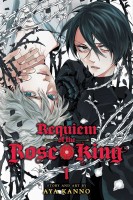
Requiem of the Rose King, Volume 1Creator: Aya Kanno
U.S. publisher: Viz Media
ISBN: 9781421567785
Released: March 2015
Original release: 2014

The English-language release of Aya Kanno’s Requiem of the Rose King was one of the manga that I was most looking forward to in 2015. Several of Kanno’s series have previously been translated into English—Soul Rescue, Blank Slate, and Otomen—all of which are quite different from one another, and Requiem of the Rose King is different still. I tend to enjoy Kanno’s work, but I was particularly interested in Requiem of the Rose King because the series is based on William Shakespeare’s Henry VI and Richard III, the first tetralogy of a series of plays that dramatize the Wars of the Roses, a dynastic conflict over the English crown in the fifteenth-century. I adore Shakespeare (I actually used to perform monologues competitively as part of my high school’s speech and drama team back in the day) and so was excited to learn about Kanno’s adaptation and thrilled when Viz Media licensed it. Requiem of the Rose King, Volume 1 was first released in Japan in 2014 while Viz’s English-language edition was published in 2015.

Young Richard is the third son of the Duke of York, a man who many believe to be the rightful successor to England’s throne. The current king, Henry VI, inherited rulership from his father as a child, but the Lancasters are accused of usurping the crown when their house executed King Richard II for treason. Richard desires nothing more than to see his father crowned king and as his son to prove himself worthy of his noble lineage. But Richard’s fate is a troubled one. His body, not fully male, is considered to be deformed and weak, a sign of demonic influence. He is plagued by nightmares, visions, and seemingly prophetic dreams. Richard is adored by his father and loved by his older brothers, but his mother despises him, believing his cursed existence to be a harbinger of evil and death and ashamed of her role in bringing him into the world. Whether or not it is because of Richard’s presence, that world is about to descend into chaos and civil war as the Yorks and the Lancasters vie for the crown.

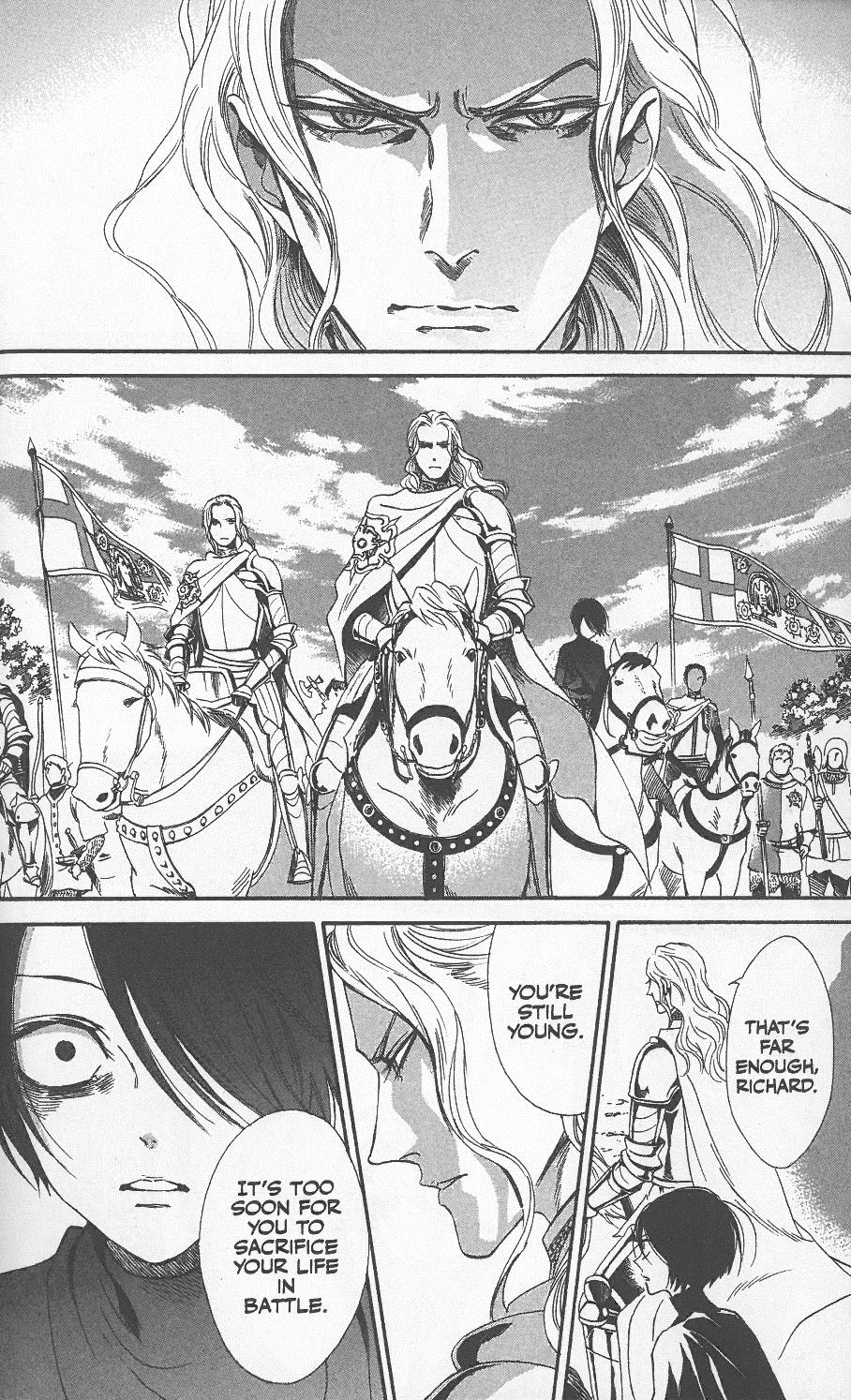
Requiem of the Rose King, Volume 1, page 58Requiem of the Rose King is not a strict adaptation of Shakespeare’s plays. Instead, Kanno uses them as a source of inspiration, remixing, as she describes it, the characters, dialogue, and settings of Shakespeare’s originals to create a distinct work of her own. The manga’s English translation is excellent. With their refined formality and elegance, the patterns of speech, dialogues, and monologues are reminiscent of Shakespeare without necessarily quoting directly from his plays. A reader does not at all need to be familiar with Henry VI or Richard III to enjoy Requiem of the Rose King. One of the most striking differences between Requiem of the Rose King and Shakespeare’s dramas is the portrayal of Richard. At this point in the series, Kanno’s Richard is a much more sympathetic character than Shakespeare’s ever was. However, there is still a tense and ominous atmosphere that surrounds him in Requiem of the Rose King. It is very clear that the first volume of the manga is a prelude to even grater tragedies to come.

There is always a danger of disappointment when anticipating a manga to such a great extent, but I can honestly say that I loved the first volume of Requiem of the Rose King. It’s theatric and dramatic, with appealing artwork and interesting interpretations of historical figures. Because Requiem of the Rose King is based on plays that were already dramatizations of actual persons and events, the series isn’t rigorous in its historical accuracy. However, I find Kanno’s version to be both fascinating and immensely engaging. The manga is a bit fragmented in its storytelling, quickly moving from one scene to the next and to from time to time overlapping dreams and reality, but I feel this effectively reinforces the turmoil of the era as well as the unrest experienced by the individual characters. Requiem of the Rose King is a beautifully dark and compelling historical fantasy. I’m very much looking forward to reading the second volume and seeing how the rivalry between the Lancasters and the Yorks continues to play out.

Filed Under: REVIEWS Tagged With: Aya Kanno, manga, requiem of the rose king, viz media

JoJo’s Bizarre Adventure, Part 1: Phantom Blood, Vol. 1

March 27, 2015 by Ash Brown

JoJo's Bizarre Adventure, Part 1: Phantom Blood, Volume 1Creator: Hirohiko Araki
U.S. publisher: Viz Media
ISBN: 9781421578798
Released: February 2015
Original release: 1987-1988

Hirohiko Araki’s multi-generational epic JoJo’s Bizarre Adventure is one of the longest-running manga series in Japan. Araki began the series in 1986 and the manga is still ongoing at well over a hundred volumes. Between 2005 and 2010, Viz Media published the sixteen volumes of the third story arc, Stardust Crusaders, arguably on of the most popular, or at least well-known, parts of the series. In 2012, NBM Publishing released Rohan at the Louvre, a largely standalone manga related to Diamond Is Unbreakable, the fourth arc of JoJo’s Bizarre Adventure. Finally, in 2015, the first part of the epic, Phantom Blood was released in print in English by Viz in a beautiful, deluxe hardcover edition. Phantom Blood was originally published in Japan in five volumes between 1987 and 1988, but was reissued in three volumes in 2002. That release is the basis for Viz’s English-language edition. JoJo’s Bizarre Adventure, Part 1: Phantom Blood, Volume 1 includes the entirety of the first volume and the majority of the second volume of the original Japanese release.

Jonathan Joestar, known as JoJo, is the son of a wealthy 19th-century English nobleman. He lost his mother while still an infant when the entire family was involved in a tragic carriage accident. JoJo survived, but his mother and the driver died and his father was severely injured. Years later, a young man named Dio Brando is sent to live with the Joestars. His father, who recently passed away, was the first person upon the scene of the carriage accident. Lord Joestar believes himself to be in Brando’s debt, under the mistaken impression that he saved his life, and so welcomes Dio with open arms. But Dio isn’t the upright character he often portrays himself to be. His intention is to destroy the Joestar family and take its wealth for his own using anyone and any means necessary, including a mysterious stone mask that grants vampiric powers. JoJo is the only person to suspect Dio isn’t all that he seems, and Dio is determined to make his life miserable. The two of them are raised as brothers, but despite JoJo’s initial attempts at friendship, there is no love lost between them.

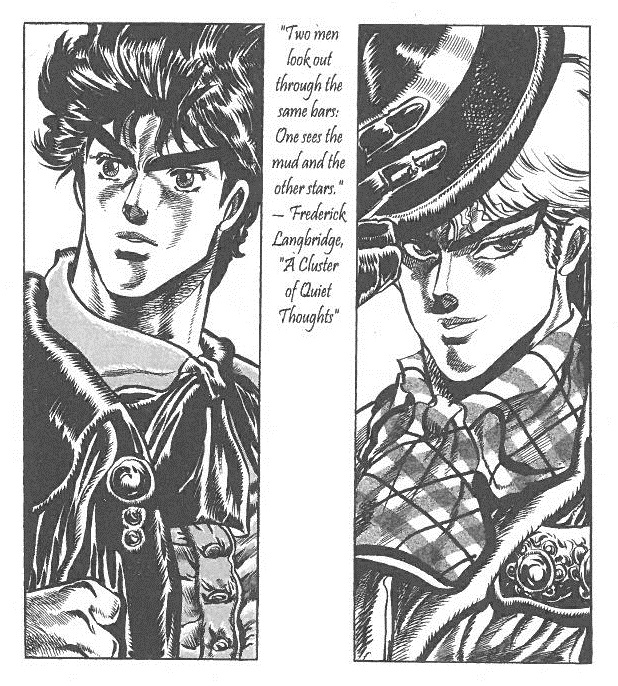
Phantom Blood, Volume 1, page 80JoJo’s Bizarre Adventure is a very aptly named series. Phantom Blood is strange and outlandish, proceeding at a breakneck pace with a tremendous amount of drama and flying fists. It’s not subtle by any means, but the series’ uninhibited, over-the-top nature is part of Araki’s style. Heightened action and drama often take precedence over logical consistencies or realism in the manga’s artwork and story. Devastating injuries that would maim or kill most people are easily disregarded or overcome by the series’ heroes and villains, although the pain and suffering they incur certainly leave an impression. JoJo and Dio fight it out on several different occasions in the first volume of Phantom Blood, each battle becoming increasingly more violent and destructive, and they are pretty bloody to being with. And that’s not even taking into account the psychological damage that also results. JoJo’s Bizarre Adventure can be brutal.

Dio is one of the most fabulous antagonists that I’ve come across in manga. Extraordinarily charismatic and completely without scruples, he makes an extremely dangerous opponent. But Dio does have flaws, and he is a much more interesting character because of them. While he is often unable to control his intense anger and arrogance, even at a young age he is able to hold people under his thrall. JoJo on the other hand, especially in comparison to Dio, is astoundingly honest, naive, and kindhearted, a gentleman through and through in both mind and deed. He uses his strength of character and impressive physical fortitude to protect his family and other people he cares about. JoJo’s repeated confrontations with Dio force hem to become even stronger as the series progresses. He grows into a formidable opponent in his own right with a firm sense of and desire for justice. The stark contrast between the two young men and the extreme dynamics of their relationship are a large part of what makes Phantom Blood such an engaging manga.

Filed Under: REVIEWS Tagged With: Hirohiko Araki, JoJo's Bizarre Adventure, manga, Shonen Jump, viz media

Requiem of the Rose King, Vol. 1

March 22, 2015 by Anna N

Requiem of the Rose King, Vol. 1 by Aya Kanno

I really admire the way Kanno moves from genre to genre, coming up with unique stories each time, at least with her series that have been translated into English. Blank Slate and Otomen are utterly unlike each other, and now with Requiem of the Rose King there’s an entirely different series to enjoy.

Requiem of the Rose King is a retelling of the story of Richard III, which is a topic I tend to enjoy exploring, going way back to when I first read the classic mystery Daughter of Time by Josephine Tey as a young teenager. So I was really interested in seeing how Kanno was going to tackle this story. It opens with the childhood of young Richard during the Wars of the Roses. Richard is a favorite of his father, but his mother views him as a damaged child due to his physical abnormalities. The introduction to Richard is framed with a reference to Joan of Arc’s sin of dressing like a man. Richard is cloaked, roaming through the forest alone after his mother abandoned him. One of his eyes is more prominent than the other, but his face is entirely in shadow. As Richard’s mother sits back in the castle thinking about how evil her own son is, he’s shown being trapped by vines. Richard’s older siblings are integrated into their mother’s affections, but when Richard’s father goes off to fight the Lancasters, he loses his main source of love and affection.

Richard appears to be intersex, or at least having some feminine characteristics while being raised as a boy. Richard sees visions of Joan of Arc tormenting him. He’s determined to be the best son possible for his father. I wasn’t sure exactly which gender to use to refer to him, but since in the first volume Richard clearly identifies as male, I was just going with that for the sake of this review. Richard accidentally strikes up a friendship with young prince Henry. He also meets a girl named Anne Neville. While Richard experiences battle in this volume on the sidelines, the fear and danger that he’s exposed to being left behind are very real. His mother grows even more hostile throughout the volume, which I didn’t even think was possible given how she was introduced initially.

Kanno’s art is great in this volume, and it seems like the subject matter has given her more room to be experimental. Richard’s visions of Joan of Arc keep popping up to make the events he’s experiencing even more unsettling, and there seem to be shadows about to attack lurking in the woods and in castle corners. Close up of eyes are used for dramatic effect often, showing fear, anger, and mental instability. I feel like with this series and Black Rose Alice, Viz is being a bit more adventurous with some of their current manga that might appeal to shoujo readers. While I enjoy a good romance as much as anyone, I am really happy to get a bit more variety on my shelves.

Filed Under: REVIEWS Tagged With: requiem of the rose king, viz media

Phantasm Japan: Fantasies Light and Dark from and about Japan

March 20, 2015 by Ash Brown

Phantasm JapanEditor: Nick Mamatas and Masumi Washington
Publisher: Viz Media
ISBN: 9781421571744
Released: September 2014

Phantasm Japan: Fantasies Light and Dark from and about Japan, edited by Nick Mamatas and Masumi Washington, is the second anthology of short fiction curated specifically for Haikasoru, the speculative fiction imprint of Viz Media. Phantasm Japan, published in 2014, is a followup of sorts to the 2012 anthology The Future is Japanese. A third anthology in the loosely-related series, Hanzai Japan, is currently being complied. I rather enjoyed The Future Is Japanese and so was looking forward to the release of Phantasm Japan. The anthology collects twenty-one pieces of short fiction, including an illustrated novella, from seventeen creators in addition to the two introductory essays written by the editors. Most of the stories are original to the collection, although a few of the translated works were previously published in Japan. Much like The Future Is Japanese, Phantasm Japan promised to be an intriguing collection.

With a title like Phantasm Japan I had anticipated an anthology inspired by yokai and Japanese folklore. And while the volume does include such tales—Zachary Mason’s “Five Tales of Japan” (tengu and various deities), James A. Moore’s “He Dreads the Cold” (yuki-onna), Benjanun Sriduangkaew’s “Ningyo” (mermaids and other mythological beings)—it incorporates a much broader variety of stories as well. The fiction found in Phantasm Japan is generally fairly serious in nature and tone and all of the stories tend to have at least a touch of horror to them, but they range from historical fiction to science fiction and from tales of fantasy to tales more firmly based in reality. Pasts, presents, and futures are all explored in Phantasm Japan. The authors of Phantasm Japan are as diverse as their stories. Some make their homes in Japan while some hail from the Americas, Europe, or other parts of Asia. Many are established, award-winning writers while others are newer voices. In fact, Lauren Naturale’s “Her Last Appearance,” inspired in part by the life of kabuki actor Kairakutei Black, marks her debut as a published author of fiction. I also personally appreciated the inclusion of both queer authors and queer characters in the anthology.

Sisyphean Other than being a collection of fantastical stories, there isn’t really an overarching theme to Phantasm Japan. However, some of the works do explore similar concepts, but use wildly different approaches and settings. In addition to the stories influenced by traditional lore, like “Inari Updates the Map of Rice Fields” by Alex Dally MacFarlane, there are those that reflect more contemporary concerns like Tim Pratt’s “Those Who Hunt Monsters” which mixes online dating, fetishism, and yokai. Ghost of various types make appearances throughout Phantasm Japan, from the supernatural haunting of Seia Tanabe’s “The Parrot Stone” to the biohazard-induced hallucinations of Sayuri Ueda’s “The Street of Fruiting Bodies.” Joseph Tomaras’ “Thirty-Eight Observations of the Self” is in part reminiscent of stories about living ghosts. Possessions are seen multiple times in the volume as well. In “Scissors or Claws, and Holes” by Yusaku Kitano, creatures are intentionally invited into a person’s body in order to exchange memories for visions of the future while in Jacqueline Koyanagi’s Kamigakari a consciousness is shared by a man and something that isn’t human as a result of an accident.

One of the recurring themes that I found particularly appealing in Phantasm Japan was the power of memories and stories to shape, create, define, and redefine reality. In Gary A. Braunbeck’s “Shikata Ga Nai: The Bag Lady’s Tale,” a tailor from a Japanese-American internment camp is responsible for passing on centuries worth of history. In “The Last Packet of Tea” by Quentin S. Crisp, an author struggles to write one last story. Project Itoh’s “From Nothing, With Love” (which re-convinced me that I need to read everything that he has written) is about a very specific cultural touchstone and the life that it has taken on. As with any short story collection, some of the stories are stronger than others and different stories will be enjoyed by different readers. Some contributions to Phantasm Japan are readily accessible to just about anyone, such as Nadia Bulkin’s “Girl, I Love You” and Miyuki Miyabe’s “Chiyoko,” but then there are more challenging works like Dempow Torishima’s exceptionally bizarre and grotesque novella Sisyphean. As for me, I enjoyed Phantasm Japan as an anthology. I liked the range and variety in the stories collected, and my reading list has certainly grown significantly because of it.

Filed Under: REVIEWS Tagged With: Haikasoru, Masumi Washington, Nick Mamatas, Project Itoh, viz media

Oishinbo, A la Carte: Vegetables

March 6, 2015 by Ash Brown

Oishinbo, A la Carte: VegetablesAuthor: Tetsu Kariya
Illustrator: Akira Hanasaki

U.S. publisher: Viz Media
ISBN: 9781421521435
Released: September 2009
Original release: 2006
Awards: Shogakukan Manga Award

When it comes to food manga, the long-running and sometimes controversial Oishinbo is one of the most successful series in Japan. Written by Tetsu Kariya and illustrated by Akira Hanasaki, the popular Oishinbo is well over a hundred volumes long and earned its creators a Shogakukan Manga Award in 1987. I don’t expect Oishinbo to ever be released in English in its entirety, but Viz Media did license seven volumes of Oishinbo, A la Carte–thematic collections of stories selected from throughout the series. Oishinbo, A la Carte: Vegetables is technically the nineteenth A la Carte volume, published in Japan in 2006, but in 2009 it became the fifth collection to be released in English under Viz Media’s Signature imprint. If I recall correctly, Oishinbo, A la Carte: Japanese Cuisine was the very first food manga that I ever read. Since then, I have enjoyed slowly making my way through the other A la Carte collections available in English, and so was looking forward to a serving of Vegetables.

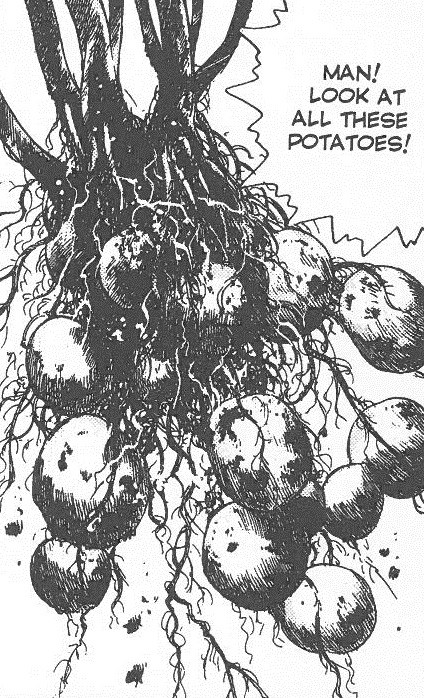
While Vegetables collects Oishinbo stories from different points the series, it also includes some of the earliest arcs. One of the primary, ongoing plotlines of the manga is the competition between Yamaoka, a newspaper journalist heading the “Ultimate Menu” project, and his estranged father Kaibara, who is developing the “Supreme Menu” for a rival paper. The three-part “Vegetable Showdown!” that opens the volume is only their second official battle for culinary dominance. Appropriately for a volume about vegetables (since getting kids to eat them is apparently a worldwide struggle), many of the stories feature children discovering that produce like eggplants, bean sprouts, and carrots might not be so bad after all. At least when they’re prepared well. Adults preconceived notions are challenged in the manga as well, not just about how vegetables are prepared and taste but also about how they are grown and produced. The stories in Vegetables often follow produce from the field to the table.

Oishinbo, A la Carte: Vegetables, page 90Oishinbo frequently delves into the politics of food and the series’ characters (and I would assume by extension its creators) have very strong opinions about the matter. Vegetables joins the previous two A la Carte collections in English–Fish, Sushi & Sashimi and Ramen & Gyōza–in particularly stressing the importance of quality ingredients and in arguing very strongly for food that has been safely, responsibly, sustainably, and often locally produced. So far, however, Vegetables seems to be the volume that is most blatant in its activism, villainizing the use of herbicides and pesticides. Opposing viewpoints are briefly entertained, but it is very clear which side of the debate Oishinbo supports. The environmentalist message in Vegetables can be very heavy-handed. Organic produce is often ideal for a number of the reason explained in Vegetables, but the reality is perhaps much more complicated and nuanced than the manga might lead readers to believe.

Overall, I think that Vegetables may actually be one of the weaker A la Carte volumes to have been released in English, but I still enjoyed it. Oishinbo is a series that is educational as well as entertaining and Vegetables is no exception. Although not particularly subtle about its politics, the manga is informative, the individual stories exploring different aspects of produce from how they are grown to what a chef should keep in mind when preparing them. When it comes to vegetables, Oishinbo would seem to argue for simplicity. Produce grown in ideal conditions and in their native environments require very little to enhance their natural goodness and flavor. A dish may be refined, but if the ingredients are of high quality to begin with it does not need to be overly complex. Sometimes only a bit of salt is all that is called for. Food is a major source of the drama in Oishinbo and is often what drives the manga’s plot. And even when it’s not, food–and in this particular volume vegetables–always plays a significant supporting role.

Filed Under: REVIEWS Tagged With: Akira Hanasaki, manga, Oishinbo, Shogakukan Manga Award, Tetsu Kariya, viz media, VIZ Signature

Meteor Prince, Vol 1

March 5, 2015 by Anna N

Meteor Prince Volume 1 by Meca Tanaka

Meteor Prince is a super cute shoujo series that is ideal to read if you need a break from the winter blahs. It is in some ways like a kinder, less manic version of Urusei Yatsura, because the heroine of the story Hako is cursed with an incredible run of bad luck. The latest incident occurs when a naked alien prince suddenly appears and announces that she’s his soulmate. The alien prince Io is a bit of a benign horndog, as he is constantly asking Hako if she is ready to mate, but at the same time he is always in the right place at the right time to protect her from all the accidents that seem to constantly happen in her vicinity. When Hako protests that she can’t have a relationship with someone she’s not in love with, Io promptly yells “Let’s fall in love!” and their courtship begins.

Hako has a supporting cast of friends in the form of the paranormal research club, who stick close to her despite her bad luck because they are so interested in exploring unexplained phenomena. They are also fascinated by the sudden appearance of the alien, but also want to look out for Hako. Despite Io’s initial approach of dropping out of the sky naked and asking teenage girls to be the mother of his children, he’s actually incredibly enthusiastic about the new environment he’s exposed to on Earth, and his devotion to Hako is absolute. Hako and Io actually end up striking a bit of a friendship, through the usual high school milestones that a reader would usually expect in a shoujo manga. There are plenty of funny hijinks, but what I enjoyed most about this title was the genuine warmth and caring shown in the unlikely romance between Hako and Io.

Tanaka’s art switches between slapstick humor and exaggerated emotions as Hako tries to dodge her bad luck with more contemplative moments like when Io sits and communes with birds for the first time. Her art is engaging, with Hako inspiring feelings of sympathy and Io managing to look both regal and occasionally bizarre, which is exactly what a reader might expect from an alien prince.

This is only a two volume series, and sometimes I’m a little hesitant to recommend such short series because often they seem a bit unfinished or partially developed. I felt satisfied as a reader after reading the first volume of Meteor Prince. I’d be happy if it had gone on for several volumes, but the core of the story was just delightful and entertaining. I expect that this is going to be one of the rare two volume series that gets a permanent place on my bookshelves. I’ve been hoarding Tanaka’s four volume series for Tokyopop, Pearl Pink, and now I’m much more motivated to read that too, since Meteor Prince seems so charming.

Filed Under: REVIEWS Tagged With: meteor prince, shojo beat, shoujo, viz media

Hide and Seek, Vol. 1

February 27, 2015 by Ash Brown

Hide and Seek, Volume 1Creator: Yaya Sakuragi
U.S. publisher: Viz Media
ISBN: 9781421555720
Released: July 2013
Original release: 2012

Ever since reading and enjoying Hey, Sensei?, my introduction to boys’ love manga, I have made a point to follow the work of Yaya Sakuragi in English. And so I was particularly pleased when Hide and Seek—one of her most recent series, completed at three volumes in Japan in 2014—was licensed. The first volume of Hide and Seek was published in Japan in 2012 while the English-language edition was released in 2013 by Viz Media’s Sublime Manga. Hide and Seek is a spinoff of another of Sakuragi’s boys’ love series, Bond of Dreams, Bond of Love, which in turn is tangentially related to her earlier four-volume manga Tea for Two. (Tea for Two and Bond of Dreams, Bond of Love share a supporting character while another supporting character in Bond of Dreams, Bond of Love is one of the leads of Hide and Seek.) Although technically all three series are loosely connected, it is not necessary to have read the first two series in order to understand or enjoy Hide and Seek. However, those who have read Bond of Dreams, Bond of Love will better appreciate some of the secondary characters and minor references that are made.

Shuji Tanihara is single, divorced, and currently the parent who is primarily responsible for taking care of Chii, his young daughter. Granted, sometimes it seems as though she is really the one taking care of him. Between Chii, tending the small candy store he owns, and the occasional drink with friends, Shuji doesn’t have much else going on in his life. He’s happy, but also a little bored. But that changes when his shop unexpectedly gains a new customer—Saji, a young, successful doctor whose serious and reserved personality is the complete opposite of Shuji’s relaxed, easy-going attitude. Saji is gay and Shuji, while not usually attracted to other men, has developed an interest in him as well. Though in the past he was a notorious heartbreaker, it’s been a while since Shuji has dated anyone. He intends to enjoy his fling with Saji, but what he didn’t anticipate was actually falling for the guy.

Hide and Seek, Volume 1, page 135Hide and Seek may very well be one of Sakuragi’s strongest manga yet. And, if the first volume is anything to judge by, it’s also one of her works with the most sexual content. What is perhaps most thrilling about that is the sex in Hide and Seek is completely consensual between two mature, adult men. There are absolutely no dubious connotations, means, or coercion involved. (Sadly, all of this seems to be somewhat rare in boys’ love manga.) Both Shuji and Saji know what they want in bed and they actually communicate, going on to enjoy themselves without shame; Shuji is sexually adventurous and Saji, it turns out, is an especially skilled, experienced, and considerate lover. Though they have their differences, the two men enter into their relationship as equals. Most importantly, they respect each other, which is wonderful to see. Their interactions both inside the bedroom and outside of it reveal a lot about them as individuals.

The sex in Hide and Seek is great (Shuji and Saji would be the first to admit this), but the series’ drama and heart is found elsewhere. While there is still plenty of humor and lightheartedness to be seen in the first volume, Hide and Seek is one of Sakuragi’s more serious manga, especially when compared to its immediate predecessor Bond of Dreams, Bond of Love. Shuji in particular comes across as a slightly more responsible adult than he did in that earlier series, although he is still very carefree and gets a kick out of provoking people to get a reaction out of them. His personality both conflicts with and complements Saji’s. This becomes the basis of much of the series’ humor. It’s also the source of the manga’s drama. Saji, despite his kindness and thoughtful nature, can be socially awkward and has been rejected many times before by other flighty partners reluctant to take a relationship too seriously. Shuji and Saji are a mismatch but seem perfect for each other. I’m anxious to see how their relationship continues to develop.

Filed Under: REVIEWS Tagged With: Hide and Seek, manga, Sublime Manga, viz media, Yaya Sakuragi

JoJo’s Bizarre Adventure: Part 1 Phantom Blood Vol 1

February 4, 2015 by Anna N

JoJo’s Bizarre Adventure: Part 1 Phantom Blood, Volume 1 by Hirohiko Araki

I read this volume without much background in this series other than knowing that it was a huge and long-running series in Japan, has a bit of a cult following in Japan, and the books that Viz had been releasing under the shonen jump line started midway through the series. This volume goes back to the earliest story arc in the series, kicking things off with the English nobility, bloodthirsty Aztec masks, and people beating the crap out of each other.

The story kicks off in old school shonen fashion, where a scantily clad woman is sacrificed to the wearer of a mysterious stone mask who proclaims that his accessory drinks the blood of the living. Bones from the mask pierce his skull, but he’s still alive and taking on even more blood sacrifices, not worried about staining his stylish leopard skin pelt cape because he has found the secret to eternal life!

The story then skips over to England, where an evil red-haired young man offers his dying father some medicine. Dio’s father tells him a story about how he accidentally saved the life of a nobleman named Joestar when he came across the wreckage of carriage he was intending to scavenge. Brando tells Dio to go to the Joestars when he becomes orphaned, and Dio does, thus starting the torture of poor young Jonathan Joestar. Dio is immediately adopted as a second son by the Joestar family, but since he is basically the spawn of Satan and Jonathan Joestar is like a friendly naive puppy, things do not go well with the new brothers.

Dio is basically a human form of a cancer, undermining the heir to the Joestar family whenever he gets a chance. It has been a long time since I’ve read a shonen manga this manly! There are speed lines and yelling on almost every page. Jonathan and Dio engage in fistfights and boxing matches, where one blow will end up knocking a half dozen teeth into the air. Towards the end of the book the legacy of the blood drinking Aztec mask is further explored, and Jonathan finally begins to get proof of Dio’s nefarious deeds. The art is really dynamic although the proportions are often a bit off. Often one of the muscular bodies of the main characters will look like it is supporting a shrunken head. If Rob Liebefeld and Tetsuo Hara of Fist of the North Star mashed up their styles you might end up with something like JoJo’s Bizarre Adventure, except Araki can actually draw feet. I’m sure the art gets much better in subsequent volumes, and even though it wasn’t always to my taste I couldn’t deny the effectiveness of the energy of the many battle scenes in the manga.

As a main character, Jonathan Joestar lets himself be taken advantage of for far too long, but he does manage to battle back as shonen heroes always do. The hardcover edition is really nicely designed, with color pages shifting to further tonal pages where the black and white art is enlivened by shades of orange. This volume ends on a cliffhanger, and I do want to know what happens next, as I assume it will involve more stone mask blood drinking and face punching. I can certainly see why this is such a long-running and popular series in Japan. Recommended for those who want a major dose of testosterone in their manly manga.

Filed Under: REVIEWS Tagged With: JoJo's Bizarre Adventure, Shonen, viz media

  • « Go to Previous Page
  • Page 1
  • Interim pages omitted …
  • Page 13
  • Page 14
  • Page 15
  • Page 16
  • Page 17
  • Interim pages omitted …
  • Page 20
  • Go to Next Page »
 | Log in
Copyright © 2010 Manga Bookshelf | Powered by WordPress & the Genesis Framework