• Skip to primary navigation
  • Skip to main content
  • Skip to primary sidebar
  • Home
  • About Us
    • Privacy Policy
    • Comment Policy
    • Disclosures & Disclaimers
  • Resources
    • Links, Essays & Articles
    • Fandomology!
    • CLAMP Directory
    • BlogRoll
  • Features & Columns
    • 3 Things Thursday
    • Adventures in the Key of Shoujo
    • Bit & Blips (game reviews)
    • BL BOOKRACK
    • Bookshelf Briefs
    • Bringing the Drama
    • Comic Conversion
    • Fanservice Friday
    • Going Digital
    • It Came From the Sinosphere
    • License This!
    • Magazine no Mori
    • My Week in Manga
    • OFF THE SHELF
    • Not By Manga Alone
    • PICK OF THE WEEK
    • Subtitles & Sensibility
    • Weekly Shonen Jump Recaps
  • Manga Moveable Feast
    • MMF Full Archive
    • Yun Kouga
    • CLAMP
    • Shojo Beat
    • Osamu Tezuka
    • Sailor Moon
    • Fruits Basket
    • Takehiko Inoue
    • Wild Adapter
    • One Piece
    • After School Nightmare
    • Karakuri Odette
    • Paradise Kiss
    • The Color Trilogy
    • To Terra…
    • Sexy Voice & Robo
  • Browse by Author
    • Sean Gaffney
    • Anna Neatrour
    • Michelle Smith
    • Katherine Dacey
    • MJ
    • Brigid Alverson
    • Travis Anderson
    • Phillip Anthony
    • Derek Bown
    • Jaci Dahlvang
    • Angela Eastman
    • Erica Friedman
    • Sara K.
    • Megan Purdy
    • Emily Snodgrass
    • Nancy Thistlethwaite
    • Eva Volin
    • David Welsh
  • MB Blogs
    • A Case Suitable For Treatment
    • Experiments in Manga
    • MangaBlog
    • The Manga Critic
    • Manga Report
    • Soliloquy in Blue
    • Manga Curmudgeon (archive)

Manga Bookshelf

Discussion, Resources, Roundtables, & Reviews

Unshelved

December Giveaway: The Story of Saiunkoku Volume 1

December 5, 2010 by Anna N

I ended up with an extra copy of the first volume of The Story of Saiunkoku, a fun fantasy shoujo series that features a strong heroine!

To enter the giveaway, just comment with the title of the manga you’d most like to get for the holidays. I’ll randomly pick a winner next Sunday.

And the winner is: Yalimar. Congrats!
Filed Under: UNSHELVED

One Piece Volumes 1 and 2

December 4, 2010 by Anna N

One thing that I’ve found a little off-putting about One Piece is the wide consensus that it takes quite a few volumes to really get going. I tend to follow a two book rule on principle when evaluating manga series to see if I want to collect them, because while I’ve read plenty of so-so first volumes that develop into an interesting series by volume two, I have a limited amount of patience when it comes to the idea of collecting several volumes just to get to the good stuff. But I only have the first two volumes on hand right now, so that’s what I’m going to look at today. I’m going to attempt to show what might lead a reader to assume that the series isn’t so great and also highlight the aspects that might cause someone to come back for more.

The first chapter of One Piece follows a very typical shonen formula. An adventurous proto-hero gets inspired by a total bad-ass and decides to become a hero himself. I’m sure there are numerous examples of other manga that have similar beginning chapters, but the ones that come to my mind immediately are Tegami Bachi and Gun Blaze West. The heroic quest idea gets a little bit of a twist in One Piece because Monkey D. Luffy decides that he’ll become “The King of the Pirates.” Luffy is aided in his ambition by his inadvertent ingestion of the fruit of the Gum-Gum tree, which adds him to the ranks of stretchy superheroes. I’ve often thought that elastic powers give a cartoonist the license to go absolutely crazy, but Luffy’s powers mostly seem to manifest in near-invulnerability and the ability to do devastating super-stretchy punches.

Luffy is a hero who is made engaging due to his almost stupid levels of enthusiasm and his tendency to leap into action without any fear for himself. He sets out in a dinghy for the fabled “One Piece,” the legendary pirate treasure that will make him Pirate King. Luffy’s early adventures show him gradually assembling a team that will help him fulfill his quest. He’s joined by Zoro, a swordsman with a hilarious three-sword technique (he fights with swords in both hands and one clenched in his teeth) and Nami, a greedy femme fatale of a navigator.

The art in One Piece is one aspect that might be off-putting to a new reader. Oda’s style is cartoony, with plenty of exaggerated facial expressions. If someone comes to One Piece wanting slick art featuring the giant blades and billowing costumes of Bleach, they’re going to be disappointed. I enjoyed the Oda’s art, just because it looks very different from most shonen titles. I especially appreciated the variety in the character designs for the villains Luffy faced, which ranged from a hideously gigantic pirate queen to a corrupt navy captain with an iron jaw and an axe for a hand. I wasn’t surprised to see that Oda once worked as an assistant on Rurouni Kenshin, because I always thought one of the great things about that series was distinctive villain character design. That’s something I look for when reading shonen manga, so that goes in One Piece’s bonus column for me.

The storyline in the first couple volumes will likely perplex anyone who is wondering why One Piece is a bestseller in Japan. Luffy pulls his team together due to his enthusiasm and genuine friendliness. Even if other characters initially think Luffy is crazy, they end up falling in with his plans despite their earlier intentions. The first couple volumes feature plenty of fights made more interesting by the unique qualities of the villains as well as some episodes that have a bit of after school special type moralizing about the power of friendship. Luffy meets a boy whose ambition is to join the navy and fight pirates, and he becomes Luffy’s first friend from outside his village. Later, a dog’s loyalty is shown to endure past the life of his master in a town decimated by pirates.

The emotional tone in the first couple volumes is one thing that I think hasn’t gelled yet. The series seems on the surface to just be fairly goofy, with the exaggerated villains, plenty of action scenes and jokes, and a hero who can’t be hurt by anything. But there are scattered scenes that emphasize the arbitrary nature of violence and death. Luffy’s hero gets his arm bitten off by a shark and seems largely unconcerned about the sudden amputation. Zoro’s back story is about moving on from tragedy and while Luffy is largely unharmed by fighting with pirates, his companions don’t have that luxury. Zoro fights past the point of exhaustion and announces his intention to sleep on the battlefield, and Luffy cheerfully flexes his muscles and decides to take over. The darker element of violence mixed with the more frivolous elements and usual shonen boosterism of friendship might hint at darker times ahead for Luffy and his crew, and that’s what I’d be interested in seeing later on in the series.

If I was just going by the first couple volumes of the series, I might just assume that One Piece was just a slightly better than average shonen series, with the added bonus of piracy. But seeing how many people are genuinely enthusiastic about this manga makes me think I should at least check out a few of the omnibus volumes even though I am frightened of getting hooked by a 60+ shonen series. I will be looking for One Piece at my local library too.

Filed Under: UNSHELVED

Saturday Morning Cartoon: Read Or Die

December 4, 2010 by Anna N

Today’s Saturday morning cartoon is one of my all time favorite anime: Read Or Die!

Filed Under: UNSHELVED

PR: Kamisama Kiss Coming Soon From Viz

December 2, 2010 by Anna N

I tend to only run press releases I am genuinely enthusiastic about, which is definitely the case with the new Julietta Suzuki series Kamisama Kiss. I’d want to get it in any case because I think her series Karakuri Odette is fantastic, and now I’m intrigued with the premise of the story:

Nanami, alone & homeless after her dad skips town to avoid the debt collectors, saves a mysterious man from a dog attack. Grateful for the rescue, he offers Nanami his home with a kiss on her forehead. Little does she know, but Nanami has just taken over his home…AND his job as the local deity! Adjustments and new responsibilities lay ahead as Nanami faces a host of supernatural creatures, and finds what might be love with the recalcitrant yokai caretaker!

Suzuki managed to make the off-putting at first glance premise of an android girl attending high school genuinely interesting and heartwarming, so I’m very curious to see what she does with gods and yokai. Here’s the full press release:

VIZ MEDIA RELEASES DIVINE ROMANTIC COMEDY KAMISAMA KISS

A Kiss On The Forehead Is A Girl’s Ticket To A New Home And An Unexpected Life As A Deity

San Francisco, CA, December 2, 2010 – VIZ Media, LLC (VIZ Media), one of the entertainment industry’s most innovative and comprehensive publishing, animation and licensing companies, will release the shojo manga (graphic novels for female readers) romantic comedy, KAMISAMA KISS, on December 7th. The new series, created by Julietta Suzuki, will be published under the company’s Shojo Beat imprint, is rated ‘T’ for Teens, and will carry an MSRP of $9.99 U.S. / $12.99 CAN.
Nanami Momozono is alone and homeless after her dad skips town to evade his gambling debts and the debt collectors kick her out of her apartment. So when a mysterious man she’s just saved from a dog attack offers her his home, she jumps at the opportunity. But it turns out that his place is a shrine, and Nanami has unwittingly taken over his job as a local deity!

“Plenty of surprises are in store for Nanami as she adjusts to life at the shrine, taking on new responsibilities and facing a whole range of hidden dangers that she doesn’t fully understand yet,” says Pancha Diaz, Editor. “A kiss on the forehead might have bestowed the land-god mark on Nanami, but she will have a lot to learn as she faces a bratty sky god, a mysterious swamp deity, and a strange, cute boy who might have supernatural powers of his own!”
Julietta Suzuki’s debut manga The Day One Becomes A Star appeared in Hana to Yume Plus magazine in 2004. Her other published works include The Devil And Sweets, Karakuri Odette, and Kamisama Kiss, which is currently featured in Hana to Yume.

For more information on KAMISAMA KISS, or other shojo titles from VIZ Media, please visit www.ShojoBeat.com.

Filed Under: UNSHELVED

Manga Moveable Feast: Stretchy Super Heroes

December 2, 2010 by Anna N

I’m working on writing up a review of the first couple volumes of One Piece for the Manga Moveable Feast, but I thought I’d take the time to talk about other characters in comics who have similar stretchy powers as One Piece’s enthusiastic protagonist Monkey D. Luffy. While Luffy gained his rubber powers by eating the fruit of the Gum Gum tree, there are plenty of examples of super heroes with magical stretchy abilities in western comics. Here’s a brief overview of some stretchy superheros.

Reed Richards aka Mr Fantastic:
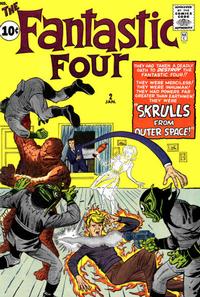
The leader of the Fantastic Four, Reed Richards gained his stretching abilities due to a scientific experiment gone horribly wrong. The funny thing about Reed Richard’s powers is that for someone with such goofy-looking powers, Reed is unquestionably a total stiff in terms of his personality. The contrast between his somewhat frivolous powers and his intellect make him an interesting leader of one of the classic super teams, even though he’d rather spend all of his time in a lab.

The Elongated Man

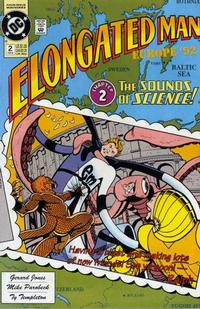
In an amusing coincidence, the Elongated Man’s powers are also fruit based. It seems like poor Ralph Dibney is always going to be a second-string character, because it doesn’t do much good to be a detective in the same universe as Batman. It also doesn’t seem to be all that wonderful to be super stretchy in a universe containing Plastic Man. He’s doomed to be second best and he and his wife seem to be mainly used as cannon fodder in DC crossover event comics.

Jimmy Olsen (Elastic Lad)

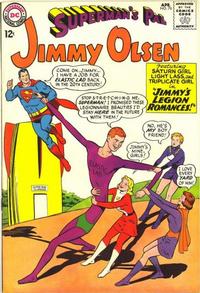
When Superman’s best friend travels forward in time to hang out with the Legion of Super-Heroes, he does so by taking on the abilities of Elastic Lad when he drinks a serum. Unfortunately his super powers do not enable him to make time with the Legion ladies very effectively. Jimmy’s transformation into Elastic Lad were part of a general pattern where he endured being changed into any number of strange creatures. If you’ve been transformed into a giant turtle boy, gorilla, or a radioactive dude having temporary elastic powers seems completely normal.

Plastic Man

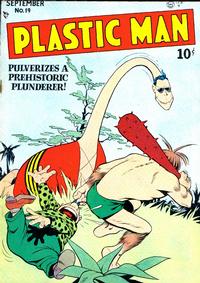
Plastic Man is by far my favorite stretchy super hero, mainly because Jack Cole was an incredibly talented cartoonist who took full advantage of the idea of someone having elastic powers. Eel O’Brian was a thief who was splashed by a strange acid, gaining Most stretchy superheroes have some degree of invulnerability due to their malleable nature, but Plastic Man is able to transform himself into any shape imaginable while still retaining the distinctive red and yellow coloring of his costume. Plastic Man comics end up being delightfully surreal, but comics featuring other heroes with elastic powers often just focus on their stretchy limbs instead of taking full advantage of the possibilities of a person made of rubber.

Luffy seems to be partially invulnerable due to his rubber powers, but he mostly uses his elastic abilities to pack some powerful punches, just based on the first couple volumes. I’m curious to see how his elastic powers are used further into series.

Filed Under: UNSHELVED

Viz Signature Quick Takes – 20th Century Boys, Children of the Sea, and Detroit Metal City

December 1, 2010 by Anna N

20th Century Boys Volume 11

I made a conscious decision that I was going to invest in one Urasawa series, and that would be 20th Century Boys. I read the first three volumes of Monster, and a couple volumes of Pluto but I just feel more invested in finding out what’s going to happen in the sprawling narrative of 20th Century Boys than Urasawa’s other series. With the eleventh volume, we’re at the halfway mark for the series, and there’s plenty of emotional trauma and action as Kanna finds out the truth behind her parentage and the Friends are on the street persecuting any ally of Kanna’s they can find.

Kanna finds out that her father is the Friend, and lapses into a fugue-like state because she’s utterly unable to process that information. Her connection to her beloved uncle Kenji is severed when her old walkman finally stops working and she’s no longer able to listen to his songs. Seeing Kanna brought down so much made me realize again how young she is, even though she’s exhibited cleverness and charisma as she moves towards being the focus of a resistance movement against the friends. Kanna works through the revelation about her father only to find out that her missing mother was a biomedical researcher who might have contributed the disease outbreak that proceeded the Bloody New Year’s Eve. Sadakiyo makes a final decision about what to do with his life, and Kanna meets up with classmate Kyoko and some of Kenji’s other allies. A special bonus in this volume was the reappearance of Otcho, who is one of my favorite characters. I can see the different threads of Urasawa’s story start to come together, and I’m happy to be on board for the next ten volumes.

Children of the Sea Volume 4

I read the first volume of Children of the Sea and caught a few chapters online, but I’ve missed a some chapters. Fortunately so much of this series is expressed in the beautiful art, it was easy just to crack open the book and let the atmosphere created by the philosophical characters and gorgeous illustrations wash over me.

Ruka has vanished with Umi and quirky scientist Anglade. Her parents and Jim are left alone to unravel the mystery behind her disappearance. While sending out search parties is ineffective, Ruka’s mother who used to be a traditional shell diver sets out to find her daughter along with the wisewoman Dehdeh. Kanoko works through her own relationship with the sea as being on the ocean to find her daughter makes her recall her childhood. Other flashbacks feature the strained relationship between Anglade and Jim, with plenty of scientific theorizing from Anglade as he touches on issues of evolution, astronomy, and the nature of time and space. Ruka and Sora explore a strange underwater world in the presence of a mystical meteorite. I had no idea what was going on with Ruka and Sora, but the images of them encountering bizarre sea creatures were arresting. Igarashi creates this manga with such a unique atmosphere and reading experience. I wouldn’t have thought that the mysteries of the sea combined with child explorers and a healthy dose of scientific theorizing would be so compelling, but Children of the Sea pulls it off admirably.

Detroit Metal City #7

Detroit Metal City is a manga that I’m happy to read if I stumble across a copy, but I probably wouldn’t make a special effort to seek it out. I did think in my review of the previous volume that the hints of an ongoing storyline might combat the repetitive nature of the main joke behind this manga about the meek Soichi who is helpless in the face of his uncanny talent for being a profane front man for a death metal band.

Unfortunately I found that the story carried over from the last volume dragged a little bit. Soichi has found a substitute Krauser II to take his place, but a challenger named Krauser I may destroy DMC. Despite a truly odd sequence of Krauser I raping Tokyo Tower, there wasn’t a whole lot of interest in the Krauser confrontation, as it seems that every contest ends with establishing that Soichi can yell “rape” faster than any human on the planet. I did enjoy Soichi’s ill-fated attempt to connect with his desire to create pop music by entering an artists’ colony. Despite the fact that Wakasugi isn’t the most gifted cartoonist around, seeing the blandly happy faces of the art students and reading Soichi’s lame pronouncements like “the curry might get cold, but never our passion” was hilarious. The volume finished up with a few short chapters about a bad hair day for Soichi and the lengths he will go to in order to prevent his younger brother from losing his virginity. So overall, DMC 7 was a bit of a mixed bag – there were a few very funny moments mixed in with some episodes that were a bit long.

Review copies for Children of the Sea and Detroit Metal City provided by the publisher.

Filed Under: UNSHELVED

Amazon Manga Deals

November 28, 2010 by Anna N

There are some pretty good deals on manga on Amazon right now:

$17 Drunken Dreams and Other Stories:

It looks like several random volumes from ongoing series are at 40% off, like:

Black Butler

Alice in the Country of Hearts

Hetalia: Axis Powers

Filed Under: UNSHELVED

New Let’s Get Visual: Of Sakura and the Sea

November 27, 2010 by MJ 1 Comment

It’s the last Saturday of the month, which means time for a new installment of Let’s Get Visual at Michelle Smith’s Soliloquy in Blue!

My subject this time around comes from Daisuke Igarashi’s Children of the Sea, published in English by Viz Media. My point of discussion revolves around panel size, and how Igarashi uses it to influence the reader’s experience, up to and including how we feel about the characters and what they’re telling us.

In a series that is known for its beautiful (and unusual) artwork, I found it fascinating to analyze the way the artist uses structure as a tool as well.

Following that, Michelle leads us into a wonderful discussion about the way a mangaka can use art as a kind of emotional shorthand, demonstrated in several scenes from Mari Okazaki’s Suppli.

As always, we’re seeking input from those more knowledgeable about these things than we. So please come along and let us know where we’ve gone wrong!

Filed Under: NEWS Tagged With: let's get visual

2010 Manga Gift Guide

November 27, 2010 by Anna N

Here are my picks for manga to give to people this holiday season! Here’s my guide from last year, in case you’re curious about my previous picks.

We’re lucky to be living in an age of awesome omnibus editions, and I think they make awesome gifts for manga fans. The books on this list are suitable for teens and adults, I didn’t read a ton of all ages manga this year.

For the fan of classic shoujo:

I don’t think it gets much better than the Dark Horse Clamp Omnibus releases. Some of the more recent Clamp series leave me a little cold, but it is hard to recapture the charm and whimsy of the original Cardcaptor Sakura. With plenty of outfit changes, a tarot card-inspired magical quest, and puppy-love crushes popping up everywhere, Cardcaptor Sakura is a must read for any fan of shoujo fantasy. I tend to be merciless about culling my collection if I have older volumes when I know I’m going to buy the same manga in a deluxe edition, so I don’t have my old stray volumes of the original Tokyopop release. I can’t compare the old and new translations, but I do appreciate the great paper quality of the new Dark Horse edition, as well as all the bonus color illustrations included in this volume. I’m looking forward to collecting the rest of this series.

Itazura na Kiss came out last November, but I didn’t read it until 2010 so I’m including it in this gift guide. The dim-witted heroine with lots of heart is a shoujo staple, and sometimes such a cliched character type can be a little annoying. However, one of the reasons why so many lazy mangaka turn to this character type is the classic and hilarious portrayal of Kotoko in Itazura Na Kiss. Kotoko’s hopeless and all-consuming love for the epitome of Japanese eliteness Irie inspires sympathy in me as opposed to resignation. Kaoru Tada surrounds her odd couple with a large and hilarious supporting cast, making Itazura Na Kiss much more interesting than you might think for a story that follows the romance of a nice but simple girl and her chosen snobbish but intelligent guy.

For the shoujo fan who has everything:

One of my pleasant discoveries late in the year was the omnibus edition of Toru Fujieda’s Dragon Girl. I enjoyed her series Oyayubihime Infinity from CMX, and Dragon Girl makes a slightly goofy premise (girl infiltrates a traditional Japanese cheering club) much more enjoyable than you might think. Rinna’s relentless pursuit of excellence in cheering and total lack of embarrassment even as some of her classmates attempt to pick on her are admirable, and Fujieda manages to create an interesting reverse harem story with plenty of humor. I’m looking forward to the second and concluding volume when it comes out later in the year, and I think the double omnibus edition will make a great addition to any fan of silly shoujo. I haven’t seen this title get as widely reviewed as other shoujo titles recently, so this is my under the radar new shoujo pick.

For the alternative comic fan:

If you know someone who tends to prefer alternative or indie comics, there are some manga out there that should appeal to them. Tops on the list is the Top Shelf anthology AX Volume 1. My full review is here, but the short version is that AX is a carefully curated anthology that gives the reader a new appreciation of the variety of storytelling and art styles that come out of the alternative comics scene in Japan. This would also be a great gift for the manga fan that appreciates volumes that fill in their knowledge of the history and development of the art form.

Other options would be almost anything from Viz’s Sigikki line which is filled with unique storytelling and distinctive art styles. My current favorites from this line are Children of the Sea, Afterschool Charisma, and House of Five Leaves. I think House of Five Leaves, with its slice of life account of a diffident ronin accidentally falling into a life of crime might appeal most to indie comic fans who are open to trying out some manga.

Fans of craziness in comic form – post apocalyptic sci-fi seinen version:

I’ve only read one volume of Biomega and I mean to track down the rest of the series at some point. However just from reading the first volume I wouldn’t hesitate recommending the title to anyone with a sense of humor who enjoys dark twisted science fiction. Tsutomu Nihei’s vision of the future is filled with stylish zombie fighters, abandoned places with interesting architecture, and a talking bear with a machine gun. I don’t think it gets much better than that. I can’t say that Biomega was terribly coherent, but the gorgeous art, creepy zombies, and the aforementioned talking bear with the machine gun goes a long way in satisfying me as a reader. Also: talking bear with machine gun.

Fans of craziness in comic form – cracktastic fantasy shoujo eye-candy version:

This was a really good year for shoujo. But the new series that immediately captured my attention was Demon Sacred, Natsumi Itsuki’s manga about mystical creatures from another dimension that manifest as unicorns and dragons, then take the form of super-hot idol singers when bonded to teenage girls. Add in the medical mystery surrounding the reverse-aging disease called Return Syndrome, a hot genius scientiic researcher, and angsty twin girls and you get one of the most genuinely crazy shoujo plots that I’ve seen since Moon Child. Priced at $5.99, it would be easy to pick up the first couple volumes for any fan of loopy shoujo series. While the first volume of Demon Sacred was a little dense, by the second volume I had given myself over to the craziness and I am eagerly looking forward to the third volume which is coming out at the end of the month, because I need another hit. Nope, this series isn’t addicting at all!

Shonen manga of the year:

I didn’t expect that I’d love Cross Game so much, but this slice-of-life story about a young baseball prodigy touches on issues kids face as they grow up with the baseball serving only as a backdrop. As the characters age and move up in school, they face challenges that go beyond just the baseball field. Ko is an engaging hero, and I’m genuinely curious to find out how he and his friends deal with the corrupt baseball coach at their high school. The three volume omnibus helps compensate for the slightly slow start to the series, but I appreciated being able to read a sports manga that showed time gradually passing for the characters.

Box Sets

Box sets might not be useful for established manga fans, but for newer fans who might not have collected the volumes yet, they could be a great way to get someone hooked.

Death Note Box Set (Vol. 1-13)

Vampire Knight Box Set

Fruits Basket, Vols. 1-4

As for what’s on my wish list, I’d probably want to fill in the gaps in some of the Viz signature series where I don’t have all the volumes, like getting the rest of Biomega, snagging volumes 2 and 3 of Children of the Sea, and the second volume of House of Five Leaves.

Happy Manga Shopping!

Filed Under: UNSHELVED

Saturday Morning Cartoon: Vision of Escaflowne

November 27, 2010 by Anna N

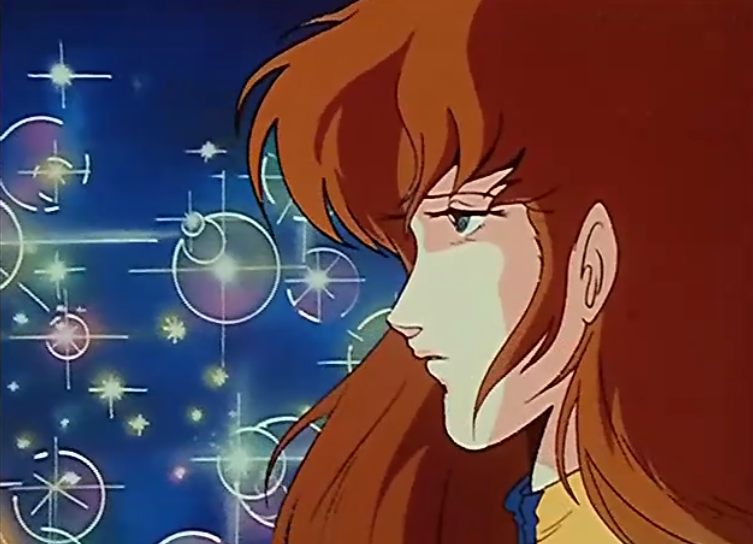
Today’s Saturday morning cartoon is one of my all time favorite anime series, Vision of Escaflowne:

I might have been introduced to anime first by Robotech, but Escaflowne was the show that reeled me back in to watching it again after a long absence. I caught one of the episodes when it ran on American TV and decided to seek out the Japanese version. I liked the way Escaflowne combined mecha with a historical fantasy setting. I tend to rewatch this show every two to three years, and sometimes dip in for an episode or two if I’m feeling sick. If you know of similar shows to Escaflowne that I might enjoy, please post your recommendations!

Filed Under: UNSHELVED

Summoner Girl Volume 1

November 22, 2010 by Anna N

Summoner Girl Volume 1

I think with this series, I have contracted a severe case of yokai fatigue. This manga probably won’t interest older readers who are already very familiar with monster hunting storylines from other manga, but I think it would be a fun read for younger readers. Hibiki is a summoner, given the ability to call on spirits that embody the five elements. She’s set on a quest to gather mystical jewels in order to fulfill her destiny to become High Summoner. Hibiki’s sent on quests by her overly enthusiastic grandmother who urges her to ditch school if there’s a spirit nearby that needs hunting. Hibiki is aided by a slightly dim-witted boy named Kenta who possesses some spiritual powers of his own. One aspect of the manga that I thought was interesting was the way Hibiki takes on the personalities of the spirits she summons to help her, for example becoming angry and belligerent when she summons the aspect of fire. Even though Hibiki hunts spirits, her general approach is to try to understand them instead of pounding them into submission with her considerable mystical powers. Hibiki’s spirit aides take the form of cute animals that rest on her shoulders, offering a running commentary on the action

Kubota’s art has a mobile, thin line which blends in cute drawings of Hibiki with elements of the grotesque like a yelling wrinkled grandmother, a house filled with cobwebs, and a snarling fox spirit. The plot was exactly what I’d expect from a yokai manga, without anything extra to draw me in to want to read much more of it. While Summoner Girl didn’t fully capture my attention, I think the combination of Hibiki’s good-willed approach to spirit hunting, demon fighting, and jokey sidekicks would appeal to younger readers. I wouldn’t hesitate to recommend this volume to a young teen wanting a new action series featuring an engaging heroine.

Review copy provided by the publisher

Filed Under: UNSHELVED

Shonen Quick Takes – Hikaru no Go 21 and Arata the Legend 4

November 21, 2010 by Anna N

Hikaru No Go Volume 21

It has been some time since I’ve read Hikaru No Go. I started getting it when it came out and collected up to volume 11 or so, and stopped automatically buying it because I thought at some point I’d go back and fill in the missing volumes. Even though there was a big gap for me, it wasn’t hard at all to pick up this volume and get back into the story.

Hikaru has gone pro, and much of the volume centers around his preparation for his first big international tournament. Many people have a stake in showcasing young players at the tournament. The Go associations and media think there will be more general interest if younger players are included. Hikaru and Toya play well enough in the preliminaries to be selected for the tournament, along with Yashiro and Kurata. Even though I know almost nothing about Go, Obata’s art still makes all the matches and rivalries between the players look dynamic. Hotta’s story juggles several themes and sub-plots, so even though the main storyline might be about gearing up to compete in a tournament, there’s so much other stuff going on that the plot doesn’t seem stale. Akira’s father is competing overseas even though he’s retired. He’s still on a quest to find the divine move, and the way Akira looks at his father shows some frustration that I think is going to be explored in a later volume. A Korean player is talking smack about Hikaru’s former mentor Sai, setting up a cross country rivalry. Hikaru and his teammates sequester themselves for training, and Hikaru is still falling short when playing games against Akira. I’m looking forward to seeing how the young players handle the stress of a professional tournament. Checking in on this series again reminded me of how good it is, I need to stop being such a slacker and seek out some of the volumes that I’ve missed.

Arata: The Legend Volume 4

For the first half of this volume, I felt a little frustrated. I do generally like Yuu Watase, even if some of her series are often a bit formulaic. I like Fushigi Yugi, Fushigi Yugi Genbu Kaiden, Ceres, and Alice 19th a lot. Imadoki is simple, but very sweet. I do not speak of Zettai Kareshi. The first part of this volume was frustrting. I wasn’t sure how many times Arata was going to stumble across Kotoha when she was changing. The romance aspect of this manga is really uninteresting, I don’t particularly care about Arata being tortured with guilt because Kotoha has confessed her love to him, yet he knows she’s really in love with Other Arata who is taking his place in modern day Japan. The quest element of the story is the type of plot that Watase does often, sometimes well, and sometimes not so well. Arata’s emphasis on winning through peaceful means is a little bit of a twist on the more typical shonen fighting hero.

What made me want to keep giving the series another chance were a couple things that happened a bit further into the book. There was finally a long sequence showing Other Arata trying his best to live Arata’s life in Japan. It was interesting to see how he was able to deal with school bullies and the issue of having parents when he hasn’t had a family before. The other sequence in the book that I thought had a lot more emotional resonance was when Arata and his allies accidentally stumble in to an odd orphanage filled with plucky children who immediately start relating to them as parents. Somewhere there’s a mystical barrier, but the “adults’ in charge of the orphanage are anything but human. Arata and Kotoha befriend twins named Naru and Nagu, and the revelation about who has been creating the orphanage with magic and the resolution of the episode had much more emotional impact than a lot of the previous events in Arata. So while this is not likely to be one of my favorite Watase series, there were enough good elements in this volume to make me hope that the series might continue to get better.

Review copies provided by the publisher.

Filed Under: UNSHELVED

Saturday Morning Cartoon: Super Dimension Fortress Macross

November 20, 2010 by Anna N

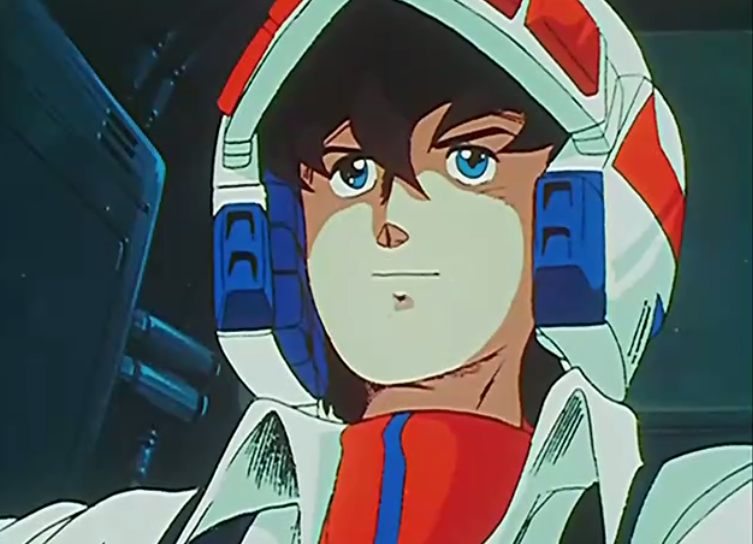
Today’s Saturday morning cartoon is the opening to the classic Super Dimension Fortress Macross! I recently finished watching this series for the first time since I saw the early Robotech episodes in 1985.

I have very specific memories of going to my Grandma’s house after school and watching Robotech in her basement. I absolutely loved the show, but back then it was impossible to rewatch or see repeat episodes. I think many of my memories of the show actually came from reading the later novelizations. So when I was watching some episodes of Macross I could tell that I was seeing them for the first time even though I’d read the scenes before, like most of the Max and Miriya romance.

I’d put off trying to rewatch this series for a long time. I think I tend to put aside some of the things I was into as a kid, just because I don’t think adult nostalgia will ever measure up to the first experience of discovering a new fictional world. I’m leery of tarnishing memories, and think that sometimes reliving childhood fandom isn’t the most productive use of one’s time. There’s nothing worse than the sinking feeling of finding out that something you loved as a child is actually a little bit lame. I remember this sinking feeling all too well when I realized that Aslan in the Narnia books was Jesus a couple years after I first read and loved the books, which was probably around the same time I first saw Robotech. So that was one reason for my trepidation and procrastination about watching Super Dimension Fortress Macross as an adult.

I was surprised at how well this series held up. Part of it I think is due to some of the appealing character designs. It is easy to overlook the occasionally glitchy animation when the character designs are so strong.

Of course, what looks not very fluid today was absolutely groundbreaking to a 10 year old in 1985. Watching the series again, I was able to see how it really lay the groundwork for later philosophical fighting mecha shows. Macross has plenty of space opera, but for all the scenes of transforming mecha fighting aliens, at the core of the show is a longing for peace and a lot of heart. I was glad to finish rewatching Super Dimension Fortress Macross with the knowledge that my 10-year-old self did have excellent taste in after school cartoons. Macross is the reason why I to this day think that airplanes that transform into fighting robots are awesome. Really, it doesn’t get much better than that.

Filed Under: UNSHELVED

AX Volume 1: A Collection of Alternative Manga

November 18, 2010 by Anna N

AX Volume 1: A Collection of Alternative Manga edited by Sean Michael Wilson

I’ll be the first to admit that my tastes in manga are decidedly mainstream. I do enjoy the occasional wacky seinen title, but I generally read manga for my daily dose of escapism and don’t go out of my way to be challenged. I have a soft spot for anthology titles, because back in the dark days before the current manga explosion, all I had to read were my Eclipse/Viz floppy comics and the manga excerpted in Manga! Manga!: The World of Japanese Comics. I was interested to check out this anthology when it first came out, but decided to purchase it later. So I was excited when I managed to snag a copy in a ComicsAlliace twitter giveaway.

AX is carefully curated, with stories selected that show the true variety of Japanese alternative comics. I was blown away by the variety of art styles in this volume, from the detailed European forest city overrun by mushrooms in “Mushroom Garden” to the bean-head motorcycle lovers in “Enrique Kobayashi’s Eldordo”. “Into Darkness” featured a lush garden entwining around a corpse, while “The Neighbor” showed an inexplicable feud developing with flat, sparse sketches. The themes of the stories ranged from the surreal as shown in “Six Paths of Wealth” where a mother pushes her daughter to engage in some unconventional behavior with insects, to the everyday life of a salaryman who suddenly decides to take up boxing in “The Song of Mr H.”

As with any anthology there were a few stories that weren’t to my taste. I might be a prude, but I don’t tend to get much out of stories where the main point of the narrative is to be transgressive mainly by showing sex acts or bodily functions. If I wanted to read stuff like that, I figure I could always seek out something like Prison Pit. Fortunately the way the selection of the stories was paced, when I was reading I wasn’t mentally checking off repetitive themes like “Penis, sex with a cursed plant-woman, the runs, giant penis, penis again.” Instead there was more variation in the way the anthology was put together, so my running tally of themes was more like “Naked woman, fable about insanity told with assassins, boy falls in love with a butterfly, massive existential angst and vomiting, penis, symbolic story about a relationship breakup.”

The production quality for the book from Top Shelf Productions was excellent. I am always a sucker for paperback books with french flaps, and I appreciated the inclusion of author notes for all the stories collected in the anthology. I appreciated the variety of artists represented, especially the inclusion of many female artists. With Drunken Dreams and AX being published, 2010 is ending as a good year for providing readers with access to important and influential manga. I hope that this book does well enough that we get a second volume published. With so much commercial, slickly produced manga (that I dearly love!) out there, it is also good to take a step back and gain a wider appreciation for the sheer variety of stories that can be told in the comics medium. AX will be a great addition to the bookshelf of any well-rounded manga fan.

Filed Under: UNSHELVED

Tokyopop Quick Takes – Karakuri Odette, Neko Ramen, How to Draw Shojo Manga

November 18, 2010 by Anna N

Karakuri Odette Volume 4

I think this takes the prize for most consistently charming shoujo manga. I mean, take a look at the riff on Revolutionary Girl Utena in the cover illustration. How cute is that!? Odette makes a new friend when she meets Shiroyuki, a rich girl who lives in isolation because she can read people’s minds. When Shiroyuki meets Odette she’s happy that she can’t read her thoughts, and Odette encourages Shiroyuki to start attending school. Shiroyuki thinks that Odette must be picked on at school and is determined to save her. Unfortunately Odette already seems to have things well in hand, despite her tendency to immediately do other people’s classroom chores when asked. There’s also an appearance by Kurose, Odette’s juvenile delinquent with a heart of gold non-boyfriend. He starts getting stalked by another girl, which awakens feelings of jealousy in Odette. Suzuki’s pacing is great. There are little hints here and there that show Odette might becoming something more than just an android. Her dependence on her battery seems to be lessening, and her experiences of new emotions through her interaction with her friends seems to be increasing. There are only two volumes left in this series, and I’ll be sorry to see it end.

Neko Ramen 2

People who liked the first volume of this series about Taisho, a cat who inexplicably runs a ramen shop, will find the second volume equally enjoyable. There are plenty of gags about Taisho switching out different theme corners of his shop in an effort to find an added attraction. He goes through options like a petting zoo and spiritual fortunes in short order. Taisho also does curry experiments, with disastrous results.It felt to me like there were a few more long form comics included in this volume as opposed to the 4-coma strips. The longer stories focused on Taisho’s famous cat model father and a food competition that seemed like a satirical take on the food battles often found in cooking manga like Iron Wok Jan. Hapless businessman Tanaka gets a shock when his father has a mid-life crisis and confesses his secret desire to open a ramen shop. This is one of those manga that I think is best read in spaced-out stages, because while the jokes are funny, there’s a certain element of sameness for the reader when reading a bunch of similar gags back to back.

How to Draw Shojo Manga

I’m not an artist, but I think that this how to draw book will be interesting for shoujo fans since it was put out by the editorial teams of some of Hakusensha’s manga magazines. There’s a simple story used as a framing device – enthusiastic but slightly clueless aspiring manga artist Ena gets put through her paces under the guidance of Sasaki, a manga editor. Topics like what tools to use, drawing people and objects, composing panel layouts, working on storyboards, and developing characters are briefly touched on. While this volume is too slender to use as a true drawing textbook, it does introduce a lot of terminology and concepts that provide a basic overview of the manga-making process. Some of the details included are likely to be too specific to the Japanese system to be very useful for American aspiring manga artists. An appendix on alternate routes to publication, like how to create a webcomic, might have been useful. Still, I enjoyed leafing through this book but I was tortured by the inclusion of some of the examples from untranslated Hakusensha manga. Now I’m curious about English Tutoring School Wars, Go! Hiromi, Go!, and especially the Tea Prince’s Princess which appears to feature a hot guy playing the cello with some unfortunate bowing technique. I do think this title would be a popular addition to any library’s collection of how to draw books.

Review copies for Neko Ramen and How to Draw Shojo Manga provided by the publisher.

Filed Under: UNSHELVED

  • « Go to Previous Page
  • Page 1
  • Interim pages omitted …
  • Page 47
  • Page 48
  • Page 49
  • Page 50
  • Page 51
  • Interim pages omitted …
  • Page 62
  • Go to Next Page »
 | Log in
Copyright © 2010 Manga Bookshelf | Powered by WordPress & the Genesis Framework