• Skip to primary navigation
  • Skip to main content
  • Skip to primary sidebar
  • Home
  • About Us
    • Privacy Policy
    • Comment Policy
    • Disclosures & Disclaimers
  • Resources
    • Links, Essays & Articles
    • Fandomology!
    • CLAMP Directory
    • BlogRoll
  • Features & Columns
    • 3 Things Thursday
    • Adventures in the Key of Shoujo
    • Bit & Blips (game reviews)
    • BL BOOKRACK
    • Bookshelf Briefs
    • Bringing the Drama
    • Comic Conversion
    • Fanservice Friday
    • Going Digital
    • It Came From the Sinosphere
    • License This!
    • Magazine no Mori
    • My Week in Manga
    • OFF THE SHELF
    • Not By Manga Alone
    • PICK OF THE WEEK
    • Subtitles & Sensibility
    • Weekly Shonen Jump Recaps
  • Manga Moveable Feast
    • MMF Full Archive
    • Yun Kouga
    • CLAMP
    • Shojo Beat
    • Osamu Tezuka
    • Sailor Moon
    • Fruits Basket
    • Takehiko Inoue
    • Wild Adapter
    • One Piece
    • After School Nightmare
    • Karakuri Odette
    • Paradise Kiss
    • The Color Trilogy
    • To Terra…
    • Sexy Voice & Robo
  • Browse by Author
    • Sean Gaffney
    • Anna Neatrour
    • Michelle Smith
    • Katherine Dacey
    • MJ
    • Brigid Alverson
    • Travis Anderson
    • Phillip Anthony
    • Derek Bown
    • Jaci Dahlvang
    • Angela Eastman
    • Erica Friedman
    • Sara K.
    • Megan Purdy
    • Emily Snodgrass
    • Nancy Thistlethwaite
    • Eva Volin
    • David Welsh
  • MB Blogs
    • A Case Suitable For Treatment
    • Experiments in Manga
    • MangaBlog
    • The Manga Critic
    • Manga Report
    • Soliloquy in Blue
    • Manga Curmudgeon (archive)

Manga Bookshelf

Discussion, Resources, Roundtables, & Reviews

MangaBlog

New licenses from Vertical

March 4, 2013 by Brigid Alverson

Vertical had two new licenses to announce at Genericon last Friday: Kyoko Okazaki’s Pink and Tōru Oikawa’s From the New World, an adaptation of the novel by Yūsuke Kishi.

Johanna Draper Carlson looks at the new shoujo titles announced by Viz, two of which are rated 18+, and wonders if they will be closer to josei than shoujo.

The Manga Bookshelf bloggers discuss this week’s new manga, and MJ and Michelle Smith chat about some recent releases in their Off the Shelf column. And Travis Anderson has a license request: He wants to see the return of The Kindaichi Case Files.

Reviews: Ash Brown looks at a week’s worth of manga reading at Experiments in Manga.

Katherine Hanson on vol. 7 of Aoi Hana (Yuri no Boke)
Anna on vols. 1 and 2 of Barrage (Manga Report)
Johanna Draper Carlson on vol. 4 of A Bride’s Story (Comics Worth Reading)
Johanna Draper Carlson on vol. 1 of BTOOOM! (Comics Worth Reading)
Johanna Draper Carlson on vol. 7 of A Devil and Her Love Song (Comics Worth Reading)
Johanna Draper Carlson on vol. 3 of Limit (Comics Worth Reading)
AstroNerdBoy on vol. 4 of Love Hina (omnibus edition) (AstroNerdBoy’s Anime and Manga Blog)
Laura on vols. 1 and 2 of Missions of Love (Heart of Manga)
Sean Gaffney on Neon Genesis Evangelion: Comic Tribute (A Case Suitable for Treatment)
Derek Bown on last week’s issue of Shonen Jump (Manga Bookshelf)
Sean Gaffney on vol. 30 of The Wallflower (A Case Suitable for Treatment)
Filed Under: MANGABLOG

The Stu Levy Interview

February 24, 2013 by Brigid Alverson

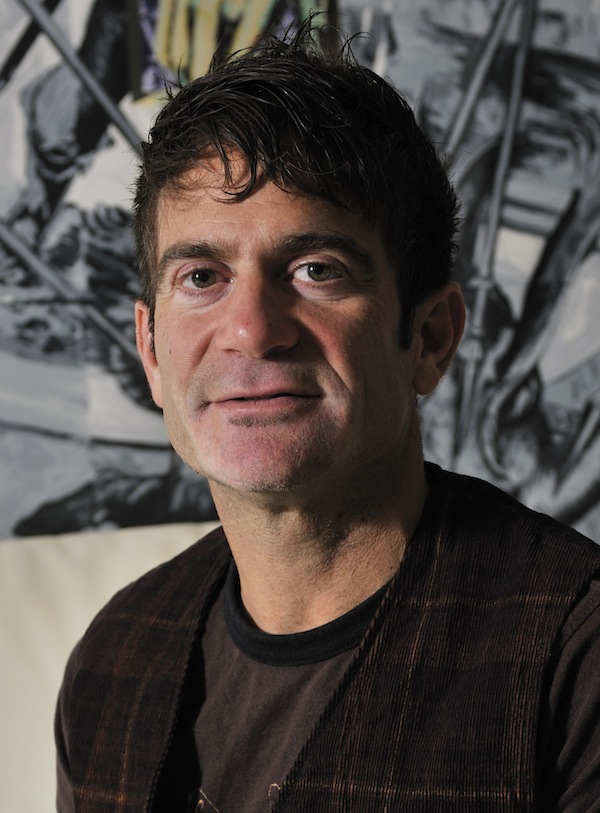
stu_headshot_2012feb

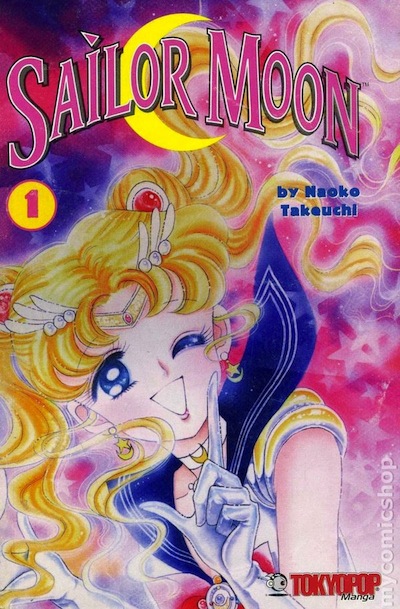
Stu Levy, the CEO of Tokyopop, is one of the founders of the manga publishing industry in the US and indeed, it’s not too much of a stretch to say that he has had a lasting effect on the entire graphic novel industry. Beginning as Mixx in 1997, Tokyopop brought Sailor Moon to America, first in the pages of its MixxZine and then Smile magazine and later as graphic novels. Tokyopop grew rapidly from there and in its heyday was the largest manga publisher in the U.S. Levy helped standardize the manga format and popularize unflipped manga, which Tokyopop billed as “100% Authentic.” Shoujo (girls’) manga helped bring girls and women into the comics world as readers, and the company’s Rising Stars of Manga program and its line of original manga provided an avenue into paying work for many creators.

Tokyopop was ahead of its time in many respects (they were making cell phone manga before smart phones were in widespread use, for example) but the company also suffered a series of setbacks, and it closed its doors as a book publisher in April 2011. Recently it has re-emerged, selling off its backlist and publishing a handful of volumes in print-on-demand format and as e-books.

Many people, myself included, have been critical of Stu and his stewardship of Tokyopop over the years. Nonetheless, his contributions to the world of manga and graphic novels cannot be denied. I asked him to do this interview, which was conducted via e-mail, in order to hear his perspective, and I appreciate his candor in answering some difficult questions.

Brigid: I read in another interview that you didn’t read comics as a child. Is that true, and if so, why did you turn to the medium as an adult?

Stu: I grew up watching cartoons and television, movies, listening to music, reading books, playing video games, and partaking in other geek activities such as D&D, Rubik’s Cube, model trains, and science experiments. But for some reason I was never exposed to comic books. I’m not really sure why—maybe it was just my neighborhood in Los Angeles and that particular era.

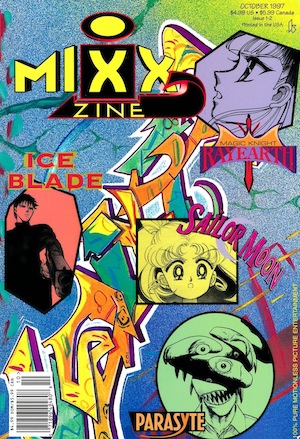
MixxZine

Let’s start with Mixx: What inspired you to publish a manga magazine in the U.S.?

In my early 20’s, I went to Japan to study, and became hooked on Japanese culture ever since. While I lived in Japan studying the language, I lived with a Japanese host family. The son and daughter, who were in middle school, watched Dragon Ball Z every night during dinner, and I quickly became hooked. Soon after, a Japanese friend gave me my first manga—Parasyte (Kiseiju). I was skeptical since I had not read Western comics growing up, but as I devoured it, I became addicted. Next I read Slam Dunk and it continued from there. It seemed to be the stories of manga were cinematic with incredible character development, and a few years later when I met Kodansha at a new media trade show in Cannes, I recommended to them developing Parasyte as a feature film. The Kodansha staff and I became good friends and he taught me all the “inner secrets” of Japanese manga, from editorial to marketing. It was from that point on that I came up with the concept of bringing Japanese manga to America, and starting with a magazine that mixed manga titles seemed like a convenient platform to introduce readers to manga.

What was your original plan for it—did you plan to simply keep it a magazine, or were you planning from the beginning to expand in different directions, such as digital publishing?

The goal from the beginning was to create a “mix” (hence the original name “Mixx”)—a mix of stories, a mix of media, and a mix of cultures. That was the company’s vision. It was very natural to develop an online presence from very early in the company, but back then digital publishing outside of a simple website was not an option (no smart phones, no tablets, no e-readers, and not even PDFs!).

Sailor Moon 1

From what people tell me, conventional wisdom at the time was “girls don’t read comics.” You published Sailor Moon. How did you get that license, and what made you think it was a good idea?

It was definitely conventional wisdom. Sailor Moon already had a huge following because the anime had been introduced on American television, but the ratings weren’t particularly high so it had been cancelled. A growing base of fans created a mammoth petition asking for it to be returned to television, but when I started the manga business it was off television. I had a very small team at that time and we reviewed Kodansha’s titles. Sailor Moon seemed like a big opportunity, mainly because of its awareness, and our concept of “mix” included different readership demographics. So, we chose two stories aimed more at female readers (Sailor Moon and Magic Knight Rayearth) and two aimed more at male readers (Parasyte and Ice Blade). We were fortunate that Kodansha had not licensed it to their main licensee at the time, Dark Horse, who supposedly had turned it down because of the “conventional wisdom” that girls won’t buy or read comics. When we launched it at our first San Diego Comic-Con—I believe that was 1997—Sailor Moon was a huge hit, and it established us quickly. A few months later, the videos were released and the anime returned to TV at Cartoon Network, where its ratings were pretty good.

Tokyopop pioneered what has become the standard format for manga today—5 x 7 trim size, unflipped, black and white—none of these things were inevitable when publishers first started importing manga to the U.S. I know Viz was toying with it at the same time—why did you decide to go this route, and what do you think made it a success?

By 2000, the business was doing pretty good, but Sailor Moon continued to be our mammoth hit. Other titles struggled, although we did pretty well with Magic Knight Rayearth. One of the challenges was creating awareness for what was still mainly an unknown niche. The term “manga” had not been introduced, and we manga publishers were calling them “comics.” But Western comics were at a low point, and retailers weren’t excited by comics. We were trying to expand our presence in regular bookstores because we felt this was the best way to expose manga to many people who did not read comics or visit comic book stores. The problem, in particular, was that girls at the time did not shop at comic book stores, and they were our largest group of fans thanks to Sailor Moon. Early on, Waldenbooks and Borders supported manga and that is where we sold most of our product. But we wanted to expand with other titles.

I had previously worked in the video game industry, as Japan correspondent for Electronic Gaming Monthly magazine and as a licensee of Sony Playstation. I had also published CD-ROMs in the beginning of my career. And I had seen how CD-ROMs died as a market because the formats were not standardized. Standardization was an effective way of growing a market segment, and branding was the other. I was inspired by Playstation’s approach to 3rd party licenses, requiring consistent branding, packaging and distribution. So, my concept was to apply this approach to manga—to make the format consistent and standardized and to aggressively brand Tokyopop as the main purveyor of great manga. At the same time, we decided to use the Japanese word “manga” instead of “comics” to differentiate. No one had ever done that before. Finally, I had observed “right-to-left” work in Korea and Germany, which convinced me to give it a shot in the US. Retailers were against it, but the Japanese licensors and artists very much preferred not “flipping” the reading to Western style. Combining the format and branding strategy with the “right-to-left,” authentic reading style was our big launch in 2000. Honestly, we gambled the entire company on this and did not “test” the product since I believed such tests wouldn’t work—it was all or none. We launched with 9 titles, which was an unheard of number of titles at the time, and we used in-store displays which was also non-existent in graphic novels and rare in books. But it worked! In fact, at our peak, many people assumed that all manga—even big hits published by our competitors—were Tokyopop books. And one of my most cherished contributions personally is bringing an entirely foreign word—manga—to the English language. It’s something I’m quite proud of.

FFTP-GBOOTH_PEOPLE

Marketing to teenage girls is very tricky—just ask the Minx folks! Why did Tokyopop succeed at this?

I don’t think we aimed to market at girls per-se. We had a very strong weapon with Sailor Moon and expanded that by bringing a number of compelling shojo titles to market, including of course the mega-hit Fruits Basket. It was really the amazing content that built up the teenage girl market—and our ability to make it easily accessible.

Why did you think it was important to establish an OEL manga program?

While the licensed manga business was doing well, it wasn’t entirely satisfying for a couple of main reasons, which led to my decision to invest significant capital into our original manga program. The main reason was creative—there is only a certain amount of satisfaction from adapting existing stories into English. It’s certainly enjoyable, but for those of us who have a passion for storytelling, it doesn’t completely satisfy. Actually creating stories from scratch is much more creatively rewarding, although it is also a much more difficult business model. But I firmly believed that manga would inspire talented artists and storytellers to hone their craft if we could provide an outlet and platform for them financially. That was my goal. I saw it work in Korea, and to a lesser degree, in Taiwan and Europe. Because I was not clued into the Western comics world, I wasn’t aware of the talented storytellers published on that side of the aisle. Manga and Western comics have some key differences as a reading experience and it was difficult for me to enjoy Western comics since I was so used to manga. The biggest challenge though was finding artists that were not only talented enough to draw at the Japanese quality level, but to do so for an entire graphic novel in a relatively quick period of time. The Japanese weekly and monthly magazine market’s prevalence over decades had trained a mentoring system where artists could start learning while children and the top could eventually become professional and earn substantial income. That farm team of thousands or more, leading to a few dozen stars, had not existed in the US for a few decades. I’m quite proud of the original titles we published, which launched many creators’ careers as writers and artists, as well as offered a unique and exciting opportunity to existing writers and artists. Originally I believed that it would take 5 years to truly develop a crop of top-tier talent but unfortunately the market crash and financial woes of 2008 hit us before we could make it to five years. Looking back, I believe we rushed too many titles to market in too quick of a period. It would have been better to spend time on each title and build up the program less aggressively. But I knew we were also “racing against the clock” since manga publishers (especially us and Viz) were absorbing years of top manga titles from Japan and translating them into English so quickly. I was worried we would run out of titles and be unable to maintain our publishing program, which would have prevented us from maintaining or growing our business. There was a lot of pressure from investors, so growth was the top goal—and I learned that growth has its time and place, but should not be the be-all and end-all in business. Finally, I’d like to add that the term “OEL manga” somehow became established, but I never felt it was the right term for our program since we had original manga titles we created in different languages, including Korean, German, and even Japanese. We would need to call these OKL manga, OGL manga and perhaps OJL manga, and that didn’t make sense to me. We used the term “Global Manga” which may or may not be the best term. I always wished we could simply call it “manga” and people would not distinguish between the ethnicity or national origin of the title. I think there are quite a lot of undiscovered gems in our library and I urge fans to read the titles and support their creators.

rsom7

What was the inspiration for the Rising Stars of Manga competition?

Rising Stars of Manga’s goal was always very clear—to facilitate the discovery and growth of talented manga creators. In Japan they have various competitions to discover talent, so I utilized their model initially, although publishing an anthology as a graphic novel was unique to our market since we don’t have manga magazines like they do in Japan (which is traditionally where the winners have their works published).

Tokyopop provided an avenue for many veteran and aspiring creators to create a complete manga series and get paid for it. Some of your practices came in for some heavy criticism from other creators, however, with regard to payments, rights, and the terms and even the wording of the contracts. What is your response to that?

Of course I am aware of the negative criticism that various people aimed at our original manga publishing programs. I think it is unfortunate because, frankly, this type of program was very ambitious and unique, and it needed everyone’s support to succeed. I learned the hard way that the comic book creative community in the West has a tendency to “bite the hand that feeds it,” which I do not perceive as healthy. We were very transparent with our approach: if you have an idea and pitch it to us, and together we team up to bring it to market, we both share the rewards of its success. Tokyopop would finance, develop, produce, market, and distribute the title, and the creator would write and/or draw it. We would co-own the copyrights and split up the profits, if the title became profitable. That was our business model, and I stand by it. It’s perfectly legitimate for a creator to keep one’s copyright, but when someone is willing to contribute significant value, they are going to want consideration in return. Each company has its own business model, and in our case we thought it would be fair to share. I always have felt that if terms of a contract are not attractive to you, don’t sign the contract. We always explained our intentions and worked very closely with the creators to discuss their contracts. Then it was their decision whether or not to accept our terms. It was entirely up to them, of course. Over the years, I receive emails from creators who tell me Tokyopop was more fair and transparent with them than any other publisher they’ve worked with, which makes me proud. I do think that when we released the titles, we put quite a lot of effort into marketing them, but the fanbase was not ready for these “OEL” titles so we lost a significant amount of money to build up the program. I did think it would take time, but the initial push-back of some fans who would not accept non-Japanese titles was disappointing. I’m pleased to see that the market and fandom has now moved beyond that—it seems that people are a lot more accepting of original manga titles, which is healthy. Ultimately, only a few titles hit, whether or not they originate from Japan or elsewhere. Our “OEL” program featured a very talented group of creators, and I wish I had the resources to continue that program even today.

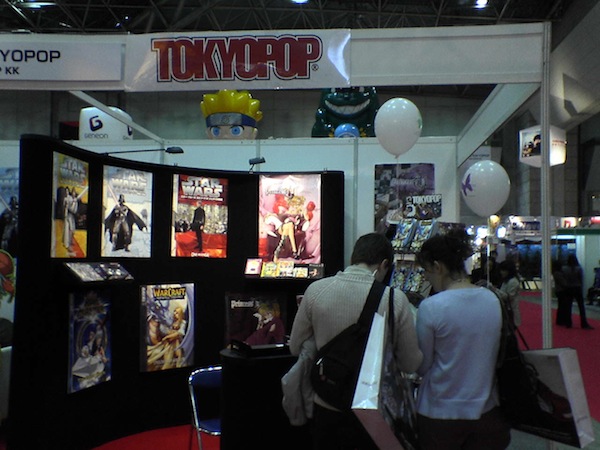
IMG00894-20100802-1729

One thing that was notable from the beginning was that Tokyopop did a lot of experimenting with new media such as cell phone manga and limited animation. Why did you do that, rather than sticking with printed books? What were the upside and the downside?

I never formed the company as a pure book publisher, and none of our investors ever invested in the company for it to be such. I have been involved in various aspects of media, especially digital media, from the beginning of my career, and I’m very much a believer in technology and the evolution of media. Those experiments were the right moves to make—I think we were just too early.

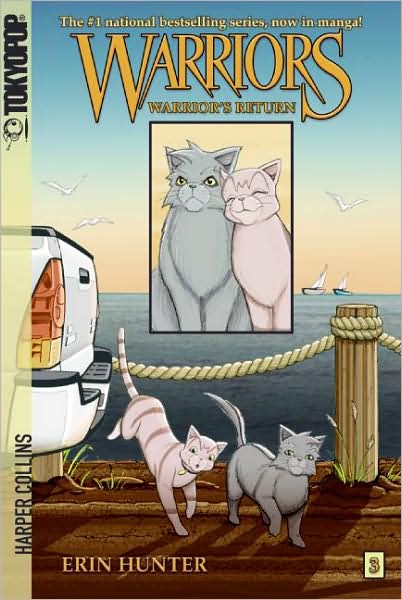
warriors manga

Your partnership with HarperCollins led to one of your most successful non-Japanese titles, the Warriors books, as well as some books that didn’t do so well. What effect did the partnership have on Tokyopop in the long run?

It was a profitable and successful partnership, and I think we established a market for adapting fiction into graphic novels.

The BLU manga line was popular with readers, but at first it seemed almost not to be associated with Tokyopop. How did it come about, and why did you keep it so separate from your main line?

We separated it so that we could publish explicit titles without associating the main Tokyopop brand with those titles. We were a Disney licensee at that time, as well as publisher of family and children’s titles, and the explicit BLU titles were not appropriate for the same brand.

In 2008, Tokyopop split into two different companies, one that would do publishing, one that would handle other media. What did that accomplish?

The main goal was to focus our resources on each of those two main endeavors. Ultimately, my plan was to raise money for the Tokyopop Media company, but the timing did not work out since the market crashed shortly thereafter.

At the same time, you cut back on the number of books published (and laid off some editorial staff). Why did you feel that was necessary?

2008 was a terrible time for our company when the financial and retail markets crashed, from the Lehman Shock and sub-prime mortgage crisis that led to the Great Recession. As a small, independent company that subsisted from its own cash flow, we were hit very hard. Product returns alone approached 80% during 2008, and we were unable to sustain a large staff of 90 people and a large office. We had no choice financially but to do significant cost reductions, including a major layoff—that was the only way to stay in business. It was the most upsetting day of my life.

2005 TAF 001

When did you learn that Kodansha was going to stop licensing manga to Tokyopop, and what was the effect on the company?

It was a process but the first major problem occurred in 2006, maybe 2005. I first learned that Kodasha did a deal with Random House by reading it online—I had not heard about it directly from them. We were publishing Love Hina, Chobits and a number of major hits, and we did a wonderful job with those titles. We edited them and marketed them well, growing the market materially. But Kodansha told me they felt Random House could expand the market. Initially, they explored acquiring our company together with Random House, but ultimately Random House decided they could publish internally at Del Rey without buying Tokyopop. So, all the key titles at the time—Negima, Ken Akamatsu’s follow-up to Love Hina; Tsubasa and XXXHolic, CLAMP’s follow-up titles to Chobits—were given to Del Rey. It crushed us. Losing Kodansha was probably the most devastating factor that hurt our business.

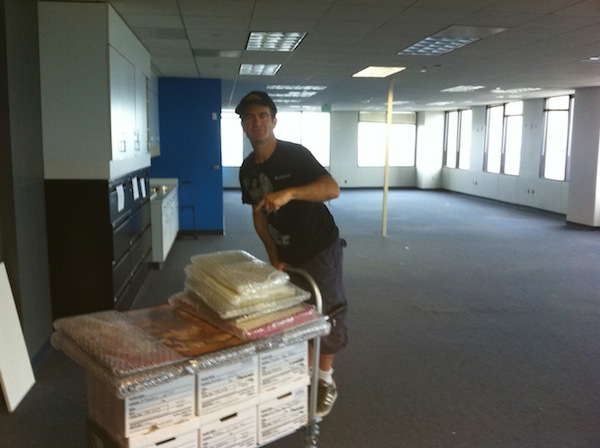
IMG_0060

Overall, what were Tokyopop’s strongest sellers?

Fruits Basket was absolutely the top series. We sold more of that series in the US market per capita of manga readers then Hakusensha did in Japan. It was unbelievable, considering it wasn’t a TV anime. After that, Sailor Moon, Chobits, and Love Hina, along with GTO and Magic Knight Rayearth were huge. For our original titles, Princess Ai was #1 on Bookscan, and together with Dramacon, Bizenghast, and I Luv Halloween was our most successful series.

What books do you wish you had never licensed?

There were some Cine-Manga that we did which cost a lot of money for licensees and bombed at retail. They weren’t aimed at manga fans, but mainly children and families. Our NBA license was probably the most glaring example, but Shrek and even Family Guy performed poorly. Timing was difficult with Cine-Manga. I think both Shrek and Family Guy—even the NBA—could have been very successful if we had nailed the timing and format.

Here’s the big question: What were the factors that led to the demise of Tokyopop as we know it? Since Tokyopop was two different companies at that point, and you were on the media side, how involved were you in the decision to shut down publishing?

I was very involved in the publishing side, especially at that time. After all, Tokyopop is my baby, and as founder, chairman and shareholder, I have the responsibility for critical decisions, especially since we’re a small company. It’s actually in some ways an easy question and in other ways very complicated. I list the main factors, which are a combination of external, market factors and internal, management factors, as being as follows:

(1) Decline of the manga segment overall—the biggest factor here was piracy. Piracy disrupted this business. I realized how critical that factor was through Gakuen Alice. This is a very entertaining shojo series that we had big hopes for. When we released it, we sold barely anything, maybe a few thousand units. This should have been the next Fruits Basket. I wondered if we could have been wrong about the title itself and perhaps it just didn’t work in North America. But we noticed that it was in the Top 5 on OneManga.com and had been viewed over a million times. That was when I realized we’re screwed.

(2) Book retail problems and the Borders bankruptcy—the book retail problems started in 2008 with significant product returns. It continued over time. Borders was on credit hold with Harper through 2008 and 2009 but they were our #1 customer so it affected our sales materially. This is one key reason we had to downsize—we were selling a lot less product. In 2010, Harper took them off credit limits, and we sold into them as normal. In December 2010, we heard that they hadn’t paid their bill, for the first time ever. That led to their bankruptcy in early 2011, and our write-off of close to $1 million in receivables for products we had already sold. That cash hit, combined with the loss of our #1 customer (1/3 of our sales) put us underwater. At that point, there was nothing to do but throw in the towel for publishing and our US office.

(3) Titles—after losing Kodansha, we had a tougher and tougher time accessing hits from Japan. The big Japanese manga publishers are Shueisha, Shogakukan, and Kodanasha. Viz is owned by the first two, which left Kodansha as our main partner for much of our history. But when they stopped licensing to us, we lost all access to the Top 3. We licensed from Hakusensha and Kadokawa, which are the second tier in Japan, and provided some big hits for us (like Fruits Basket) but we were not exclusive with either of them and the titles were spread out amongst a number of licensees. It was very difficult to build a strong line-up of licensed titles, especially trying to maintain the high overhead we had. And original titles were not yet contributing to the bottom line—in fact, they were in the red. Cine-Manga helped for awhile, Harper’s YA novel adaptations helped, and so did certain original adaptations such as Warcraft. But the Japanese licenses were always our “bread and butter” and not having access to a strong line-up was a problem that affected us over a few years.

I’d like to add that there is a misconception some people have that if we had not pursued film and television projects, or if we had been more proactive in ebooks, we could have saved the company. Just to make it clear, that was definitely not the case. On the film and television side, we did not spend any significant sums of money, and in fact deals like Priest were income-generators since we were paid fees. Regarding ebooks, we wanted to be more aggressive, but most Japanese licensors were holding back those rights as they worked on their digital strategies, which prevented us from offering a legitimate alternative to piracy.

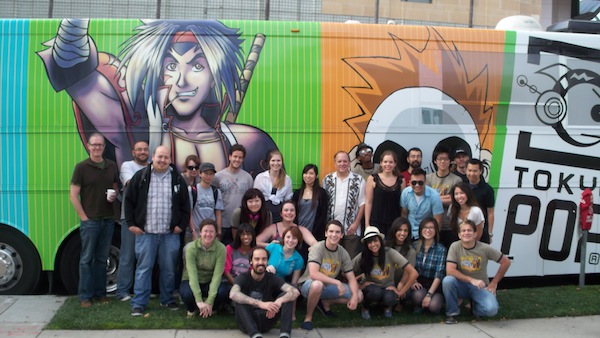
AGO bus

What is the status of Tokyopop now: Is the publishing arm of the company bankrupt or still in existence?

Fortunately, Tokyopop has never been bankrupt or put into receivership. We simply wound down our publishing operations.

And what about the media part?

Tokyopop Media still exists and has a slate of film/television projects that I’m developing as producer.

Recently, Tokoypop partnered with RightStuf to publish some print-on-demand volumes. What part do you play in that, and why did you decide to return to print publishing?

I worked with RightStuf to set this up, so we can offer our titles to customers. Of course, we focus only on the titles we still have the rights to publish, and we have not gone back into retail, but have focused on POD. I would love to bring the rest of all our series to market, but unfortunately I do not have the legal ability to do so. Also, I think the business model has changed significantly and I’m not sure how to succeed as an independent publisher. I’m watching other companies and how they are approaching their businesses.

Are you actively seeking the license for vols. 4 and 5 of Hetalia?

I am working with Gentosha to bring those volumes to market so fans can complete their collections. I have faith that Gentosha will allow me to facilitate this, hopefully soon.

Where do you see Tokyopop going from here?

Tokyopop made a strong impression on the pop culture landscape of America and of course touched the lives of many fans. My goal is to keep that legacy alive and to evolve it to a business model that makes sense in our increasingly digital world. Knowing my personality, that means I will experiment even more and hopefully find the right formula for Tokyopop’s next stage.

The day before the news of the closure hit, you Tweeted

“Wow #GDC2011 is blowing my mind. Why have I been stuck in such an old-school, out-of-touch industry for so long?! (yes I mean books!)”

A lot of people (myself included) criticized you for that. Why did you feel that way? Do you still feel that way?

I wish that was the only thing people criticized me for over the years! Certain people online love to express their “passion” towards me in creative ways—it’s always so amusing. But I understand how that Tweet upset people. Expressing the nuances of complicated thoughts in a Tweet is not something I had mastered at the time (and still don’t feel comfortable doing). The book industry that I experienced over the years never knew how much product was really sold, let alone to whom that product was sold. Inventory sat in retailer warehouses and on shelves that was returned to publishers many years later. The systems used to quantify information were archaic. The inefficiencies were considerable—and that is why Amazon, which never had those problems, has grown while book retail chains have shrunk. Mind you, I’m not referring to independent retailers who run their business out of passion and love for the product. Those businesses remain healthy, but they are a limited few. I was attending GDC for the first time—to see if there were potential investors that could help finance Tokyopop if Borders filed for bankruptcy (which had not been announced at that point)—and I was shocked to see the level of quantitative details that the social gaming companies had access to. They knew exactly who purchased what and when and adjusted their offerings based on that information—on a daily basis. They were virtual so there were no inventory problems either. This highly efficient business model was a stark contrast to the arcane business model of book retail that was collapsing around me. I was exasperated by that incredible difference, and that was what my Tweet meant. So, to answer your question, I still feel that book retail is archaic compared to social gaming, and I wish that there had been an efficient way to bring Asian pop culture including of course manga to fans so that Tokyopop could have kept its staff and office. Of course I wish I had worded my Tweet in a way that would have clarified this—or blogged it instead so I could have written out the nuances.

6855273473_4ed9bd7af8

Shortly after that, you were in Japan at the time of the earthquake and were involved in some of the relief efforts. You made a film about the quake and its aftermath. How did these experiences affect you?

I had flown to Japan on March 9, 2011, to let our Japanese licensors know that we had to shut down our publishing operations. Two days later, the earthquake hit. I was on the 49th floor and the building shook like a boat in a storm. I watched the tsunami destroy the shore up in Tohoku, where I had been previously on holiday, and I couldn’t believe it. Immediately after the earthquake, all the companies were closed, so I decided to try to be of some use, which led to my volunteer relief excursions to Tohoku. Ultimately, when local volunteers learned I am a filmmaker, they asked if I would film their story. That seemed like a meaningful way to give back to the culture I had cherished throughout my adult life. Spending time with the victims and other volunteers taught me that life truly is precious and the people you love are more important than anything else. It gave me great perspective which I feel lucky to have received.

Given the opportunity, what would you do differently and what would you do exactly the same way?

Certainly I have my regrets, but my personal philosophy is not one to question the past, only to learn from it. If I was in the exact same situation as times in my past, but with my current level of knowledge and experience, my decision-making process would naturally differ. If the question means how will I apply what I have learned to my decisions in the future, that could be its own interview. But I’d sum it up by saying I put more emphasis nowadays on what matters to me as a person holistically. For a lot of my career, business was my main focus, but that’s not the case now. Business is fascinating and at some point it may become my top priority again, but right now I live a balanced life and enjoy that approach much more.

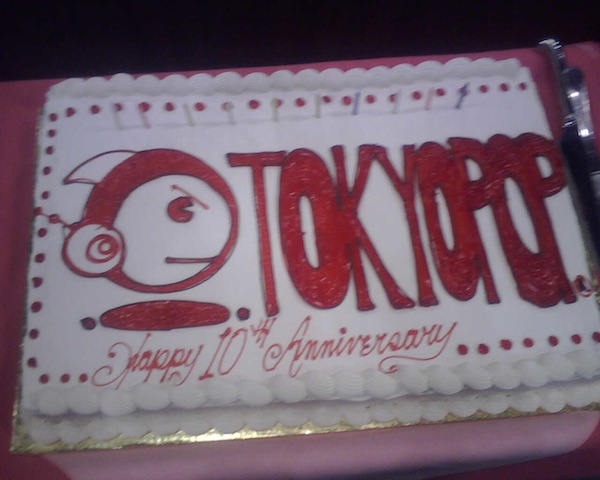
tpcake

Do you still read manga?

It’s pretty rare nowadays. I have a range of personal interests and have read piles and piles of manga over the years. But sometimes when a hobby becomes your job for a long time, it’s not as fun as it used to be. Musicians tell me that a lot. But there’s nothing quite like curling up with a truly engaging manga.

What do you see as the long-term impact of Tokyopop on the American comics market?

My understanding is that Tokyopop played a major role in popularizing sequential art in North America. Former president of DC Comics Paul Levitz once thanked me for revitalizing the market for comics in America. Even though our main business was English-language adaptations of Japanese manga, we published original manga and graphic novels, Cine-Manga, YA novel adaptations, film and television adaptations, art books, “light novels,” and experimented with mobile, web, social media, along with e-commerce, television, film, DVDs, online video, and merchandise. But I’m most proud of playing a key role in bringing another culture, especially one as fascinating and sophisticated as Japanese culture, into mainstream American culture.

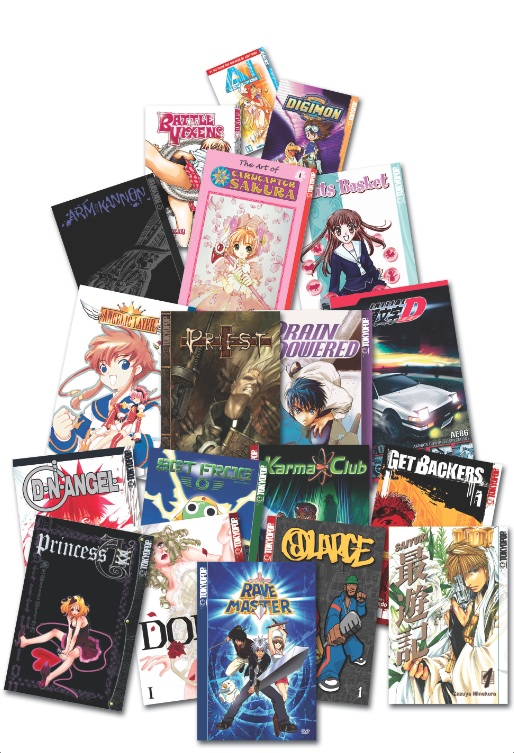
TP books collage

(All photos are courtesy of Stu Levy.)

Filed Under: MANGABLOG

Princess Knight, Naoki Urasawa, and manga about manga

February 22, 2013 by Brigid Alverson

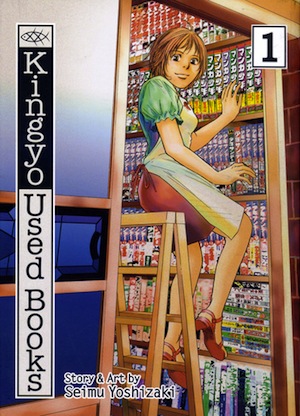
Kingyo 1

Shaenon Garrity writes about the manga-about-manga series Kingyo Used Books as guest columnist for ANN’s House of 1000 Manga.

The special Naoki Urasawa edition of the Manga Moveable Feast continues, with host blog Organization ASG’s roundtable on Astro Boy, as well as roundups for days 3 and 4. And at Manga Village, village leader Lori Henderson rounds up all their Urasawa posts.

Lissa Pattillo checks out this week’s new manga releases in her latest On the Shelf column at Otaku USA.

Sheena McNeil discusses gender-bending in Osamu Tezuka’s Princess Knight.

Reviews

Lori Henderson on vol. 1 of 21st Century Boys (Manga Xanadu)
Rebecca Silverman on vol. 1 of Barrage (ANN)
Chris Kirby on vol. 8 of Cross Game (The Fandom Post)
Justin on chapters 20 and 21 of Cross Manage (Organization ASG)
Ken H. on Emerald and Other Stories (Comics Should Be Good)
Lexie on Emerald and Other Stories (Poisoned Rationality)
Lesley Aeschliman on vol. 3 of Fluffy, Fluffy Cinnamoroll (Blogcritics)
Joseph Luster on vol. 7 of GTO: 14 Days in Shonan (Otaku USA)
Joseph Luster on vol. 1 of Knights of Sidonia (Otaku USA)
Connie C. on Lives, Offered, and Apocalypse Zero (Comics Should Be Good)
Helen on Lonely Wolf, Lonely Sheep (Narrative Investigations)
AstroNerdBoy on vol. 37 of Negima (AstroNerdBoy’s Anime and Manga Blog)
Danica Davidson on vol. 2 of Nisekoi (Otaku USA)
Ash Brown on Pineapple Army (Experiments in Manga)
Manjiorin on Pineapple Army (Organization ASG)
Erica Friedman on vol. 9 of Sailor Moon (Okazu)
Derek Bown on this week’s issue of Shonen Jump (Manga Bookshelf)
Carlo Santos on vol. 10 of Tenjho Tenge (Full Contact Edition) (ANN)
Chris Kirby on vol. 12 of Toriko (The Fandom Post)
Justin on chapter 2 of World Trigger (Organization ASG)

Filed Under: MANGABLOG

Quick hits for a busy day

February 20, 2013 by Brigid Alverson

Sean Gaffney has some commentary on the new licenses announced over the past week by Seven Seas and Vertical, and I had a few things to say at MTV Geek as well.

The Manga Moveable Feast featuring Naoki Urasawa continues, with host blog Organization ASG posting on Music in 20th Century Boys and Hatred in Pluto as well as a roundup of the first two days’ worth of posts.

Tony Yao writes about the child prodigy Orochimaru (from Naruto) and the power of sorrow in Gintama at Manga Therapy.

No Starch Press is listing The Manga Guide to Regression Analysis among its books for next year. It may sound incongruous, but the books in this series that I have looked at have been pretty good.

Well, here’s an innovation: Something called “Manga 2.5,” which is a motion comic version of manga, with voices. ANN has the deets; it launches with The Mythical Detective LOKI (available in its original form on JManga) and Ouji Hiroi and Yuusuke Kozaki’s Karasuma Kyōko no Jikenbo.

The staff at the Embassy of Japan in London have announced the winners of this year’s Manga Jiman awards.

Reviews: Anna N. reviews a handful of Harlequin manga at Manga Report.

Lori Henderson on vols. 1-22 of 20th Century Boys (Manga Xanadu)
Chris Kirby on vol. 22 of 20th Century Boys (The Fandom Post)
Rebecca Silverman on vol. 1 of Barrage (ANN)
Lesley Aeschliman on vol. 7 of Chi’s Sweet Home (Blogcritics)
Anna N. on vol. 11 of Fushigi Yugi Genbu Kaiden (Manga Report)
David Gromer on vol. 1 of GTO: 14 Days in Shonan (Graphic Novel Reporter)
Kristin on vol. 10 of Jormungand (Comic Attack)
Sean Gaffney on vol. 1 of Knights of Sidonia (A Case Suitable for Treatment)
Katherine Hanson on Love Flag Girls!! (Yuri no Boke)
David Gromer on vol. 5 of Maximum Ride: The Manga (Graphic Novel Reporter)
David Gromer on vol. 5 of Negima (Graphic Novel Reporter)
Lesley Aeschliman on vol. 4 of Tsubasa: Reservoir Chronicle (Blogcritics)

Filed Under: MANGABLOG

New licenses from Viz, Vertical, and Seven Seas

February 18, 2013 by Brigid Alverson

Kaikisen

There has been a flurry of activity on the licensing front: Viz announced five new Shojo Beat and Shonen Sunday licenses: Happy Marriage?!, Midnight Secretary, Voice Over!: Seiyuu Academy, Sweet Rein, and Magi. I dug up a bit more info on the last three at MTV Geek. Vertical announced Satoshi Kon’s Tropic of the Sea and Takahiro Seguchi’s Sickness Unto Death. And Seven Seas has three new licenses, all supernatural stories involving girls who aren’t human: A Centaur’s Life, Love in Hell, and Monster Musume. Sean Gaffney, who knows the Japanese side of things a lot better than I do, has more on the Viz and Seven Seas announcements at his blog.

Lissa Pattillo looks over the past week’s new manga in her On the Shelf column at Otaku USA, and Sean Gaffney, MJ, and Michelle Smith discuss this week’s new manga at Manga Bookshelf.

The Manga Bookshelf team discusses their Pick of the Week.

Erica Friedman has a fresh episode of Yuri Network News at Okazu.

This month’s Manga Moveable Feast is hosted by Organization ASG, and Justin gets things rolling with an introductory post on this month’s creator, Naoki Urasawa and a discussion among the bloggers about how they first got into Urasawa.

Brian Hibbs looks at the BookScan numbers for 2012 and sees a grim picture for manga, as sales continue to decline.

Jason Thompson pays his respects to the uber-80s manga Cipher in his latest House of 1000 Manga column at ANN.

News from Japan: Kaoru Mori brings back Shirley for a two-part story in Enterbrain’s Harta (formerly Fellows!) magazine.

Reviews: Ash Brown looks back on the past week in manga at Experiments in Manga.

Leroy Douresseaux on vol. 3 of Awkward Silence (I Reads You)
Connie on vol. 14 of Black Bird (Slightly Biased Manga)
Ash Brown on vol. 18 of Blade of the Immortal (Experiments in Manga)
Erica Friedman on vol. 1 of Collectors (Okazu)
Jocelyne Allen on Dame BL (Brain Vs. Book)
Connie on vol. 8 of Dorohedoro (Slightly Biased Manga)
AstroNerdBoy on vol. 23 of Fairy Tail (AstroNerdBoy’s Anime and Manga Blog)
Sweetpea on Her Majesty’s Dog, Slam Dunk, and Papillon (Organization ASG)
Leroy Douresseaux on vol. 12 of Kamisama Kiss (The Comic Book Bin)
Angela Eastman on vol. 12 of Kamisama Kiss (The Fandom Post)
Sakura Eries on vol. 2 of Message to Adolf (The Fandom Post)
Leroy Douresseaux on vol. 60 of Naruto (I Reads You)
Angela Eastman on vol. 12 of Nura: Rise of the Yokai Clan (The Fandom Post)
Connie on Ohikkoshi, 5 Centimeters Per Second, and A Drunken Dream (Comics Should Be Good)
Connie on vol. 18 of Ouran High School Host Club (Slightly Biased Manga)
Lori Henderson on vols. 1-8 of Pluto (Manga Xanadu)
Chris Kirby on vol. 2 of Puella Magi Madoka Magica (The Fandom Post)
Derek Bown on last week’s issue of Shonen Jump (Manga Bookshelf)
Connie on vol. 1 of Strobe Edge (Slightly Biased Manga)
Lexie on vol. 1 of Tokyo Babylon (omnibus edition) (Poisoned Rationality)
Justin on vol. 11 of Yotsuba&! (Organization ASG)

Filed Under: MANGABLOG

News from all over

February 14, 2013 by Brigid Alverson

Here’s my look at this week’s new manga at MTV Geek; now that I have read Emerald, I highly endorse it.

The Scotsman profiles Anime Republic, Edinburgh’s first anime and manga specialty shop.

Ed Chavez, marketing director for Vertical, Inc., is at India Comic Con this week, and he brought Chi to his panel; Ed says that manga will be coming to India very soon.

Tony Yao looks at Viz’s planned Hello Kitty graphic novels and asks: Will Minimalism Save Comics?

The first-ever Manga Festival In Singapore happens this weekend.

News from Japan: Despite the weird series of threats associated with it, the latest volume of Kuroko’s Basketball topped the sales charts this week. ANN has the full Japanese comics rankings. Futabasha has pulled the plug on Comic Sumomo. And Silver Diamond creator Shiho Sugiura is launching a new series, Shūten unknown (Last Stop Unknown), in the May issue of Comic Avarus.

Reviews

Lesley Aeschliman on vol. 2 of Fluffy, Fluffy Cinnamoroll (Blogcritics)
Lesley Aeschliman on vol. 1 of High School Debut (Blogcritics)
Brian Gardes on Hiroaki Samura’s Emerald and Other Stories (Stumptown Trade Review)
Matthew Cycyk on vol. 1 of Knights of Sidonia (Matt Talks About Manga)
Ken Haley on vol. 1 of Knights of Sidonia (Comics Should Be Good)
Anna N. on vol. 12 of Kamisama Kiss (Manga Report)
Angela Eastman on vol. 11 of Nura: Rise of the Yokai Clan (The Fandom Post)

Filed Under: MANGABLOG

Incoming!

February 13, 2013 by Brigid Alverson

Lissa Pattillo takes a quick advance look at a new Seven Seas license, Dictatorial Grimoire, and Alex Hoffman looks forward to Nijigahara Holograph, the new Inio Asano manga to be published by Fantagraphics later this year.

The Canadian publisher CloneManga has launched a Kickstarter to fund a print edition of Canadian author Dan Kim’s NNN, which won the Bronze Award in the Japanese foreign ministry’s international manga competition last year.

The Manga Bookshelf team discusses their Pick of the Week.

The Manga Moveable Feast kicks off next week, and Justin, your host at Organization ASG, issues the first call for participation. This month’s featured creator is Naoki Urasawa.

At Sequential Tart, Wolfen Moondaughter looks back at a year’s worth of yaoi reading (part one, part two).

Just in time for Valentine’s Day, Molly McIsaac counts down five iconic manga couples.

At Manga Therapy, Tony Yao turns the microscope on Durarara!!’s resident psychopath, Izaya Orihara.

And at Organization ASG, Justin talks to Tony about Manga Therapy and what he has learned from writing it.

Anna N. is giving away a bundle of Blu manga at Manga Report; hit the link to find out how to enter.

News from Japan: Doraemon co-creator Fujiko Fujio A will wind up his autobiographical series Ai…Shirisomeshi Kei ni in the May issue of Big Comic Original. Manga-ka Ritz Kobayashi is taking some time off from the high school mahjong series Saki due to health problems. The main story arc of Zetsuen no Tempest will end next month.

Reviews: Lots of quick reads this week! Carlo Santos looks at vol. 1 of Knights of Sidonia, vol. 13 of Nura: Rise of the Yokai Clan, and a handful of other recent releases in his latest Right Turn Only!! column at ANN. The Manga Bookshelf bloggers file their Bookshelf Briefs. At Comics Should Be Good, Connie takes a look at three manga by Taiyo Matsumoto, who will be coming to the Toronto Comic Arts Festival in May. Ash Brown briefs us on this week’s manga reading at Experiments in Manga.

Kristin on vol. 1 of 21st Century Boys (Comic Attack)
Khursten Santos on 87Clockers (Otaku Champloo)
Kate O’Neil on vol. 6 of Afterschool Charisma (The Fandom Post)
Helen on Akaku Saku Koe (Narrative Investigations)
Mark Thomas on vol. 16 of Battle Angel Alita: The Last Order (The Fandom Post)
Lexie on vol. 1 of Blood-C (Poisoned Rationality)
Sakura Eries on vol. 4 of A Bride’s Story (The Fandom Post)
Justin on chapter 19 of Cross Manage (Organization ASG)
Erica Friedman on Destro 246 (Okazu)
Matthew Alexander on vol. 7 of Dogs: Bullets and Carnage (The Fandom Post)
Drew McCabe on vol. 7 of Dogs: Bullets and Carnage (Comic Attack)
Connie on God of Dogs (Slightly Biased Manga)
John Rose on vol. 21 of Hayate the Combat Butler (The Fandom Post)
Matthew Alexander on vol. 7 of Itsuwaribito (The Fandom Post)
Connie on vol. 15 of Kimi ni Todoke (Slightly Biased Manga)
Lori Henderson on vols. 8 and 9 of Raiders (Manga Village)
Connie on vol. 30 of Skip Beat! (Slightly Biased Manga)
Anna N. on vol. 26 of Slam Dunk! (Manga Report)
Kate O’Neil on vol. 12 of Soul Eater (The Fandom Post)
Connie on vol. 1 of sweet pool (Slightly Biased Manga)
Justin on vol. 1 of Thermae Romae (Organization ASG)
Sean Gaffney on vol. 3 of Wonder! (A Case Suitable for Treatment)
Drew McCabe on World Trigger (Comic Attack)

Filed Under: MANGABLOG

New BL publisher in the works; Beautiful Creatures previewed

February 11, 2013 by Brigid Alverson

Yen Press is publishing a graphic novel adaptation of Beautiful Creatures, just a week before the movie is released; check out our exclusive preview at MTV Geek.

Noah Berlatsky quotes both me and Erica Friedman in an interesting essay on the ethics of scanlation.

There were lots of new Shonen Jump and Shojo Beat titles out last week; I looked over the latest crop of new releases at MTV Geek, and Lissa Pattillo checked them out as well in her latest On the Shelf column at Otaku USA. At Heart of Manga, Laura looks at the new shoujo releases for February.

Meanwhile, the Manga Bookshelf bloggers look forward to this week’s new manga releases, in print and on JManga.

Erica Friedman updates us on the world of yuri in this week’s edition of Yuri Network News.

The Japanese publisher Otome’s Way will bring BL manga to international readers (the U.S. and other countries) via the web beginning in April; the manga will be online, and you can buy it with PayPal.

MJ talks about her recent reading in her latest My Week in Manga video.

Lissa Pattillo opens up the swag bag and shows off her latest purchases.

Justin Stroman asks Manga Bookshelf readers: What manga got you to read more?

News from Japan: Tokyo Big Sight has banned Kuroko’s Basketball doujinshi from an upcoming event. Some new projects in the works: Horror manga-ka Junji Ito (Gyu) is launching a new series, Ma no Kakera (The Shard of Evil), in the newly revived Nemuki magazine in April. Go Nagai’s Dororo and Enma-Kun, which started as a one-shot, will become an ongoing series. Examurai Sengoku creator Yoshiji Yamaguchi will begin a Fist of the North Star spinoff, Kinyoku no Garuda ~Nanto Goshasei Zenshi~ (The Gold Wings of Garuda ~The Prehistory of the Nanto Goshasei~) in the April issue of Comic Zenon. Kodansha is planning a complete collection of Shigeru Mizuki’s manga. The josei magazine Kiss is reducing its frequency from biweekly to monthly. Thermae Romae, serialized in English by Yen Press, is coming to an end in Japan. Highschool of the Dead will return to the pages of Dragon Age later this spring.

Reviews: MJ and Michelle Smith discuss several new volumes in their Off the Shelf column at Manga Bookshelf.

Sean Gaffney on vol. 1 of Alice in the Country of Joker: Circus and Liar’s Game (A Case Suitable for Treatment)
Ken Haley on vols. 2 and 3 of Attack on Titan (Comics Should Be Good)
Leroy Douresseaux on vol. 55 of Bleach (The Comic Book Bin)
Ash Brown on vol. 2 of Bond of Dreams, Bond of Love (Experiments in Manga)
Kate O’Neil on vol. 45 of Case Closed (The Fandom Post)
Lesley Aeschliman on vol. 1 of Fluffy, Fluffy Cinnamoroll (Blogcritics)
AstroNerdBoy on vol. 3 of Gate 7 (AstroNerdBoy’s Anime and Manga Blog)
Erica Friedman on vol. 2 of Golondrina (Okazu)
Shannon Fay on vol. 1 of Higurashi When They Cry – Massacre Arc (Kuriousity)
Lesley Aeschliman on vol. 2 of Kamisama Kiss (Blogcritics)
Kate O’Neil on vol. 14 of The Melancholy of Haruhi Suzumiya (The Fandom Post)
Leroy Douresseaux on vol. 13 of Nura: Rise of the Yokai Clan (The Comic Book Bin)
Lesley Aeschliman on vol. 6 of Oh My Goddess (Blogcritics)
Leroy Douresseaux on vol. 3 of Punch Up! (I Reads You)
Derek Bown on this week’s issue of Shonen Jump (Manga Bookshelf)
Leroy Douresseaux on vol. 26 of Slam Dunk (The Comic Book Bin)
Erica Friedman on Watashi no Sekai o Kousei Suru Chiri no You na Nanika (Okazu)

Filed Under: MANGABLOG

Chromatic Press launches digital manga line, brings back Off*Beat

February 6, 2013 by Brigid Alverson

Lillian Diaz-Przybyl and Lianne Sentar have formed Chromatic Press, a digital publisher that will focus on original English language (OEL) light novels, manga, and audio dramas. And they are kicking off their line by bringing back Jen Lee Quick’s Off*Beat—they will republish the existing volumes and then she will finish the series with volume 3—and Sentar’s Tokyo Demons. I talked to Diaz-Przybyl and Sentar at MTV Geek, and Lissa Pattillo interviewed Quick at Kuriousity.

Drawn and Quarterly, which published Shigeru Mizuki’s Onward Towards Our Noble Deaths, has confirmed that they will publish Mizuki’s eight-volume Showa: A History of Showa Japan.

News from Japan: It’s a sick day at Shonen Jump: Tite Kubo and Hideaki Sorachi both got the flu and were unable to turn in their chapters of Bleach and Gin Tama, respectively. The editors apologized and say they will both be back next week. Saki Achiga-hen episode of side-A will come to an end in the next issue of Monthly Shonen Gangan.

Reviews: Ash Brown takes us through another week’s worth of manga reading at Experiments in Manga.

J. Caleb Mozzocco on vol. 5 of Fluffy, Fluffy Cinnamoroll (Good Comics for Kids)
Sean Gaffney on vol. 7 of GTO: 14 Days in Shonan (A Case Suitable for Treatment)

Rebecca Silverman on The Heart of Thomas (ANN)
Lori Henderson on vols. 1-23 of Hikaru no Go (Good Comics for Kids)
Helen on vol. 1 of Sailor Moon (Narrative Investigations)
Phillip Anthony on vol. 1 of Skip Beat (omnibus edition) (Manga Bookshelf)
Leroy Douresseaux on vol. 12 of Tegami Bachi (The Comic Book Bin)

Filed Under: MANGABLOG

Kodansha licenses Sherlock Bones; GEN to launch manhwa magazine

February 4, 2013 by Brigid Alverson

Tanteiken Sherdock

Kodansha Comics has licensed a new title: Sherlock Bones (Tanteiken Sherdock), the story of a crime-solving boy and dog team. First volume is due out in September. The creators are Yuma Ando (the pen name of Shin Kobayishi, whose other credits include Kindaichi Case Files and Drops of God) and Yuki Sato (Yokai Doctor).

Viz’s yaoi imprint SuBLime also has some new licenses to announce, two print and four digital-only, to celebrate their first anniversary. But the first volume of Youka Nitta’s Embracing Love is delayed from April to August due to production issues.

Big changes are afoot at GEN Manga: They will suspend publication of their manga magazine for a year, but they plan to continue to release single volumes of manga and they are launching a manhwa magazine later this month. I talked to editor-in-chief Robert McGuire about what he has planned. And the first four issues of GEN are available free on Kindle, iBooks, and Comics Plus—but they read differently on each platform. I did a little compare-and-contrast.

I looked over last week’s new manga at MTV Geek, and Lissa Pattillo makes her recommendations in her latest On the Shelf column at Otaku USA. And the Manga Bookshelf bloggers take a look at this week’s new releases in print and on JManga and discuss their Pick of the Week. Lori Henderson checks out all the January releases and figures out what to read now and what to hold off on till later.

Erica Friedman has the latest Yuri Network News roundup at Okazu, including the news that a yuri title is the number one seller on JManga at the moment.

Jason Thompson’s House of 1000 Manga column at ANN takes up part two of his history of Shonen Jump.

MJ and Michelle Smith discuss three JManga titles in their latest Off the Shelf column at Manga Bookshelf.

Ash Brown is giving away a copy of Blue Exorcist at Experiments in Manga; hit the link to find out how you could win.

News from Japan: MangaNews reports (in French) that Go Nagai is about to launch a new series, Dororo to Enma-kun, that will be a crossover between Osamu Tezuka’s Dororo and Nagai’s Dororonen Mahô-kun; it will run in Manga Goraku magazine. Oricon says manga sales were down 1.5% last year. Gumi, one of the Vocaloid mascots, is getting her own manga. “The Gumi from Vocaloid manga will follow Gumi as she makes a boy’s dream come true,” says ANN, and I don’t doubt that for a minute. One-shots are in the works from Lily Hoshino (Otome Yōkai Zakuro) and Akira Amano (Reborn).

Reviews: The Manga Bookshelf bloggers keep it terse in their latest set of Bookshelf Briefs.

Anna N. on Angus’s Lost Lady and The Seduction Bid (Manga Report)
Sheena McNeil on vol. 3 of Awkward Silence (Sequential Tart)
Lori Henderson on vol. 14 of Bamboo Blade (Manga Village)
Leroy Douresseaux on vol. 8 of Dawn of the Arcana (The Comic Book Bin)
Anna N. on vol. 8 of Dawn of the Arcana (Manga Report)
Erica Friedman on vol. 1 of Girl Friends (Okazu)
Ken H. on vol. 2 of Heroman (Comics Should Be Good)
Mark Thomas on vol. 8 of Ikigami (The Fandom Post)
Matthew Warner on vol. 32 of Kekkaishi (The Fandom Post)
Lesley Aeschliman on vol. 1 of The Key to the Kingdom (Blogcritics)
Wolfen Moondaughter on vol. 10 of Loveless (Sequential Tart)
Ash Brown on vol. 2 of Message to Adolf (Experiments in Manga)
Sean Gaffney on vol. 37 of Negima (A Case Suitable for Treatment)
Erica Friedman on vol. 4 of Ohana Holoholo (Okazu)
Lesley Aeschliman on vol. 8 of One Piece (Blogcritics)
Jocelyne Allen on Taiyo Matsumoto’s Ping Pong (Brain Vs. Book)
Connie C. on Please Save My Earth, Basara, and Red River (Comics Should Be Good)
Sean Gaffney on vol. 9 of Sailor Moon (A Case Suitable for Treatment)
Derek Bown on this week’s Shonen Jump (Manga Bookshelf)
Matthew Warner on vol. 1 of Strobe Edge (The Fandom Post)
Lesley Aeschliman on vol. 3 of Tsubasa: Reservoir Chronicle (Blogcritics)
Matthew Warner on vol. 15 of Vampire Knight (The Fandom Post)

Filed Under: MANGABLOG

New Pokemon, Summer Wars licenses announced

January 30, 2013 by Brigid Alverson

Big change at Viz: Executive vice president Alvin Lu has moved on.

At The Comics Journal, Joe McCulloch has sort of a beginner’s guide to Shonen Jump, explaining how it differs from the Japanese magazine of the same name and offering some entry points for new readers. More SJ news: Viz will add the weekly Dragon Ball series, in color, to the lineup, starting next week, and SJ editor-in-chief Andy Nakitani guests on the most recent ANNCast podcast.

Meanwhile, Viz has confirmed reports that it will publish the Pokemon HeartGold SoulSilver manga. Viz also announced yesterday that it is releasing the classic shoujo series Please Save My Earth in digital form.

And Vertical announced its license of Iqura Sugimoto’s Summer Wars, based on Mamoru Hosoda’s film of the same name.

Lissa Pattillo talks to Yoko Tanigaki about Digital Manga’s Project H hentai imprint.

The Manga Bookshelf team discusses their Pick of the Week.

Khursten Santos takes a look at this year’s Manga Taishou award nominees at Otaku Champloo.

Reviews: Carlo Santos reads the new releases so you don’t have to for his latest Right Turn Only!! column at ANN. Ash Brown sums up a week’s worth of manga reading at Experiments in Manga.

Lesley Aeschliman on vol. 8 of Case Closed (Blogcritics)
AstroNerdBoy on vol. 6 of A Certain Scientific Railgun (AstroNerdBoy’s Anime and Manga Blog)
Lesley Aeschliman on vol. 5 of Chi’s Sweet Home (Blogcritics)
Jocelyne Allen on Coppers (by Natsume Ono) (Brain Vs. Book)
Rebecca Silverman on vol. 1 of Demon Love Spell (ANN)
Carlo Santos on vol. 7 of Dogs: Bullets and Carnage (ANN)
Lori Henderson on The Drops of God: New World (Manga Xanadu)
Matthew Warner on vol. 3 of The Flowers of Evil (The Fandom Post)
J. Caleb Mozzocco on vol. 2 of Highschool of the Dead (Every Day Is Like Wednesday)
Erica Friedman on Kanojo to Camera to Kanojo no Kisetsu (Okazu)
Emily on Kimi ga Suki to ka Arienai! (Emily’s Random Shoujo Manga Page)
Johanna Draper Carlson on vol. 1 of Limit (Comics Worth Reading)
Sean Gaffney on vol. 4 of Love Hina (omnibus edition) (A Case Suitable for Treatment)
Erica Friedman on vol. 6 of Manga no Tsukurikata (Okazu)
TSOTE on vol. 4 of Mardock Scramble (Three Steps Over Japan)
Johanna Draper Carlson on vol. 2 of Missions of Love (Comics Worth Reading)
Kate O’Neil on vol. 12 of Nabari No Ou (The Fandom Post)
Lesley Aeschliman on vol. 1 of Pretty Face (Blogcritics)
Lori Henderson on vol. 3 of Puella Magi Madoka Magica (Manga Village)
Drew McCabe on vol. 7 of Omamori Himari (Comic Attack)
Rebecca Silverman on vol. 10 of Rin-ne (ANN)
Khursten Santos on Sukitte Ii Na Yo (Otaku Champloo)
Leroy Douresseaux on vol. 8 of Ultimo (The Comic Book Bin)

Filed Under: MANGABLOG

New releases, new licenses, and more on Moyoco Anno

January 28, 2013 by Brigid Alverson

I took a peek at last week’s new releases, including Yoshitaka Amano’s novel Deva Zan, at MTV Geek.

The Manga Bookshelf team looks at this week’s new titles on JManga.

Lissa Pattillo highlights a new Digital license and notes that Viz has licensed the Pokemon Adventures: Heart Gold & Soul Silver manga as well.

Ash Brown wraps up the Moyoco Anno Manga Moveable Feast with the day three roundup and a final farewell. MJ post a Moyoco Anno-centric episode of My Week in Manga at Manga Bookshelf, and at All About Manga, Daniella Orihuela-Gruber looks at how Anno portrays feisty women.

Erica Friedman posts a fresh episode of Yuri Network News at Okazu.

Michelle Smith and Karen Peck kick off their new column, The CMX Project, with a discussion Land of the Blindfolded at Soliloquy in Blue.

Matt Blind posts the 2012 quarterly best-seller lists, with considerable explanation and commentary.

Robot 6’s regular Shelf Porn feature highlights the collection of a 17-year-old manga fan.

Reviews

Marsha Reid on vol. 1 of Aron’s Absurd Armada (Kuriousity)
Leroy Douresseaux on vol. 11 of Dengeki Daisy (I Reads You)
Sean Gaffney on Don’t Disturb Me and Him, Please (A Case Suitable for Treatment)
Anna N on vols. 1-5 of Happy Mania (Manga Report)
Katherine Hanson on Haru Natsu Aki Fuyu (Yuri no Boke)
Helen on vol. 1 of Heroman (Narrative Investigations)
Ash Brown on Japan as Viewed by 17 Creators (Experiments in Manga)
Sakura Eries on vol. 9 of Sakura Hime: The Legend of Princess Sakura (The Fandom Post)
A Library Girl on vol. 1 of Strobe Edge (A Library Girl’s Familiar Diversions)
Ash Brown on vol. 1 of Sugar Sugar Rune (Experiments in Manga)

Filed Under: MANGABLOG

The History of Shonen Jump, told by one who was there

January 25, 2013 by Brigid Alverson

Jason Thompson devotes this week’s House of 1000 Manga column to the first part of a look at the evolution of Shonen Jump in America—and as Jason was the magazine’s first editor, he has a unique perspective.

Lissa Pattillo looks over this week’s new releases for her On the Shelf column at Otaku USA. Meanwhile, the Manga Bookshelf bloggers look forward to next week’s new releases.

Ash Brown posts the second roundup of posts for this week’s Manga Moveable Feast, featuring Moyoco Anno. And MJ interviews Anno for The Beat.

The winners of the Shogakukan Manga Awards have been announced, and the winner in the General Category is Kengo Hanazawa’s I Am a Hero. Silver Spoon, by Fullmetal Alchemist creator Hiromu Arakawa, took the prize in the Boys Category.

Geoff Pevere reviews the film Tatsumi for the Toronto Globe and Mail

License requests: Marian Moore has a list of five manga she’d love to see licensed in English at the Inside AX blog.

Reviews

Connie on Case Closed, Lupin III, and The Kindaichi Case Files (Comics Should Be Good)
AstroNerdBoy on vol. 5 of A Certain Scientific Railgun (AstroNerdBoy’s Anime and Manga Blog)
Anna N. on vol. 1 of Clair Voyance (Manga Report)
Erica Friedman on the January issue of Comic Yuri Hime (Okazu)
Justin on chapters 15, 16, and 17 of Cross Manage (Organization ASG)
Ng Suat Tong on The Heart of Thomas (The Hooded Utilitarian)
David Gromer on vol. 3 of Higurashi When They Cry: The Atonement Arc (Graphic Novel Reporter)
David Gromer on vol. 1 of Is This a Zombie? (Graphic Novel Reporter)
Lesley Aeschliman on vol. 1 of Kamisama Kiss (Blogcritics)
TSOTE on vol. 3 of Mardock Scramble (Three Steps Over Japan)
Angela Eastman on vol. 10 of Nura: Rise of the Yokai Clan (The Fandom Post)
Ash Brown on Sakuran (Experiments in Manga)
David Gromer on vol. 1 of Sengoku Basara: Samurai Legends (Graphic Novel Reporter)

Filed Under: MANGABLOG

PictureBox launches Ten Cent Manga Line; Shonen Jump is busting out all over

January 24, 2013 by Brigid Alverson

I interviewed Shonen Jump editor Andy Nakatani at MTV Geek, and there’s a preview of One Punch Man there as well. Deb Aoki also had a Q&A with Andy at About.com. And the January 28 issue of Shonen Jump will include Akira Toriyama’s one-shot Kintoki. Derek Bown takes us through the contents of the January 21 issue at Manga Bookshelf, and Drew McCabe has some thoughts as well.

PictureBox, which published Yoichi Yokoyama’s Travel, has some big news this week: They are launching a line of vintage manga, called Ten Cent Manga, edited by manga scholar Ryan Holmberg and featuring manga that shows outside influences; they are kicking it off with Shigeru Sugiura’s Last of the Mohicans.

Ash Brown posts the first roundup of Moyoco Anno MMF links at Experiments in Manga.

At Okazu, Erica Friedman has some thoughts on digital manga that are well worth reading, including an important point about the decoupling of ownership from possession. And she has the latest episode of Yuri Network News.

Lissa Pattillo discusses some recent acquisitions in her latest Swag Bag feature at Kuriousity.

Bruce DeMara reviews the movie Tatsumi, about manga-ka Yoshihiro Tatsumi (The Push Man), for The Star.

Reviews

Sean Gaffney on vol. 4 of A Bride’s Story (A Case Suitable for Treatment)

Ash Brown on vol. 1 of Flowers and Bees (Experiments in Manga)
Erica Friedman on vol. 2 of Hana to Hoshi (Okazu)
Ash Brown on vol. 1 of Happy Mania (Experiments in Manga)
Brian Gardes on vol. 1 of Heroman (Stumptown Trade Review)
Anna N. on vols. 10-15 of Kekkaishi (Manga Report)
TSOTE on vol. 2 of Mardock Scramble (Three Steps Over Japan)
Ken H on vol. 2 of Planet Ladder (Comics Should Be Good)
Erica Friedman on Prism (Okazu)
Shannon Fay on Sky Link (Kuriousity)

Filed Under: MANGABLOG

Shonen Jump takes a giant leap

January 22, 2013 by Brigid Alverson

Big changes at Viz yesterday as Shonen Jump Alpha became Weekly Shonen Jump and starts releasing new chapters the same day they come out in Japan. Editor-in-chief Andy Nakatani has all the details at ICv2, and former Shonen Jump editor-in-chief Hisashi Sasaki also discusses the Japanese digital scene and why the editors decided to let the two magazines go in sync.

Ash Brown is hosting this month’s Manga Moveable Feast, which features the work of Moyoco Anno, at Experiments in Manga. Erica Friedman has a guest post about how she got turned on to Sakuran, and Ash’s weekly roundup includes three short reviews of Anno’s manga.

Johanna Draper Carlson is skeptical about Tokyopop’s newest incarnation, and she notes that Kodansha won’t be picking up any more of the old Del Rey series.

The Manga Bookshelf team discusses their Pick of the Week as well as this week’s new releases in print and on JManga. MJ and Michelle Smith discuss The Heart of Thomas in their latest BL Bookrack column, and MJ discusses what she has been reading lately in her most recent My Week in Manga video. And in the magazine department, Erica Friedman takes a look a look at Big Comic Superior and Derek Bown recaps the latest issue of Shonen Jump Alpha.

Dave Roman is serializing the next volume of Astronaut Academy online, and in a blog post on that site, he has some suggestions for manga that non-manga readers might like, based on their tastes in comics.

Jason Thompson takes a look at Japan As Viewed by 17 Creators in his latest House of 1000 Manga column at ANN.

Lissa Pattillo reflects that Digital Manga seems to be putting yaoi on the back burner. Lissa also surveyed the most recent manga releases in her On the Shelf column at Otaku USA.

The Manga Village team takes a look at 2012 in the rear view mirror, and Katherine Hanson lists her top 11 yuri moments of 2012 at Yuri no Boke.

News from Japan: The nominees for the Manga Taisho Awards have been announced; the only one that is licensed in the U.S. right now is A Bride’s Story.

Reviews:

Connie on vol. 10 of 13th Boy (Slightly Biased Manga)
Jocelyne Allen on 25 Ji no Vacances (Brain Vs. Book)
Leroy Douresseaux on vol. 7 of Afterschool Charisma (The Comic Book Bin)
Rebecca Silverman on vol. 1 of Alice in the Country of Hearts: My Fanatic Rabbit (ANN)
Naru on All the Time (Organization ASG)
Leroy Douresseaux on vol. 17 of Bakuman (The Comic Book Bin)
Theron Martin on vol. 16 of Battle Angel Alita: Last Order (ANN)
Connie on vol. 23 of Blade of the Immortal (Slightly Biased Manga)
Lesley Aeschliman on vol. 7 of Case Closed (Blogcritics)
Leroy Douresseaux on vol. 45 of Case Closed (The Comic Book Bin)
Connie on Cross Game, Eyeshield 21, and Real (Comics Should Be Good)
Kristin on Danza (Comic Attack)
Sean Gaffney on vol. 3 of The Disappearance of Nagato Yuki-Chan (A Case Suitable for Treatment)
Connie on vol. 1 of Don’t Blame Me (Slightly Biased Manga)
AstroNerdBoy on vols. 21 and 22 of Fairy Tail (AstroNerdBoy’s Anime and Manga Blog)
Rebecca Silverman on vol. 20 of Higurashi When They Cry (ANN)
Carlo Santos on vol. 8 of House of Five Leaves (ANN)
Leroy Douresseaux on vol. 10 of Jormungand (The Comic Book Bin)
AstroNerdBoy on vol. 36 of Negima! (AstroNerdBoy’s Anime and Manga Blog)
Elie Byun on vol. 1 of Neon Genesis Evangelion (omnibus edition) (Anime Expo)
Lesley Aeschliman on vol. 5 of Oh My Goddess (Blogcritics)
Connie on vol. 17 of Ouran High School Host Club (Slightly Biased Manga)
Helen on vol. 1 of Please Save My Earth (Narrative Investigations)
Andre Paploo on vol. 8 of Raiders (Kuriousity)
Lori Henderson on Sakuran (Manga Xanadu)
Connie on vol. 3 of Scent of Apple Blossoms (Slightly Biased Manga)
Rebecca Silverman on vol. 2 of Soul Eater NOT! (ANN)
Richard Bruton on vol. 3 of Summit of the Gods (Forbidden Planet)
Lesley Aeschliman on vol. 2 of Tsubasa: Reservoir Chronicle (Blogcritics)

Filed Under: MANGABLOG

  • « Go to Previous Page
  • Page 1
  • Interim pages omitted …
  • Page 14
  • Page 15
  • Page 16
  • Page 17
  • Page 18
  • Interim pages omitted …
  • Page 28
  • Go to Next Page »
 | Log in
Copyright © 2010 Manga Bookshelf | Powered by WordPress & the Genesis Framework